

The shift toward responsible pool ownership
The demand for eco-friendly pool options is growing, and it's happening quickly. We're seeing a real shift in what homeowners want from their backyard recreation. It's no longer simply about having a pool; it's about having a pool responsibly. Concerns about environmental impact, coupled with potential cost savings and evolving regulations, are driving this change.
For a long time, pools were seen as a luxury item, a status symbol. Now, that’s changing. People are starting to view them as part of their overall lifestyle, and with that comes a desire to minimize their footprint. This isn't just a trend; it’s a fundamental change in consumer expectations. We’re seeing more questions about water usage, energy efficiency, and sustainable materials during our inspections.
We track these changes at Aquatic Inspections to give you straight answers on what works. Staying on top of new tech and local rules ensures your pool doesn't become a liability or an environmental drain.
Pool materials that replace concrete
Traditional concrete pools have a significant environmental impact. The production of cement, a key component of concrete, is a major source of carbon dioxide emissions. While concrete is durable, its manufacturing process is anything but sustainable. Homeowners are increasingly looking for alternatives, and the market is responding.
Fiberglass pools are a popular choice for those seeking a more eco-friendly option. They require less water during construction compared to concrete pools, and their manufacturing process is generally more controlled, reducing waste. They’re also very durable, which translates to a longer lifespan and less need for repairs or replacement. However, transportation can be a factor in their overall carbon footprint.
Natural stone is another appealing alternative, particularly when sourced locally. Using stone from nearby quarries reduces transportation costs and supports regional economies. The aesthetic appeal is also a draw for many homeowners. Recycled materials are also making inroads, with some manufacturers incorporating recycled plastics and other materials into pool construction. You'll see costs vary considerably; a fiberglass pool might run $40,000 - $80,000 while a natural stone pool could easily exceed $100,000 depending on the stone used.
Mycelium-based composites—grown from mushroom roots—are a experimental alternative to plastic and concrete. While they are biodegradable, they aren't widely available for residential pools yet, and we don't have data on how they hold up after ten years underwater.
Water Conservation: Reducing Your Pool's Footprint
Water scarcity is a growing concern in many regions, and pool owners are understandably looking for ways to minimize their water usage. Simple steps, like using a pool cover, can make a significant difference. Automatic pool covers are convenient, but manual covers are a more affordable option. The material matters too – a good quality cover will reduce evaporation more effectively.
Filtration choice dictates water waste. Cartridge filters don't need backwashing like sand filters do, saving thousands of gallons a year. Diatomaceous earth (DE) filters catch smaller particles but involve handling messy powders. While a cartridge setup costs more upfront, the lower water bill usually covers the difference. Even the 2014 Connecticut State Building Code points to efficient filtration as a standard for public safety and conservation.
Leak detection technology is becoming increasingly sophisticated. Smart sensors can monitor water levels and flow rates, alerting you to even small leaks. Rainwater harvesting is another option, though it may be subject to local regulations. Greywater systems, which reuse water from showers and sinks, are also a possibility, but require careful planning and permitting.
Energy-Efficient Pool Systems: Heating and Circulation
Heating a pool can be a major energy drain. Solar pool heaters are a fantastic alternative to gas or electric heaters. They harness the sun’s energy to warm the water, reducing your reliance on fossil fuels. The efficiency of a solar heater depends on factors like panel size, sunlight exposure, and pool size. Costs can range from $3,000 to $10,000 installed, but the long-term savings can be substantial.
Heat pumps are another energy-efficient option. They work by transferring heat from the air to the water, rather than generating heat directly. The Coefficient of Performance (COP) rating indicates how efficiently a heat pump operates – a higher COP means greater efficiency. Variable-speed pumps are a game-changer for energy savings. Unlike single-speed pumps that run at full power all the time, variable-speed pumps adjust their speed based on the pool’s needs, significantly reducing energy consumption.
Automation systems allow you to control pumps and heaters remotely, optimizing energy usage based on your schedule and preferences. Pool orientation also plays a role. Positioning your pool to maximize solar gain can reduce your heating costs. Switching to LED pool lighting is another simple way to save energy – LEDs use significantly less electricity than traditional bulbs.
Natural Pool Systems: Ecosystem Pools
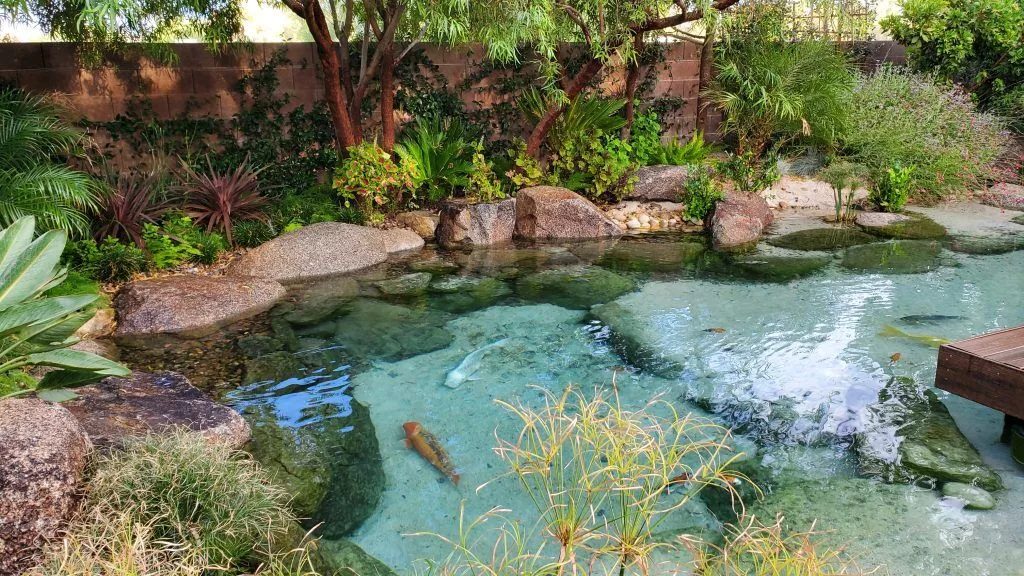
Natural pools, also known as ecosystem pools, offer a completely different approach to swimming pool sanitation. Instead of relying on chemicals like chlorine, they use plants and gravel beds to filter and purify the water. This creates a more natural and harmonious swimming environment.
The system works by circulating water through a constructed wetland area filled with aquatic plants. These plants absorb nutrients and pollutants, keeping the water clean and clear. Gravel beds provide a surface for beneficial bacteria to thrive, further aiding in the filtration process. Common plants used in natural pools include water lilies, cattails, and reeds.
Natural pools offer aesthetic benefits and appeal to homeowners seeking a more natural swimming experience. However, they do require careful maintenance. It's important to regularly remove debris and prune plants to ensure optimal filtration. Concerns about algae and water clarity are valid, but can be addressed with proper design and maintenance. Regional regulations regarding natural pools vary, so it's important to check local codes before installing one.
New rules and financial incentives
Regulations surrounding pool construction and water usage are becoming increasingly stringent. Lake County, IL (lakecountyil.gov) has detailed inspection requirements for swimming facilities, focusing on safety and sanitation. Connecticut’s building codes (portal.ct.gov) also emphasize the importance of energy efficiency and water conservation in pool design and operation.
These regulations are driving the demand for sustainable pool options. Builders and homeowners are now required to consider the environmental impact of their choices, leading to increased adoption of eco-friendly materials and technologies. We’re seeing more emphasis on water-efficient filtration systems, energy-saving pumps, and responsible chemical management.
Government incentives and rebates are also becoming available to encourage the adoption of sustainable pool practices. Some states and municipalities offer tax credits for installing solar pool heaters or energy-efficient pumps. These incentives can help offset the initial cost of these technologies, making them more accessible to homeowners. However, it's crucial to remember that regulations and incentives vary significantly by location. Homeowners should always check with their local authorities to determine what applies to their situation.
Deck is around 1/3 of pool and has to be removed for new pool installation. Once new pool is in, deck can be reinstalled, but it isn’t built to todays code. This meaning it requires an entirely new deck, and that was denied.
— Patrick Finley (@PatFinley1982) May 1, 2026

No comments yet. Be the first to share your thoughts!