

where the energy goes
It's a frustrating scenario: you open your electricity bill after a long, hot summer and are shocked by the cost. Pools are wonderful, but they can be energy intensive. Many homeowners aren’t aware of exactly where that energy is going. Understanding this is the first step toward reducing your pool’s operating costs.
The biggest energy consumers are typically the pump, the heater, the lights, and automatic pool cleaners. The pump is almost always the largest culprit, often accounting for over 75% of pool energy use. Older, single-speed pumps run constantly, regardless of whether the pool needs circulation. This is a huge waste of electricity.
Heating the water, if you live in a climate that requires it, is another significant draw. Lighting, especially older halogen bulbs, can add up over time. Even automatic cleaners use electricity, though generally less than the other components. Regional climate plays a big role, too; warmer regions focus more on cooling and circulation, while cooler areas prioritize heating.
According to Bob Lowry, a pool expert featured on YouTube, understanding these energy drains allows you to target upgrades for maximum impact. Ignoring these areas means continuing to pay a premium for pool enjoyment.
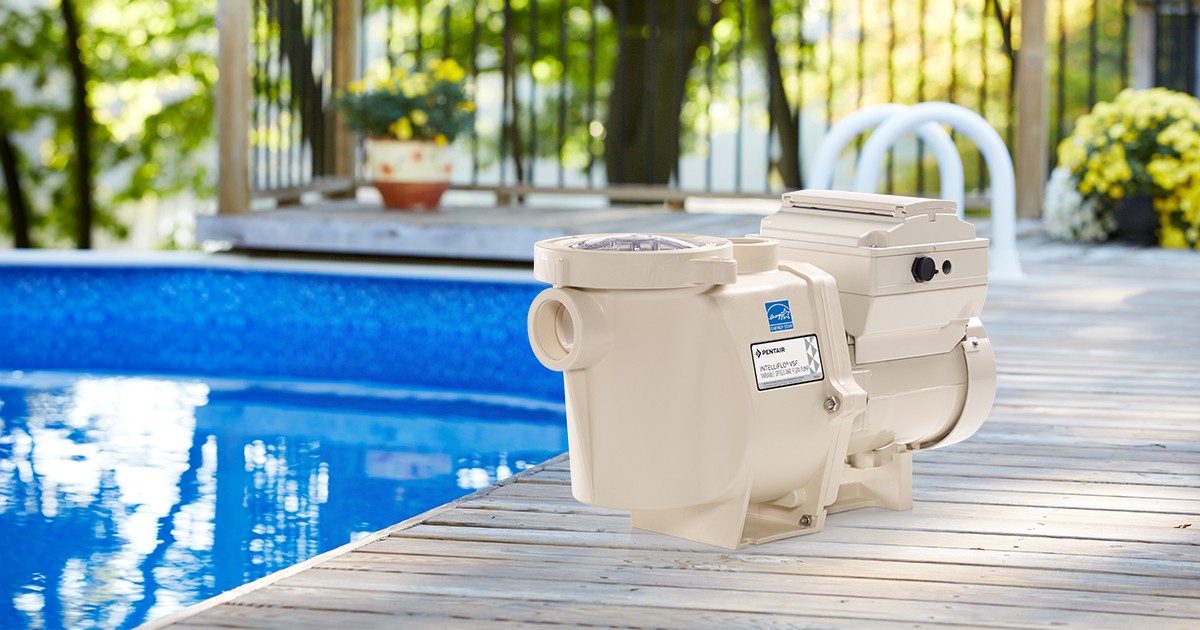
variable speed pumps are the best upgrade
If you're serious about reducing your pool’s energy consumption, a variable speed pump is the single most impactful upgrade you can make. These pumps don’t just run at one speed; they allow you to adjust the flow rate to match the pool’s needs. Think of it like driving a car – you don’t always need to be at top speed.
The physics are simple. Pump energy consumption is proportional to the cube of the speed. This means that halving the pump speed reduces energy use by a factor of eight. Running a pump at a lower speed for a longer period can provide the same level of circulation as running it at high speed for a short time, but with significantly less energy consumption.
Energy Star data shows these pumps cut energy use by 80%. In many states, utility companies write checks to cover the upgrade cost because it takes so much strain off the grid. I've seen rebates range from $200 to $600 depending on the model.
Installation is generally best left to a qualified pool professional, but some experienced DIYers may be able to handle it. It’s crucial to ensure proper wiring and plumbing connections. Improper installation can void warranties and create safety hazards.
- Search the Energy Star database for your specific zip code to find local utility credits.
- Local Utility Incentives: Contact your local electricity and gas providers.
choosing a heater
Pool heaters extend the swimming season, but they can also be a major energy drain. There are three main types to consider: gas heaters, electric heat pumps, and solar heaters. Each has its own advantages and disadvantages.
Gas heaters are typically the least expensive to purchase, but they have the highest operating costs. They heat water quickly, but natural gas prices can fluctuate. Electric heat pumps are more efficient than gas heaters, using electricity to move heat rather than generate it. However, their performance decreases as the air temperature drops, making them less effective in colder climates.
Solar heaters are the most environmentally friendly option, using the sun's energy to heat the water. They have very low operating costs, but require a significant upfront investment and sufficient roof space. Newer heat pump technologies are improving performance in colder climates. Look for models with built-in defrost cycles and enhanced heat exchangers.
Proper heater sizing is crucial for efficiency. An undersized heater won’t be able to maintain the desired temperature, while an oversized heater will cycle on and off frequently, wasting energy. Consult with a pool professional to determine the right size heater for your pool and climate.
automation and scheduling
Pool automation systems offer a convenient way to control all aspects of your pool, from the pump and heater to the lights and cleaners. But beyond convenience, these systems can also significantly reduce energy consumption.
Features like scheduling pump run times allow you to optimize circulation based on usage patterns. You can set the pump to run at lower speeds during off-peak hours, taking advantage of lower electricity rates. Similarly, you can program the heater to operate only when needed, based on temperature settings and schedules.
Remote management capabilities let you monitor and control your pool from anywhere with a smartphone or tablet. This is particularly useful for adjusting settings while you’re away on vacation or unexpectedly experiencing temperature changes. Many systems are now compatible with popular smart home ecosystems like Alexa and Google Home.
While the initial investment in an automation system can be substantial, the long-term energy savings and increased convenience often outweigh the cost. Consider systems that offer granular control over individual components for maximum efficiency.
Featured Products

Integrated control for pool and spa functions · Includes IC40 salt chlorine generator · 8 programmable functions for customized automation
This comprehensive system allows for precise management of pool and spa operations, including heating and filtration cycles, to optimize energy usage and reduce costs.

Wireless remote control for OmniLogic pool automation · Waterproof design for poolside use · Intuitive interface for managing pool features
Provides convenient, wireless access to pool controls, enabling users to adjust settings remotely and ensure efficient operation without needing to be at the main panel.

Replacement service controller for Jandy Aqualink RS One Touch · Includes PCB, buttons, LCD, and LED display · Designed for easy installation with included cable and screws
Ensures the continued efficient operation of your Jandy Aqualink system, allowing for precise control over pool functions that directly impact energy consumption.

Mineral sanitizer for hot tubs and swim spas · Uses silver, copper, and zinc ions to reduce chlorine demand · Installs quickly and plugs directly into the spa pack
This system supplements traditional sanitization, allowing for lower chemical levels and potentially reduced pump run times by maintaining water purity with natural minerals.

Genuine Sundance Spas replacement valve · Specific part number 6540-568 · Ensures proper water flow and system function
Maintaining the integrity of your spa's plumbing with genuine parts ensures optimal water flow and system efficiency, preventing energy waste from leaks or malfunctions.
As an Amazon Associate I earn from qualifying purchases. Prices may vary.
LED Lighting: Brightness Without the Burn
Switching to LED pool lighting is a simple yet effective way to reduce energy consumption. LEDs use up to 80% less energy than traditional halogen bulbs, while providing the same level of brightness. They also have a much longer lifespan, reducing the need for frequent replacements.
The cost of LEDs has come down significantly in recent years, making them an affordable option for most pool owners. Different LED lighting options are available, including underwater lights, landscape lighting, and color-changing LEDs. Color-changing LEDs can add a fun and aesthetic touch to your pool area.
When selecting LED lights, look for models that are specifically designed for underwater use and meet relevant safety standards. Proper installation is essential to prevent electrical hazards. Be sure to follow the manufacturer's instructions carefully.
Beyond energy savings, LEDs offer improved light quality and durability. They are less prone to fading and corrosion than halogen bulbs, ensuring years of reliable performance.
Filter and Cleaner Efficiency
While not as energy-intensive as pumps or heaters, filters and cleaners still contribute to overall energy use. Proper filter maintenance is crucial for optimal performance. A dirty filter restricts water flow, forcing the pump to work harder.
There are three main types of pool filters: sand, cartridge, and diatomaceous earth (DE). Cartridge filters generally require the least amount of energy to operate, while DE filters offer the highest level of filtration. Sand filters are the easiest to maintain, but they are also the least efficient.
Robotic pool cleaners are a more energy-efficient alternative to traditional suction-side cleaners, which rely on the pool pump to power them. Robotic cleaners have their own motors and filters, reducing the load on the pump. Variable-speed robotic cleaners offer even greater energy savings.
Regularly cleaning or backwashing your filter will ensure optimal performance and reduce energy consumption. Ignoring filter maintenance can lead to increased pump wear and tear, ultimately costing you more money in the long run.
Inspection Checklist: Spotting Inefficiencies
Proactively identifying potential energy inefficiencies can save you money and extend the lifespan of your pool equipment. Regular inspections are key. The InterNACHI® Pool and Spa Inspection Standards of Practice provide a good framework for a thorough assessment.
Start by checking the pump for leaks around the seals and connections. Inspect the filter for debris and proper backwashing or cleaning. Verify that the heater is operating efficiently and that the thermostat is set correctly. Assess the lighting efficiency by noting the type of bulbs used and their condition.
Look for signs of corrosion or damage to any of the equipment. Listen for unusual noises that could indicate a problem. Check the pool’s automation system to ensure that all settings are optimized for energy savings. A professional pool inspection can provide a more detailed assessment.
Addressing small issues promptly can prevent them from escalating into larger, more costly problems. Regular maintenance is not only good for your wallet but also for the overall health and longevity of your pool.
- Pump Seals: Check for leaks.
- Filter Condition: Inspect for debris and proper cleaning.
- Heater Settings: Verify temperature and operation.
- Lighting Efficiency: Note bulb type and condition.

No comments yet. Be the first to share your thoughts!