

The shift toward sustainable pools
Pool owners are moving away from the high-maintenance chemical pits of the past. Most people I talk to want a backyard that doesn't drain their bank account or the local water table. It is a practical shift toward systems that actually last.
Traditional pool maintenance can be resource-intensive. The chemicals needed to keep the water balanced – chlorine being the most common – have environmental impacts, and the energy required to run pumps and heaters adds up. Beyond the direct impact, the way we build and maintain pools affects the larger landscape around our homes.
The idea of an "eco-friendly’ pool can mean different things. For some, it’s about minimizing chemical use. For others, it’s about reducing energy consumption. And for still others, it’s about the materials used in construction. We"ll focus on all three: exploring sustainable materials, energy-efficient systems, and alternative approaches to water treatment.
Ultimately, choosing a more sustainable pool isn't about sacrificing enjoyment. It’s about making a responsible choice that benefits both your wallet and the planet. It’s about recognizing that our pools are part of a larger ecosystem, and treating them accordingly.
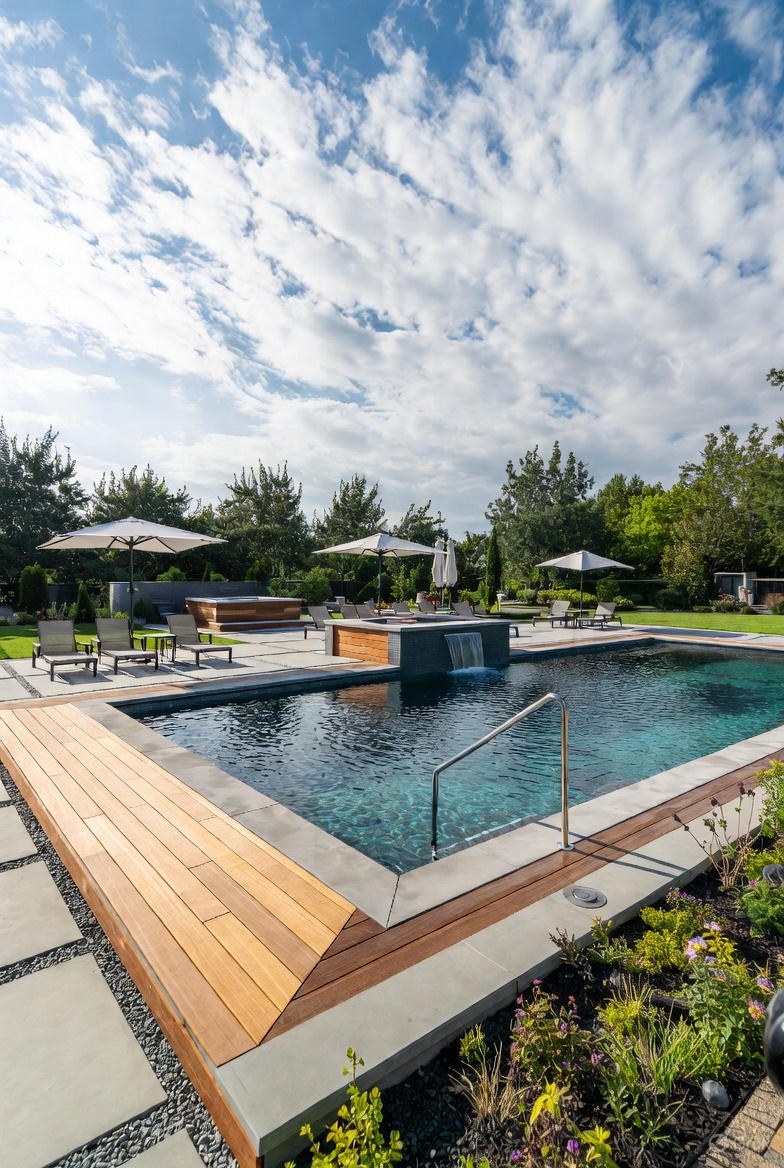
Greener materials for the pool shell
For decades, concrete has been the standard material for in-ground pools. But it’s not without its drawbacks. Concrete production is energy-intensive, and it contributes to greenhouse gas emissions. Fortunately, there are now several viable alternatives for building a more sustainable pool shell.
Fiberglass pools are a popular choice. They're incredibly durable and require fewer chemicals to maintain because the non-porous surface resists algae growth. While the initial cost can be higher than concrete, the long-term savings on chemicals and maintenance can offset that expense. They also install much faster than concrete pools, minimizing disruption to your yard.
Vinyl liner pools offer another option, particularly when you select liners made with recycled content. While vinyl isn’t as durable as fiberglass, it’s a more affordable option, and the liners themselves are becoming increasingly eco-conscious. Keep in mind that liners will need to be replaced periodically, usually every 8-12 years.
Looking beyond these established options, we’re seeing some truly innovative materials emerge. Natural stone pools, constructed with carefully selected and fitted stones, offer a beautiful and natural aesthetic. Rammed earth construction, using compacted layers of earth, gravel, and clay, is another promising technique, though it requires specialized expertise.
Mycelium—the root structure of mushrooms—is the newest experiment in pool shells. Companies are growing these roots into biodegradable forms that are surprisingly strong. Since the tech is new, we don't have data on how a mushroom pool holds up after ten years of water pressure, so treat it as an experimental risk for now.
Here's a quick comparison of some of these materials:
- Concrete is the traditional choice but carries a high carbon footprint.
- Fiberglass costs more upfront but stays clean with fewer chemicals.
- Vinyl Liner: Affordable, requires periodic replacement, recycled options available.
- Natural Stone: Beautiful, natural, requires specialized construction.
- Rammed Earth: Sustainable, requires expertise, durability still being tested.
- Mycelium: Emerging technology, biodegradable, long-term performance unknown.
Eco-Friendly Pool Shell Material Comparison - 2026
| Material | Environmental Impact | Initial Cost | Durability | Aesthetic Versatility | Installation Complexity |
|---|---|---|---|---|---|
| Concrete | Higher carbon footprint due to cement production; potential for chemical leaching. | Moderate | High, but requires periodic resurfacing | Very High - wide range of shapes, sizes, and finishes. | High - requires skilled labor and significant forming. |
| Fiberglass | Lower carbon footprint than concrete; manufacturing process can generate waste. | Moderate to High | Very High - generally requires less maintenance. | Moderate - limited by mold designs. | Moderate - relatively quick installation. |
| Vinyl | PVC production has environmental concerns; liner replacement needed. | Lower | Moderate - prone to punctures and tears. | Moderate - pattern options available, but limited texture. | Lower - generally faster and less complex than concrete. |
| Natural Stone | Variable impact depending on sourcing; potential for habitat disruption during quarrying. | Higher | Very High - naturally durable. | High - unique and aesthetically pleasing, but limited shape options. | High - requires specialized stonemasons. |
| Rammed Earth | Low impact if locally sourced; utilizes natural materials. | Moderate | Moderate to High - requires proper compaction and sealing. | Moderate - natural, earthy aesthetic; color variations. | High - labor intensive and requires expertise. |
| Mycelium | Very low impact; biodegradable and renewable resource (emerging technology). | Potentially Moderate to High (currently developing) | Currently Unknown - long-term durability is still being researched. | Moderate - can be molded into various shapes, but aesthetic options are limited. | Moderate to High - requires controlled growing environment and specialized processing. |
Qualitative comparison based on the article research brief. Confirm current product details in the official docs before making implementation choices.
Water Conservation: Reducing Your Pool's Footprint
Water is a precious resource, and pool owners have a responsibility to minimize waste. Fortunately, there are several effective strategies for reducing your pool's water footprint. A simple yet effective method is using a pool cover. Automatic covers are convenient, but manual covers are a more affordable option and still provide significant water savings.
Solar covers are particularly useful for reducing evaporation, especially in warmer climates. They also help to retain heat, reducing energy consumption for heating. Beyond covers, consider implementing a rainwater harvesting system to collect rainwater for refilling your pool. This is a great way to reduce your reliance on municipal water supplies.
Efficient filtration systems are also crucial. Cartridge filters generally use less water during backwashing than traditional sand filters. Upgrading to a variable-speed pump is one of the most impactful things you can do. These pumps allow you to run the pump at lower speeds for longer periods, significantly reducing energy consumption and water loss from splashing.
Greywater recycling – reusing water from showers, sinks, and washing machines – is another option, but it’s important to check local regulations, as these vary widely. Even small changes, like regularly checking for and repairing leaks, can add up to substantial water savings over time. A small drip can waste gallons of water each day.
Efficient heating and circulation
Heating and circulation are two of the biggest energy consumers when it comes to pool ownership. Fortunately, there are numerous ways to reduce your pool’s energy footprint. Solar pool heaters are a fantastic option, utilizing the sun’s energy to warm the water. Unglazed solar collectors are the most affordable, while glazed collectors are more efficient in cooler climates.
Heat pumps are another energy-efficient alternative to traditional gas heaters. They work by transferring heat from the air to the pool water, and they can be up to four times more efficient than gas heaters. The initial cost of a heat pump is higher, but the long-term energy savings can be significant.
Variable-speed pumps are essential for energy savings. Unlike single-speed pumps that run at full power all the time, variable-speed pumps allow you to adjust the pump speed to match the demands of the pool. Running the pump at a lower speed for longer periods uses significantly less energy and reduces wear and tear on the pump.
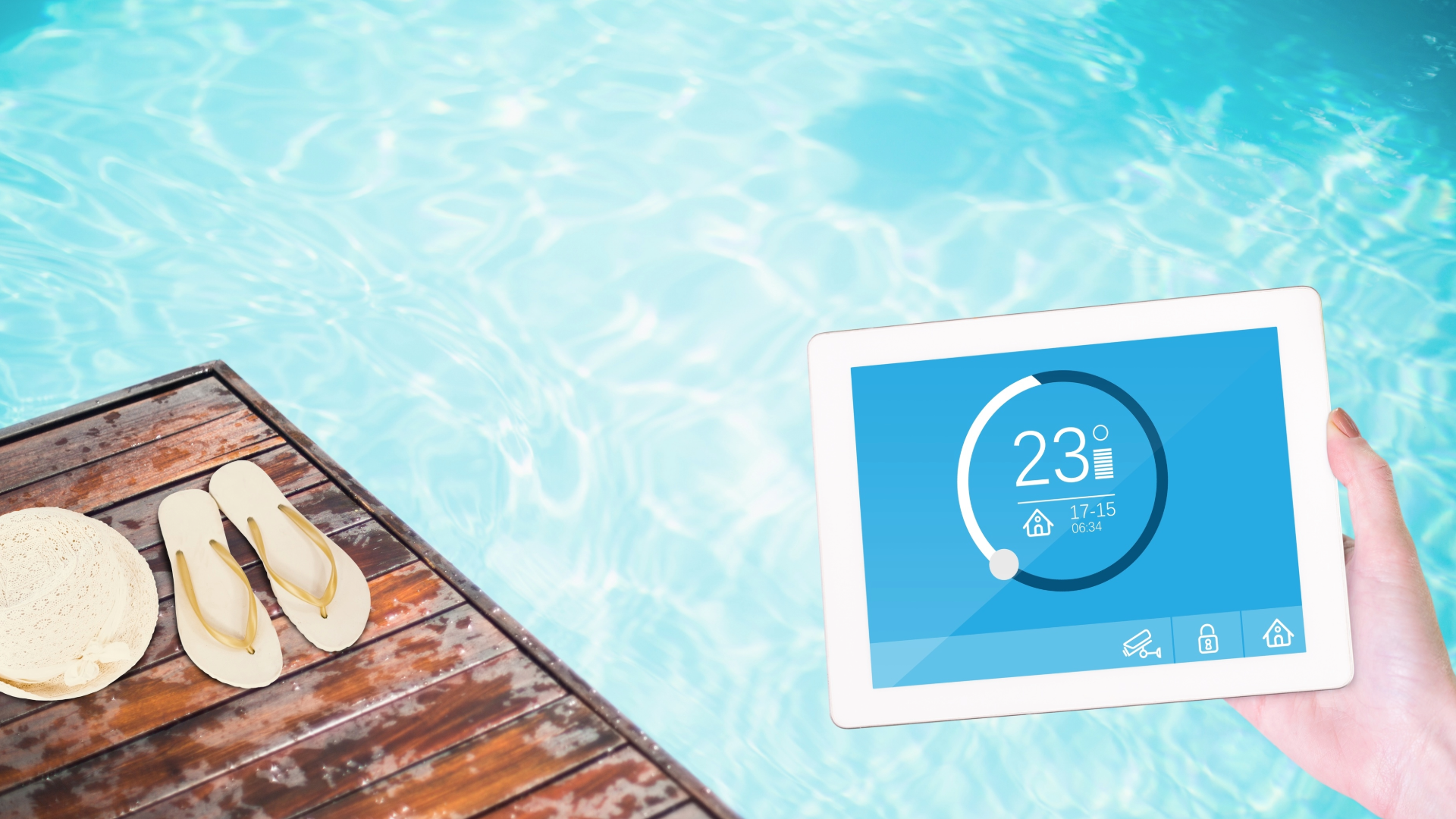
Automated pool control systems can further optimize energy usage. These systems allow you to schedule pump run times, adjust heater settings, and monitor water chemistry remotely. Some newer systems can even predict usage patterns and adjust accordingly, maximizing energy efficiency. They can also alert you to potential problems, like leaks or equipment malfunctions, before they become major issues.
Combining these technologies – solar heating, a heat pump, a variable-speed pump, and an automated control system – can dramatically reduce your pool’s energy consumption and lower your utility bills. It’s an investment that pays off both financially and environmentally.
Chemical Alternatives: A Healthier Approach
Traditional chlorine and bromine are effective sanitizers, but they can also cause skin and eye irritation, and they contribute to the formation of harmful byproducts. Fortunately, there are several alternative sanitization methods available. Salt water chlorinators are a popular choice, but it’s important to understand that they don’t eliminate chlorine entirely. They simply generate chlorine from salt through electrolysis.
UV (ultraviolet) systems use UV light to kill bacteria and algae, reducing the need for chlorine. Ozone generators produce ozone, a powerful oxidizer that also disinfects the water. Mineral sanitizers use minerals like silver and copper to inhibit bacterial growth.
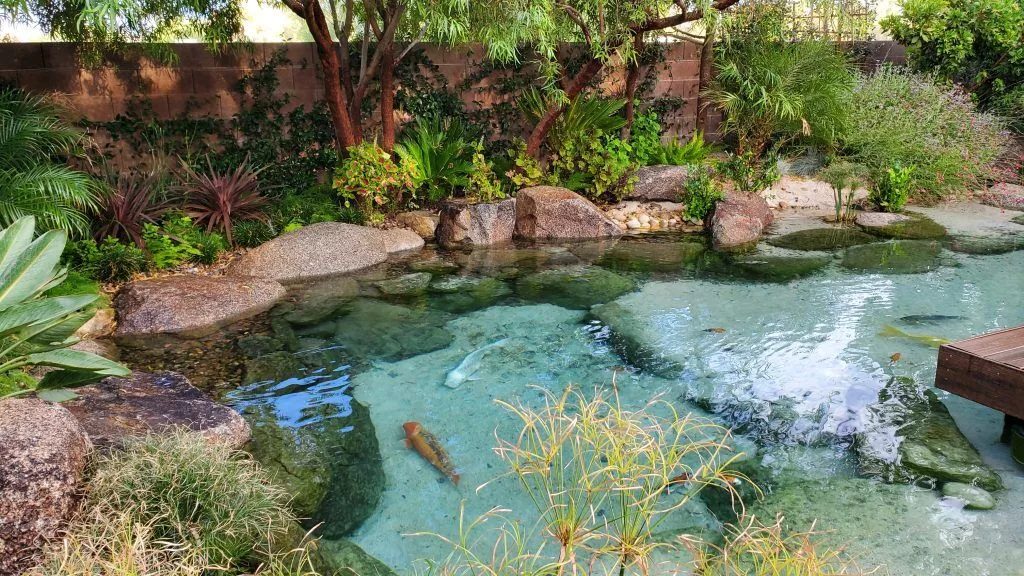
Plant-based filtration uses aquatic life to scrub the water clean. These systems look great and balance themselves once established, but they aren't a 'set it and forget it' solution. You still have to manage the biology to keep the water clear.
The effectiveness of each method varies depending on factors like pool size, usage, and climate. It's important to research each option carefully and choose the one that best suits your needs. Combining multiple methods – for example, a UV system with a lower dose of chlorine – can often provide the best results. Remember to regularly test your water chemistry, regardless of the sanitation method you choose.
Landscaping for a Sustainable Pool Environment
The landscaping surrounding your pool plays a significant role in its overall sustainability. Choosing drought-tolerant plants reduces the need for watering, and it minimizes runoff, preventing pollutants from entering the pool. Creating a natural buffer zone with trees and shrubs can also help to filter pollutants and provide shade, reducing evaporation.
Permeable paving options, such as gravel or porous concrete, allow rainwater to seep into the ground, reducing runoff and replenishing groundwater supplies. Native plants are particularly beneficial, as they’re adapted to the local climate and require less maintenance. They also attract pollinators and support local ecosystems.
Consider incorporating a bioswale – a shallow, vegetated channel – to filter pool overflow and rainwater runoff. This can help to remove pollutants before they enter the pool or the surrounding environment. Careful landscaping can not only enhance the beauty of your pool area but also contribute to a more sustainable and environmentally friendly backyard.
Drought-Tolerant Pool Landscaping
- Lavender (Lavandula) - Beloved for its fragrant blooms and silvery foliage, lavender thrives in full sun and well-drained soil, requiring minimal water once established. It also attracts pollinators.
- California Poppy (Eschscholzia californica) - The state flower of California, these vibrant orange blooms are incredibly drought-tolerant and self-seed readily, providing a cheerful display with little effort.
- Sedum (Stonecrop) - Available in a wide variety of colors and textures, sedums are succulents that store water in their leaves, making them exceptionally drought-resistant. They prefer full sun.
- Yarrow (Achillea millefolium) - Yarrow features fern-like foliage and clusters of small flowers in shades of white, yellow, or pink. It’s highly adaptable and tolerates poor soil conditions.
- Rosemary (Salvia rosmarinus) - This fragrant herb is not only useful in the kitchen but also a beautiful and drought-tolerant addition to poolside landscaping. It prefers full sun and well-drained soil.
- Rockrose (Cistus) - Rockrose offers showy, rose-like flowers and silvery-green foliage. It’s extremely drought-tolerant and prefers rocky or sandy soil.
- Verbena (Verbena) - Many verbena varieties are drought-tolerant, offering clusters of colorful flowers that attract butterflies. They prefer full sun and well-drained soil.
No comments yet. Be the first to share your thoughts!