

Pool Safety: 2026 Inspection Focus
Pool safety standards are always evolving, and 2026 will bring a new wave of updates designed to further protect swimmers. These changes aren't just about stricter regulations; they’re about preventing accidents and saving lives. Proactive pool inspection is becoming increasingly important, not simply to avoid potential fines, but to ensure the well-being of everyone who uses your pool. It's something I strongly believe in, considering the potential consequences.
Much of the groundwork for these changes comes from the CDC’s Model Aquatic Health Code (MAHC). While the MAHC isn't a federal law, it serves as a model for state and local regulations across the country. States and municipalities adopt and adapt sections of the MAHC to fit their specific needs, so understanding its principles is key to understanding the coming changes. The MAHC emphasizes a multi-barrier approach to safety, addressing everything from water quality to physical barriers.
Ignoring these standards can have serious repercussions. Beyond the legal ramifications, a poorly maintained or unsafe pool poses a significant risk to swimmers, especially children. I’ve seen firsthand the devastating impact of pool-related accidents, and that’s why I advocate for regular, professional inspections. Don't wait for an incident to occur – take preventative measures now to ensure a safe swimming environment for your family and friends.
Circulation System Scrutiny
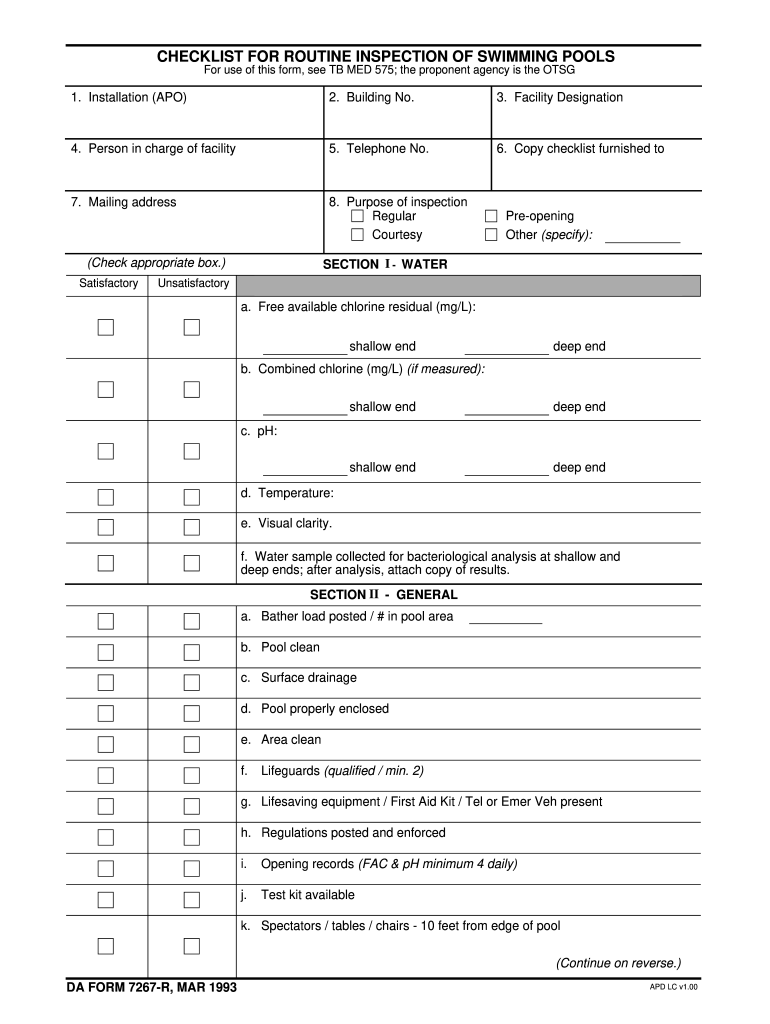
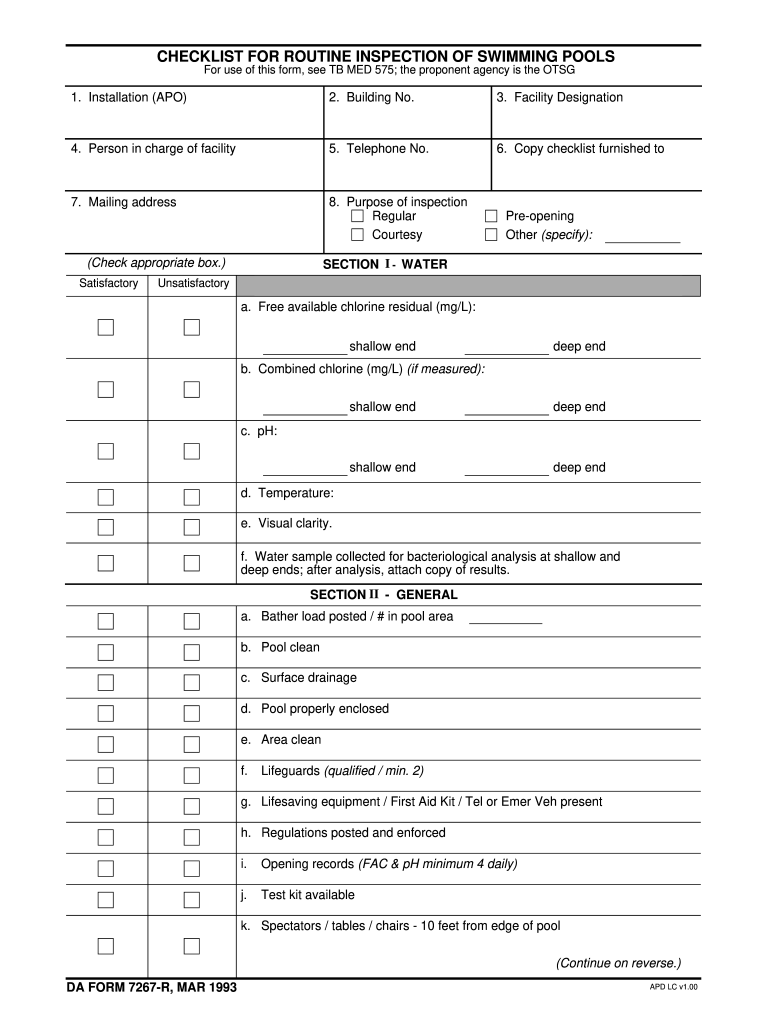
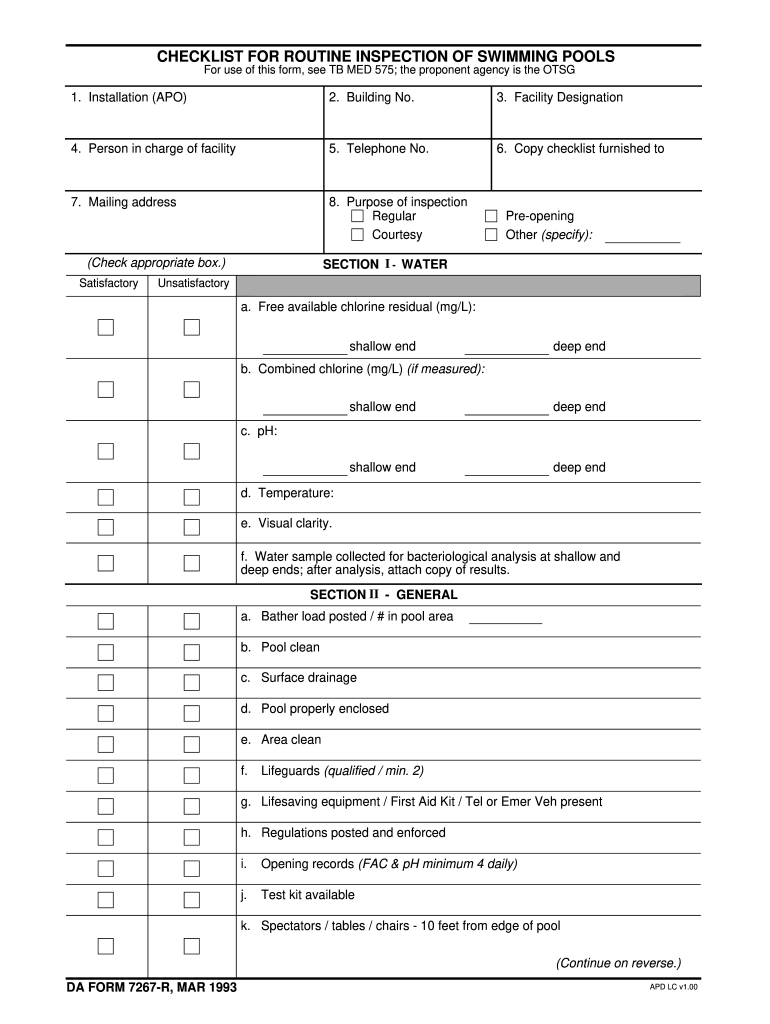
A properly functioning circulation system is the heart of a healthy pool. During a pool inspection, a significant amount of time is spent evaluating this system. Inspectors will verify the pump is operating efficiently and delivering adequate flow rates, typically measured in gallons per minute. They’ll also assess the condition of the filter – whether it’s a sand, cartridge, or diatomaceous earth (DE) filter – looking for signs of wear, damage, or improper maintenance. A dirty or malfunctioning filter drastically reduces water quality.
Skimmer integrity is also a key focus. Inspectors will check that skimmers are not cracked or damaged, and that they are effectively removing debris from the water surface. Return jets will be examined to ensure they are properly positioned and delivering water flow throughout the pool. Inadequate circulation can create dead spots where algae can grow and sanitizers become less effective. This is a common issue I encounter during inspections.
The rise of variable speed pumps has added another layer to circulation system inspections. Inspectors will verify that these pumps are programmed correctly and operating at appropriate speeds to balance energy efficiency with effective circulation. They’ll also check for compliance with local energy codes, as many areas now require variable speed pumps for new installations or pump replacements. The proper setup can make a big difference in both cost and cleanliness.
Drain Safety & Entrapment Hazards
The Virginia Graeme Baker Pool and Spa Safety Act (VGB) is arguably the most important piece of legislation regarding pool safety in recent decades. It was enacted to prevent drowning and dismemberment injuries caused by entrapment in pool and spa drains. A professional pool inspection will dedicate considerable attention to VGB compliance. It’s not an area where you want to cut corners.
Inspectors will meticulously check all drain covers to ensure they meet current safety standards. This includes verifying that covers are securely fastened, undamaged, and of the correct type for the specific drain. They will also perform functionality tests to ensure the covers cannot be easily removed by a swimmer. Missing or damaged drain covers pose an immediate and life-threatening risk. I've seen cases where a seemingly minor crack in a cover can create a powerful suction hazard.
Dual-drain systems are another critical aspect of VGB compliance. These systems are designed to equalize water flow and reduce the risk of entrapment. Inspectors will confirm that both drains are functioning properly and that the flow between them is balanced. It’s also important to note that older, single-drain systems often require retrofitting with approved drain covers or conversion to a dual-drain configuration. This is where professional expertise is invaluable.
The potential for entrapment is terrifying. A swimmer can be held underwater by the suction of a faulty drain, and even a strong swimmer may be unable to free themselves. That’s why VGB compliance is not just a legal requirement, it’s a moral imperative.
- Verify drain covers are present and securely fastened.
- Confirm drain covers meet current safety standards (ASME/ANSI A112.19.8).
- Test drain cover functionality to ensure they cannot be easily removed.
- Inspect dual-drain systems for balanced flow.
Water Chemistry & Sanitation Checks
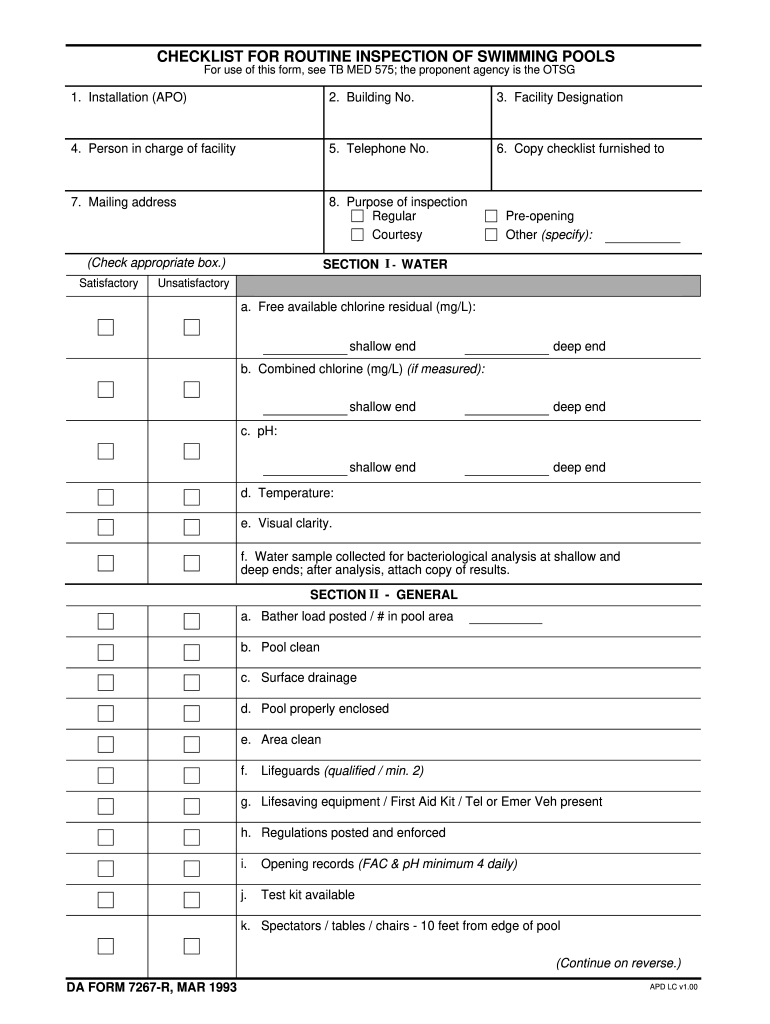
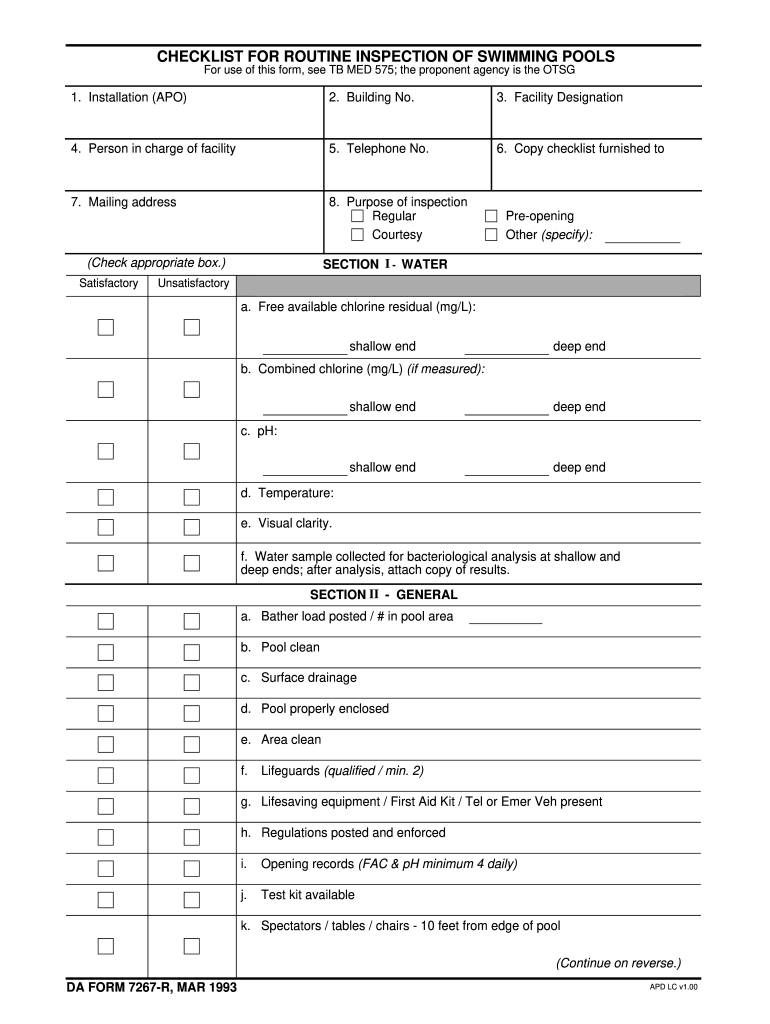
Maintaining proper water chemistry is essential for both swimmer safety and the effectiveness of your sanitation system. During an inspection, several key parameters will be tested. These include pH (ideal range 7.2-7.8), alkalinity (80-120 ppm), calcium hardness (200-400 ppm), and sanitizer levels (chlorine 1-3 ppm, bromine 3-5 ppm). Imbalances can lead to skin and eye irritation, as well as reduce the effectiveness of your chosen sanitizer.
Cyanuric acid (CYA) levels will also be checked. CYA stabilizes chlorine, protecting it from sunlight, but too much CYA can reduce chlorine’s effectiveness. Inspectors will also evaluate the functionality of your sanitation system – whether it’s a traditional chlorine feeder, a salt chlorine generator, a UV system, or another method. They’ll look for proper operation, adequate output, and compliance with manufacturer’s recommendations. I often see issues with salt systems where the salt cell needs cleaning or replacement.
It’s easy to feel overwhelmed by water chemistry, but understanding the basics is crucial. Regular testing and adjustments are necessary to maintain a healthy swimming environment. A professional pool inspection provides a snapshot of your water chemistry and identifies any potential issues before they become serious problems. Remember, clear water doesn’t always mean safe water.
Barrier Integrity: Fences & Gates
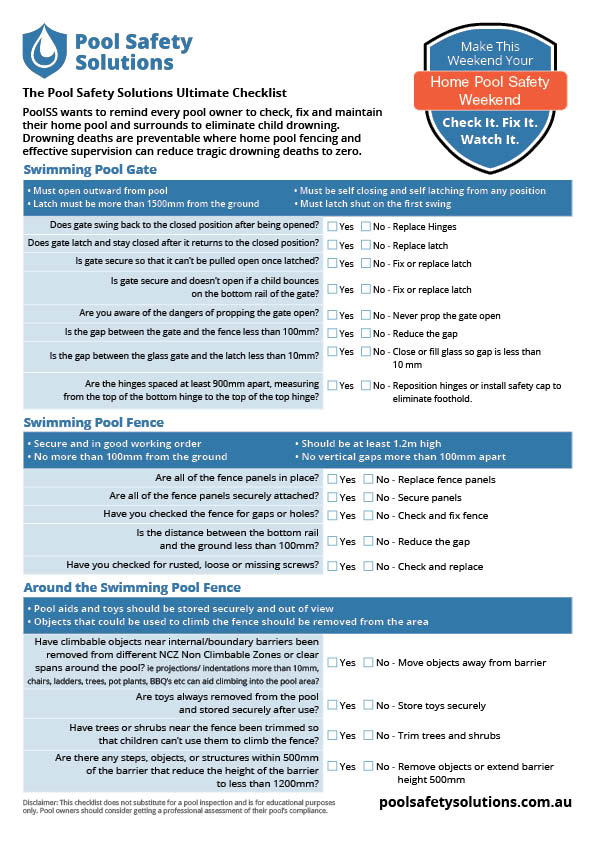
Pool barriers – fences, gates, and alarms – are the first line of defense against accidental drowning. Current safety standards require a pool fence to be at least 4 feet high, non-climbable, and completely surround the pool area. Inspectors will meticulously check fence height, spacing between pickets, and the presence of any potential footholds or climbable structures. A fence with gaps or weaknesses is essentially an invitation to danger.
Gates are a particularly important focus. They must be self-closing and self-latching, with the latch located high enough to be out of reach of young children. Inspectors will test the gate’s functionality to ensure it operates smoothly and securely. I frequently encounter gates that don’t latch properly due to misalignment or corrosion.
Pool alarms and safety covers are also considered important layers of protection. Inspectors will verify that alarms are functioning correctly and that safety covers are in good condition and properly secured. It’s worth noting that alarm requirements vary by location, so it’s important to be aware of your local regulations. Common code violations often relate to latching mechanisms and fence height.
Electrical Safety: Grounding & Bonding
Electricity and water are a dangerous combination. Proper grounding and bonding are essential to prevent electrical shock hazards around pools. Grounding provides a path for electrical current to flow safely to the earth in the event of a fault. Bonding connects all metal components of the pool – ladders, rails, pumps, filters – to equalize electrical potential.
Inspectors will check for adequate grounding of all electrical equipment, including the pump, heater, and lighting. They’ll also verify that all metal components are properly bonded together. Ground Fault Circuit Interrupters (GFCIs) are another critical safety feature. GFCIs quickly shut off power in the event of a ground fault, preventing electrical shock. Inspectors will test all GFCI outlets to ensure they are functioning correctly.
Electrical shock can be fatal, even at low voltages. That’s why these safety measures are so important. If you’re not comfortable working with electricity, it’s best to leave electrical inspections and repairs to a qualified electrician. It’s a risk you simply shouldn't take.
Decking & Surface Condition
The condition of the pool decking and surrounding surfaces is also assessed during an inspection. Inspectors will look for cracks, uneven surfaces, and slippery conditions that could pose a tripping hazard. Proper drainage is essential to prevent water from pooling on the deck, which can create a slippery surface. I often see decks with significant cracking due to seasonal freeze-thaw cycles.
Slip-resistant surfaces are highly recommended, especially around the pool edge. Inspectors may recommend repairs or resurfacing if the deck is excessively worn or slippery. Coping stones and tile around the pool edge will also be inspected for cracks, chips, and loose pieces. These can create sharp edges that could cause injury.
Maintaining a safe and stable deck surface is crucial for preventing accidents. Regular maintenance, including sealing and repairing cracks, can help extend the life of your deck and ensure the safety of swimmers.
2026 Changes: What’s New?
The 2026 updates to pool safety standards are expected to further refine requirements related to drain safety, barrier design, and electrical safety. While the specifics are still being finalized, early indications suggest a greater emphasis on redundancy and fail-safe mechanisms. For example, we’re likely to see stricter requirements for dual-drain systems and more rigorous testing procedures for drain covers.
There’s also discussion around enhancing barrier requirements, potentially including stricter rules regarding gate latching mechanisms and the height of fences. Some jurisdictions are considering requiring self-closing and self-latching gates on all pool enclosures, regardless of the pool’s location. Electrical safety standards are also likely to be updated to reflect the latest advancements in GFCI technology.
Staying ahead of these changes is essential for pool owners. Working with a qualified pool inspector can help you identify potential compliance issues and ensure your pool meets the latest safety standards. The CDC and industry organizations like the Pool & Hot Tub Alliance (PHTA) are good resources for staying informed about upcoming changes. It’s better to be prepared than to face costly repairs and potential legal liabilities.
- Stricter requirements for dual-drain systems.
- More rigorous testing of drain covers.
- Potential for enhanced barrier requirements (gate latches, fence height).
- Updates to GFCI technology standards.
Pool Safety Standards: 2024 vs. Projected 2026
| Feature | 2024 Standard | 2026 Projected Standard | Impact for Pool Owners |
|---|---|---|---|
| Drain Covers | ASME/ANSI A112.19.8-2007 standard for drain covers; focus on preventing entrapment. | Continued enforcement of ASME/ANSI A112.19.8, with increased scrutiny on dual-drain systems and potential for suction hazards. | Pool owners with older drains may need to upgrade to meet current standards. Regular professional inspections are crucial. |
| Pool Fencing | Requirements vary by local jurisdiction, generally including a minimum height of 4 feet and self-closing, self-latching gates. | Trend towards stricter fencing requirements, potentially including gate alarm integration and increased focus on non-climbable designs. | Potential need to modify existing fencing to comply with evolving local codes. Emphasis on gate functionality and latch security. |
| Pool Alarms | Many jurisdictions require alarms for pool access, particularly for children. Types include surface wave detection, subsurface disturbance, and door/gate alarms. | Increased adoption of standardized alarm testing protocols and potential requirements for alarms that differentiate between intentional and unintentional disturbances. | Pool owners may need to ensure alarms are regularly tested and maintained, and potentially upgrade to models meeting new standards. |
| Electrical Safety | Ground Fault Circuit Interrupter (GFCI) protection required for all 120-volt receptacles within a specified distance of the pool. | Continued emphasis on GFCI protection, with potential expansion of requirements to include underwater lighting and other electrical components. Focus on proper bonding and grounding. | Pool owners should ensure all electrical systems are inspected by a qualified electrician to verify compliance and safety. |
| Water Chemistry & Circulation | Regular testing and maintenance of water chemistry (pH, chlorine, alkalinity) and proper circulation are expected. | Continued emphasis on maintaining proper water chemistry, with increased awareness of disinfection byproducts and alternative sanitization methods. | Pool owners will need to maintain diligent water testing and balancing routines, potentially exploring advanced monitoring systems. |
| Signage | Clear signage regarding pool rules, emergency procedures, and water depth is generally required. | Potential for more standardized signage requirements, including specific warnings about drain safety and the dangers of diving. | Pool owners may need to update signage to ensure it meets current best practices and legal requirements. |
Illustrative comparison based on the article research brief. Verify current pricing, limits, and product details in the official docs before relying on it.
No comments yet. Be the first to share your thoughts!