

The shift toward automated checks
For decades, pool inspections have relied heavily on visual assessments done by trained professionals. This method, while valuable, isn't without its drawbacks. Human error is a factor, and subjectivity can creep into evaluations. A thorough inspection is also time-consuming, and the sheer volume of pools needing regular checks creates a logistical challenge. We’re seeing a real shift now, though—a move towards incorporating artificial intelligence into the process.
These systems don't replace an inspector; they act as a second set of eyes. While the CDC’s Pool Inspection Toolkit sets the baseline for water chemistry and drain safety, software can catch the tiny details a person might miss after a long day in the sun. It's about adding precision to the existing safety standards.
By 2026, I expect to see AI becoming a standard component of professional pool inspections. We’re already seeing early adopters embracing the technology, and as costs come down and the technology matures, wider adoption is inevitable. The goal isn't just faster inspections, but better inspections—ones that identify potential problems before they escalate into costly repairs or, worse, safety hazards. It's about moving from reactive maintenance to proactive prevention.
The potential benefits are significant. AI brings the possibility of standardized, data-driven assessments. This means less reliance on individual interpretation and a more consistent level of quality across all inspections. It allows us, as Aquatic Inspections, to provide our clients with more reliable and defensible reports. This isn’t just a technological upgrade; it's a fundamental change in how we approach aquatic facility maintenance.
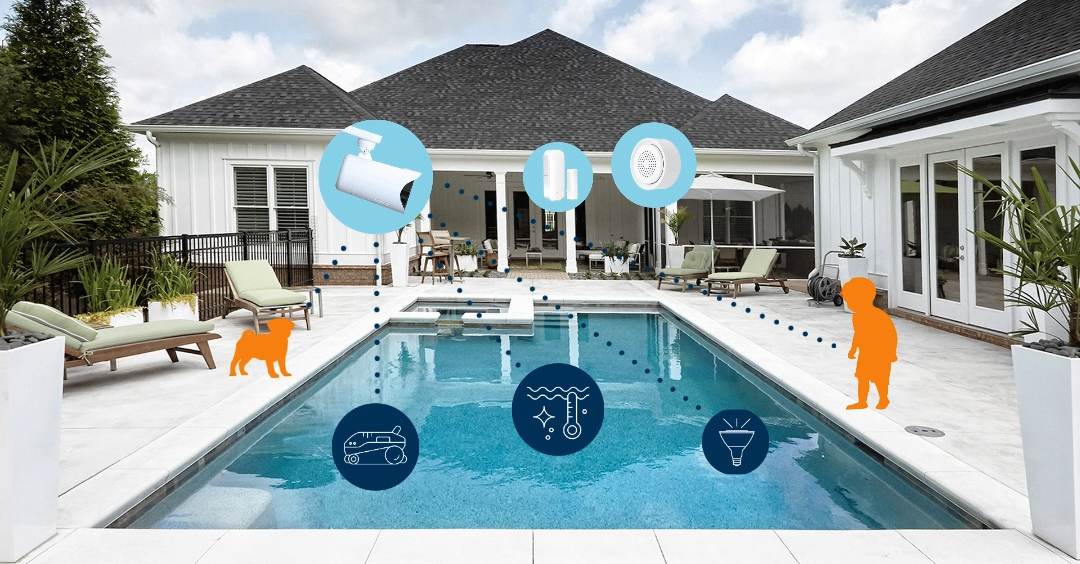
Drones and sensors in the water
At the heart of AI pool inspections are several key technologies working in concert. Underwater drones, or remotely operated vehicles (ROVs), are becoming increasingly common. These aren’t your typical hobbyist drones; they’re purpose-built for underwater environments, equipped with high-resolution cameras and sensors. They allow for detailed visual inspections of pool surfaces, even in hard-to-reach areas.
Advanced imaging techniques are also vital. Multispectral imaging can detect subtle differences in material composition, revealing hidden cracks or corrosion that are invisible to the naked eye. Thermal imaging can identify temperature variations, which can indicate leaks or insulation problems. These imaging systems generate a tremendous amount of data, which is where computer vision comes in.
Computer vision algorithms are trained to recognize specific defects – cracks, leaks, tile damage, and more. These algorithms analyze the images captured by the drones and cameras, automatically flagging potential problems for further review. Sensor data analysis is another crucial component. Sensors can measure water chemistry, pressure, and other parameters, providing valuable insights into the pool's overall health.
These tools still need a person to run them. You have to deploy the drone, check the data, and make sure the software isn't hallucinating a crack where there's just a shadow. It is an expensive setup, but catching one major leak early usually covers the cost of the gear.
- Underwater drones (ROVs) for close-up video of the pool floor.
- Multispectral imaging to spot structural decay in the concrete.
- Thermal Imaging: Identifies temperature variations indicating leaks.
- Computer Vision: Automatically flags potential problems in images.
- Sensor Data Analysis: Monitors water chemistry and other parameters.
Finding invisible defects
One of the biggest advantages of AI-powered inspections is its ability to detect defects that are often missed by human inspectors. Hairline cracks, for example, can be incredibly difficult to spot with the naked eye, especially in tiled surfaces. AI algorithms, however, can be trained to identify these subtle imperfections with a high degree of accuracy.
Early stages of corrosion are another area where AI excels. Corrosion often starts as a microscopic process, and it can take months or even years for it to become visible. AI can detect the telltale signs of corrosion much earlier, allowing for proactive treatment before the damage becomes extensive. Hidden leaks behind tiles are notoriously difficult to find, but AI, using thermal imaging and pressure sensors, can pinpoint their location with greater precision.
Subtle variations in surface texture can also indicate potential problems. For instance, a slight bulge in the pool liner could be a sign of an underlying structural issue. AI can analyze these variations and flag them for further investigation. The ability to analyze vast amounts of data – far more than any human could process – allows for earlier and more accurate detection.
This level of accuracy is particularly important when it comes to insurance claims. As swimmingpoolinspect.com highlights, accurate reporting is crucial for insurance adjusters. AI-powered inspections provide a detailed and objective record of the pool's condition, which can help streamline the claims process and reduce disputes.
Predicting repairs before they happen
AI doesn’t just identify existing problems; it also analyzes data to predict future issues. By tracking corrosion rates over time, for example, AI can estimate how long it will take for a particular component to fail. Similarly, monitoring water chemistry trends can reveal imbalances that could lead to algae growth or equipment damage. Identifying patterns is key—AI can spot subtle changes that a human might overlook.
This leads to the concept of predictive maintenance – proactively addressing issues before they become major (and expensive) repairs. Instead of waiting for a pump to fail, for example, AI can identify early warning signs, such as increased vibration or declining performance. This allows pool operators to schedule preventative maintenance, minimizing downtime and extending the life of the equipment.
The potential for cost savings is significant. Replacing a pump costs far more than performing routine maintenance. Predictive maintenance can also improve safety by preventing catastrophic failures. A sudden pump failure could create a dangerous situation for swimmers. The improved lifespan of the pool itself is also a major benefit, reducing the need for costly renovations.
The data collected during AI inspections can also be used to optimize pool operations. Analyzing water usage patterns, for example, can help identify leaks and reduce water waste. It’s a holistic approach to pool management, leveraging data to improve efficiency, safety, and sustainability.
The human role in a digital process
AI-powered inspections aren’t about eliminating human inspectors; they’re about empowering them. The typical inspection process will likely involve a combination of AI data collection and human review. An ROV, for example, might be deployed to scan the pool’s surfaces, capturing high-resolution images and sensor data. This data is then automatically analyzed by AI algorithms, which flag potential defects.
A qualified inspector then reviews the AI’s findings, validating the identified defects and adding their own expertise to the assessment. This is where the human element is crucial. AI can identify potential problems, but it can’t always determine the severity or the best course of action. An experienced inspector can provide context and make informed recommendations.
Report generation is also streamlined with AI. The inspection data, along with the inspector’s notes, is compiled into a comprehensive report that can be easily shared with pool owners or maintenance personnel. Software platforms are emerging that integrate AI data with traditional inspection reports, creating a seamless workflow.
The key is to view AI as a tool, not a replacement. It’s a powerful tool that can enhance the accuracy and efficiency of pool inspections, but it still requires the expertise and judgment of a qualified professional. At Aquatic Inspections, we see this as a collaborative approach – combining the best of both worlds.
Costs and long-term value
Adopting AI-powered inspection systems does require an initial investment. This includes the cost of the equipment – ROVs, imaging systems, sensors – as well as the software needed to analyze the data. Training is also a significant expense; inspectors need to be trained on how to operate the equipment and interpret the AI’s findings. Ongoing maintenance and software updates add to the overall cost.
However, the potential return on investment (ROI) can be substantial. Reduced labor costs are a major benefit. AI can automate many of the tasks that currently require manual labor, freeing up inspectors to focus on more complex issues. Fewer emergency repairs translate to significant cost savings. Proactive maintenance prevents costly breakdowns and extends the life of the pool's equipment.
An extended pool lifespan is another key ROI factor. By identifying and addressing potential problems early on, AI can help prevent structural damage and prolong the life of the pool. Improved safety reduces the risk of accidents and liability claims. Increased customer satisfaction – providing clients with more thorough and reliable inspections – can also boost your business.
The payback period will vary depending on the size of your operation and the frequency of inspections. However, as the technology becomes more affordable and widespread, I expect to see a shorter payback period. It's a long-term investment that delivers significant value over time.
Traditional vs. AI-Powered Pool Inspection Systems - A Comparative Analysis (2026)
| Inspection Factor | Traditional Inspection | AI-Powered Inspection | Notes |
|---|---|---|---|
| Accuracy | Dependent on inspector skill & experience | Potentially higher, consistent application of criteria | AI minimizes subjective assessment; relies on image/sensor data quality. |
| Speed | Generally slower, requires manual assessment | Significantly faster, automated data collection & analysis | AI systems can scan pools in a fraction of the time compared to manual checks. |
| Cost | Variable, dependent on inspector rates & travel | Initial investment higher, potential long-term savings | AI systems involve upfront costs for hardware & software, but reduce ongoing labor expenses. |
| Safety | Inspector physically enters/accesses pool areas | Reduced physical risk, remote operation possible | AI-powered systems, particularly those utilizing drones or robotics, minimize human exposure to potential hazards. |
| Scope of Inspection | Limited by visual access & manual testing | Broader, can access difficult-to-reach areas | AI systems with robotic components can inspect areas inaccessible to human inspectors (e.g., under steps, deep ends). |
| Predictive Capabilities | Reactive - identifies existing issues | Proactive - potential to predict future issues | AI can analyze historical data and identify patterns suggesting potential equipment failure or maintenance needs. |
| Data Documentation | Manual record-keeping, potential for errors | Automated, detailed reports with visual evidence | AI systems generate comprehensive reports with timestamped images and data logs for improved record-keeping. |
Qualitative comparison based on the article research brief. Confirm current product details in the official docs before making implementation choices.



No comments yet. Be the first to share your thoughts!