

Why your pool needs an eye before summer
Pools age, and the weather isn't helping. Between freezing winters and 100-degree summers, the concrete and plumbing take a beating. If you ignore the wear, a small leak becomes a massive repair bill by July.
The goal isn't to scare you, but to empower you to be proactive. A professional pool inspection isn’t just about finding problems; it’s about preventing them. Small issues, if left unaddressed, can escalate into major repairs. Think about a minor leak becoming a structural compromise, or a failing pump leading to a complete system shutdown. The cost of prevention is almost always less than the cost of remediation.
With the 2026 swimming season on the horizon, now is the ideal time to schedule a pool safety assessment. Don't wait for a visible problem to surface. A thorough inspection provides peace of mind and allows you to budget appropriately for any necessary repairs or maintenance. It's a smart investment that protects your family and your property value. Planning ahead gives you time to address concerns without the stress of a looming summer deadline.
Cracks and shifting concrete
Visible cracks are often the first sign of structural trouble, but it’s critical to understand how they manifest differently depending on your pool type. In concrete pools, look for cracks in the shell itself, particularly along the walls and floor. Hairline cracks are common, but widening or expanding cracks are a serious concern. Fiberglass pools might show cracks around stress points, like steps or fittings, and vinyl liner pools can exhibit cracks in the surrounding concrete or settling of the liner itself.
Beyond the cracks themselves, pay attention to the surrounding areas. Is the pool deck settling or shifting? Is there a noticeable slope to the deck or the pool itself? These are indicators that the ground beneath the pool is moving, which can put immense stress on the structure. Settling can lead to leaks, and significant shifts can even cause a collapse. It’s not something to ignore.
The reason structural problems are so concerning is the potential for catastrophic failure. A compromised pool shell can leak, leading to water loss and potential damage to your landscaping and foundation. In severe cases, the pool could actually collapse, creating a dangerous situation. Early detection through a swimming pool inspection allows for timely repairs and prevents these worst-case scenarios.
Plumbing Leaks: Hidden & Obvious
Plumbing leaks can be notoriously difficult to detect, but they can cause significant damage. Obvious signs include wet spots around the pool equipment pad, particularly near the pump and filter. Unexplained drops in water level are another telltale sign, as is a sudden increase in your water bill. These are often the first clues that something is wrong.
To check for leaks, inspect the skimmer and return lines. Look for cracks or gaps in the plumbing connections. You can also try the bucket test: fill a bucket with water and place it in the pool, then mark the water level in both the bucket and the pool. After 24 hours, compare the water level drops. A significant difference suggests a leak.
Undetected plumbing leaks can lead to soil erosion around the pool, potentially damaging your foundation. They also waste water and can create breeding grounds for mold and mildew. Addressing leaks promptly is crucial to prevent further damage and maintain the structural integrity of your pool.
Tile & Coping Concerns
The tiles and coping around your pool aren’t just aesthetic features; they play a vital role in protecting the pool shell and ensuring safety. Loose, cracked, or missing tiles are a clear warning sign. Crumbling coping, especially around the edges, is another concern. Gaps between tiles can allow water to seep behind the tiles, leading to further damage.
These issues create both safety hazards and contribute to water loss. Loose or cracked tiles can have sharp edges, posing a risk of cuts and scrapes. Crumbling coping can create tripping hazards. Water seeping behind the tiles can freeze and thaw, causing further cracking and deterioration. Proper tile adhesion and grout integrity are essential for long-term durability.
A pool inspection will assess the condition of your tiles and coping, identifying any areas that require repair or replacement. Addressing these issues promptly prevents further damage and ensures a safe swimming environment. Don't underestimate the importance of these seemingly minor details.
Water Chemistry Imbalances
Consistently imbalanced water chemistry can be a symptom of underlying problems with your pool's equipment or circulation system. Persistent algae blooms, cloudy water, and difficulty maintaining proper pH, alkalinity, and sanitizer levels are all indicators that something isn't right. It's not just about aesthetics; imbalanced water can also create health risks.
For example, low sanitizer levels can lead to the growth of harmful bacteria and algae, while high pH levels can irritate skin and eyes. Difficulty maintaining proper water chemistry can also indicate a failing pump or filter, as inadequate circulation prevents proper chemical distribution. It's a vicious cycle.
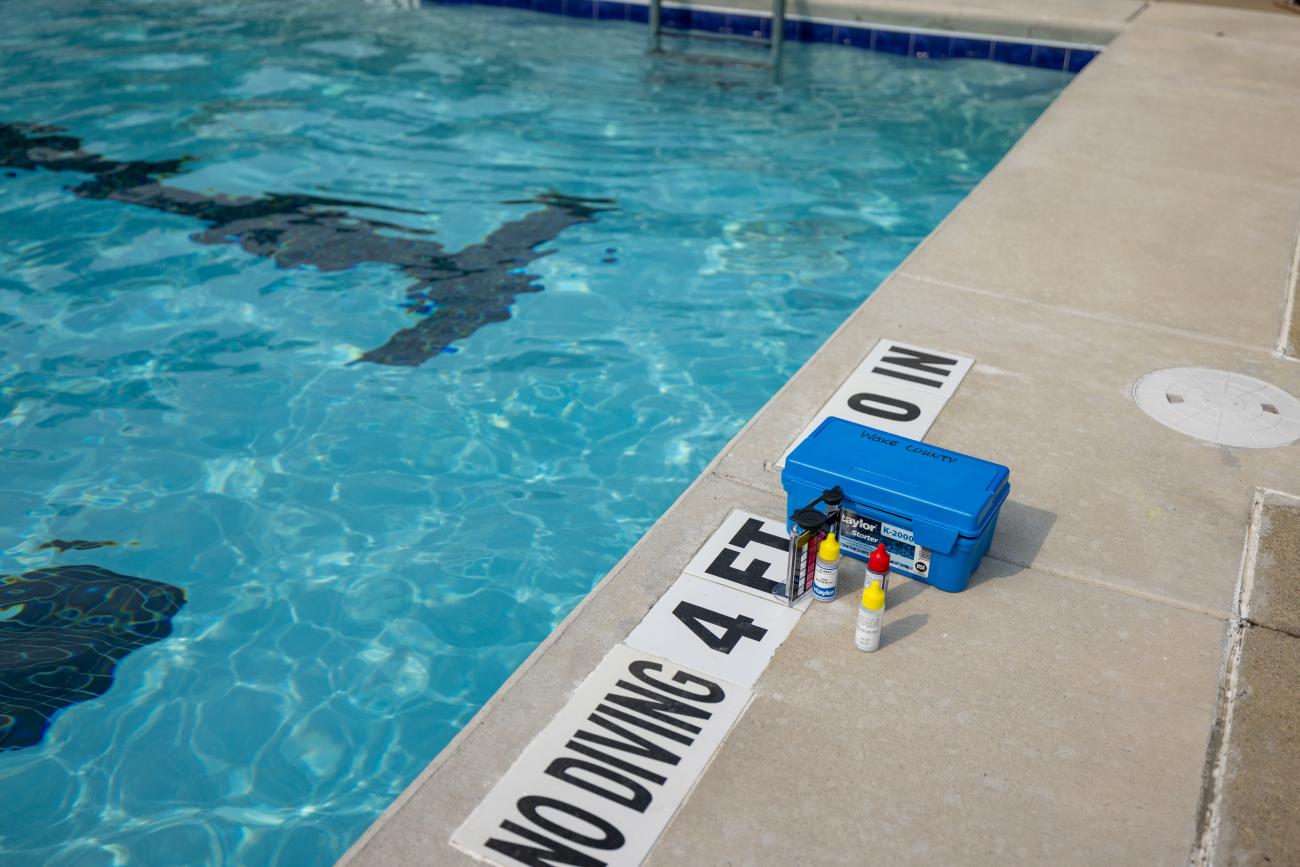
The CDC's Pool Inspection Toolkit is a valuable resource for understanding proper pool water chemistry and sanitation practices. A professional pool inspection will thoroughly test your water and identify any imbalances, providing recommendations for correction. Addressing water chemistry issues promptly protects your health and extends the life of your pool equipment.
Can you just do it yourself?
Homeowners can handle some basic pool maintenance tasks, like skimming debris and adding chemicals. However, a comprehensive pool inspection requires specialized knowledge, equipment, and experience. According to Aquatic Inspections, DIY inspections often miss hidden problems that a professional would readily identify. You might spot a crack, but understanding its severity and underlying cause requires expertise.
The limitations of a DIY inspection include a lack of access to specialized tools like pressure testing equipment and moisture meters. A professional can also identify potential code violations and safety hazards that a homeowner might overlook. Misdiagnosis can lead to unnecessary repairs and wasted money.
A professional offers a thorough and unbiased assessment of your pool's condition. They provide a detailed report outlining any issues found and recommending appropriate solutions. While it's an added expense, the peace of mind and potential cost savings often outweigh the initial investment. Don't risk your safety or your investment by attempting a DIY inspection when a professional is readily available.
Finding a Qualified Inspector
Choosing a reputable pool inspection company is crucial. Look for inspectors who are certified by organizations like the National Swimming Pool Foundation (NSPF) and hold a Certified Pool Operator (CPO) certification. Experience is also important – find a company with a proven track record of providing thorough and accurate inspections.
Ensure the company is properly insured, protecting you from liability in case of accidents during the inspection. Ask for a detailed inspection report that outlines all findings, including photos and recommendations. Don’t hesitate to ask questions about their process and qualifications. A transparent and knowledgeable inspector is a good sign.
Aquatic Inspections is a trusted resource for pool safety assessment and maintenance services. While we encourage you to get quotes from multiple companies, we pride ourselves on our thoroughness, expertise, and commitment to customer satisfaction. Remember, a proactive approach to pool maintenance is the best way to protect your investment and ensure a safe and enjoyable swimming season.
- Look for CPO and NSPF certifications.
- Verify insurance coverage
- Request a detailed inspection report
- Ask questions about their experience and process
Choosing a Pool Inspector: Qualitative Decision Matrix
| Criterion | Poor | Fair | Good | Excellent |
|---|---|---|---|---|
| Certifications | No recognized certifications. | Certifications from non-accredited sources. | Certification from a recognized pool inspection organization (e.g., National Spa and Pool Institute - NSPF). | Multiple certifications demonstrating specialized knowledge (e.g., CPO, CPI). |
| Experience | Less than 1 year of professional pool inspection experience. | 1-3 years of experience, limited scope of inspections. | 3-5 years of experience, inspecting a variety of pool types and systems. | 5+ years of experience, extensive portfolio, and expertise in complex pool issues. |
| Insurance | No proof of liability insurance. | Limited liability coverage. | Adequate liability insurance to cover potential damages during inspection. | Comprehensive liability and errors & omissions insurance. |
| Report Detail | Basic checklist with minimal findings. | Report lacks detail and clear explanations. | Detailed report with photos, clear descriptions of issues, and potential severity. | Comprehensive report with detailed photos, prioritized recommendations, and cost estimates for repairs (where appropriate). |
| Customer Reviews | No online reviews or consistently negative feedback. | Few reviews, mixed feedback. | Generally positive reviews with some constructive criticism. | Numerous positive reviews highlighting thoroughness, professionalism, and clear communication. |
| Adherence to Standards | Does not mention following industry standards. | Vague references to general safety checks. | States adherence to generally accepted pool safety standards. | Explicitly references adherence to CDC Healthy Swimming guidelines and relevant local/state regulations. |
Illustrative comparison based on the article research brief. Verify current pricing, limits, and product details in the official docs before relying on it.
No comments yet. Be the first to share your thoughts!