

Beyond Chlorine: A New Wave in Pools
For decades, the image of a sparkling blue pool has been synonymous with summer fun, but that picture is starting to shift. People are increasingly aware of the environmental impact of traditional swimming pools and seeking alternatives. The truth is, maintaining a typical pool can be resource-intensive. We’re talking significant water usage, the constant need for chemicals, and substantial energy consumption to keep everything running.
What’s driving this change? It’s a combination of factors. Rising costs for water and energy certainly play a role. So do growing health concerns related to chlorine and other sanitizers. But perhaps the biggest driver is simply a broader environmental awareness – a desire to reduce our footprint and make more sustainable choices. It's not about sacrificing enjoyment, but about finding ways to have fun responsibly.
It’s important to understand that "eco-friendly’ pool installation isn"t a single, one-size-fits-all solution. It's a spectrum of choices, ranging from small adjustments to a complete overhaul of how we design, build, and maintain our pools. Some changes are simple and affordable, while others represent a more significant investment. The key is to find the options that best fit your budget, lifestyle, and environmental goals. I’ve seen a real shift in client priorities over the last few years, with sustainability moving from a "nice-to-have’ to a ‘must-have" for many.
Aquatic Inspections regularly encounters homeowners looking to update their existing pools with more efficient equipment. Many are surprised by how much water and energy they can save with relatively simple upgrades. This growing demand is pushing innovation in the industry, leading to a wider range of sustainable pool solutions than ever before.
Water Conservation: Reducing Your Pool's Footprint
Water is arguably the most precious resource when it comes to pools. Traditional pools can lose a surprising amount of water through evaporation, leaks, and regular backwashing of filtration systems. Thankfully, several technologies can significantly reduce your pool’s water footprint. A good starting point is a pool cover. Automatic covers are more convenient, rolling out and retracting with the push of a button, but they are also more expensive. Manual covers are a cost-effective alternative, although they require more effort to use.
The material of the cover matters too. Solar covers absorb heat, helping to warm the water and further reduce evaporation. Vinyl covers are durable and relatively affordable, while mesh covers allow rainwater to drain through, preventing pooling on the surface. Beyond covers, the type of filtration system you choose has a big impact. Sand filters are the most common, but they require frequent backwashing, which wastes water. Cartridge filters use less water, but the cartridges need to be replaced periodically. Diatomaceous earth (DE) filters offer the finest filtration, but they also require backwashing and the disposal of DE, which can have environmental concerns.
Leak detection is another critical aspect of water conservation. Regular inspections can identify and address leaks early on, preventing significant water loss. Modern leak detection systems use sensors and algorithms to pinpoint even small leaks quickly and accurately. Variable speed pumps are a game-changer. These pumps allow you to adjust the water flow rate, reducing energy consumption and extending the life of your filtration system. They also improve water circulation, leading to better chemical distribution and clearer water.
The idea of using greywater systems – repurposing water from showers, sinks, and laundry – or rainwater harvesting for pool filling is appealing, but it's important to check local regulations. Many jurisdictions have strict rules about using non-potable water sources for swimming pools. It’s a promising area, but not always feasible. According to a 2023 report by the Water Research Foundation, rainwater harvesting systems can reduce potable water demand for pool filling by up to 70% in some regions.
- Sand Filters: Require frequent backwashing, leading to water waste.
- Cartridge Filters: Use less water than sand filters, but cartridges need replacement.
- DE Filters: Finest filtration, but require backwashing and DE disposal.
Chemical Alternatives: Natural Sanitization Methods
For many, the biggest concern with traditional pools is the use of harsh chemicals like chlorine and bromine. While effective sanitizers, they can cause skin and eye irritation, and contribute to chemical runoff. Fortunately, several alternatives are gaining popularity. Salt water chlorination is perhaps the most well-known. It doesn’t eliminate chlorine entirely; instead, it uses electrolysis to convert salt into chlorine, creating a gentler, more natural-feeling swimming experience.
Saltwater systems require an initial investment in the chlorinator, but they can reduce the need for purchasing and handling chlorine tablets. However, they do require regular monitoring of salt levels and occasional cell replacement. Ozone generators are another option. They use ozone – a powerful oxidizing agent – to kill bacteria and viruses. Ozone systems are often used in conjunction with a lower level of chlorine to maintain sanitation. UV sanitizers use ultraviolet light to disinfect the water. They are effective at killing bacteria and viruses, but they don’t provide residual sanitation, so they are typically used in combination with another sanitizer.
Mineral systems, like those using copper and silver ions, can also help reduce the need for chlorine. These minerals have natural antimicrobial properties. Phosphate removers are often overlooked, but they play a vital role in preventing algae growth. Algae thrive on phosphates, so removing them from the water can significantly reduce the need for algaecides. It’s important to be realistic about the effectiveness of these alternatives. Saltwater systems are generally very reliable, but ozone and UV systems may require more maintenance and may not be suitable for all climates or usage levels.
I’ve found that homeowners often overestimate the ability of natural systems to completely eliminate the need for some chemical intervention, especially in heavily used pools. A balanced approach, combining different methods, is usually the most effective. Remember to always test your water regularly to ensure proper sanitation and water balance. According to a study published in the Journal of Environmental Health (2022), proper water chemistry is crucial for maintaining a safe and healthy swimming environment, regardless of the sanitization method used.
- Salt Water Chlorination: Converts salt to chlorine, gentler on skin.
- Ozone Generators: Use ozone to kill bacteria and viruses.
- UV Sanitizers: Use ultraviolet light for disinfection.
- Mineral Systems: Utilize copper and silver ions for antimicrobial properties.
Sanitization Method Comparison
| Method | Effectiveness | Cost | Maintenance | Environmental Impact | Swimmer Comfort |
|---|---|---|---|---|---|
| Chlorine | High | Lower initial, Moderate ongoing | Moderate - Requires regular testing & adjustment | Higher - Production & byproduct concerns | Can cause irritation for some |
| Saltwater | High | Higher initial, Moderate ongoing | Lower - Automated chlorine generation | Moderate - Still produces chlorine, but potentially lower overall chemical use | Generally more comfortable than traditional chlorine |
| Ozone | High | High initial, Moderate ongoing | Moderate - Requires supplemental sanitizer | Lower - Reduces chlorine needs significantly | Good - No direct swimmer contact |
| UV | Good | High initial, Moderate ongoing | Moderate - Requires supplemental sanitizer & bulb replacement | Lower - Reduces chlorine needs significantly | Good - No direct swimmer contact |
| Mineral Systems | Moderate | Moderate initial, Moderate ongoing | Lower - Reduces chlorine needs, requires mineral replenishment | Moderate - Mineral sourcing & potential for heavy metal concerns | Generally good, can cause sensitivity for some |
| Biguanide | Good | Higher initial, Moderate ongoing | Moderate - Requires specific chemical balancing | Moderate - Different chemical composition than chlorine | Good - Gentle on skin and eyes |
Qualitative comparison based on the article research brief. Confirm current product details in the official docs before making implementation choices.
Sustainable Pool Materials: Building with the Earth
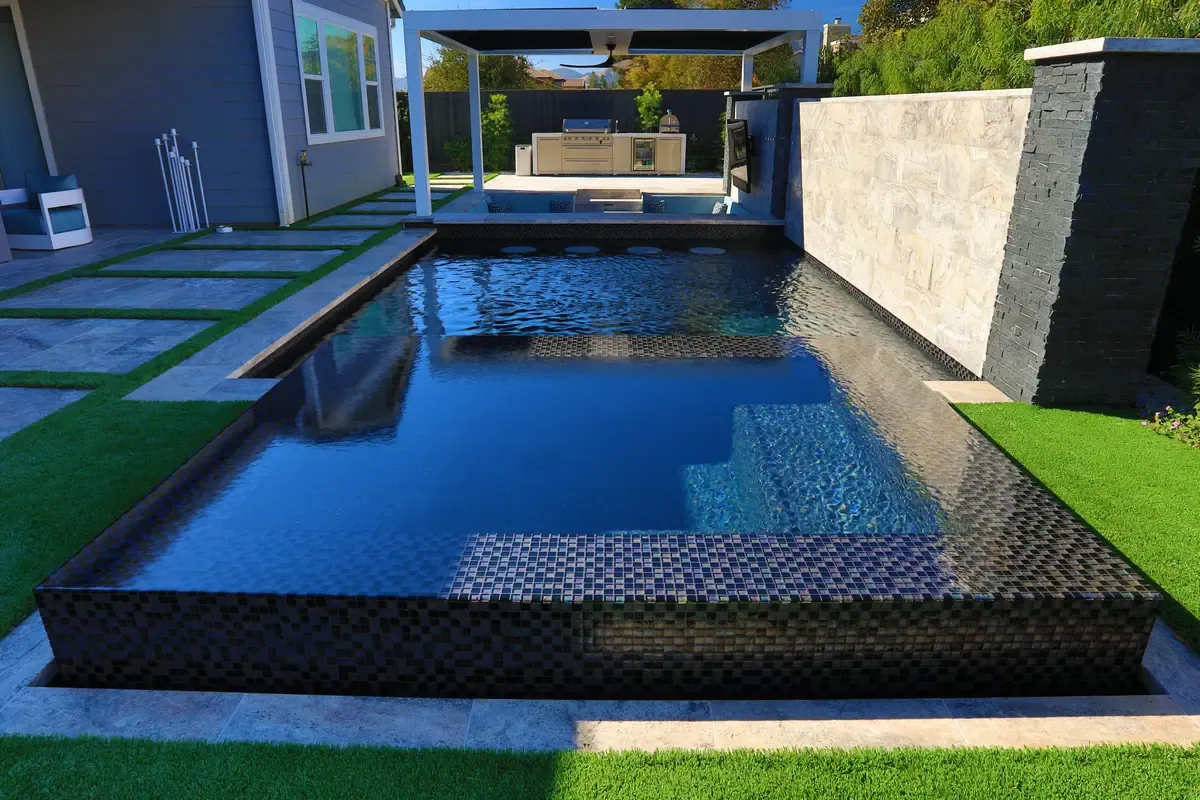
The environmental impact of a pool extends beyond its operation; the materials used in its construction matter too. Traditional pool construction often relies on materials with a high carbon footprint. Fortunately, a growing number of sustainable alternatives are available. Recycled glass tiles are a beautiful and eco-friendly option for pool finishes. They are durable, non-porous, and add a unique aesthetic touch.
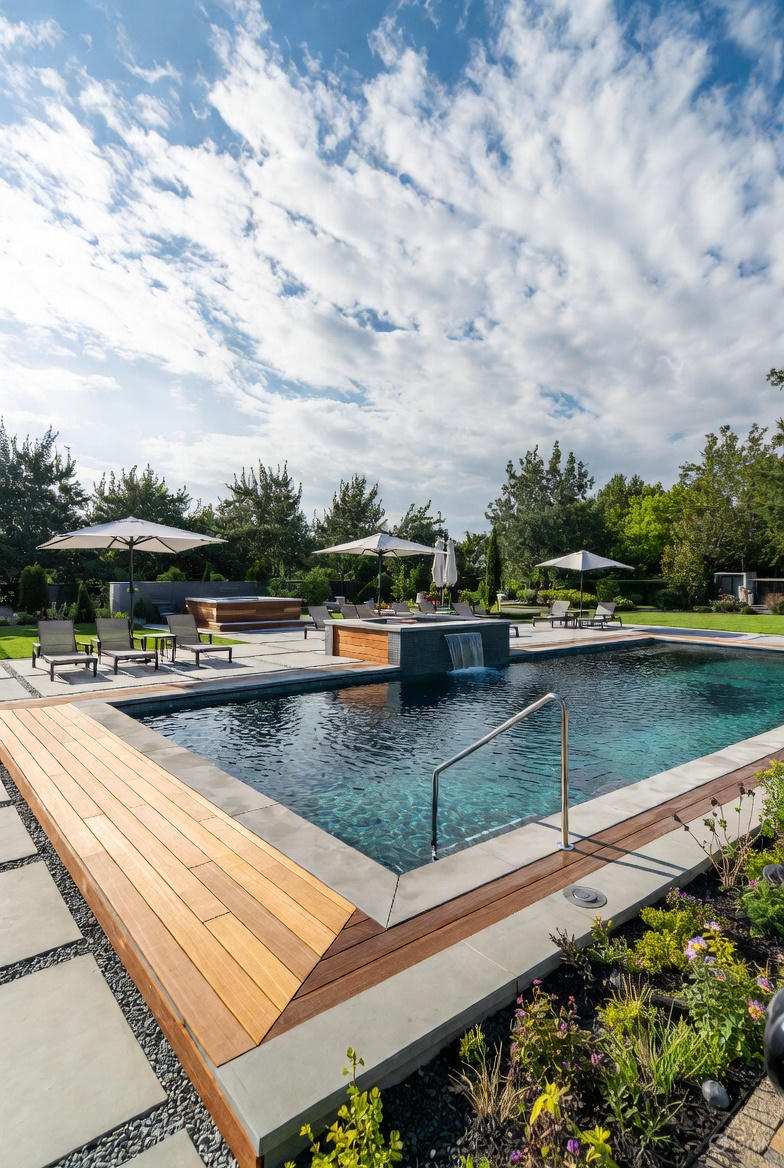
When it comes to decking, sustainable options include composite wood made from recycled plastic and wood fibers, bamboo – a rapidly renewable resource, and reclaimed wood. Natural stone coping, sourced from local quarries, is another good choice. We’ve also seen increasing interest in pervious concrete or paving around the pool. These materials allow rainwater to drain through, reducing runoff and replenishing groundwater. It’s a simple change that can have a significant impact.
I’m particularly excited about the potential of using recycled plastics in pool construction. While still relatively new, several companies are developing innovative ways to incorporate recycled plastics into pool walls, liners, and other components. This not only reduces waste but also creates a more durable and long-lasting pool. Choosing materials that are locally sourced reduces transportation costs and supports local economies. It’s a win-win situation.
Consider the entire lifecycle of the materials you choose. How were they manufactured? What is their durability? Can they be recycled at the end of their lifespan? These are important questions to ask when making sustainable choices. A 2024 report from the Sustainable Pool Alliance found that using recycled materials in pool construction can reduce the overall carbon footprint by up to 20%.
Energy Efficiency: Heating and Circulation
Pool heating and circulation can be significant energy consumers. Reducing energy consumption is not only good for the environment but also saves you money on your utility bills. Solar pool heaters are a great way to harness the power of the sun to warm your pool water. There are several types of solar heaters available, including unglazed collectors and glazed collectors. Glazed collectors are more efficient, but they are also more expensive. The cost of a solar pool heater varies depending on the size of your pool and the amount of sun exposure you receive.
Heat pumps are another energy-efficient option. They work by transferring heat from the air to the water, rather than generating heat directly. Heat pumps are more efficient than gas heaters, but they are also more expensive to purchase. Variable speed pumps, as we discussed earlier, are crucial for energy efficiency. By adjusting the water flow rate, you can significantly reduce energy consumption. Pool covers also play a role in retaining heat, reducing the need for heating.
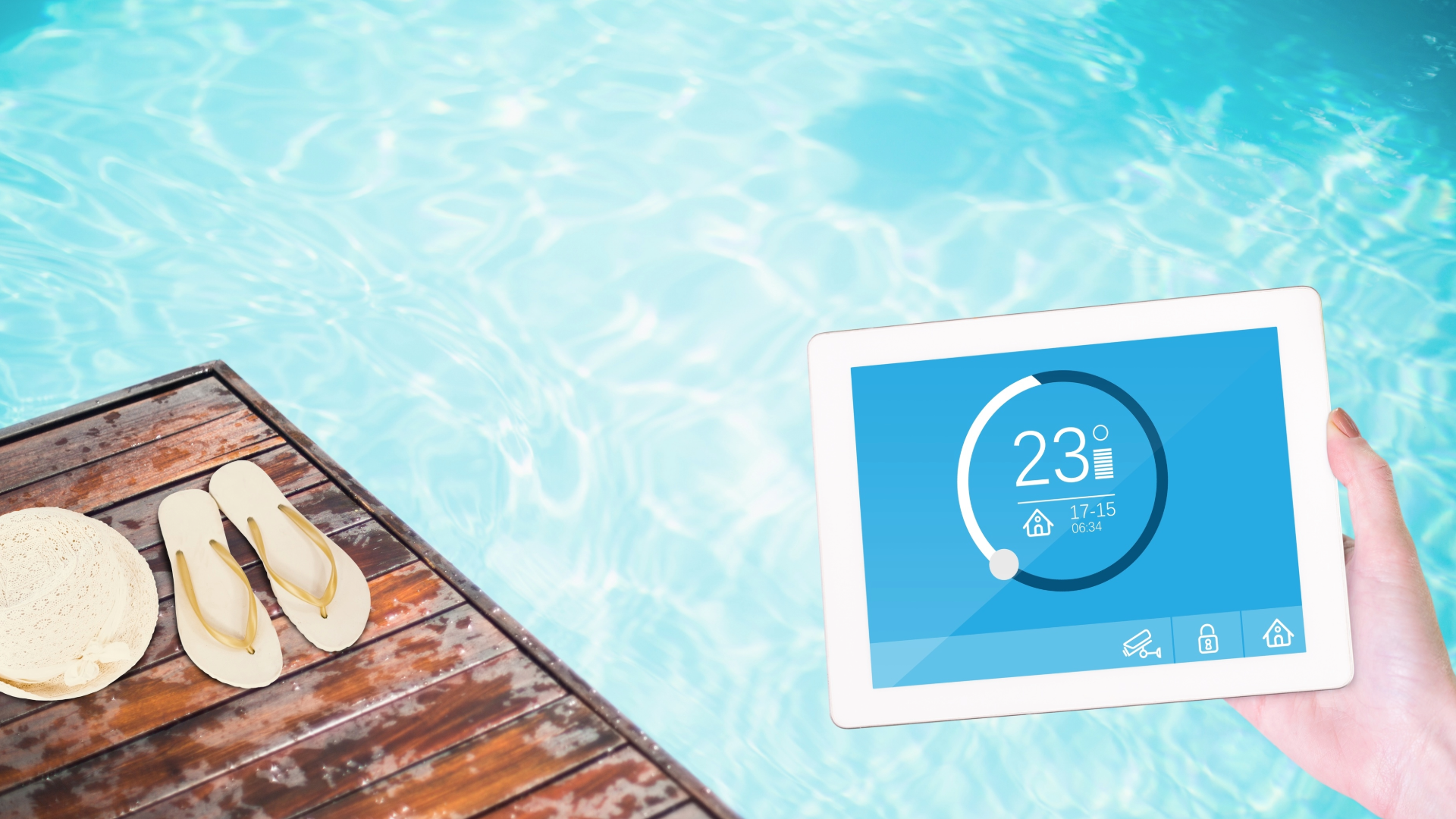
Smart pool controllers can automate heating and filtration based on usage patterns. These systems can learn your swimming habits and adjust the pool’s settings accordingly, maximizing energy savings. They can also be controlled remotely via a smartphone app. The initial investment in a smart pool controller can be significant, but the long-term energy savings can offset the cost. It’s something we’re recommending more and more to our clients.
According to the Department of Energy, using a pool cover can reduce heat loss by up to 70% and save you hundreds of dollars per year on heating costs. Combining a pool cover with a variable speed pump and a smart pool controller can create a highly energy-efficient pool system. We've seen clients reduce their pool energy consumption by up to 50% with these combined technologies.
Natural Pool Designs: Ecosystem Pools & Beyond
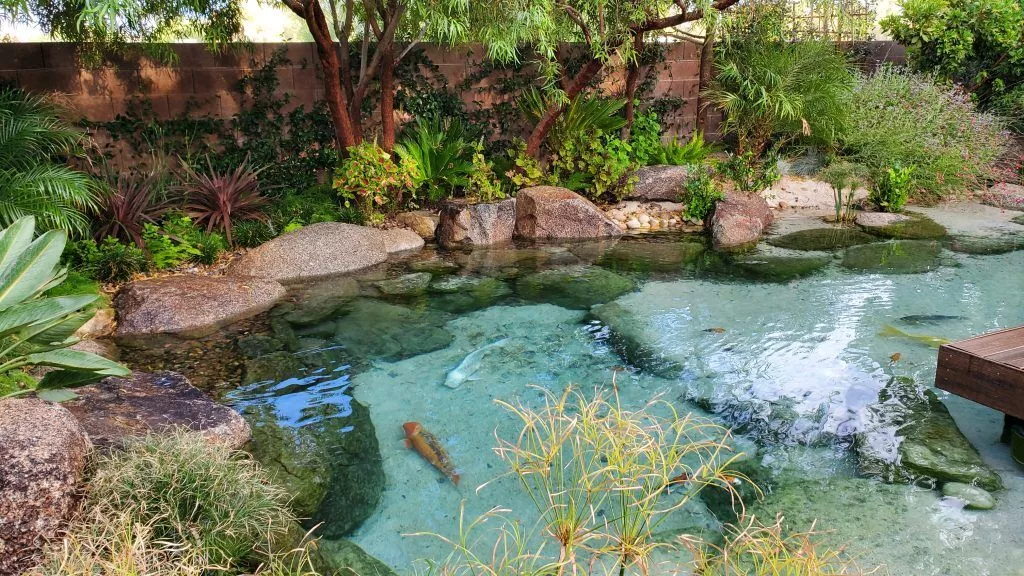
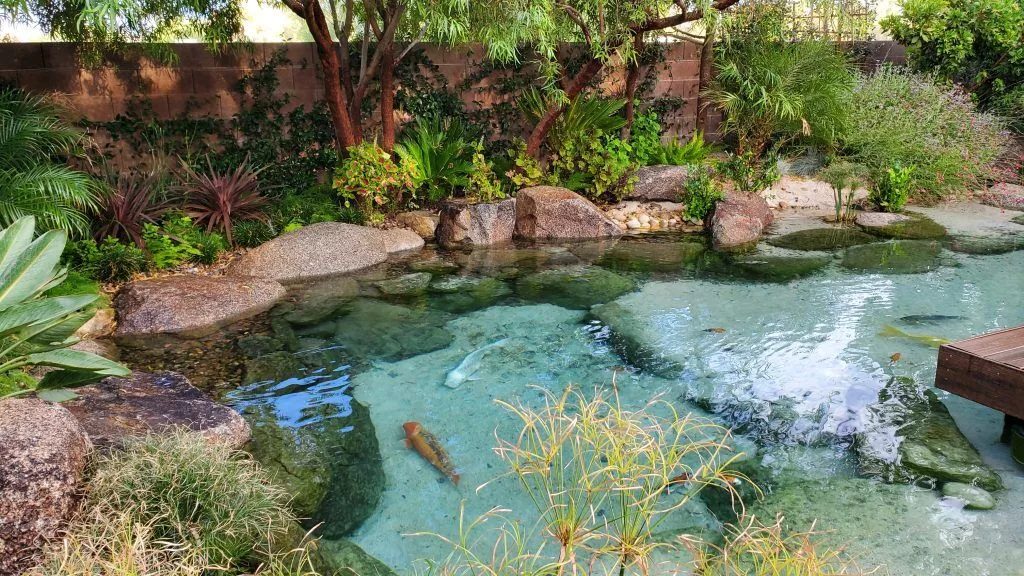
For those seeking a truly eco-friendly swimming experience, natural swimming pools – also known as ecosystem pools – offer a radical alternative to traditional pools. These pools rely on plants and gravel for filtration, creating a self-cleaning ecosystem. They don’t use chlorine or other harsh chemicals, making them a healthier and more natural option. The filtration zone, typically located adjacent to the swimming zone, is filled with carefully selected plants that absorb nutrients and filter the water.
The benefits of natural pools are numerous: they are chemical-free, energy-efficient, and aesthetically pleasing. However, they also have limitations. They require a larger footprint than traditional pools to accommodate the filtration zone. They also require more maintenance, including weeding and plant pruning. The water clarity may not be the same as in a traditional pool, and they may not be suitable for all climates. Algae blooms can be a concern if the ecosystem is not properly balanced.
Natural pools are still relatively uncommon, but they are gaining popularity as people become more aware of their environmental impact. They require a different mindset – a willingness to embrace a more natural and organic approach to swimming. It’s not about having a perfectly sterile environment; it’s about creating a balanced ecosystem that supports healthy swimming. I’m not sure how quickly these will become mainstream, but I see a definite niche for them.
The cost of a natural pool can vary depending on the size and complexity of the design, but it’s generally comparable to the cost of a traditional pool. However, the long-term operating costs are typically lower due to the reduced need for chemicals and energy. Further research on natural pool designs can be found through organizations like the International Natural Pool Developers Association.
Future Trends: What's on the Horizon?
The future of eco-friendly pool installation is bright, with several exciting technologies and trends on the horizon. Advancements in filtration are leading to more efficient and sustainable systems. We’re seeing the development of biofilters that use microorganisms to remove contaminants from the water. New sanitization methods, like advanced oxidation processes (AOPs), are also emerging.
AI-powered pool management systems have the potential to revolutionize how we operate our pools. These systems can monitor water chemistry, adjust filtration and heating settings, and even detect leaks automatically. Biomimicry – the practice of learning from nature – is also inspiring new pool designs. For example, some designers are exploring the use of natural shapes and materials to create more harmonious and sustainable pools.
I anticipate that regulations will become more stringent in the coming years, promoting more sustainable pool practices. We may see incentives for homeowners who install eco-friendly pool equipment and penalties for those who continue to rely on outdated technologies. The demand for sustainable pool solutions is only going to grow. It's time to embrace these changes and create a future where swimming and sustainability go hand in hand.
The development of more durable and affordable recycled materials will also play a key role. As technology advances, we can expect to see even more innovative and sustainable solutions emerge, making eco-friendly pool installation the norm rather than the exception.
What is the biggest barrier preventing you from installing an eco-friendly pool?
As sustainable pool solutions continue to evolve in 2026, we want to hear from our community. Understanding your challenges helps us provide better guidance on eco-friendly pool installation options. Vote below and share your thoughts in the comments!
No comments yet. Be the first to share your thoughts!