

Pool tech shifts for 2026
Pool ownership is changing. I'm seeing more people move toward energy-efficient setups, and it isn't just to save a few bucks. Between rising utility bills and a genuine desire to cut waste, the way we build and maintain pools is finally catching up to the rest of the home.
Nashville is a great example of this shift. Local outfits like Puddle Pool Services are staying busy with requests for systems that don't drain the bank or the power grid. By 2026, these high-efficiency installs will likely be the standard rather than the exception.
It's not simply about adding a new gadget; it’s a holistic approach to pool design and operation. From the pump to the heater, to the way you cover and filter the water, every element presents an opportunity to improve efficiency. We’ll cover these areas, giving you a comprehensive look at sustainable swimming pool solutions.
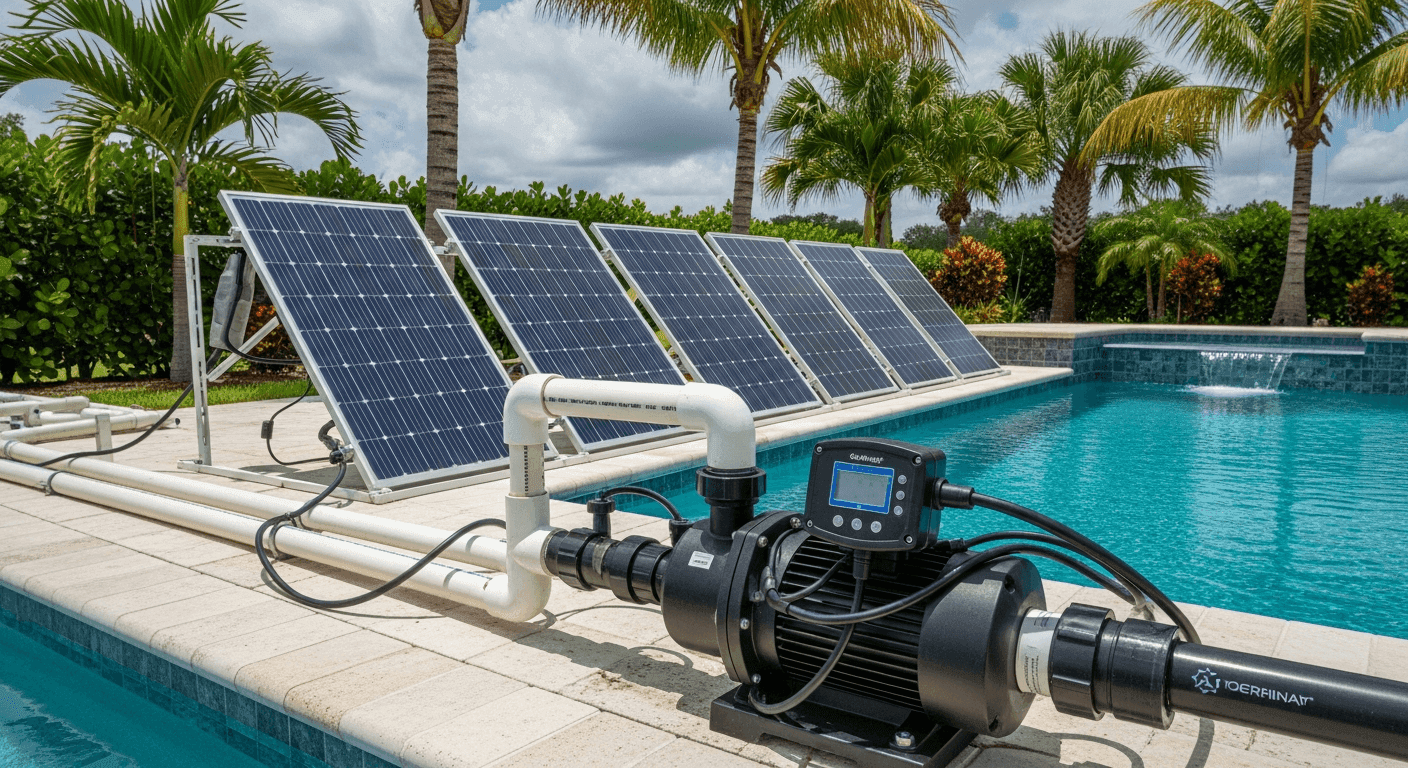
Variable speed pumps
For years, single-speed pumps were the standard. They ran at 100% power, all the time, even when full power wasn’t needed. Variable speed pumps, on the other hand, allow you to dial in the exact flow rate required for the task at hand. This might mean running at a lower speed for everyday filtration, or ramping up for vacuuming or water features.
The energy savings are substantial. According to the Department of Energy, switching to a variable speed pump can reduce energy use by up to 80%. That’s a massive difference, and it translates directly into lower monthly bills. While the initial cost of a variable speed pump is higher – typically ranging from $800 to $1500 installed, compared to $400-$600 for a single-speed pump – the long-term savings quickly offset that investment.
There’s a common misconception that variable speed pumps are noisy or complicated. Modern pumps are surprisingly quiet, especially at lower speeds. Most also come with intuitive controls and programmable settings. They aren't a brand new invention, either. Variable speed technology has been around for a while, but wider adoption is finally happening as people recognize the benefits. I've seen this firsthand with several clients who initially hesitated, but were thrilled with the results.
The key is proper sizing and programming. A qualified installer can help you determine the right pump for your pool and set it up for optimal efficiency. Don’t just assume any variable speed pump will do; the right fit is essential.
- Expect up to an 80% reduction in energy use compared to old models.
- Initial Cost: $800 - $1500 (installed)
- Single-Speed Pump Cost: $400 - $600 (installed)
Someone built an OpenClaw agent that sells pool installation on autopilot.
— mitsuri (@0xmitsurii) April 13, 2026
Finds $500-$1.2M homes without pools. Renders a pool in their backyard and mails a before and after postcard. pic.twitter.com/blsW4Gjb7n
Solar Pool Heating: Harnessing the Sun
Solar pool heating utilizes the sun's energy to warm your pool water, offering a clean and renewable alternative to gas or electric heaters. The system typically consists of solar collectors – panels that absorb sunlight – and a pump to circulate the water through the collectors. This heated water then returns to the pool, gradually raising the temperature.
There are two main types of solar collectors: glazed flat plate and unglazed. Glazed collectors are more efficient in cooler climates and can heat water to higher temperatures. Unglazed collectors are less expensive and work well in warmer regions. The efficiency of any solar heating system depends on several factors, including climate, pool size, sun exposure, and the size of the collector array.
Installation involves mounting the collectors on a roof or in a sunny yard location. It's a fairly straightforward process, but it's crucial to ensure proper plumbing and structural integrity. Upfront costs can be significant, potentially ranging from $3,000 to $10,000 depending on the size of the system and installation complexity. However, the long-term cost savings are substantial, and you're reducing your reliance on fossil fuels.
ROI timelines vary wildly based on how much sun your yard actually gets, but the monthly drop in gas or electric bills is immediate. It is a big upfront cost, but it's the only heating method that eventually pays for itself.
Better pool covers
Pool covers have come a long way. They're no longer just about keeping leaves out of the water. Modern pool covers play a vital role in energy efficiency by reducing heat loss through evaporation and minimizing water loss. There are two primary types: manual and automatic.
Manual covers are more affordable but require physical effort to install and remove. Automatic covers, as the name suggests, operate with the push of a button. They’re more convenient, and many models incorporate safety features like built-in alarms to prevent accidental drowning. The cost for a manual cover starts around $300, while automatic covers can range from $1,000 to $5,000 or more, depending on size and features.
The material of the cover also matters. Vinyl covers are durable and provide excellent heat retention, but they can be prone to punctures. Mesh covers allow water to drain through, which helps prevent standing water and algae growth. Beyond energy savings, pool covers also reduce chemical consumption by shielding the water from sunlight, which breaks down chlorine.
Automatic safety covers are a particularly good investment. They offer peace of mind, especially for families with young children or pets, while simultaneously providing significant energy and water conservation benefits.
- Manual Cover Cost: Starting around $300
- Automatic Cover Cost: $1,000 - $5,000+
- Vinyl covers are tough and hold heat well but can puncture if handled roughly.
- Mesh Covers: Allow water drainage, prevent algae growth
Pool Cover Comparison: Sustainability and Efficiency
| Cover Type | Material | Heat Retention | Ease of Use | Lifespan |
|---|---|---|---|---|
| Solar Cover | Polyethylene | High | Medium | Medium |
| Liquid Solar Cover | Alcohol-based | Medium | High | Low (requires reapplication) |
| Thermal Blanket | Bubble Wrap/Vinyl | High | Medium | Low to Medium |
| Automatic Cover | Vinyl over Metal Slats | Very High | High | High |
| Manual Safety Cover | Reinforced Vinyl | Medium | Medium | High |
| Mesh Safety Cover | Polypropylene Mesh | Low | Medium | High |
Illustrative comparison based on the article research brief. Verify current pricing, limits, and product details in the official docs before relying on it.
Smart pool automation
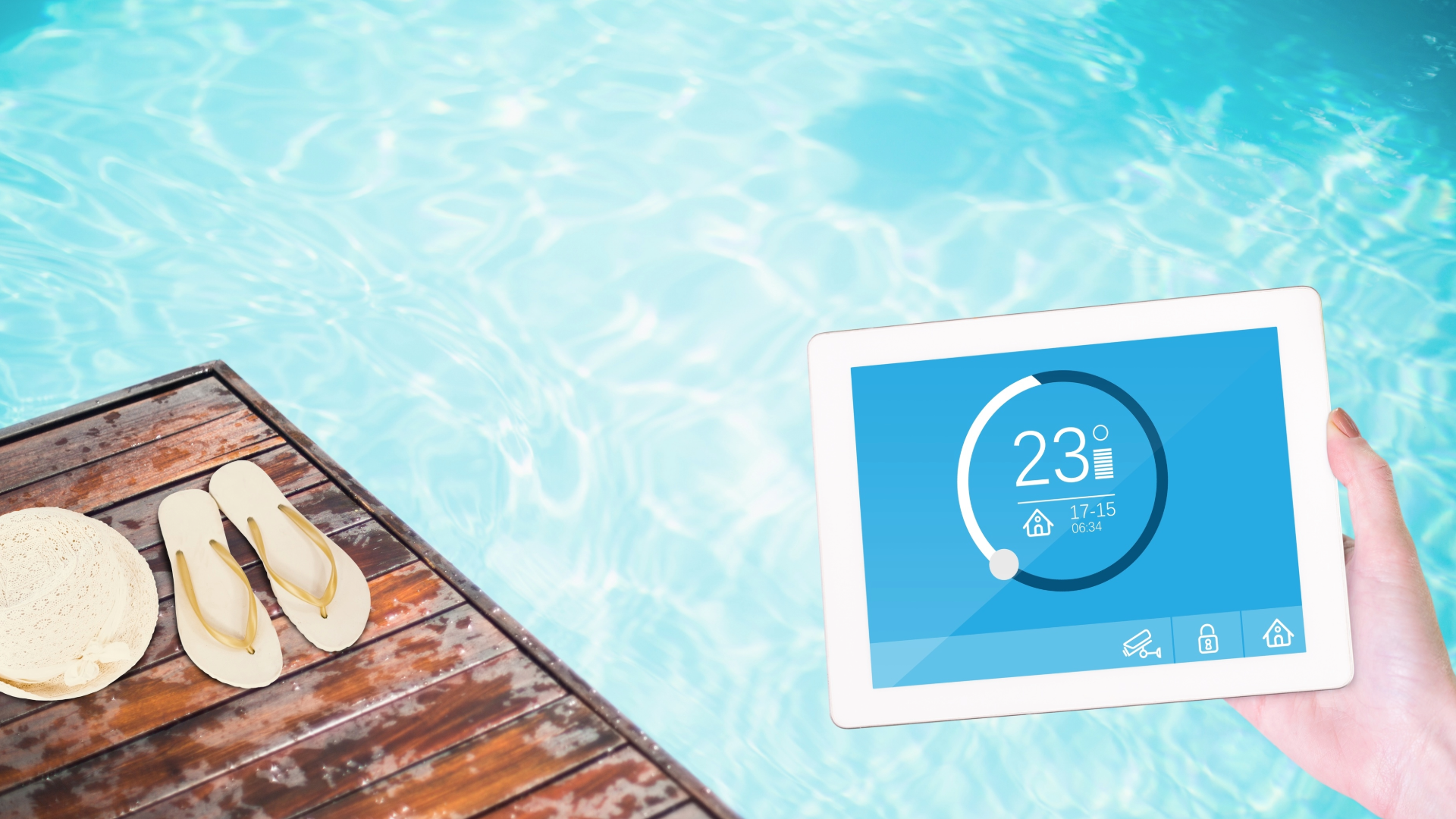
Smart pool automation systems allow you to control virtually every aspect of your pool from your smartphone or tablet. These systems connect to your pump, heater, lights, cleaning system, and other components, enabling remote control and automated scheduling. You can adjust the water temperature, turn on the lights, and even start the cleaner while you’re away from home.
The energy-saving potential is significant. You can program the pump to run at lower speeds during off-peak hours, or set the heater to automatically turn off when the pool reaches a desired temperature. Automated scheduling ensures that your pool equipment operates only when needed, minimizing energy waste. Many systems also provide real-time energy monitoring, giving you insights into your pool’s energy consumption.
Data privacy and security are legitimate concerns with any smart home device. Reputable manufacturers prioritize security and employ encryption and other measures to protect your data. It’s important to choose a system from a trusted brand and keep the software updated. These systems also readily integrate with popular smart home ecosystems like Alexa and Google Home, creating a seamlessly connected experience.
While the initial cost can be higher – typically $500 to $2,000 depending on the features and complexity – the convenience, energy savings, and peace of mind make it a worthwhile investment for many pool owners.
Efficient Filtration Systems: Reducing Waste
The filtration system is the heart of any pool. It removes dirt, debris, and contaminants, keeping the water clean and healthy. There are three main types of pool filters: sand, cartridge, and diatomaceous earth (DE). Each type has its own energy consumption characteristics.
Sand filters are the most common and generally require the least amount of energy to operate, but they also require more frequent backwashing, which wastes water. Cartridge filters offer better filtration but require periodic cleaning or replacement. DE filters provide the finest filtration but require the most maintenance and can be energy-intensive during backwashing. Newer filter designs are focusing on minimizing water waste and energy use.
Backwashing is a necessary part of maintaining a clean filter, but it also consumes a significant amount of water. Consider using a multiport valve to reduce water waste during backwashing, or explore alternative filtration methods like regenerative media filters, which require less frequent backwashing. Saltwater chlorination is another related system that can reduce chemical usage and improve water quality, but it's a separate consideration.
Choosing the right filter depends on your pool size, usage, and budget. A qualified pool professional can help you select the most efficient filter for your needs and ensure proper installation and maintenance.
No comments yet. Be the first to share your thoughts!