

Why a pre-season swimming pool inspection matters
Opening your pool for summer requires more than just shocking the water. A formal Swimming Pool Inspection provides a systematic evaluation of your pool’s structure, equipment, and electrical systems before the first swimmer dives in. Skipping this step often leads to costly emergency repairs or safety hazards that could have been prevented.
Professional inspectors identify hidden issues that DIY checks typically miss. For example, they can detect subtle structural cracks in the plaster or liner that may expand under summer heat and heavy use. They also verify that safety barriers, such as pool fences and self-closing gates, meet local codes and function correctly. These inspections are not just about maintenance; they are about liability and peace of mind.
Beyond physical structure, the inspection ensures your filtration and chemical systems are balanced. Properly calibrated equipment prevents algae blooms and protects your family from waterborne pathogens. By addressing these issues in spring, you avoid the frustration of closing the pool mid-summer for urgent fixes. Investing time in a thorough pre-season check ensures your pool remains a safe, clean, and enjoyable space all season long.
Inspecting the pool structure and deck
A Swimming Pool Inspection starts with the physical shell and the surrounding deck. These areas take the most abuse from weather, foot traffic, and chemical exposure, making them the first place to spot structural integrity issues before they become expensive repairs.
Start by walking the entire perimeter. Look closely at the coping stones or concrete edge where the pool meets the deck. Any shifting, gaps, or loose tiles here can indicate settling or ground movement. Use a flashlight to scan the waterline for hairline cracks in the plaster or gunite. Small cracks might just need patching, but larger fractures can compromise the pool's ability to hold water.
Next, check the deck itself. Concrete and pavers can develop uneven surfaces that pose a tripping hazard or allow water to pool against the pool wall. Press down on any suspicious spots; if the deck feels spongy or moves underfoot, the sub-base may have washed out. Also, inspect the skimmer throat and return jets for cracks, as these are common failure points that can lead to significant leaks.
Testing water chemistry and filtration
Balancing water chemistry is the most critical step in any Swimming Pool Inspection. Properly maintained water prevents corrosion, protects swimmers from irritation, and stops algae from taking hold. A thorough inspection starts with verifying that the filtration system is running efficiently and that chemical levels are within the safe range.
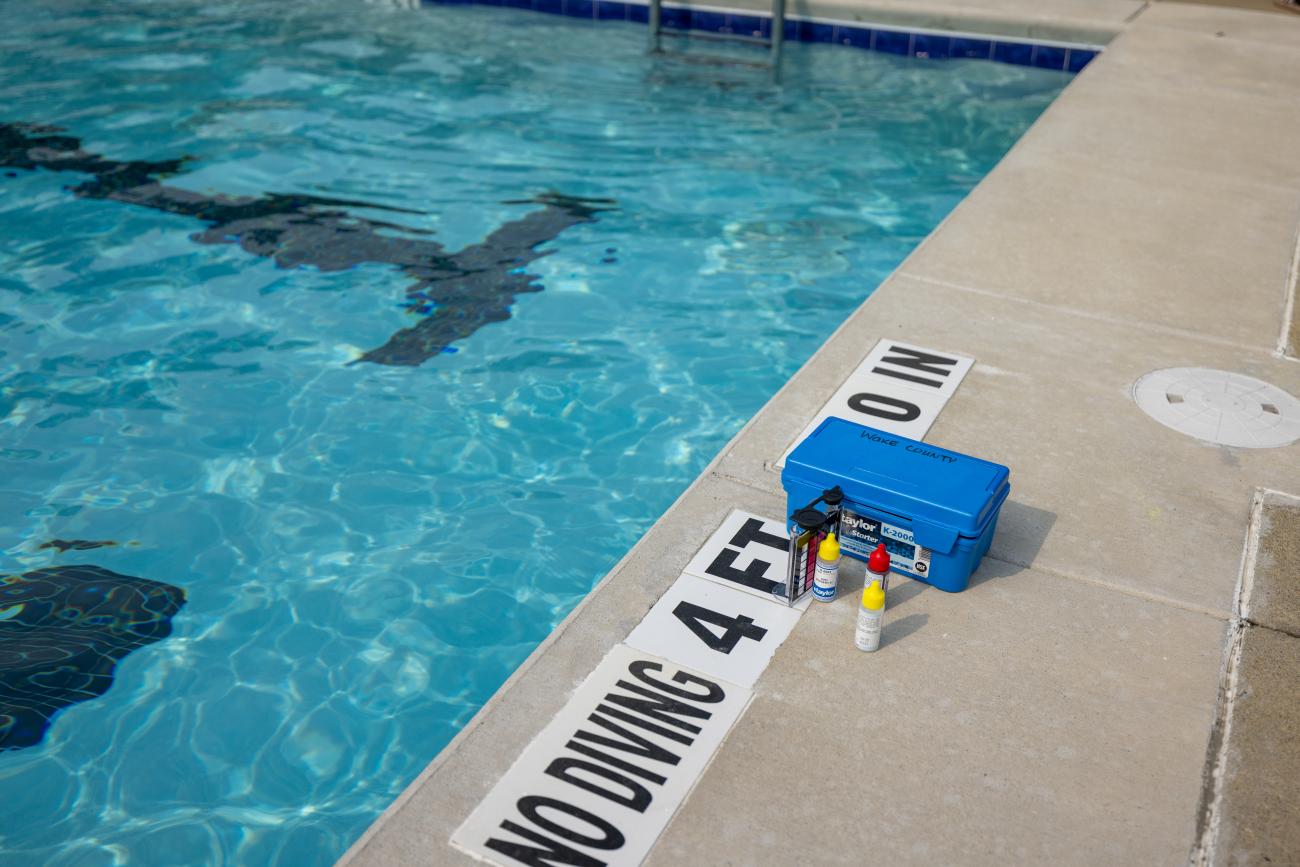
Start by testing the water using a reliable kit or test strips. For residential pools, you should test the water at least twice a week during heavy use. The primary metrics to check are pH, total alkalinity, and chlorine or bromine levels. Ideal pH levels should sit between 7.4 and 7.6. If the pH is too high, chlorine becomes less effective. If it is too low, the water can become corrosive to pool equipment and irritate skin.
Next, evaluate the filtration system. The pump should run long enough to cycle the entire volume of water at least once every 24 hours. Check the pressure gauge on the filter; a significant rise in pressure indicates that the filter is clogged and needs backwashing or cleaning. For cartridge filters, inspect the pleats for debris. For sand filters, ensure the sand isn't compacted or channeling. A well-functioning filter removes particulates that chemicals cannot reach.
Finally, inspect the skimmer and pump baskets. Remove any leaves, insects, or debris that have accumulated. Clogged baskets restrict water flow, reducing filtration efficiency and potentially damaging the pump motor. Ensure the skimmer weir is moving freely and not stuck in the up or down position. Regular maintenance of these simple components ensures the chemical treatment works as intended.
Check electrical and safety systems
Before the summer rush, a Swimming Pool Inspection must verify that all electrical components are secure and compliant. The primary goal is to prevent shock hazards and ensure that safety barriers function as intended. This process involves testing ground fault circuit interrupters (GFCIs), inspecting wiring, and confirming that fences and covers meet local safety codes.
Inspect GFCI Protection and Wiring
Ground Fault Circuit Interrupters (GFCIs) are your first line of defense against electrical shock. These devices monitor current flow and cut power instantly if they detect an imbalance, which typically indicates a leak or fault. During a Swimming Pool Inspection, you should test every GFCI outlet and breaker associated with the pool pump, heater, lights, and automatic cleaners. Press the "Test" button to ensure it trips immediately, then press "Reset" to restore power. If a GFCI fails to trip, replace it immediately; do not bypass it.
In addition to GFCIs, check all visible wiring for signs of wear, corrosion, or damage. Ensure that junction boxes are sealed and that no wires are exposed or frayed. Electrical connections should be tight and free from moisture intrusion, as water and electricity are a dangerous combination. If you are unsure about the condition of your pool's electrical system, consult a licensed electrician to perform a comprehensive audit.
Verify Safety Barriers and Covers
Physical barriers are essential for preventing accidental drownings, especially if you have children or pets. A proper Swimming Pool Inspection includes checking that all fences, gates, and covers are in good repair and meet local regulations. Gates should self-close and self-latch securely, with latches positioned high enough that small children cannot reach them. Inspect fence panels for gaps, rust, or loose posts that could compromise their integrity.
If you use a pool cover, ensure it is rated for safety and can support the weight of a person or pet. Check for tears, weak seams, or worn straps that could cause the cover to fail. A damaged cover offers a false sense of security and should be repaired or replaced before the pool is used. Regular maintenance of these barriers ensures they remain effective throughout the summer season.
Recommended Tools and Products
To help you maintain your pool's safety and electrical systems, consider using reliable testing kits and security accessories. These products are essential for any homeowner conducting a Swimming Pool Inspection.


As an Amazon Associate, we may earn from qualifying purchases.
Common Swimming Pool Inspection Mistakes to Avoid
Even experienced homeowners can miss critical warning signs during a self-inspection. The goal of a thorough Swimming Pool Inspection is to catch small issues before they become expensive repairs. Skipping routine checks or relying on vague visual assessments often leads to overlooked damage that compromises safety and system longevity.
Ignoring Minor Leaks and Cracks
Water loss is the most common indicator of structural or plumbing failure. Homeowners frequently dismiss a few inches of water loss per week as normal evaporation. In reality, consistent water loss often points to a leak in the skimmer, return line, or pool shell. Use a simple bucket test to differentiate between evaporation and a leak. If the water level inside the bucket matches the pool level over 24 hours, evaporation is the cause. If the pool level drops significantly faster, you have a leak that requires professional attention.
Skipping Electrical Safety Checks
Pool electrical systems are high-risk areas that demand strict adherence to safety codes. A common mistake is failing to test Ground Fault Circuit Interrupters (GFCIs) monthly. These devices cut power instantly if they detect an electrical fault, preventing severe shock hazards. Additionally, inspecting all outdoor outlets for water intrusion and corrosion is essential. Damaged wiring or exposed connections near the pool deck or equipment pad can lead to fire hazards or equipment failure. Ensure all pool lights and pumps are grounded properly and that no frayed cords are present.
Overlooking Filter and Pump Performance
The heart of your pool system is the pump and filter assembly. Many owners neglect to monitor pressure gauges, which serve as the primary diagnostic tool for filter health. A sudden spike in pressure usually indicates a clogged filter, while a drop suggests a blockage or air leak in the suction line. Clean or backwash filters according to the manufacturer’s schedule. Inspect the pump basket for debris and check the impeller for obstructions. Regular maintenance of these components ensures efficient water circulation and extends the life of the motor.
Neglecting Water Chemistry Balance
Unbalanced water chemistry can damage pool surfaces, equipment, and swimmers. Failing to test water weekly allows algae to bloom and calcium scaling to accumulate. Use a reliable digital water tester, such as the Apera Instruments PH20, for accurate readings of pH, chlorine, and alkalinity levels. Keep pH between 7.2 and 7.6 to prevent eye irritation and equipment corrosion. Maintain proper sanitizer levels to kill bacteria and viruses. Consistent testing and adjustment are far cheaper than replacing damaged pool liners or resurfacing concrete.
Frequently Asked Questions About Pool Inspections
Homeowners often have specific concerns about the scope and frequency of pool inspections before summer begins. Understanding what a professional check entails helps ensure your pool is safe, compliant, and ready for use.
No comments yet. Be the first to share your thoughts!