
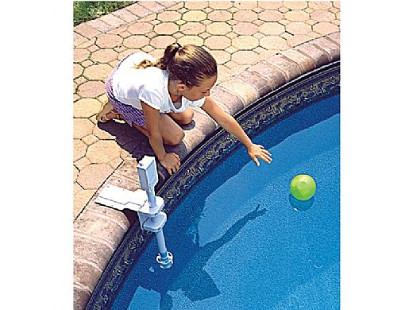

Why a professional swimming pool inspection matters
Buying a home with a swimming pool is an investment in lifestyle, but it also introduces complex mechanical and structural liabilities that standard home inspections often overlook. A dedicated swimming pool inspection provides a rigorous evaluation of the system’s integrity, protecting buyers from hidden defects that can cost thousands to repair. This process goes beyond simple water chemistry to assess the health of the entire aquatic environment.
A comprehensive inspection covers electrical safety, engineering stability, and structural soundness. Inspectors examine the pool shell for cracks, test the filtration and pump systems for efficiency, and verify that all safety barriers meet local codes. The American Society of Home Inspectors (ASHI) outlines specific auxiliary standards for these evaluations, ensuring that every component, from the main drain to the decking, is scrutinized for potential failure points [src-serp-8].
Callout: A professional inspection covers electrical, engineering, and structural integrity, not just water chemistry.
For those preparing for a purchase or maintaining a property, having the right tools is essential for understanding what a professional is looking for. Basic testing kits allow homeowners to monitor pH and chlorine levels, while leak detection tools help identify plumbing issues early. The following products are essential for anyone serious about maintaining a safe and compliant pool.


As an Amazon Associate, we may earn from qualifying purchases.
Top water testing kits for accurate results
Water chemistry is the foundation of any passing pool inspection. A thorough inspection requires verifying pH, chlorine, and alkalinity levels to ensure the water is safe and balanced. While professional inspectors use digital meters, homeowners can achieve similar accuracy with the right consumer-grade test kits. Regular testing—at least once a week—prevents corrosion, scaling, and bacterial growth that can lead to costly repairs or failed inspections.
Choosing the right kit depends on your preferred method: traditional drop tests for precision or test strips for speed. Below are four reliable options widely used by inspectors and homeowners to monitor water quality effectively.


As an Amazon Associate, we may earn from qualifying purchases.
The Taylor K-2006 remains the gold standard for residential inspections. Its drop-count method is less prone to user error than visual strip comparisons, making it ideal for verifying compliance with local health codes. For those who prefer speed, test strips like the Intex or AquaChek options provide a quick snapshot of water balance, though they may lack the granular precision needed for detailed chemical adjustments.
Leak detection tools for plumbing integrity
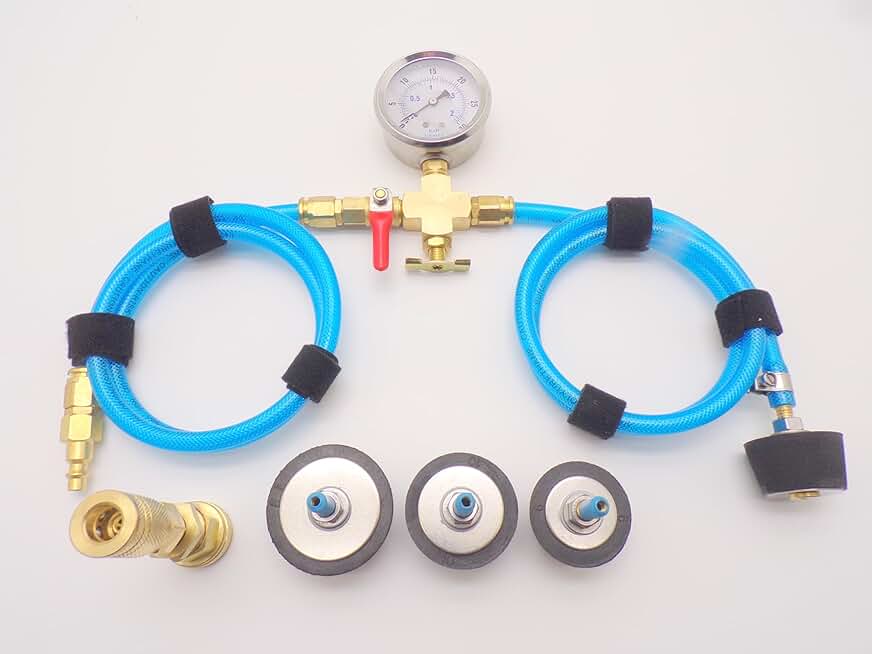
A thorough pool inspection must include pressure testing of underground plumbing lines to identify hidden leaks. Water loss can stem from cracked pipes, loose fittings, or failed seals, often going unnoticed until significant damage occurs to the surrounding decking or landscaping. Detecting these issues early saves thousands in repair costs and prevents structural compromise.
Pressure testing involves isolating the plumbing loop and pumping it to a specific PSI to monitor for drops. A steady pressure indicates intact lines, while a drop signals a breach. For surface-level checks, dye testers are essential for locating cracks in the shell or around fittings. Combining these methods provides a complete picture of the pool's plumbing health.
The following tools are essential for conducting a professional-grade leak detection inspection.


As an Amazon Associate, we may earn from qualifying purchases.
Safety and structural inspection essentials
A thorough pool inspection covers more than just the water chemistry. You need to evaluate the physical environment surrounding the basin, including fencing, decking, and the mechanical equipment that keeps the system running. These components are critical for preventing accidents and avoiding costly repairs down the line.
Start by checking the perimeter. Look for gaps in fencing that could allow unsupervised access, and inspect the decking for cracks or uneven surfaces that might cause trips. For the equipment area, verify that all electrical connections are protected by Ground Fault Circuit Interrupters (GFCIs) and that the pump and filter housings are free of leaks or corrosion.
To accurately assess these structural and electrical safety points, you need the right tools. The following gear will help you identify hidden risks in the pool's infrastructure.


As an Amazon Associate, we may earn from qualifying purchases.
| Tool | Primary Use | Benefit |
|---|---|---|
| Infrared Thermometer | Plumbing & Equipment | Spot hidden leaks via heat variance |
| Moisture Meter | Decking & Fencing | Confirm structural integrity |
| GFCI Tester | Electrical Systems | Ensure shock protection works |
How often to check your pool equipment
A professional pool inspection is a snapshot in time, but maintaining water safety and equipment health requires a consistent rhythm. Between professional visits, you should treat weekly chemical checks and monthly equipment reviews as non-negotiable habits. This routine catches small issues before they become costly repairs.
Weekly chemical checks
Test your water chemistry at least once a week to keep the pool safe for swimmers and gentle on your equipment. The three main tests you need to perform are for pH levels, total alkalinity, and chlorine concentration.
- pH Levels: Keep between 7.4 and 7.6. If the pH is too high, chlorine becomes less effective. If it is too low, it can irritate eyes and damage pool surfaces.
- Alkalinity: This acts as a buffer for pH. Keep it between 80 and 120 ppm to prevent pH from swinging wildly.
- Chlorine: Maintain free chlorine between 1 and 3 ppm to kill bacteria and algae effectively.
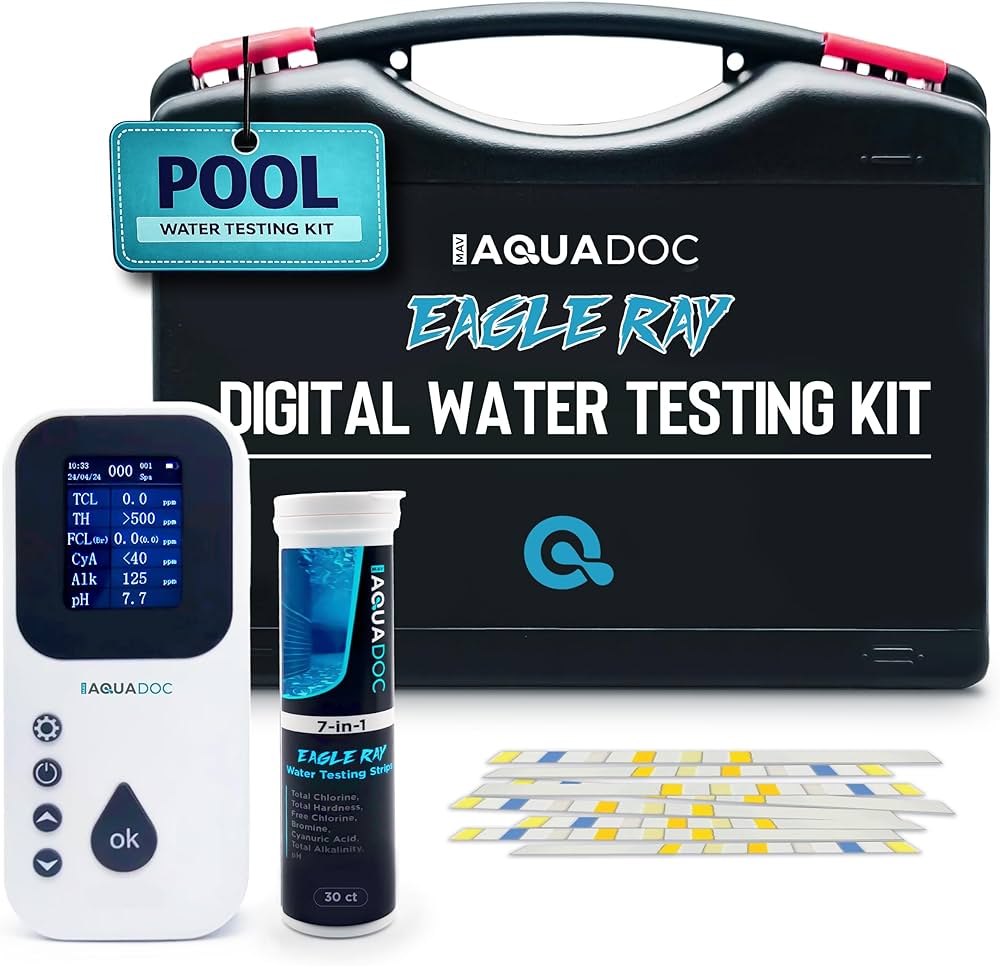
To ensure accuracy, use a reliable digital water testing kit. The AquaChek AquaTrend Digital Pool Water Tester provides quick, reliable readings for these essential parameters without the guesswork of strip tests.
Monthly equipment reviews
Once a month, step outside and inspect the physical components that keep your pool running. Visual checks can reveal leaks, wear, or blockages that chemicals cannot fix.
- Inspect the Pump and Filter: Look for unusual noises or vibrations. Check the pressure gauge; a significant increase usually means the filter is clogged and needs cleaning.
- Check for Leaks: Examine the pump basket, lids, and visible plumbing for signs of dripping or wet spots around the equipment pad.
- Clear Debris: Ensure the skimmer baskets and pump strainer baskets are free of leaves and dirt to maintain proper water flow.
A well-maintained pump is the heart of your pool system. The Hayward ProSeries Pump is designed for durability and quiet operation, making it a reliable choice for homeowners who want to minimize maintenance headaches.
When to call a professional
While weekly and monthly checks handle routine maintenance, you should schedule a professional inspection annually or before the heavy summer season. Professionals can perform pressure testing on underground plumbing lines and inspect electrical components that are unsafe for homeowners to touch.
For a comprehensive evaluation of your pool's structural integrity and electrical systems, consider hiring a certified inspector. Services like those offered by Swimming Pool Inspections cover everything from electrical equipment to leak detection, ensuring your investment is protected.

As an Amazon Associate, we may earn from qualifying purchases.
Frequently Asked Questions About Pool Inspections
Understanding the scope and cost of inspections helps you prepare for the process. Here are answers to common questions from buyers.


As an Amazon Associate, we may earn from qualifying purchases.
No comments yet. Be the first to share your thoughts!