

Why aquatic inspections matter in 2026
A professional aquatic inspection is more than a cursory look at your pool; it is a comprehensive audit of your home’s most complex mechanical and structural system. For homeowners in 2026, the stakes are higher than ever. Water chemistry, equipment longevity, and structural integrity are deeply interconnected, and a failure in one area often cascades into costly damage elsewhere.
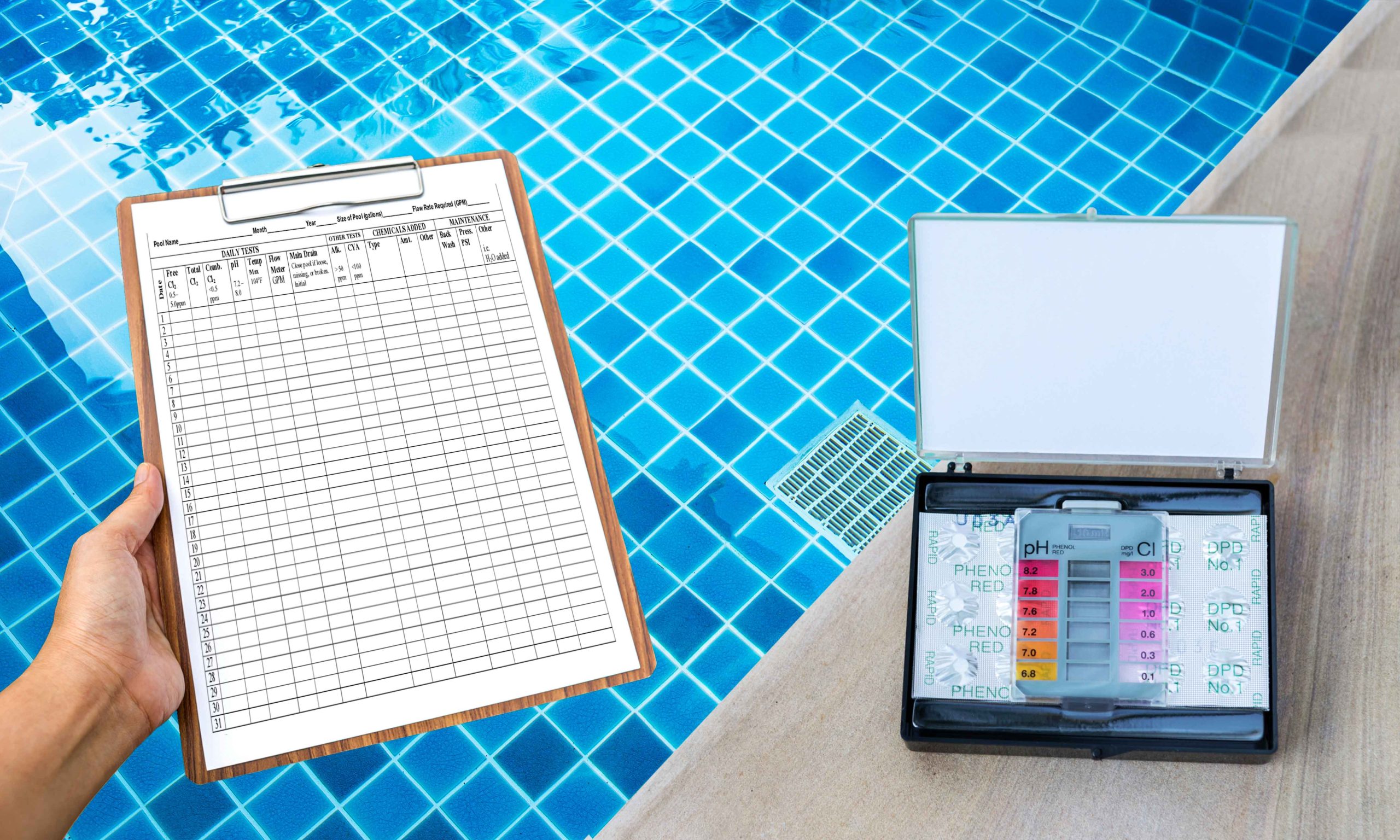
DIY checks often miss the subtle signs of trouble. A homeowner might notice cloudy water, but only a professional inspection can identify whether that cloudiness stems from a failing pump seal, a cracked conduit, or a subtle imbalance in alkalinity that is slowly eating away at the pool plaster. These hidden risks can compromise your home’s value and safety if left unaddressed.
Public health guidelines, such as those outlined by the CDC, emphasize that proper operation and maintenance are critical for preventing waterborne illnesses and equipment failure. An inspection bridges the gap between casual maintenance and rigorous safety standards, ensuring your pool remains a safe, enjoyable asset rather than a liability.
By catching issues early, you avoid the steep costs of emergency repairs. Whether you are preparing to sell your home or simply want to extend the life of your pool, an annual inspection provides the clarity needed to make informed decisions about your aquatic environment.
Estimate pool inspection costs
Pool inspection costs typically range from $125 to $350 for residential pools, with the average in California sitting between $175 and $250. The final price depends heavily on pool type, size, and location. Larger in-ground pools require more time to inspect than compact above-ground units. Adding features like spas or heaters also increases the scope of the assessment.
Use the tool below to estimate your budget. Select your pool type, enter the square footage, and check any add-ons. The calculator provides a rough estimate based on standard market rates for these variables.
This estimate covers the standard visual and operational check. If you need detailed water quality testing for contaminants, expect additional fees. These tests are often recommended for older pools or those in areas with known water quality issues. Always confirm what is included in the base inspection fee before hiring a professional.
What a Professional Pool Inspection Covers
A professional aquatic inspection goes beyond a quick glance at the water. It is a systematic evaluation of the pool’s shell, equipment, and chemistry to identify hidden risks before they become expensive repairs. This process ensures the facility is safe for swimmers and compliant with local health standards.
The inspection begins with the structural shell. Inspectors examine the liner or plaster for cracks, blisters, or delamination that could lead to leaks. They check the coping and deck for stability, looking for tripping hazards or gaps where water might seep into the underlying soil. For concrete pools, they look for signs of shifting or settling that compromise the structural integrity.
| Component | DIY Visual Check | Professional Inspection |
|---|---|---|
| Water Chemistry | Test strips or home kits | Lab-grade analysis for balanced pH, alkalinity, and sanitizer levels |
| Structural Integrity | Surface visual scan | Detailed assessment of shell, coping, and deck for cracks or leaks |
| Equipment Function | Listening for unusual noises | Pressure testing, motor amperage checks, and filter efficiency analysis |
| Hidden Plumbing | None | Video camera inspection of underground lines to detect blockages |
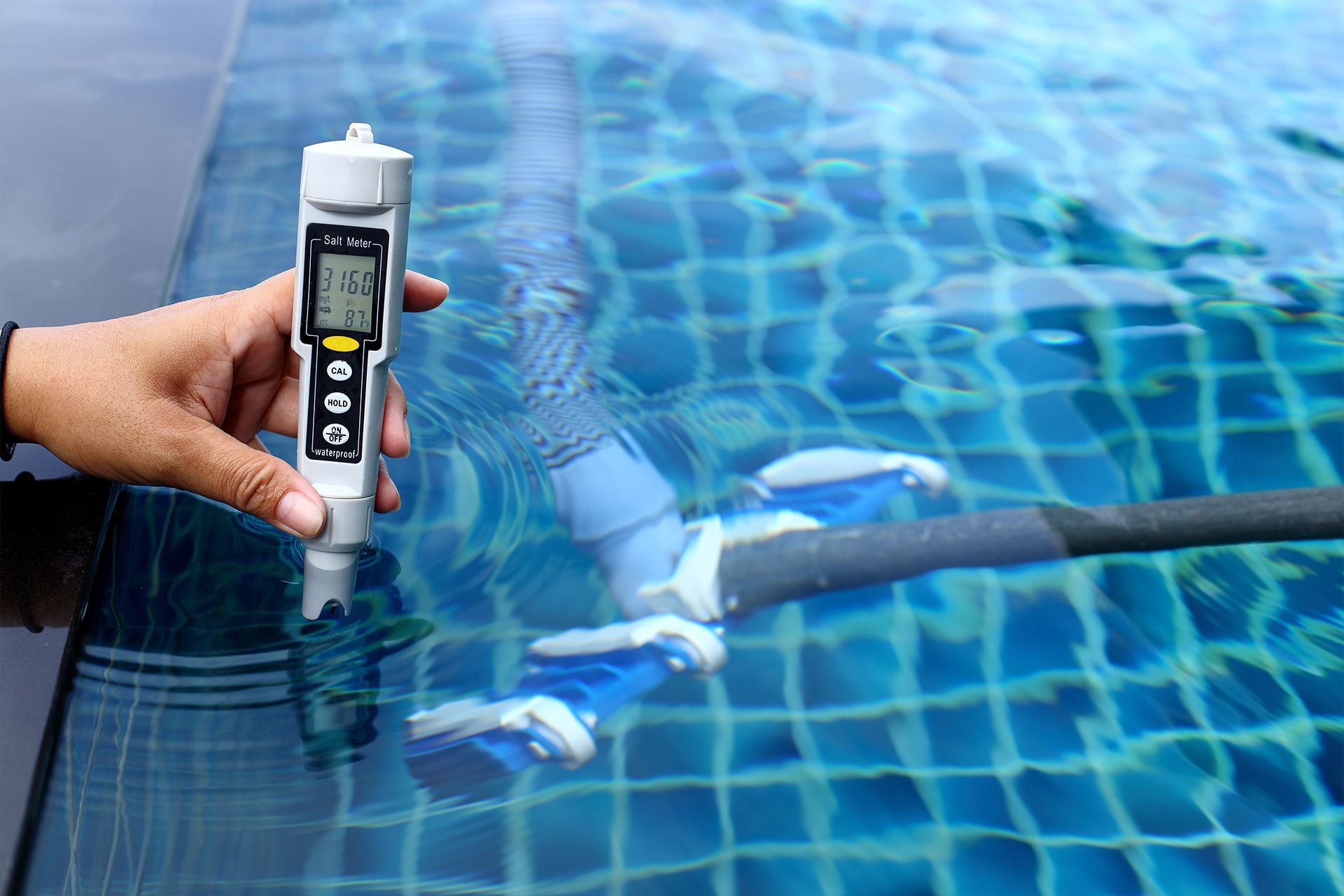
The mechanical systems receive equal attention. Inspectors test the pump, filter, and heater for proper function and efficiency. They check for leaks in the plumbing lines, which can waste water and damage the surrounding landscape. Specialized equipment, such as video cameras, may be used to inspect underground pipes for blockages or breaks that are not visible on the surface.
Finally, the electrical and safety components are reviewed. This includes checking GFCI outlets, bonding, and grounding to prevent electrical shocks. Inspectors also verify that safety features, such as drain covers and anti-entrapment devices, meet current safety standards. This comprehensive approach provides a clear picture of the pool’s condition and helps homeowners plan for necessary maintenance or repairs.
Common mistakes during pool assessments
Homeowners often treat a pool inspection like a casual glance, but the water hides structural and chemical issues that are invisible to the naked eye. Without professional tools, you miss the subtle signs of wear that eventually lead to costly repairs. A thorough assessment requires more than just skimming the surface; it demands a systematic check of every component.
Ignoring minor leaks
Small leaks are the most common oversight in self-inspections. A homeowner might see a wet patch on the deck and assume it is a spill, but it could be a failing plumbing joint or a crack in the shell. Professional inspectors use pressure testing to find leaks that are invisible to the naked eye. Ignoring these minor issues can lead to major structural damage, soil erosion, and inflated water bills. Catching a leak early is far cheaper than rebuilding a compromised foundation.
Misreading water chemistry
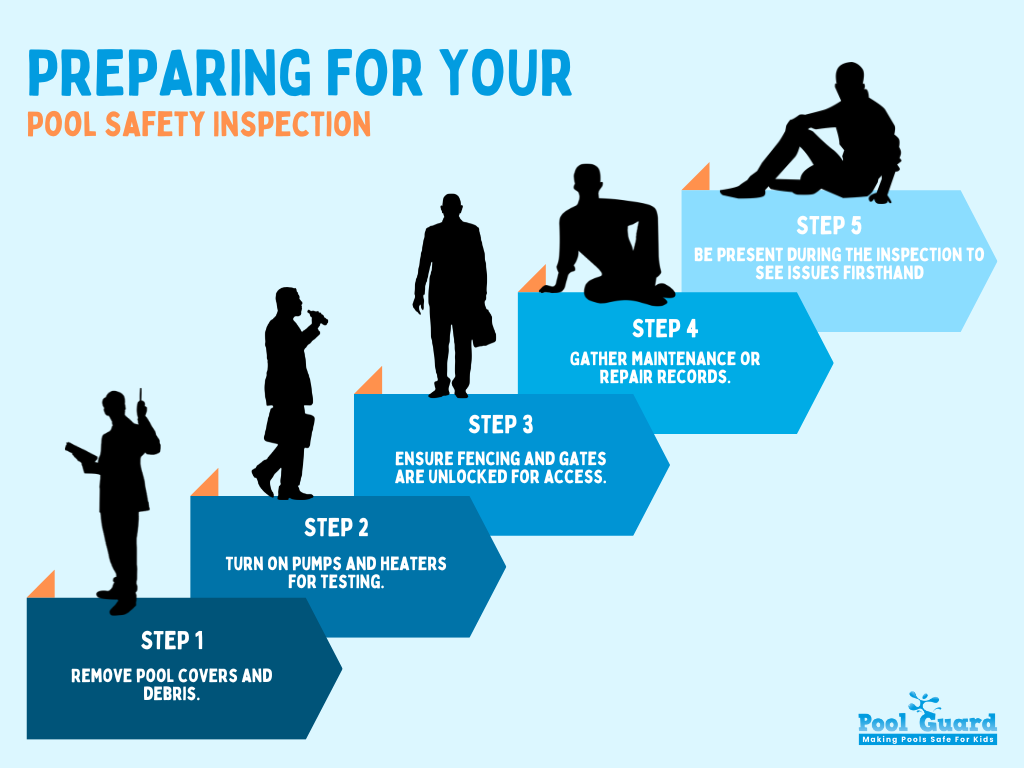
Testing strips are convenient, but they often lack the precision needed for a full condition assessment. Many homeowners rely on them to judge overall water health, missing critical imbalances in pH or alkalinity that cause corrosion or scaling. According to the CDC, proper inspection involves assessing whether operation and maintenance meet public health standards, which goes beyond simple strip tests. Relying on basic kits can give a false sense of security while the equipment degrades.
Skipping equipment checks
The pump, filter, and heater are the heart of the pool, yet they are often overlooked during casual checks. Homeowners frequently ignore unusual noises, vibration, or reduced flow, assuming the equipment will run itself. These signs indicate failing seals, clogged filters, or electrical issues that require professional diagnosis. A professional aquatic inspection includes a detailed review of mechanical systems to ensure they are operating efficiently and safely.
Forgetting safety compliance
Safety features are not just about aesthetics; they are legal requirements in many jurisdictions. Homeowners often forget to check that fences, gates, and covers meet current local codes. An outdated or broken safety barrier can lead to significant liability issues. Professional inspectors verify that all safety components are functional and compliant with local regulations, providing peace of mind and legal protection.
How to prepare for your aquatic inspection
A smooth aquatic inspection saves time and ensures the inspector can verify every system component. Preparation is the difference between a rushed walk-through and a thorough evaluation of your pool’s condition. Follow these steps to get ready.
Remove all furniture, toys, and debris from the pool deck. Inspectors need unobstructed access to the coping, tile line, and drainage areas. A clear perimeter allows them to check for cracks, loose tiles, or safety hazards without moving objects.
Collect your service records, chemical logs, and repair history. If you use an automated monitoring system, print the last six months of data. These documents help the inspector verify that water balance has been consistent and identify recurring issues.
Unlock gates, remove fences, or move obstacles blocking the pump pad and heater. Ensure the electrical panel is accessible. Inspectors must test the GFCI, check for proper grounding, and verify that the heater venting meets safety codes. Blocked access delays these critical checks.
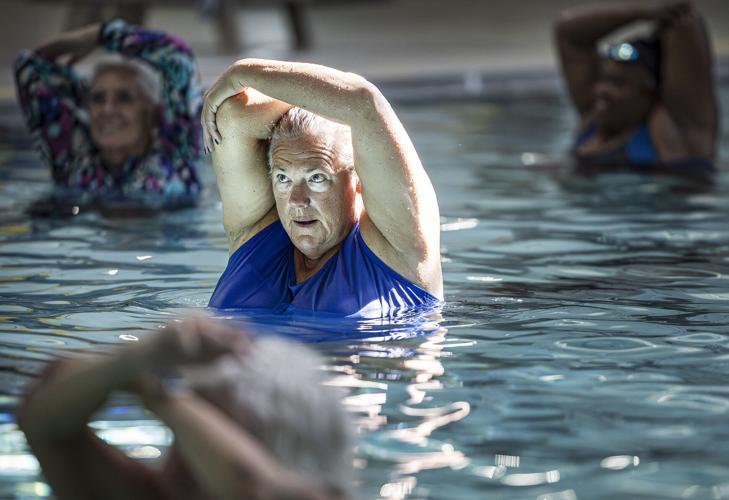
Check that the water level is at least halfway up the skimmer opening. If the pool is low, fill it before the inspector arrives. Low water levels prevent proper suction testing and can damage the pump if it runs dry during the inspection.
Note: Costs vary by region and inspector certification. This calculator provides a rough estimate based on national averages.
Preparation also means ensuring the water is balanced. While the inspector will test pH and sanitizer levels, having recent test results on hand can speed up the process. For specific water quality standards, refer to CDC guidelines on pool maintenance. A well-prepared pool leads to a more accurate assessment of its true condition.
Pool Inspection FAQs
Here are answers to common questions about aquatic inspections, covering costs, timing, and what inspectors actually check.
No comments yet. Be the first to share your thoughts!