
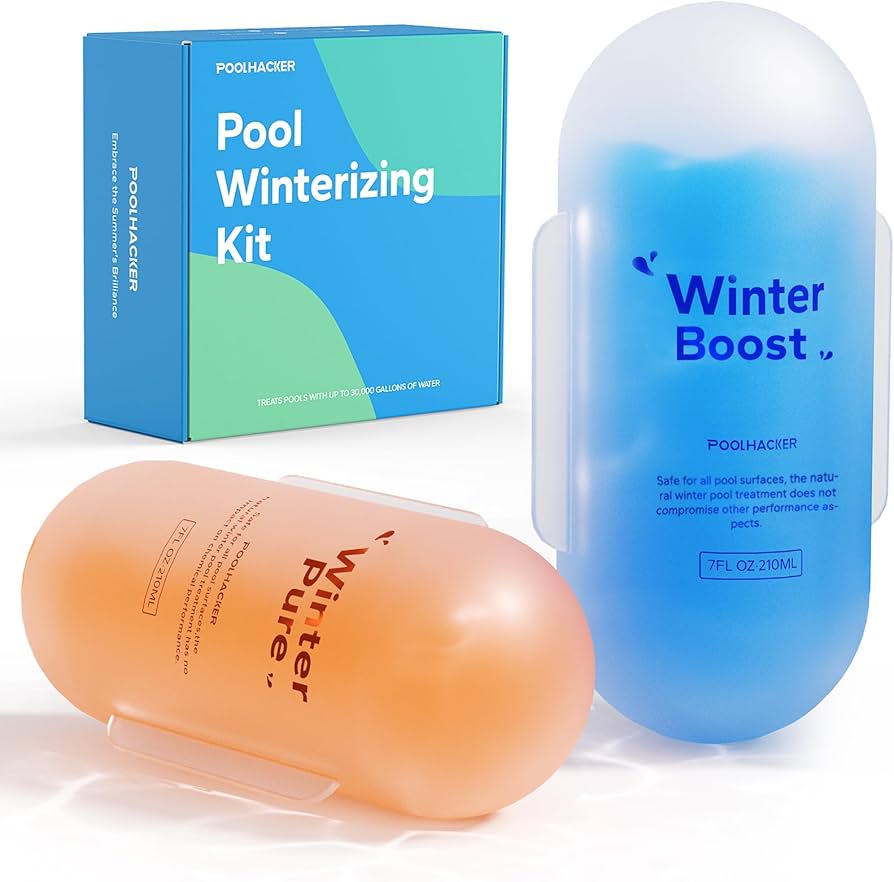

What the budget buys
Winterizing a pool is less about the price tag and more about matching the right protection to your pool’s age and local climate. A $200 DIY kit with a standard winterizing kit and basic chemicals can keep a newer, vinyl-lined pool safe in mild winters, but it often falls short in regions with harsh freeze-thaw cycles. In those cases, the cost of professional labor and higher-grade materials becomes an insurance policy against cracked pipes and ruined liners.
For older concrete or gunite pools, the stakes are higher. These structures are more susceptible to cracking if water expands inside the plumbing or if the shell isn’t properly balanced. Here, the budget should prioritize professional blowing out of lines and the installation of heavy-duty winter covers with safety anchors. Skipping this step to save a few hundred dollars can lead to repair bills that dwarf the initial savings.
Consider your climate as the primary driver of your budget. In Texas, where freezing is rare but algae blooms are common, a basic chemical shock and a mesh cover may suffice. In the Northeast, where ice sheets form, you need a solid safety cover and possibly a winterizing pump to manage water levels. The goal isn’t to spend the most, but to spend wisely on the specific threats your pool faces this season.
Models worth checking first
Choosing the right winterization equipment depends on your pool’s size, local freeze depth, and whether you plan to leave it open or closed for the season. The goal is simple: protect the plumbing from expansion damage and keep debris out of the water while you’re not using it. Below are the most reliable options for draining, covering, and circulating during cold months.
Submersible Pump Drainers
A submersible pump drainer is the fastest way to lower water levels in above-ground pools or for emergency draining. These self-priming units sit directly in the pool and push water out through a standard garden hose. They handle debris better than many external pumps, making them ideal for pools that haven’t been skimmed regularly. Look for models with a float switch to prevent dry running, which can burn out the motor quickly.
Winterizing Skimmers and Ice Eaters
Standard skimmer baskets often freeze solid, trapping ice and potentially cracking the plastic housing. Installing an adjustable winter skimmer or an "ice eater" allows water to circulate even when the surface freezes over. These devices maintain a small flow through the return line, preventing stagnant water from expanding and damaging the internal plumbing. They are particularly useful in regions where ice formation is rapid and unpredictable.
Heavy-Duty Winter Covers
A simple tarp is rarely enough. Professional-grade winter covers use reinforced polyethylene or mesh materials designed to withstand snow load and UV degradation. Mesh covers allow rain and meltwater to pass through, reducing the weight and the need for frequent water removal, while solid covers keep debris out but require a pump to remove accumulated water. Always pair your cover with a safety anchor system to prevent it from sinking or blowing away during winter storms.
ComparisonTable
| Feature | Submersible Drainer | Winter Skimmer | Winter Cover |
|---|---|---|---|
| Primary Function | Drains water quickly | Maintains flow under ice | Blocks debris and weather |
| Best For | Above-ground pools | In-ground pools with skimmers | All pool types |
| Maintenance Level | Low (check hose connection) | Medium (adjust for ice) | High (inspect anchors) |
| Cost Range | $50-$150 | $30-$80 | $100-$300 |
Check before you buy
Use this section to make the Pool Winterization checklist decision easier to compare in real life, not just on paper. Start with the reader's actual constraint, then separate must-have requirements from details that are merely nice to have. A practical choice should survive normal use, maintenance, timing, and budget. If a recommendation only works in an ideal situation, call that out plainly and give the reader a fallback path.
-
Verify the basicsConfirm the core specs, condition, and fit before comparing extras.
-
Price the downsideLook for the repair, maintenance, or replacement cost that would change the decision.
-
Compare alternativesCheck at least two comparable options before treating one listing as the benchmark.
Costs That Change the Math
A pool’s winterization checklist isn’t just a maintenance routine; it’s a financial safeguard. Skipping steps to save time or money upfront often leads to higher repair bills in spring. The difference between a $200 professional closing and a $2,000 spring cleanup usually comes down to how well the system was protected from freezing temperatures.
The Hidden Costs of DIY
When you winterize a pool yourself, you’re trading cash for labor. However, the risks are real. A single frozen pipe can burst, damaging the pool structure and surrounding decking. The cost of replacing a cracked pipe or refilling a drained pool often exceeds the price of hiring a professional.
Consider the chemicals. Proper balancing prevents algae and scale buildup during the dormant months. If you skimp on winterizing chemicals, you may face a massive shock treatment in spring. The cost of high-quality stabilizers and shock treatments is minimal compared to the labor of scrubbing an algae-infested pool.
When Cheap Stops Being Cheap
Some pool owners buy the cheapest winterizing kit available. These kits often lack the durability to withstand harsh winters. A cheap cover might tear in high winds, leaving debris to rot in the water. This leads to increased chemical usage and more frequent cleaning.
Investing in a high-quality winterizing kit pays off. A durable cover, a reliable pump protector, and balanced chemicals ensure your pool is ready to swim in spring without a hitch. The upfront cost is higher, but the long-term savings in repairs and maintenance are significant.
Professional vs. DIY
| Task | DIY Cost | Professional Cost | Risk Level |
|---|---|---|---|
| Pump Winterization | $0 (your time) | $50-$100 | High |
| Cover Installation | $0 (your time) | $100-$200 | Medium |
| Chemical Balancing | $50-$100 | $75-$150 | Low |
| Full Winterization | $100-$200 | $300-$500 | Low |
The table above shows that while DIY seems cheaper, the risk of costly mistakes is high. Professional services often include a thorough inspection, catching small issues before they become big problems. This peace of mind is worth the extra cost for many homeowners.
Final Thoughts
Winterizing your pool is an investment in its longevity. By understanding the costs and risks, you can make informed decisions that protect your pool and your wallet. Whether you choose DIY or professional services, ensure you follow a comprehensive checklist to avoid costly surprises in spring.
Common questions about pool winterization
Do I need to buy special winterizing chemicals? Yes. Regular maintenance chemicals won't suffice for months of stagnation. You need a winterizing kit containing a shock treatment, algaecide, and a specific winterizing additive to prevent scale and algae growth while the filtration system is offline. Balancing the pH and alkalinity before closing is just as critical as adding these chemicals.
Can I use a regular tarp instead of a winter pool cover? No. A standard tarp lacks the UV resistance and tensile strength of a dedicated winter cover. It will tear within weeks, allowing debris and rain to enter the pool, which drastically increases the workload in spring. A proper winter pool cover with a roller system or safety anchors is essential for protecting the water surface and equipment.
Should I drain the pool to lower the water level? Lower the water level below the skimmer opening, but never drain the pool entirely. Leaving some water provides hydrostatic pressure to counteract ground pressure that can crack the pool shell or pop the liner. Additionally, keeping the water level above the return jets ensures that any remaining water in the plumbing doesn't freeze and burst the pipes.
How do I know if my pool winterization was successful? Success means zero visible algae, clear water (though slightly cloudy is normal), and intact plumbing lines in spring. If you find green water or slimy surfaces when you reopen, the chemical balance was off or the cover let in too much sunlight. A successful winterization means you can skip the heavy scrubbing and start fresh with a simple vacuum and filter backwash.
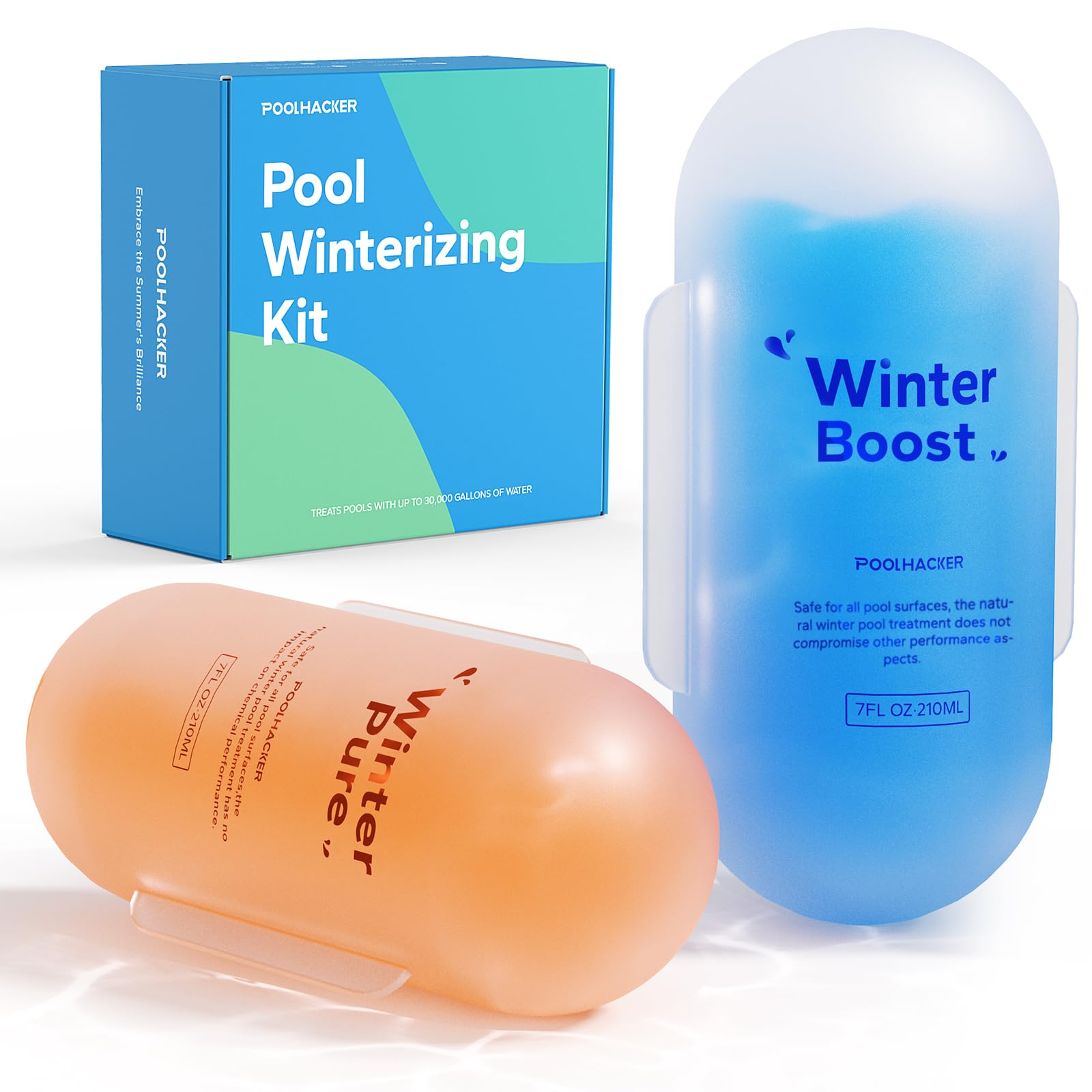
Helpful gear
Use these product recommendations as a starting point, then choose the size, material, and price point that fit how you actually use the gear.

As an Amazon Associate, we may earn from qualifying purchases.
No comments yet. Be the first to share your thoughts!