

Why a swimming pool inspection matters
A swimming pool adds significant value to a home but poses substantial financial risk if neglected. While standard home inspections cover the house structure, they rarely evaluate the complex mechanical and structural systems of the pool itself. A dedicated swimming pool inspection is essential to identify hidden defects in the shell, filtration, and heating equipment that could turn a leisure amenity into a major liability.
Professional inspectors look beyond surface aesthetics to test the integrity of the pool shell for cracks or leaks and verify that circulation systems function correctly. For instance, a small crack in a concrete gunite pool can lead to soil erosion under the foundation, while a failing pump motor can cost thousands to replace. Identifying these issues early allows buyers to negotiate repairs, request credits, or walk away from a property with compromised infrastructure.
Calculate potential repair costs
A swimming pool inspection reveals financial liabilities hidden beneath the water. For homebuyers, these findings determine whether a defect is a manageable maintenance bill or a catastrophic capital expense. Understanding the cost of common defects provides leverage in negotiations, allowing you to ask the seller to credit you for repairs or lower the purchase price.
The biggest financial risks usually lie in the pool’s structure and mechanical systems. A failing pump is an inconvenience, but a cracked gunite shell or leaking vinyl liner can cost tens of thousands to fix. Use the calculator below to estimate the repair range for your potential new pool based on the pool type, age, and specific issues identified.
Inspect the pool structure and shell
The pool shell is the foundation of your swimming pool inspection. Just as a house needs a solid foundation, a pool needs an intact basin to hold water safely. Cracks, tears, or blisters in the structure can lead to costly repairs and safety hazards. We examine the interior surface for signs of stress or damage that compromise the pool's integrity.
Concrete and Gunite Cracks
Concrete pools are durable but not immune to shifting. We look for hairline cracks, which are often cosmetic, versus structural cracks that run vertically or diagonally across the floor or walls. A simple test involves filling the pool with water and marking the water level. If the water level drops faster than normal evaporation rates, the crack may be leaking into the surrounding soil, indicating a serious structural failure.
Vinyl Liner Tears and Wrinkles
Vinyl pools rely on a flexible liner to hold the water. We inspect the liner for punctures, tears, or thinning areas, particularly around steps and corners where wear is common. Significant wrinkles or slack in the liner can indicate that the underlying sand or concrete base has shifted or settled. While minor wrinkles might be cosmetic, large folds can trap debris and create breeding grounds for bacteria, affecting water quality and safety.
Fiberglass Blisters and Delamination
Fiberglass shells are generally low-maintenance but can suffer from osmotic blistering. These appear as small, raised bumps on the surface. While small blisters are often superficial, large blisters or areas where the fiberglass layer is separating from the core (delamination) can weaken the shell. If the gel coat is bubbling extensively, it may allow water to penetrate the fiberglass layers, leading to structural degradation over time.
Test mechanical systems and equipment
The mechanical room is where a swimming pool inspection often uncovers the most expensive repairs. Pumps, filters, and heaters work in tandem to keep water clear and safe, and when one component fails, it strains the entire system. During a professional inspection, the focus shifts from the water's surface to the concrete pad where the machinery lives.
Inspectors start with the pump, the heart of the circulation system. They listen for unusual grinding or humming noises that signal bearing wear or impeller damage. A visual check looks for cracks in the pump basket or leaks around the seal, which can lead to motor burnout. The filter is next; inspectors check the pressure gauge to ensure it falls within the normal range. High pressure often indicates a clogged cartridge or a blocked sand bed, while low pressure might suggest a suction leak or a failing impeller.

Heaters and automation systems require similar scrutiny. For gas heaters, inspectors look for proper venting and check for corrosion on the heat exchanger, which can lead to dangerous carbon monoxide leaks or costly water damage. Electric heaters are checked for tripped breakers or burnt connections. Automation panels are tested to ensure all relays click correctly and that the system responds to manual overrides, preventing future control failures.
Check electrical and safety compliance
Electrical faults and missing safety barriers are the most dangerous oversights in a home sale. A swimming pool inspection must verify that all wiring, grounding, and barriers meet current codes to prevent electrocution and drowning liability.

All pool equipment—including pumps, heaters, and motors—must be protected by Ground Fault Circuit Interrupters (GFCIs). These devices cut power within milliseconds if they detect a ground fault. Ask the inspector to test the GFCI breaker or outlet with a tester; if it doesn't trip immediately, the system is unsafe.

Check that all underwater lights are properly grounded and that transformers are located at least six feet from the pool edge. Look for cracked lenses or exposed wiring in the equipment pad, which can lead to short circuits or water intrusion.

Fences, gates, and covers must form an unbroken barrier. Ensure the fence is at least four feet high with self-closing, self-latching gates that open away from the pool. Verify that there are no climbable objects, such as patio furniture or trees, within three feet of the barrier.

| Feature | Residential | Public/Commercial |
|---|---|---|
| Fence Height | 4 feet minimum | 5 feet minimum |
| Gate Latching | Self-closing, self-latching | Self-closing, self-latching, alarmed |
| Water Depth Markers | Not always required | Required at all depths |
| Skimmer Guards | Not required | Required to prevent entrapment |
Non-compliance with these standards can void homeowner insurance or create significant legal liability. If you are buying a home with a pool, insist on a professional electrical and safety inspection before closing.
Review deck and drainage conditions
A swimming pool inspection must extend beyond the water to the surrounding hardscape. The deck and drainage systems act as the first line of defense for the pool shell. When these areas fail, water intrusion can compromise structural integrity, leading to costly repairs and serious liability risks for the homeowner.
Inspect the deck surface
Walk the entire perimeter of the pool deck. Look for tripping hazards such as uneven pavers, cracked concrete, or loose tiles. Pay close attention to the coping—the edging material between the water and the deck. Gaps between the coping and the pool shell can allow water to seep behind the structure, causing erosion or shifting over time.
Check for sinking or settling
Stand back and view the deck from a distance. A level deck is critical; slopes toward the pool indicate drainage failure. If you notice sections of the deck sinking or tilting, it may signal soil erosion underneath. This is especially common under wooden decks or around above-ground pools where water has pooled and washed away the supporting soil.

Verify proper drainage slope
Water should always flow away from the pool structure. Pour a bucket of water on the deck near the pool edge. If the water pools or flows toward the pool, the grading is incorrect. Poor drainage forces water into the pool shell or the surrounding soil, which can lead to hydrostatic pressure issues and structural damage to the pool shell.
Examine deck materials
The material of your deck dictates the type of wear and tear to expect. Concrete decks may develop hairline cracks, which are common but should be monitored for widening. Wooden decks require checks for rot, splintering, and loose fasteners. Ensure that any sealants or stains are intact to protect the material from water damage and UV exposure.
Final swimming pool inspection checklist
Use this checklist as your guide during the actual inspection. It covers the critical systems that determine a pool’s long-term viability and safety. Treat this not as a suggestion, but as a mandatory verification of the home’s infrastructure.
Structural Integrity
Walk the entire perimeter. Look for hairline cracks in the gunite or concrete shell, especially near the skimmer and main drain. Check the coping stones for movement or gaps that could indicate settling. Inspect the tile line for missing pieces or discoloration, which often signals water intrusion behind the wall.
Mechanical Systems
Turn on the pump and filter. Listen for unusual grinding or humming, which suggests bearing failure or a clogged impeller. Check the pressure gauge; normal readings vary by filter type, but sudden spikes indicate a dirty filter or blockage. Verify that the heater ignites and reaches the set temperature within a reasonable timeframe.
Safety and Compliance
Test the auto-fill valve to ensure it maintains the correct water level without overflowing. Inspect the skimmer baskets for debris that could restrict flow. Verify that the pool drain covers are VHP (Vented Hydrostatic Pressure) compliant to prevent entrapment hazards. Check that the GFCI outlets for pumps and lights trip instantly when tested.
Water Quality
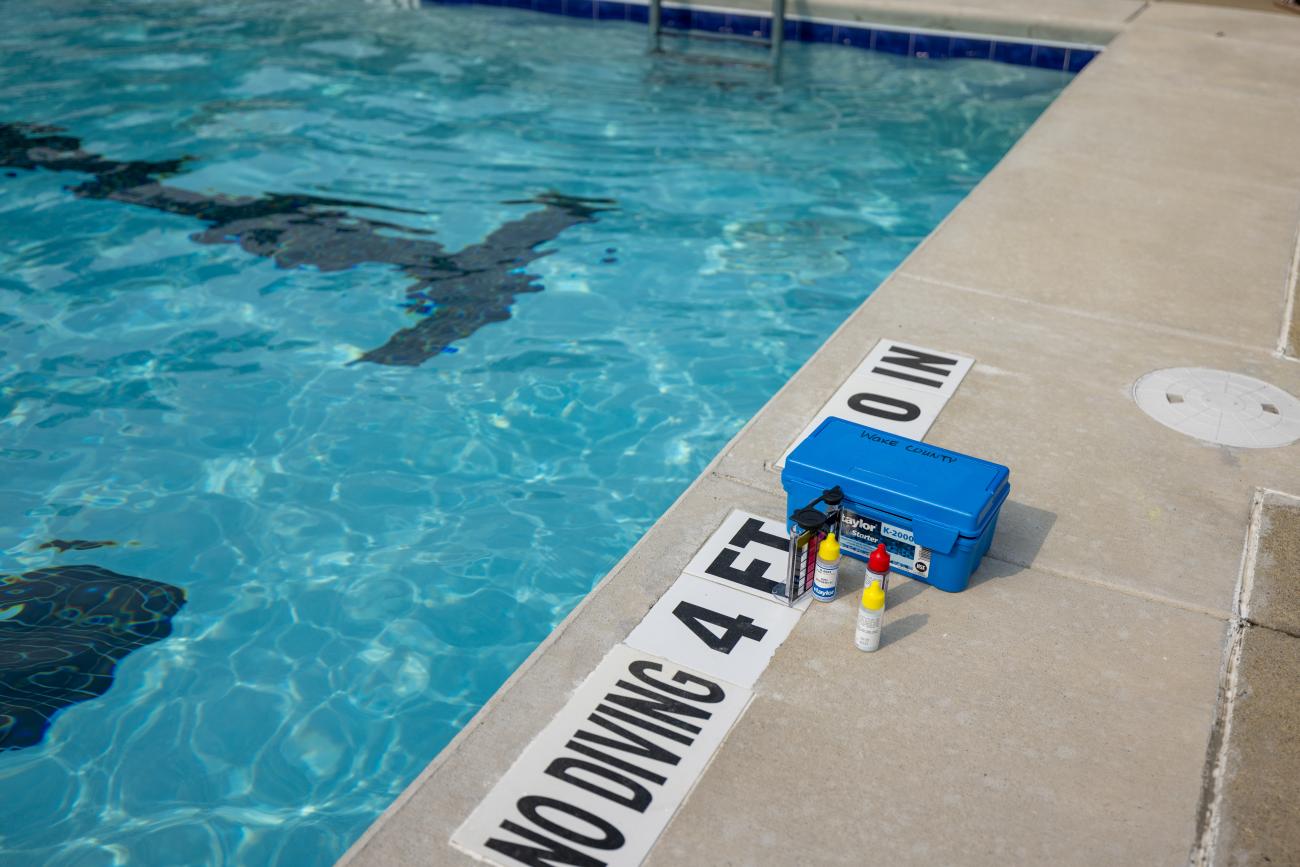
Test the water balance before leaving. Ideal levels are pH 7.4–7.6, total alkalinity 80–120 ppm, and calcium hardness 200–400 ppm. Cloudy water or strong chlorine odors often indicate poor circulation or improper chemical balance, not just an excess of chlorine.
Common questions about pool inspections
A swimming pool inspection reveals hidden structural and mechanical defects before they become expensive repairs. Homebuyers often ask how frequently these checks are necessary and what specific components an inspector examines.
How often should a swimming pool be checked?
For a residential pool during a home purchase, a professional inspection should happen once, prior to closing. The inspector checks the shell, liner, and equipment for defects like cracks or leaks. However, routine maintenance requires more frequent attention. Water chemistry should be tested every two to four hours for pools without automatic dosing systems to prevent algae and corrosion.
What does a pool inspector look for?
Inspectors examine the pool shell for hairline cracks, loose tiles, or crumbling grout. They test the pump, filter, and heater for proper operation and check for electrical grounding issues. A failing filter or a pump with a burnt seal can cost thousands to replace, making these early detections critical for your budget.
How much does a pool inspection cost?
A standard swimming pool inspection typically costs between $200 and $500, depending on the size and complexity of the system. This fee covers a thorough visual and mechanical assessment. If the inspector finds major issues, they may recommend a specialized engineer’s report, which adds to the cost but protects you from buying a defective property.
No comments yet. Be the first to share your thoughts!