

How AI pools changed since 2023
AI pool automation is standard now. Since 2023, systems have moved past basic remote controls to software that predicts when a pump might fail or when the water needs more chlorine. These systems aren't just for luxury builds anymore; they are affordable enough for most backyard pools.
This change is driven by a few key factors. The cost of essential components – sensors, controllers, and communication modules – has decreased substantially. Simultaneously, advancements in machine learning algorithms have improved the accuracy and reliability of these systems. The result is a generation of "AI pools" that offer substantial benefits over traditional setups.
It’s important to understand that this isn’t just about being able to adjust the pool temperature from your phone. These systems learn a pool’s individual characteristics, anticipating needs and proactively preventing problems. They analyze data points beyond what a human operator could reasonably monitor consistently, offering a level of precision and efficiency previously unattainable. The emphasis has shifted from reacting to issues to preventing them.
We're seeing a move toward pools that essentially manage themselves, freeing up pool owners from the constant cycle of testing, adjusting, and troubleshooting. This isn’t to say those tasks are eliminated entirely, but the frequency and complexity are drastically reduced. The goal is a consistently clean, safe, and enjoyable swimming experience with minimal effort.
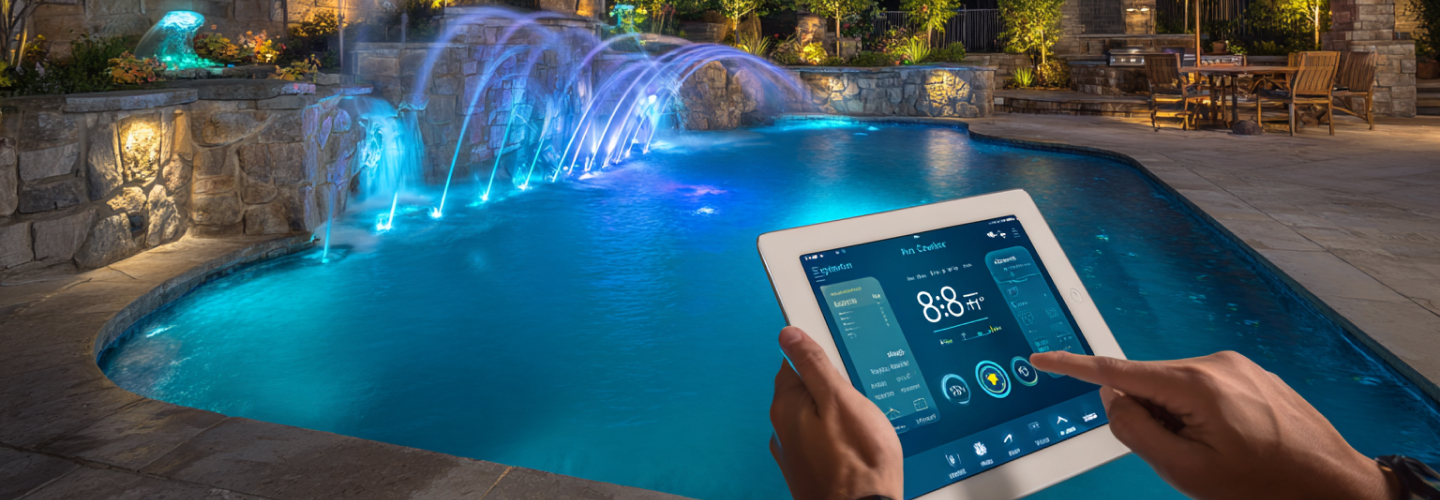
The hardware inside an automated pool
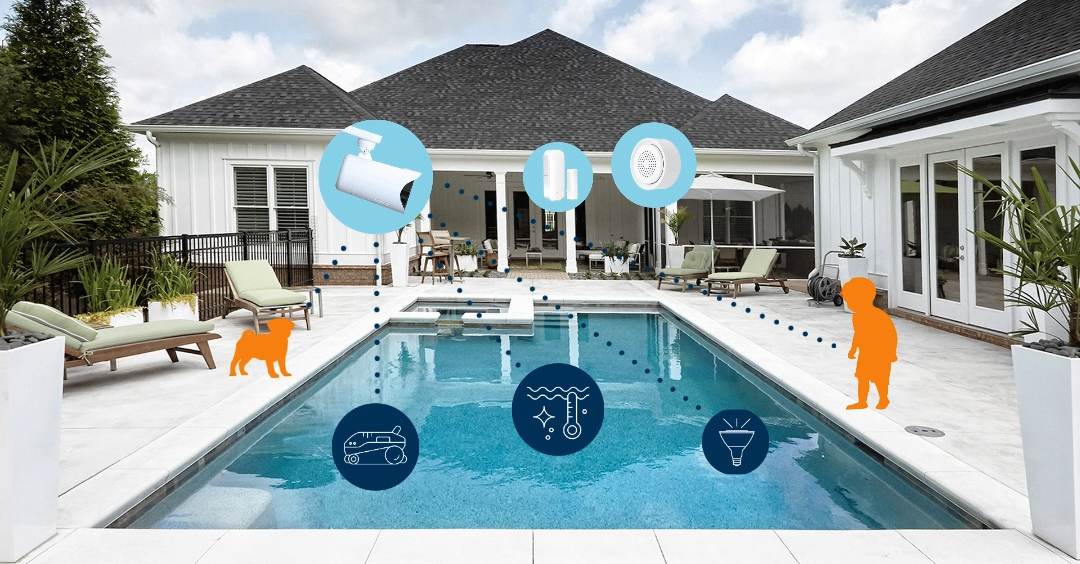
An AI-powered pool system is a network of interconnected hardware and software components working in concert. At its heart are a series of sensors constantly monitoring various parameters. These include water chemistry sensors measuring pH, chlorine, cyanuric acid, calcium hardness, and alkalinity. Flow sensors track pump performance, while temperature sensors monitor water and air temperature. Leak detection sensors are also becoming increasingly common, providing early warnings of potential problems.
A central controller acts as the hub. It processes sensor data and tells the hardware what to do. If the chlorine drops, the controller triggers the feeder. It’s a simple loop, but the software is smart enough to know if a reading is a temporary glitch or a real trend that needs a fix.
Pool cleaners are also increasingly integrated into these systems, with robotic cleaners often receiving commands directly from the controller. The central AI processing unit itself can range from a dedicated embedded system to a cloud-based server, depending on the complexity of the system. Cloud connectivity is becoming standard, enabling remote monitoring, software updates, and data analysis.
The communication between these components is critical. Open communication protocols, like those based on Wi-Fi or Bluetooth, are essential for ensuring interoperability. However, this connectivity also introduces security concerns. Robust cybersecurity measures, including encryption and authentication, are vital to protect against unauthorized access and potential hacking. Data security is paramount, as these systems collect detailed information about pool usage and operating conditions.
Automated chemistry beyond pH levels
Traditional pool automation often focused primarily on pH and chlorine control. Modern AI systems go far beyond this, providing precise management of a wider range of chemical parameters. They can actively monitor and adjust levels of cyanuric acid – essential for UV protection but potentially problematic at high concentrations – calcium hardness, alkalinity, and other critical factors.
This precise chemical dosing offers several benefits. Firstly, it leads to significant cost savings. By optimizing chemical usage, these systems minimize waste and reduce the need for frequent refills. Secondly, it improves swimmer comfort. Balanced water chemistry reduces irritation to eyes and skin. Thirdly, it protects pool equipment from corrosion and scaling.
Many advanced systems employ machine learning to adapt to a pool’s specific needs over time. They learn how factors like sunlight, bather load, and rainfall affect water chemistry, and adjust their algorithms accordingly. This personalized approach ensures optimal water quality with minimal intervention. Systems like those offered by Aquatics Vision emphasize this adaptive learning capacity.
The ability to remotely monitor and adjust chemical levels is also a major advantage. Pool owners can receive alerts if levels deviate from the ideal range and make adjustments from anywhere with an internet connection. This level of control provides peace of mind and ensures consistent water quality, even when away from home.
Predicting failures before they happen
Perhaps the most compelling benefit of AI-powered pool systems is their ability to predict potential equipment failures before they occur. These systems continuously analyze data from various sensors – pump performance, filter pressure, motor current, and more – to identify anomalies that could indicate an impending problem. This is a significant leap forward from reactive maintenance, where repairs are only made after a breakdown.
Consider a common scenario: a pool pump begins to lose efficiency due to impeller wear. A traditional approach would only detect this when the pump starts to struggle or fails completely. An AI system, however, can detect subtle changes in pump current and flow rate that indicate early signs of wear. It can then alert the pool owner to schedule maintenance before a complete failure occurs.
The benefits of proactive maintenance are substantial. Reduced downtime means less disruption to pool enjoyment. Extended equipment life translates to lower long-term costs. And lower repair bills – often significantly lower – provide immediate financial savings. Machine learning plays a key role in improving prediction accuracy. As the system collects more data, its algorithms become more refined and capable of identifying subtle patterns.
Amenity Pool highlights the importance of this proactive approach, emphasizing the reduction in emergency service calls and the increased lifespan of pool equipment. This isn't about replacing equipment prematurely; it's about optimizing maintenance schedules to prevent catastrophic failures and maximize the value of your investment.
- The system monitors pump performance for weird power draws.
- It analyzes filter pressure to tell you exactly when to backwash.
- Track motor current and voltage.
- Detect unusual vibrations or noises.
How to inspect a smart system
A thorough inspection of a smart pool system is essential to ensure its accuracy and reliability. This goes beyond simply checking if the system is "on’ or ‘off". A professional inspector should begin by verifying sensor calibration. Each sensor – pH, chlorine, flow, temperature, leak detection – must be tested against known standards to ensure it's providing accurate readings.
Next, the controller’s functionality should be assessed. This includes verifying that it’s correctly receiving data from all sensors and that it’s responding appropriately to changes in those readings. Actuator testing is also crucial. Each valve, pump, and cleaner should be individually tested to confirm it’s operating as expected. Network security checks are paramount; ensure the system is protected by a strong password and that the firmware is up-to-date.
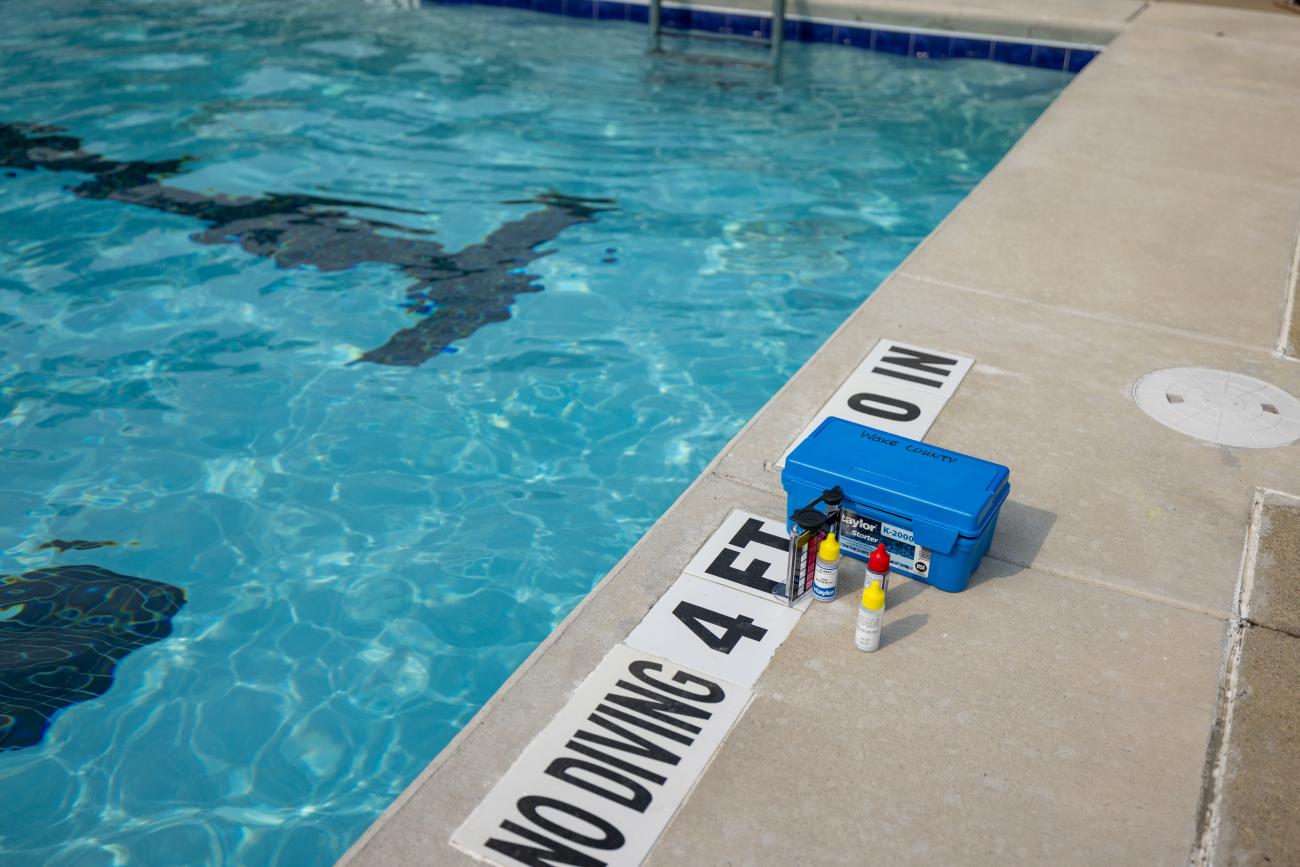
Inspectors should also examine the system’s data logs to identify any historical anomalies or patterns that might indicate underlying problems. Look for inconsistencies in sensor readings or unusual fluctuations in chemical levels. Pay close attention to the system’s communication protocols and ensure that all components are communicating effectively. Tools needed for a comprehensive inspection include a multimeter, a pH meter, a chlorine test kit, and a network analyzer.
Troubleshooting common issues often involves checking wiring connections, verifying power supplies, and resetting the controller. It’s important to note that attempting complex repairs without proper training can void warranties and potentially damage the system. Regular inspections – at least annually, or more frequently for heavily used pools – are vital to maintaining the long-term health and performance of your AI-powered pool.
Deciding between DIY and professional help
Homeowners can handle some aspects of smart pool system maintenance themselves, but it’s crucial to understand the limits of your expertise. Simple tasks like sensor replacement – if you’re comfortable with basic electrical connections – and software updates can often be performed without professional assistance. Basic troubleshooting, such as checking power supplies and verifying wiring connections, is also within the reach of many homeowners.
However, attempting complex repairs – such as diagnosing and fixing controller issues or repairing intricate sensor networks – without proper training can be risky. You could potentially damage the system, void your warranty, or even create a safety hazard. It’s also important to remember that these systems often require specialized tools and knowledge to diagnose and resolve issues effectively.
Professional help usually costs between $75 and $150 an hour. While I like saving money on DIY fixes, a pro is better for diagnosing a fried circuit board or a complex network error. Local shops like Pinch A Penny can handle the calibration if you aren't comfortable with the software side.
Ultimately, the decision of whether to DIY or hire a professional depends on your skill level, comfort level, and the nature of the problem. When in doubt, it’s always best to err on the side of caution and consult with a qualified pool technician.
What's coming next
The evolution of AI-powered pool automation is far from over. We can expect to see continued advancements in AI algorithms, leading to even more accurate predictions and optimized performance. Sensor technology will also continue to improve, with the development of more sensitive and reliable sensors capable of detecting a wider range of parameters.
Integration with other smart home systems is another key trend. Imagine a pool that automatically adjusts its temperature and lighting based on your preferences and the weather forecast. Or a system that integrates with your home security system to automatically shut down the pool pump in the event of a security breach. These are just a few examples of the possibilities.
Personalized pool experiences based on user preferences and environmental conditions are also likely to become more common. Systems could learn your swimming habits and adjust the water temperature and lighting accordingly. They could also optimize chemical levels based on the number of swimmers in the pool. The goal is to create a truly customized and enjoyable swimming experience.
Energy savings and sustainability are also driving innovation in this space. AI-powered systems can optimize pump schedules and reduce chemical usage, leading to lower energy consumption and a smaller environmental footprint. We may also see the development of more energy-efficient pool equipment, such as variable-speed pumps and LED lighting.

No comments yet. Be the first to share your thoughts!