

Start with water balance
Before you drop a net into the water or vacuum the floor, you need to check the chemistry. Clear water isn't just about removing debris; it's about creating an environment where algae can't survive and equipment doesn't corrode. Think of chemical balance as the immune system of your pool. If the numbers are off, even the cleanest water will turn green or cloudy within days.
The goal of pool maintenance is to keep sanitizer levels effective and pH stable. This prevents scale buildup on your heater and pipes, and it ensures that chlorine actually kills bacteria instead of just sitting in the water. Skipping this step is like trying to paint a wall without primer—the finish won't last, and the underlying issues will show through.
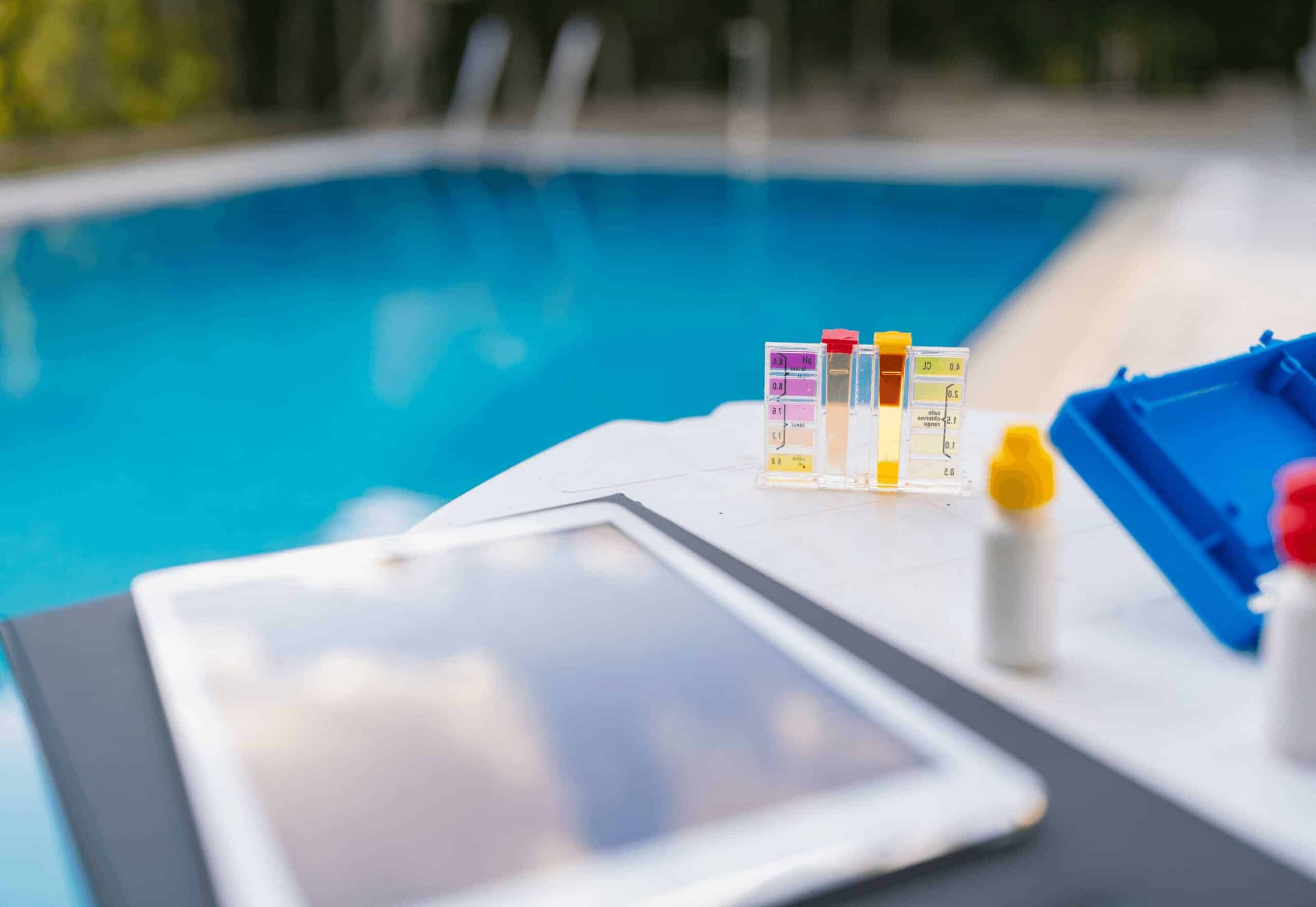
Use a liquid test kit or digital meter to check your pH, total alkalinity, and chlorine levels. Test strips are fast but often inaccurate; for reliable pool maintenance, liquid reagents give you the precision needed to make safe adjustments. Test at least once a week, or after heavy rain or heavy use.
Alkalinity acts as a buffer for your pH. If it's too low, your pH will swing wildly, making it impossible to keep the water balanced. If it's too high, your pH will stay stubbornly high, leading to cloudy water and scale. Adjust alkalinity first, then wait a few hours before tweaking pH.
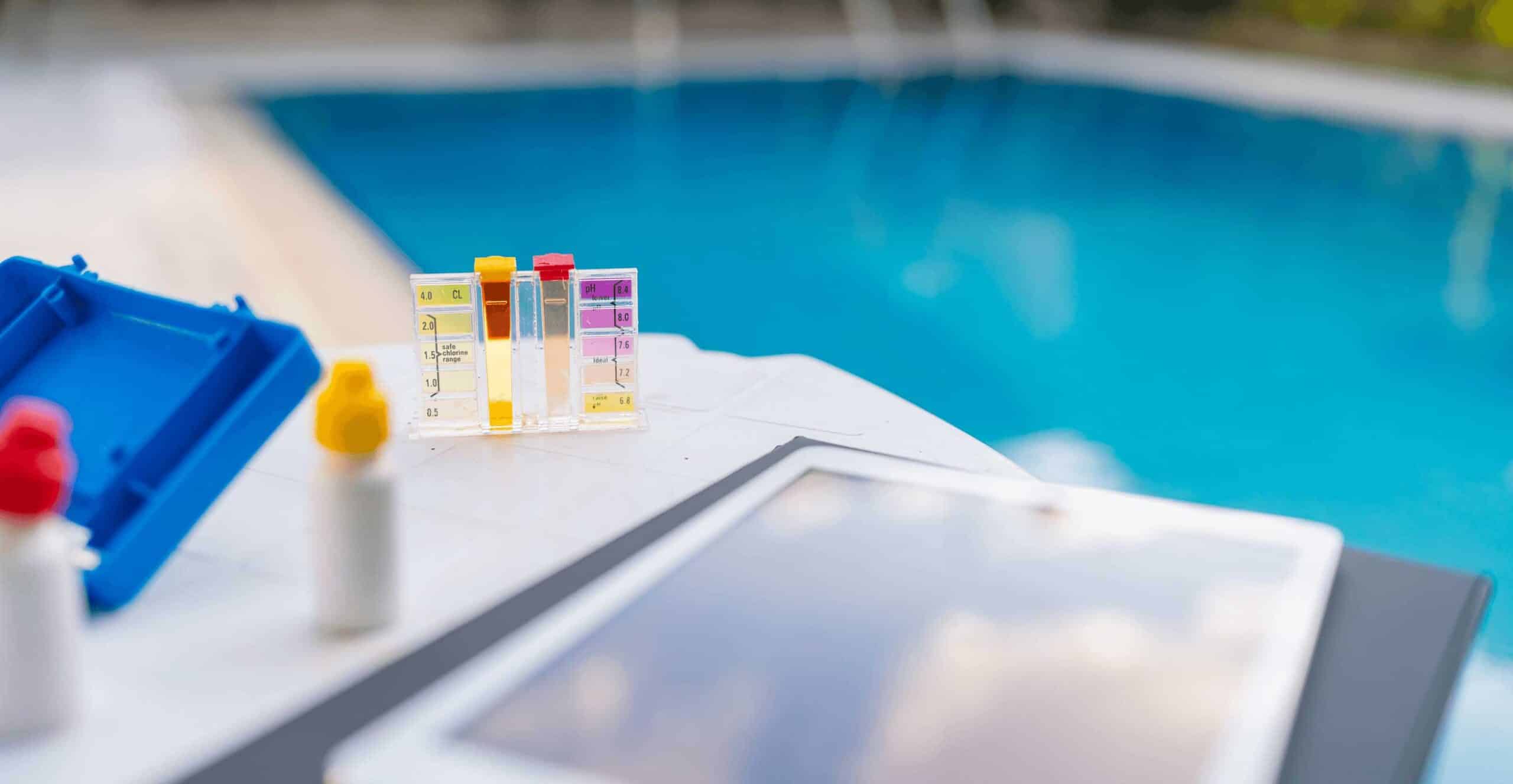
Aim for a pH between 7.4 and 7.6. This range is comfortable for swimmers' eyes and skin, and it allows chlorine to work at maximum efficiency. If the pH is too high, chlorine becomes less effective; if it's too low, it evaporates too quickly and can damage pool surfaces.
Once pH is stable, add chlorine or bromine to reach the recommended level, typically 1-3 ppm for chlorine. This residual sanitizer keeps the water safe by neutralizing contaminants as they enter the pool. Without this baseline, physical cleaning is just a temporary fix.
With the chemistry locked in, you can move on to physical cleaning with confidence. The water will stay clear longer, and your equipment will thank you for the protection.
Skim, brush, and vacuum
Physical cleaning is the first line of defense in pool maintenance. Chemicals kill bacteria, but they cannot remove leaves, dust, or the sticky biofilm that forms on surfaces. If you skip the physical scrub, you are fighting a losing battle against algae and cloudy water. Follow this sequence to remove debris before it settles or spreads.
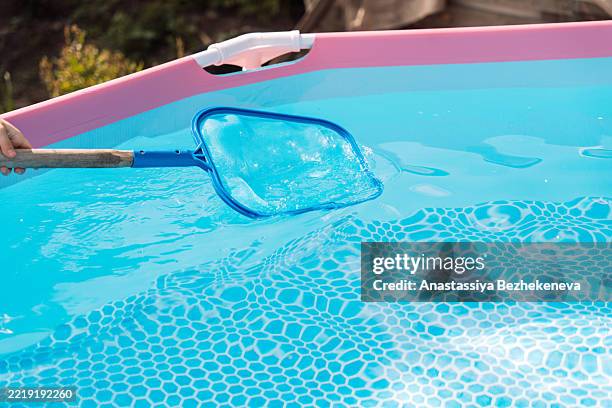
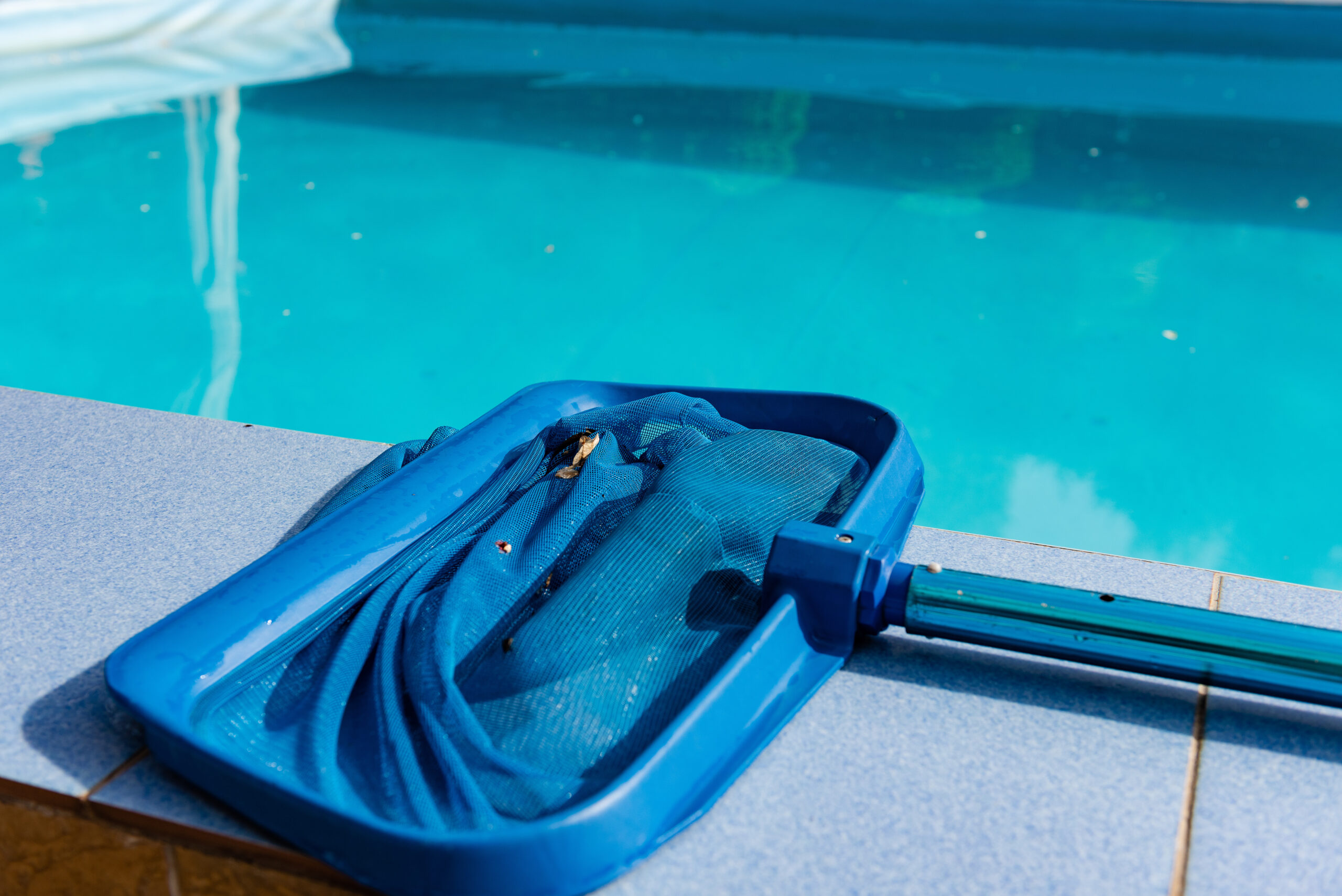
Start with the pool net. Remove leaves, insects, and floating debris before they sink to the bottom. Sinking debris becomes food for bacteria and consumes your chlorine reserves. A quick five-minute skim each morning prevents the bulk of the heavy lifting later in the week. Make sure to check corners and behind ladders where debris tends to collect.
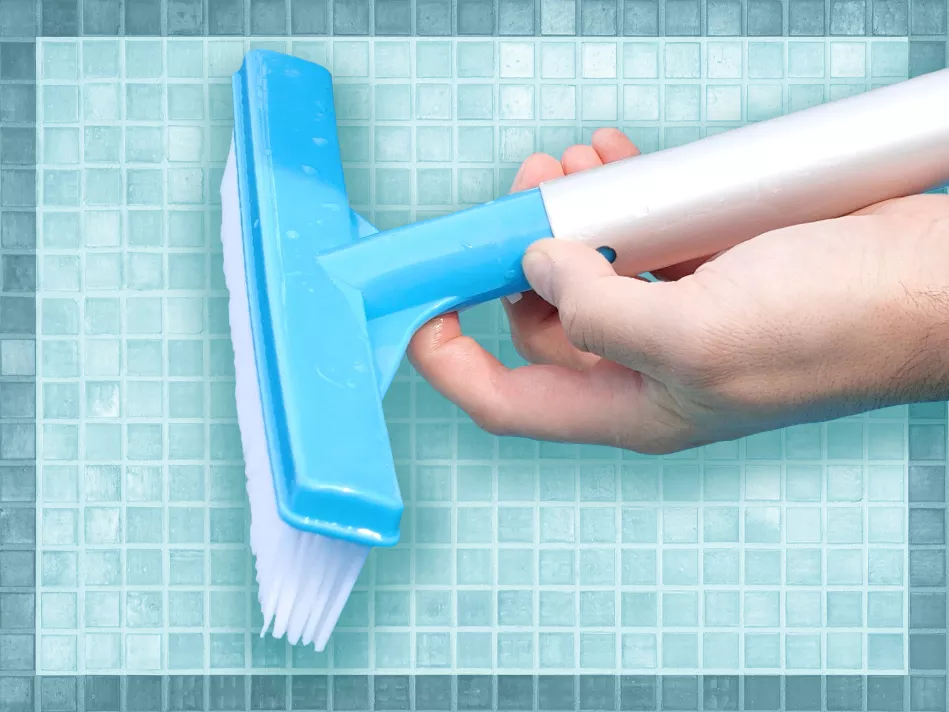
Algae and biofilm cling to walls and floors, creating a slimy layer that chemicals struggle to penetrate. Use a stiff brush to scrub the entire perimeter and floor. This breaks up the biofilm so your sanitizer can actually reach the bacteria. Pay special attention to the waterline tile, where oils and sweat accumulate. Brushing also prevents stains from setting into the plaster or vinyl.
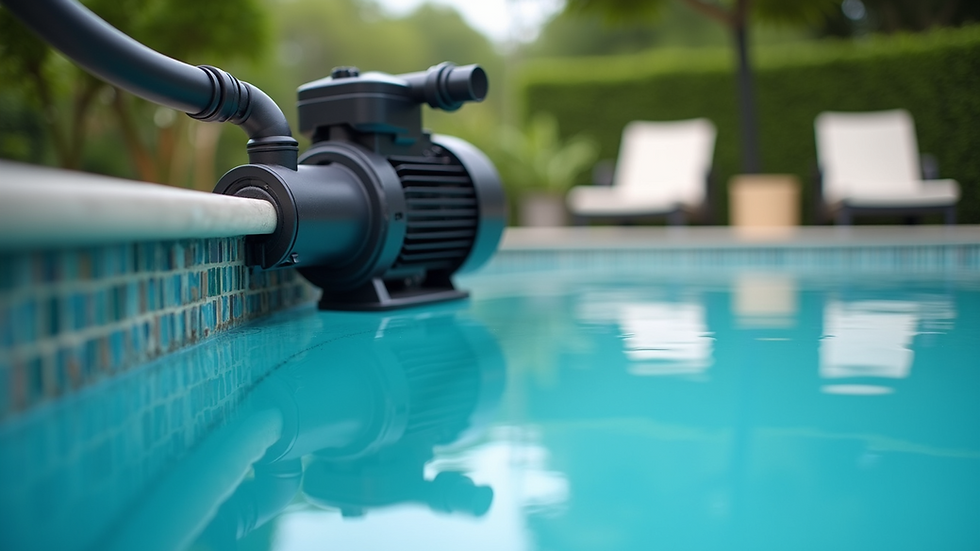
After brushing, the dislodged dirt settles on the pool floor. Use a manual or automatic vacuum to remove this sediment. If you have a manual vacuum, attach it to your telescopic pole and move slowly to avoid stirring up dust. Connect the hose to the skimmer or dedicated suction port. Vacuuming removes the particulate matter that makes water look cloudy and strains your filter system.
Completing this sequence keeps the water clear and reduces the workload on your filtration system. Running the filter for about eight hours daily helps circulate the water after you have physically removed the bulk of the debris. This routine prevents the common issues of cloudy water and algae blooms that often result from poor filtration or infrequent cleaning.
Check the filter system
A clear pool starts with a clean filter. The filtration system is the heart of your Pool Maintenance routine, trapping dirt, pollen, and debris before they cloud the water. If the filter is clogged, circulation slows, chemicals don't distribute evenly, and algae can take hold.
Monitor filter pressure
Your filter has a pressure gauge that tells you when it needs attention. When the filter is clean, it operates at a baseline pressure—usually between 10 and 20 psi, depending on your system. As dirt accumulates in the filter media, the gauge reading rises.
Call your pool professional or manufacturer to find your specific clean starting pressure. Once you know that number, watch for an increase of 8 to 10 psi above it. That spike means the filter is restricted and needs cleaning. Ignoring this rise forces your pump to work harder, wasting energy and reducing water flow.
Clean or backwash the filter
How you clean the filter depends on the type you have. Sand and diatomaceous earth (DE) filters use backwashing, while cartridge filters require manual rinsing or replacement.
Backwash sand or DE filters
Backwashing reverses the water flow to flush trapped debris out of the filter and down the drain. Turn off the pump, set the multiport valve to "Backwash," and run the pump for 2 to 3 minutes until the water in the sight glass runs clear. Then, set the valve to "Rinse" and run it for another minute to settle the media. Finally, return the valve to "Filter" and restart the pump.
Turn off the pool pump at the breaker or switch to ensure no water is moving through the system.
Move the multiport valve handle to the "Backwash" position. If you have a push-pull valve, pull it out.
Turn the pump back on and let it run for 2–3 minutes until the sight glass water looks clear.
Turn off the pump, set the valve to "Rinse," run for 30–60 seconds, then turn off again and set to "Filter."
Clean cartridge filters
Cartridge filters don't use backwashing. Instead, remove the cylindrical cartridges and rinse them with a garden hose. Spray from the inside out to push debris away from the pleats. If the cartridges are old or stained, soak them in a filter cleaning solution overnight. Replace cartridges every 1–3 years, or sooner if the pleats are torn or hardened.
Check pump and skimmer baskets
While the filter is the main engine, the pump and skimmer baskets are the first line of defense. Empty these baskets weekly. A full basket restricts water flow, causing the pump to lose prime or overheat. If you notice the pump making a gurgling noise, check the baskets first—they are often the culprit.
Keeping your filter system clean ensures your Pool Maintenance efforts actually result in clear, safe water. A clogged filter is the fastest way to turn a sparkling pool into a green swamp.
Prevent common pool issues
Cloudy water and algae are the most frequent headaches for pool owners, but they are rarely accidents. They are usually the result of poor filtration, chemical imbalances, or infrequent cleaning. These problems can escalate quickly, affecting water safety and appearance, but consistent pool maintenance keeps them at bay.
Think of your filtration system as the pool’s immune system. When it runs efficiently, it traps debris and circulates chemicals evenly. If the filter is clogged or the pump isn’t running long enough, contaminants settle. This stagnation creates the perfect breeding ground for algae, which turns water green and slippery. Shocking the pool at night and backwashing the filter every other week are simple tasks that prevent this cycle before it starts.
Chemical balance is the second line of defense. Testing pH levels weekly ensures that chlorine remains effective. If the pH is too high, chlorine cannot kill bacteria or algae spores, no matter how much you add. Maintaining proper chlorine and pH levels acts like a shield, neutralizing threats before they become visible clouds or slick patches.
A consistent pool maintenance schedule is your best tool against these issues. By tracking water levels, skimming debris daily, and testing chemistry weekly, you avoid the emergency fixes that cost time and money. Prevention is always cheaper and easier than restoration.
Weekly pool maintenance checklist
Clear water doesn’t happen by accident. It requires a consistent weekly routine that keeps debris out and chemicals balanced. This checklist outlines the essential steps to maintain your pool maintenance schedule without overwhelm.
-
Test pH and chlorine levels with a reliable kit or test strips. Adjust chemicals as needed to keep pH between 7.2 and 7.6.
-
Skim the surface with a net to remove leaves, insects, and floating debris before they sink and decay.
-
Brush the walls and floor to prevent algae buildup and ensure even chemical distribution across all surfaces.
-
Empty the skimmer and pump baskets to maintain proper water flow and filter efficiency.
-
Check the water level. If it’s below the skimmer opening, add water to prevent the pump from drawing in air.
Stick to this sequence every week. Consistency is the most effective way to prevent cloudy water and costly repairs later.
Pool maintenance: frequently asked: what to check next
Keeping your pool clear requires consistency more than perfection. Most pool maintenance problems stem from skipped steps or chemical imbalances that go unchecked for too long. Here are the most common questions about keeping your water clean and safe.
No comments yet. Be the first to share your thoughts!