

5 Critical Maintenance Tips
Execute these five maintenance steps to protect your pool's structural integrity and ensure regulatory compliance. Prioritize official inspection protocols to mitigate high-stakes risks associated with deferred upkeep.
-
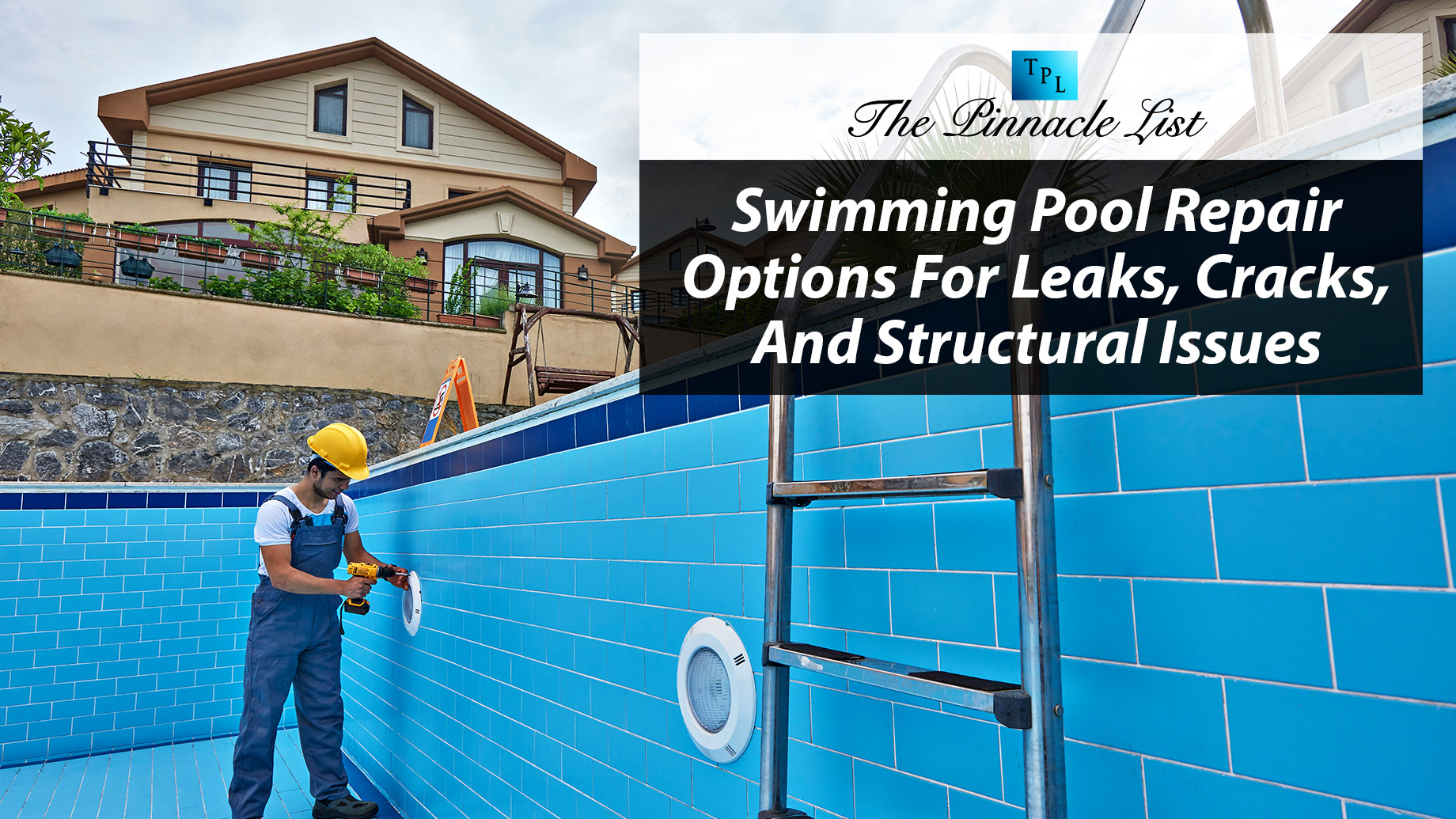
Inspect structural frame for cracks
Begin by examining the pool’s structural frame for hairline fractures or shifting joints. Water intrusion into compromised concrete or steel can accelerate corrosion and lead to catastrophic failure. Use a flashlight to highlight surface irregularities, paying close attention to the cove area where the wall meets the floor. Document any visible damage with timestamped photos for professional assessment. Early detection prevents minor leaks from becoming expensive structural repairs, preserving the integrity of the entire basin. -

Test electronic control systems
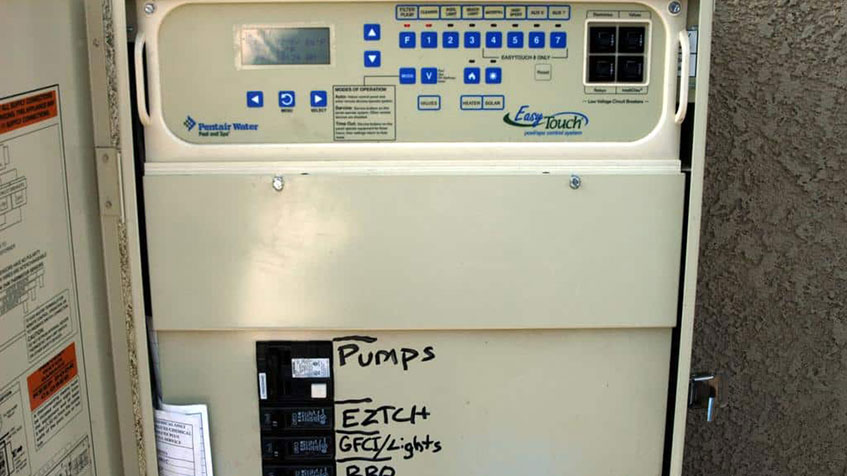
Activate the main control panel to verify communication between sensors and actuators. Check that the automation system correctly cycles through filtration, heating, and lighting modes without error codes. Review the diagnostic log for intermittent faults that may indicate failing relays or corroded wiring connections. Ensure all digital displays are legible and responsive to user inputs. A malfunctioning control system can waste energy and leave equipment vulnerable to damage during unmonitored periods, making this electrical audit essential for long-term reliability. -
Verify safety sensor calibration
Test all safety sensors to ensure they trigger alarms or shutdowns within specified milliseconds. Place an object in the water to confirm that automatic covers engage or pumps cease operation immediately. Check that light curtains and pressure mats are free of debris that could cause false negatives. Calibration drift is common in outdoor environments due to temperature fluctuations. Properly calibrated sensors are your first line of defense against accidental submersion, ensuring compliance with local safety regulations and protecting users from severe injury. -

Check hydraulic fluid levels
Inspect the hydraulic reservoirs for pumps and automated valves to ensure fluid levels are within the manufacturer’s recommended range. Low fluid can cause pump cavitation, leading to seal failure and motor burnout. Look for signs of leaks around hose connections and fittings, which often indicate worn gaskets or loose clamps. Top up with the specified hydraulic oil type if necessary, avoiding cross-contamination with other fluids. Maintaining proper hydraulic pressure ensures smooth operation of heavy components and extends the lifespan of critical mechanical parts. -
Review compliance documentation
Compile and verify all recent inspection reports, maintenance logs, and regulatory certificates. Ensure that water chemistry records meet local health department standards for pH, chlorine, and total alkalinity. Check that liability insurance policies are current and cover commercial or public usage if applicable. Update any expired permits required for seasonal operation or public access. Proper documentation protects owners from legal liabilities and fines, providing a clear audit trail that demonstrates due diligence in maintaining a safe and compliant aquatic environment.
Prep your pool for inspection
Before a professional inspector arrives, clear all obstacles to ensure a thorough evaluation of structural integrity, equipment function, water quality, and safety features. Debris, furniture, or tangled hoses can block access to critical components like the pump, filter, or skimmer, preventing the inspector from verifying their condition or identifying hidden damage.
Remove all pool toys, floats, and cleaning tools from the water and surrounding deck. Clear lounge chairs or umbrellas within three feet of the pool edge to allow safe perimeter walking and inspection of the decking and coping for cracking or uneven settling.
Clear the equipment pad by removing boxes, plants, or storage items near the pump, filter, heater, and valves. Inspectors need clear access to check seal conditions, gauge readings, and plumbing connections. For saltwater systems, ensure the salt cell is accessible, as corrosion on these components is a common failure point.
Ensure the water level sits at the midpoint of the skimmer opening. Water that is too low risks pump dry-run overheating, while water that is too high prevents proper skimming during flow tests. A clear view of the water surface helps the inspector assess circulation and identify floating debris indicating filtration issues.
Check structural integrity first
A professional pool inspection prioritizes the shell, as structural damage compromises the entire system. A cracked pool cannot hold water, and leaking water undermines surrounding soil and decking. Inspectors examine the pool's structural integrity visually and mechanically to catch these issues early.
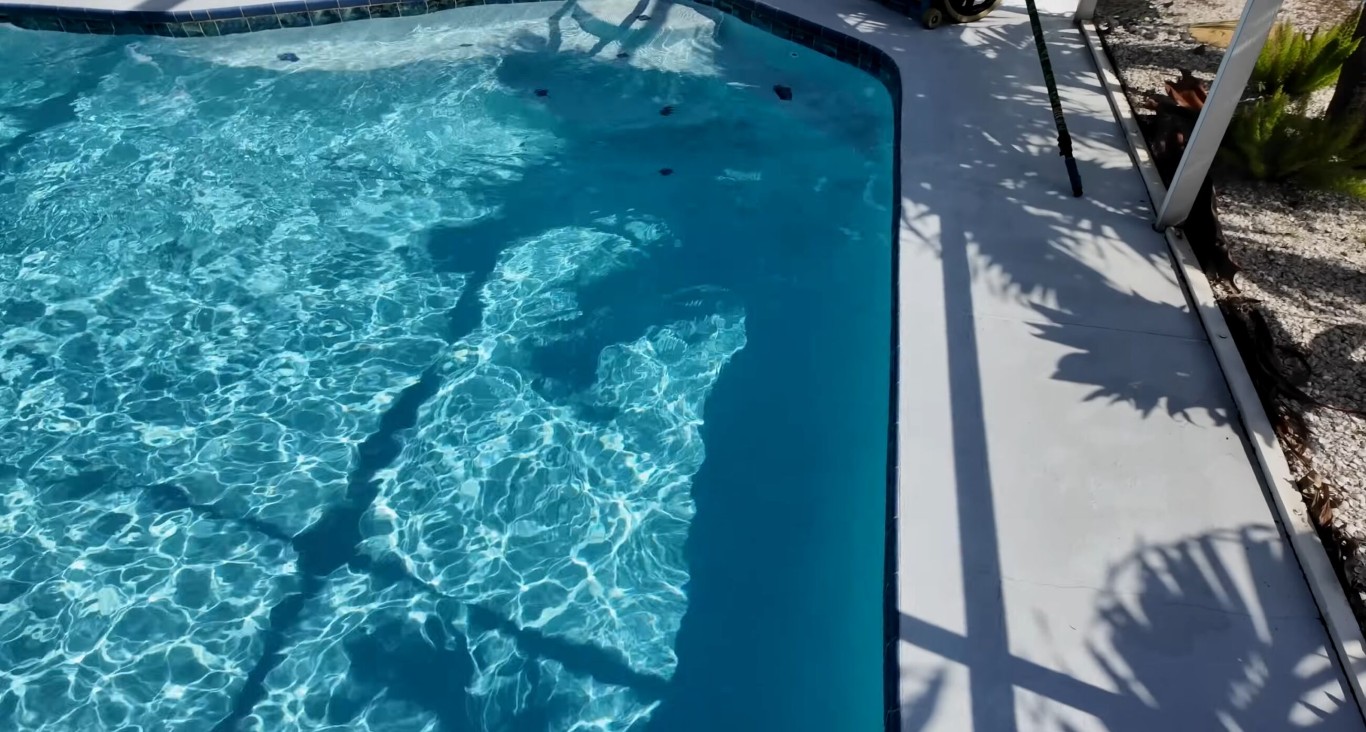
Look for hairline cracks in the plaster or tile line. These fissures often start small but can widen with freeze-thaw cycles or ground movement. Check coping stones and the deck for uneven settling. If the deck has shifted, it can pull away from the pool shell, creating gaps where water escapes and causes erosion underneath.
Water quality and equipment are secondary to the pool's ability to hold water. If the structure is sound, then you can move on to the mechanical systems. Start with the shell to ensure the foundation is stable.
Test all mechanical systems
A professional inspection verifies that the pool’s mechanical systems operate efficiently and safely. Inspectors evaluate pumps, filters, and heaters to ensure they meet operational standards and are free from defects that could lead to costly failures or safety hazards.
Pump Evaluation
The inspection begins with the pump, the heart of the pool’s circulation system. Inspectors check for proper priming, unusual noises, and leaks at the pump basket and seals. They verify that the motor runs at the correct speed and that the impeller is free of debris. A struggling pump increases energy costs and reduces filtration efficiency.
Filter Assessment
Next, the filter’s condition is examined. Inspectors look for cracks in the tank, damaged laterals, and clogged media. They test the pressure gauge to ensure it reads within the normal operating range. A filter that cannot hold pressure or has high differential pressure indicates a blockage or a structural failure that needs immediate attention.
Heater Inspection
The heater is tested for proper ignition, flame stability, and heat exchange efficiency. Inspectors check for signs of corrosion, leaks in the heat exchanger, and proper venting of combustion gases. A failing heater not only wastes fuel but can also pose a carbon monoxide risk if the venting is compromised.
Safety and Compliance
Finally, inspectors verify that all mechanical components comply with local safety codes. This includes checking for proper grounding, GFCI protection, and secure mounting. Ensuring compliance prevents electrical hazards and protects the pool owner from liability issues.
Verify water chemistry balance
Water chemistry is the invisible backbone of pool health. Poor balance doesn't just irritate skin and eyes; it actively corrodes metal components, stains plaster, and degrades vinyl liners. During a professional pool inspection, verifying that chemical levels fall within the recommended ranges is as critical as checking the structural integrity of the walls.
Inspectors use test strips or digital meters to measure four primary indicators: pH, alkalinity, calcium hardness, and sanitizer levels. Each parameter serves a specific function in maintaining a balanced system. pH measures how acidic or basic the water is, while total alkalinity acts as a buffer to stabilize pH swings. Calcium hardness prevents the water from becoming too aggressive (etching surfaces) or too saturated (forming scale). Sanitizer levels, whether chlorine or bromine, ensure the water remains free of harmful bacteria and algae.
Use a reliable test kit to measure pH and total alkalinity. Ideal pH ranges between 7.4 and 7.6. If alkalinity is low, pH will fluctuate wildly, making the water corrosive to equipment and uncomfortable for swimmers.
Measure calcium hardness to ensure it falls between 200 and 400 ppm. Low calcium can lead to etching of plaster or concrete surfaces, while high levels cause scaling on pipes and heaters, reducing efficiency and lifespan.
Test for free chlorine or bromine. The EPA recommends maintaining free chlorine between 1 and 3 ppm. Insufficient sanitizer allows pathogens to thrive, while excessive levels can damage pool surfaces and irritate skin.
Balancing these parameters is not a one-time task but a continuous process. Water chemistry changes daily due to usage, rainfall, and temperature fluctuations. Regular testing allows you to catch imbalances before they cause expensive damage. For detailed guidelines on maintaining these levels, refer to the Centers for Disease Control and Prevention's recommendations for recreational water venues.
- Test water weekly during peak season.
- Adjust pH and alkalinity before adding sanitizer.
- Retest 24 hours after any chemical adjustment.
- Keep a log of test results to identify trends.
Review safety compliance
Safety codes exist to prevent drowning, electrocution, and entrapment. A professional pool inspection verifies that your property meets current local and national standards, protecting you from liability and ensuring a passing inspection. Focus on three critical areas: fencing, drainage, and electrical systems.
Verify fencing and barriers
Fencing is the first line of defense. Inspectors check that barriers are at least four feet high, with no gaps larger than four inches. Self-closing and self-latching gates are mandatory, with latches positioned high enough to be out of a child’s reach. Check for rust, loose hinges, or climbable objects near the fence that could compromise its integrity. If your local jurisdiction follows the Virginia Graeme Baker Pool and Spa Safety Act, these barriers are non-negotiable.
Test drain covers and entrapment prevention
Entangled or suctioned limbs are a serious risk. Ensure all drain covers are VGB-compliant, uncracked, and securely fastened. Inspectors will verify that the covers match the pump’s flow rate and that secondary egress systems (like a drain cover and an emergency release) are installed if required. A simple visual check for cracks or missing screws can prevent catastrophic failure.
Inspect pool lighting and GFCI protection
Electrical hazards can be lethal. Confirm that all underwater lights are properly grounded and that the transformer is located at least five feet from the pool edge. Most importantly, verify that all pool-related circuits are protected by Ground Fault Circuit Interrupters (GFCIs). These devices cut power instantly if they detect a current leak, preventing electrocution. If the GFCI test button doesn’t trip the circuit, the system is unsafe and needs immediate repair.
Common pool inspection: what to check next
Addressing the most frequent queries about pool inspections helps clarify costs, scope, and basic maintenance expectations. These answers focus on practical realities rather than generic advice.
How much should a pool inspection cost?
A standard residential pool inspection typically costs between $125 and $350. In high-cost areas like California, the average ranges from $175 to $250. The final price depends on pool size, location, and additional features like spas or complex filtration systems. For real estate transactions, this cost is a small fraction of the overall purchase price but can reveal significant repair needs.
What should a pool inspection include?
A thorough inspection covers safety, structural integrity, and mechanical function. Inspectors check the pool interior for cracks or liner damage, verify proper lighting, and examine tile and decking for tripping hazards. They also test pumps, filters, and saltwater systems for corrosion or inefficiency. The surrounding yard and drainage are reviewed to ensure water flows away from the pool structure, preventing erosion or contamination.
What are the 3 C's of pool maintenance?
Proper pool care revolves around three core principles: Circulation, Cleaning, and Chemistry. Circulation ensures water moves through the filter to remove debris. Cleaning involves skimming, vacuuming, and brushing to prevent algae buildup. Chemistry balances pH, alkalinity, and sanitizer levels to keep the water safe and clear. Neglecting any of these three areas leads to cloudy water, equipment damage, or health hazards.
No comments yet. Be the first to share your thoughts!