

Pools Get Smarter: The 2026 Shift
Pool ownership has always meant regular maintenance. For decades, that meant manual testing, scrubbing, and battling the elements. It was a chore, but a headache. Thankfully, things are changing rapidly, and by 2026, swimming pool care will be almost unrecognizable.
We’re moving beyond simple timers and basic automation. Artificial intelligence is integrating now. Smart pool technology will revolutionize how we maintain our pools, making ownership simpler, more efficient, and more enjoyable. This isn’t about replacing the joy of swimming—it’s about removing the stress of upkeep.
Advancements in sensor technology, data analytics, and sophisticated algorithms drive this shift. These tools allow for proactive, rather than reactive, pool maintenance. Imagine a system that anticipates a chemical imbalance before you notice a change in water clarity. That’s the power of AI in pool care. It’s intelligent pool management.
The goal isn’t a completely hands-off experience, but to empower pool owners with the information and tools to maintain pristine water quality with minimal effort. Time spent balancing chemicals and troubleshooting issues can be reclaimed for enjoying your pool. For professionals, it means optimizing service routes and providing better care.

Sensors & Data: The Pool’s New Nervous System
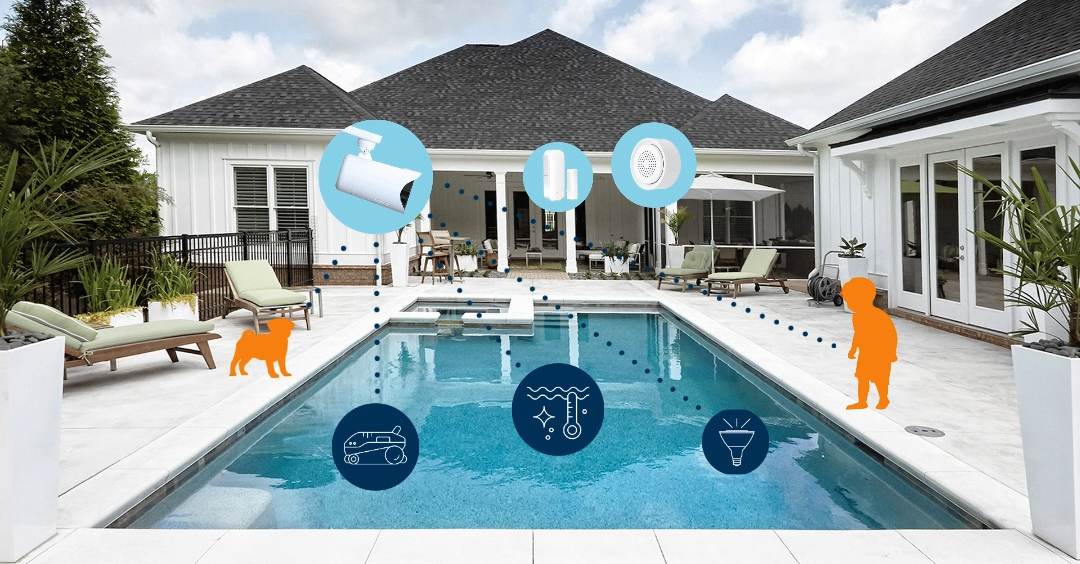
A network of sensors is at the heart of any smart pool system. These aren’t your grandfather’s test strips. Continuous, real-time monitoring of key water chemistry parameters occurs. pH, chlorine levels, alkalinity, calcium hardness—all are constantly measured and reported. Flow sensors track water circulation, while temperature sensors monitor air and water temperatures.
The Department of State’s Swimming Pool Operations and Maintenance Guide emphasizes maintaining specific water chemistry ranges for swimmer safety and equipment longevity. These ranges, once checked manually multiple times a week, can now be monitored 24/7. This constant vigilance is a significant leap forward. It moves from periodic snapshots to a continuous stream of data.
Sensors excel at leak detection. Traditional methods often rely on visual inspection or noticing a significant drop in water level. Smart systems use acoustic sensors and flow monitoring to identify even small leaks, preventing costly water loss and potential damage. Accurate data is the foundation of effective pool maintenance, and these sensors provide it.
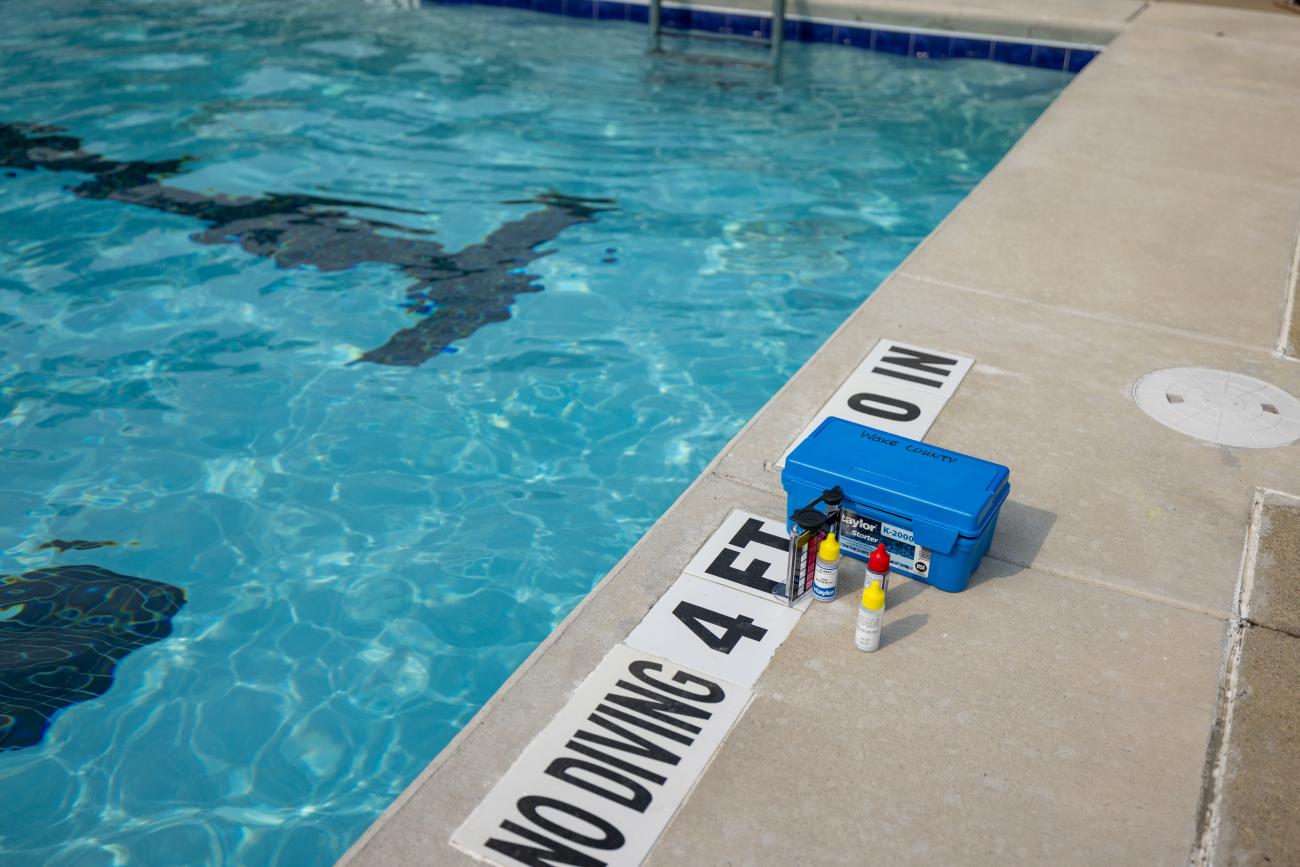
Manual testing, while useful as a backup, is prone to human error and provides a limited view of water conditions. Continuous monitoring offers a comprehensive understanding, allowing for quicker responses to changes and preventing issues from escalating. It shifts from reactive problem-solving to proactive prevention.
- pH Sensors: Measure acidity/alkalinity.
- Chlorine Sensors: Monitor sanitizer levels.
- Flow Sensors: Track water circulation.
- Temperature Sensors: Monitor air & water temperature.
- Acoustic Sensors: Detect leaks.
Traditional vs. Sensor-Based Pool Water Quality Monitoring
| Parameter | Traditional Manual Testing | Sensor-Based Monitoring |
|---|---|---|
| Frequency | Typically 1-2 times per week | Continuous, real-time |
| Labor Required | Significant time commitment for collection and analysis | Minimal; automated data collection |
| Accuracy | Subject to human error in testing and interpretation | Generally more precise and consistent readings |
| Cost | Recurring cost of test kits and reagents | Higher initial investment, potentially lower long-term costs |
| Response Time | Delayed; requires action *after* testing reveals an issue | Immediate alerts for deviations from optimal levels |
| Data Logging | Manual recording; potential for lost or inaccurate records | Automated data storage and trend analysis |
| Scope of Monitoring | Limited to parameters tested; typically pH, chlorine, alkalinity | Potential to monitor a wider range of parameters, including temperature, ORP, and cyanuric acid |
| Complexity | Requires knowledge of water chemistry and testing procedures | Simplified data interpretation; often accessible via mobile app |
Qualitative comparison based on the article research brief. Confirm current product details in the official docs before making implementation choices.
AI-Driven Automation: Beyond Basic Timers
AI algorithms analyze the data collected by these sensors. This isn't simply about automating tasks; it’s about intelligent automation. AI can learn from historical data, weather patterns, and usage habits to predict potential issues before they arise. For example, it can anticipate an algae bloom based on temperature and sunlight exposure.
Automated chemical dosing systems are a prime example. Instead of manually adding chemicals based on a schedule, the AI analyzes sensor data and precisely doses the pool with the necessary amount of chlorine, acid, or other chemicals. This minimizes chemical waste and maintains optimal water balance. Companies like Aqua Clear Pool Care offer installation of such systems, giving pool owners a hands-off approach to chemical management.
AI-controlled variable speed pumps are another game changer. These pumps adjust their speed based on demand, reducing energy consumption and extending the life of the pump motor. They can also optimize filtration cycles, ensuring that the water is thoroughly cleaned without wasting electricity. The AI learns the pool’s specific needs and adjusts accordingly.
Self-adjusting filtration systems enhance efficiency. By monitoring water clarity and particle levels, the AI can adjust the filtration schedule and backwash cycles to maximize performance and minimize water usage. This responsiveness is not possible with traditional, timer-based systems. It moves from generalized settings to personalized pool care.
- Predictive Maintenance: Anticipates and prevents issues.
- Automated Chemical Dosing: Precise chemical adjustments.
- Variable Speed Pump Control: Optimized energy usage.
- Self-Adjusting Filtration: Maximized water clarity.
Leak Detection & Prevention: Protecting Your Investment
Leaks are a pool owner’s worst nightmare. They lead to wasted water, increased chemical costs, and potential structural damage. Smart technology improves leak detection capabilities. Acoustic sensors can detect the sound of even tiny leaks within the plumbing system, often before any water is visible.
Flow monitoring systems compare water input and output, identifying discrepancies that indicate a leak. AI algorithms analyze this data, filtering out normal fluctuations and alerting you to potential problems. Early detection is key. A small leak, if left unaddressed, can quickly escalate into a major repair.
Early leak detection saves money. A minor leak can waste hundreds or thousands of gallons of water per month, increasing your water bill. Preventing structural damage can save you more money in the long run. Yelp reviews frequently highlight the frustration and expense of dealing with undetected leaks.
Beyond detection, some systems offer preventative measures. By monitoring pressure levels and identifying potential weak points in the plumbing, the AI can alert you to areas that may require attention before a leak develops. This proactive approach can extend the life of your pool equipment and prevent costly repairs.
Remote Control & Monitoring: Poolside Freedom
undefined technology is the ability to control and monitor your pool from anywhere with a smartphone app. Imagine being on vacation and receiving an alert that the water temperature is dropping, allowing you to remotely adjust the heater. Or being able to check the chlorine levels before you head home from work.
Remote chemical adjustment is a particularly useful feature. You can add chemicals remotely, ensuring that the water is always properly balanced, even when you’re not physically at the pool. Remote pump control allows you to start or stop the pump, adjust the speed, and monitor energy consumption. Temperature regulation lets you set your desired water temperature and maintain it remotely.
This level of control provides peace of mind, especially for vacation home owners or those who travel frequently. You no longer need to worry about coming home to a neglected pool. You can proactively manage your pool’s condition, no matter where you are in the world.
It’s not just about convenience; it’s about proactive management. Being able to respond to issues remotely prevents small problems from becoming big ones. It’s about taking control of your pool’s health, even when you’re not physically present. This is a significant upgrade over traditional, manual pool management.
Smart App Feature Checklist
- Remote Chemical Control - Adjust chlorine and pH levels directly from your smartphone, often integrating with compatible chemical feeders like those from Hayward.
- Pump Scheduling - Create customized schedules for your pool pump to optimize energy usage and water circulation. Pentair offers variable speed pumps with scheduling capabilities.
- Temperature Adjustment - Remotely control and monitor pool and spa temperatures, compatible with heaters from brands like Jandy.
- Leak Alerts - Receive instant notifications if the system detects unusual water loss, potentially preventing costly damage. Flow sensors from companies like Pentair can be integrated for this purpose.
- Energy Usage Monitoring - Track your pool's energy consumption to identify areas for improvement and reduce operating costs. Many variable speed pumps include energy monitoring features.
- Historical Data Visualization - View trends in water chemistry, temperature, and pump performance over time to gain insights into your pool's health.
- Multi-User Access - Allow family members or pool service professionals to access and control the system with varying permission levels.
Energy Efficiency Gains: Saving Money & Resources
Pools can be energy hogs, but smart technology offers significant opportunities to reduce consumption. Variable speed pumps are a major contributor to energy savings. By running at lower speeds when full power isn't needed, they can reduce energy usage by up to 80% compared to traditional single-speed pumps.
Optimized filtration cycles, controlled by AI, further enhance efficiency. The AI learns the pool’s specific needs and adjusts the filtration schedule accordingly, minimizing energy waste. Automated heating control ensures that the heater only runs when necessary, preventing unnecessary energy consumption.
These energy savings translate into lower utility bills and a reduced carbon footprint. By using less energy, you’re not only saving money but also contributing to a more sustainable environment. It’s a win-win situation.
Beyond the direct energy savings, smart technology can also reduce water waste. By detecting leaks early and optimizing filtration cycles, you can minimize water loss and conserve this precious resource. This is particularly important in areas prone to drought or water shortages.
Installation & Integration: What to Expect
Installing smart pool technology can range from a relatively simple retrofit to a more complex integration into a new pool construction. Retrofitting an existing pool typically involves adding sensors, a control system, and potentially replacing the pump and filter with smart models. Compatibility with existing equipment is a key consideration.
New pool construction allows for seamless integration of smart technology from the outset. Sensors can be installed during the plumbing and electrical phases, ensuring optimal performance and aesthetics. The control system can be fully integrated into the pool’s automation system.
Professional installation is highly recommended. While some DIY kits are available, a qualified installer can ensure that the system is properly installed, calibrated, and integrated with your existing equipment. They can also provide ongoing support and maintenance.
The upfront investment can be significant, but the long-term savings in energy, water, and chemical costs can offset the initial expense. It's important to carefully consider your needs and budget when choosing a smart pool system. Don't be afraid to get quotes from multiple installers and compare features and pricing.
What is your biggest barrier to adopting smart pool technology?
Vote below to share the main factor that would slow or prevent you from adding smart pool technology to your pool care routine.
The Future of Pool Care: What's on the Horizon?
The evolution of smart pool technology is far from over. We can expect even greater integration with other smart home systems, allowing you to control your pool alongside your lighting, thermostat, and security system. Voice control and advanced analytics will become increasingly common.
Machine learning will play a more significant role in optimizing pool maintenance. AI algorithms will become even more sophisticated, learning from vast amounts of data to predict and prevent issues with greater accuracy. The possibility of fully autonomous pool care – where robots handle all aspects of maintenance – is no longer a distant dream.
We might see the development of self-cleaning pools that automatically remove debris and maintain water clarity. Advanced sensors could detect and eliminate contaminants before they even become a problem. The future of pool care is about creating a truly effortless and sustainable experience.
AI is poised to transform the pool industry, making pool ownership more enjoyable, efficient, and environmentally friendly. It’s an exciting time to be a pool owner, and the innovations we’ll see in the coming years will undoubtedly redefine the meaning of poolside relaxation.


No comments yet. Be the first to share your thoughts!