

Pools in a changing climate
Heat waves and droughts are no longer outliers. If you own a pool, you've likely already dealt with the spike in chlorine demand or the strain on your pump during a 100-degree week. Maintaining a pool in 2026 requires moving away from the 'set it and forget it' mindset of a decade ago.
Fortunately, resources already exist to help. The EPA’s WaterSense program, for example, promotes water efficiency in homes and businesses, including pool and spa equipment. The CDC offers comprehensive guidance on operating and managing public pools safely, focusing on water quality and sanitation. But these resources were largely developed for a more stable climate. We need to adapt them to address the challenges of a changing world.
Thinking of pool care as a static routine is a mistake. A proactive approach, anticipating the effects of extreme weather, is becoming essential. This means re-evaluating everything from winterization procedures to daily maintenance tasks. Ignoring these shifts could lead to costly repairs, increased water usage, and even unsafe swimming conditions. It’s a new era for pool ownership, and preparedness is key.
Protecting equipment from extreme heat
Extreme heat doesn’t just make swimming more appealing; it puts a strain on your entire pool system. High temperatures can degrade liners, warp plastic components, and shorten the lifespan of pumps and heaters. Water chemistry is also heavily affected, with increased evaporation leading to higher concentrations of calcium and other minerals, and creating ideal conditions for algae blooms.
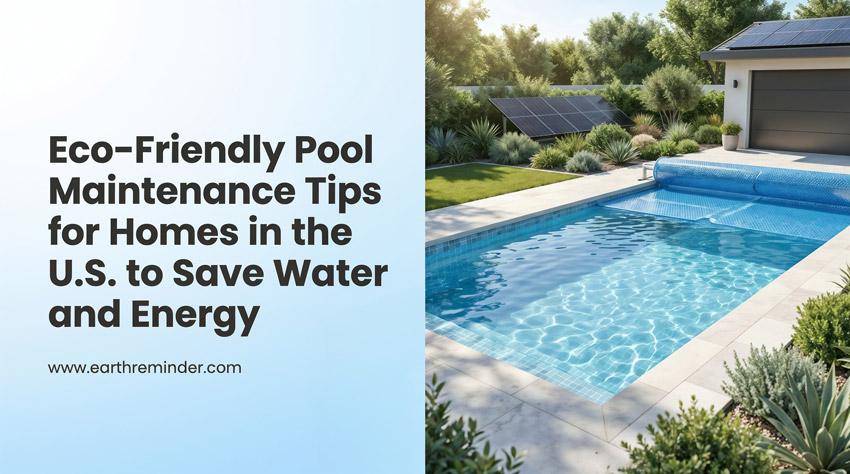
A pool cover is a good start, but consider a reflective cover designed to bounce sunlight away from the water. These covers significantly reduce evaporation, keeping your water cooler and reducing the need for chemical adjustments. Monitoring water temperature is also crucial. A sudden spike can indicate an impending algae bloom, allowing you to address it proactively with appropriate algaecides.
Don’t overlook the energy impact. Running your pump for extended periods during a heat wave drives up electricity bills. Variable-speed pumps are a great investment, allowing you to run the pump at lower speeds for most of the day, conserving energy while maintaining adequate circulation. The EPA’s WaterSense program highlights the energy savings potential of these pumps, often exceeding 75% compared to single-speed models.
- Reflective covers to bounce sunlight and stop evaporation
- Monitor water temperature daily.
- Consider a variable-speed pump.
- Adjust chemical levels frequently.
Storm Resilience: Preparing for the Worst
Hurricanes, tornadoes, and severe thunderstorms all pose a threat to pools. The potential for damage is substantial, ranging from debris-filled water to catastrophic equipment failure. Preparation isn’t about preventing the storm; it’s about minimizing the impact and ensuring a quicker, safer recovery.
Before a storm is forecast to hit, secure all loose furniture and decorations around the pool area. Remove any debris that could be blown into the water, such as leaves, branches, and toys. If flooding is a possibility, disconnect electrical power to the pump and filter system and, if possible, move them to higher ground. Consider sandbagging around the equipment pad to create a barrier against rising water.
Power outages are common during storms. Knowing how to manually operate your pool equipment, if possible, can be a lifesaver. A backup generator can provide power to essential systems, but ensure it’s properly installed and maintained. After the storm passes, carefully inspect your pool for damage, including cracks in the plaster, broken tiles, and debris accumulation. Don't attempt to clean the pool until the water has been tested for contaminants.
The CDC emphasizes the importance of proper disinfection after flooding events. Floodwater can introduce harmful bacteria and pathogens, making it unsafe to swim until the water has been thoroughly treated and tested. A professional pool inspection is highly recommended after any significant storm.
- Secure furniture and remove debris.
- Kill the power to the pump and filter before the storm hits
- Consider a backup generator.
- Inspect for damage after the storm.
Water conservation during droughts
Water scarcity is becoming a major concern in many regions, and pool owners need to be part of the solution. Reducing water consumption isn’t just environmentally responsible; it can also save you money on your water bill. The EPA’s WaterSense program offers guidance on efficient water use, including recommendations for pool and spa equipment.
Regular leak detection is paramount. Even a small leak can waste significant amounts of water over time. Perform a bucket test to check for leaks in the plumbing system. Efficient filtration systems, such as cartridge filters, use less water for backwashing compared to sand filters. Consider investing in a pool cover to reduce evaporation, which can account for a substantial portion of water loss.
Rainwater harvesting sounds like a fix for droughts, but it is rarely worth the effort for pools. Unless you have a dedicated filtration system to strip out the acidity and pollutants from your roof runoff, you'll spend more on corrective chemicals than you saved on the water bill.
Winterization for Unpredictable Winters
Winters are becoming increasingly erratic, with periods of mild weather interspersed with sudden freezes. Traditional winterization procedures may need to be adjusted to account for these fluctuations. Simply draining and covering your pool might not be enough if an unexpected warm spell causes the water to thaw and refreeze, potentially damaging pipes and equipment.
Follow the manufacturer’s instructions for winterizing your specific equipment. This typically involves draining pipes, adding antifreeze to prevent freezing, and protecting equipment from corrosion. Pay close attention to the type of antifreeze used, as some can be harmful to the environment. Regularly inspect your pool cover throughout the winter to ensure it remains secure and prevents debris from entering the water.
Be prepared to adjust your winterization strategy if the weather forecast changes. If a prolonged warm spell is predicted, you may need to partially uncover your pool to allow for circulation and prevent algae growth. Conversely, if a hard freeze is expected, ensure all pipes are adequately protected.
Winterization Checklist
| Component | Action | Notes |
|---|---|---|
| Pump | Drain all water | In colder climates, remove the pump and store it indoors to prevent freezing. Check for cracks before storage. |
| Filter | Backwash thoroughly | After backwashing, remove drain plugs and allow to fully drain. Sand filters may require a deeper cleaning or sand replacement depending on usage. |
| Heater | Disconnect gas/electric supply | A qualified technician should disconnect the gas or electric supply to the heater. Follow manufacturer’s instructions for specific heater types. |
| Pipes | Blow out lines with compressed air | Use a compressor to blow out all plumbing lines, including skimmers and returns, to remove any remaining water. Plug lines after blowing. |
| Liner | Lower water level below skimmer | Lower the water level below the skimmer opening to prevent ice expansion from damaging the liner. Consider a winter cover to protect from debris. |
| Pump | Lubricate O-rings | Apply a silicone-based lubricant to all O-rings to prevent them from drying out and cracking during storage. |
| Filter | Clean filter media | Depending on the filter type (sand, cartridge, DE), clean or replace the filter media before winter storage. Proper cleaning extends filter life. |
| Pipes | Insulate exposed pipes | For pipes that are difficult to fully drain, consider insulating them with foam pipe wrap to minimize the risk of freezing. |
Illustrative comparison based on the article research brief. Verify current pricing, limits, and product details in the official docs before relying on it.
Equipment Upgrades: Investing in Resilience
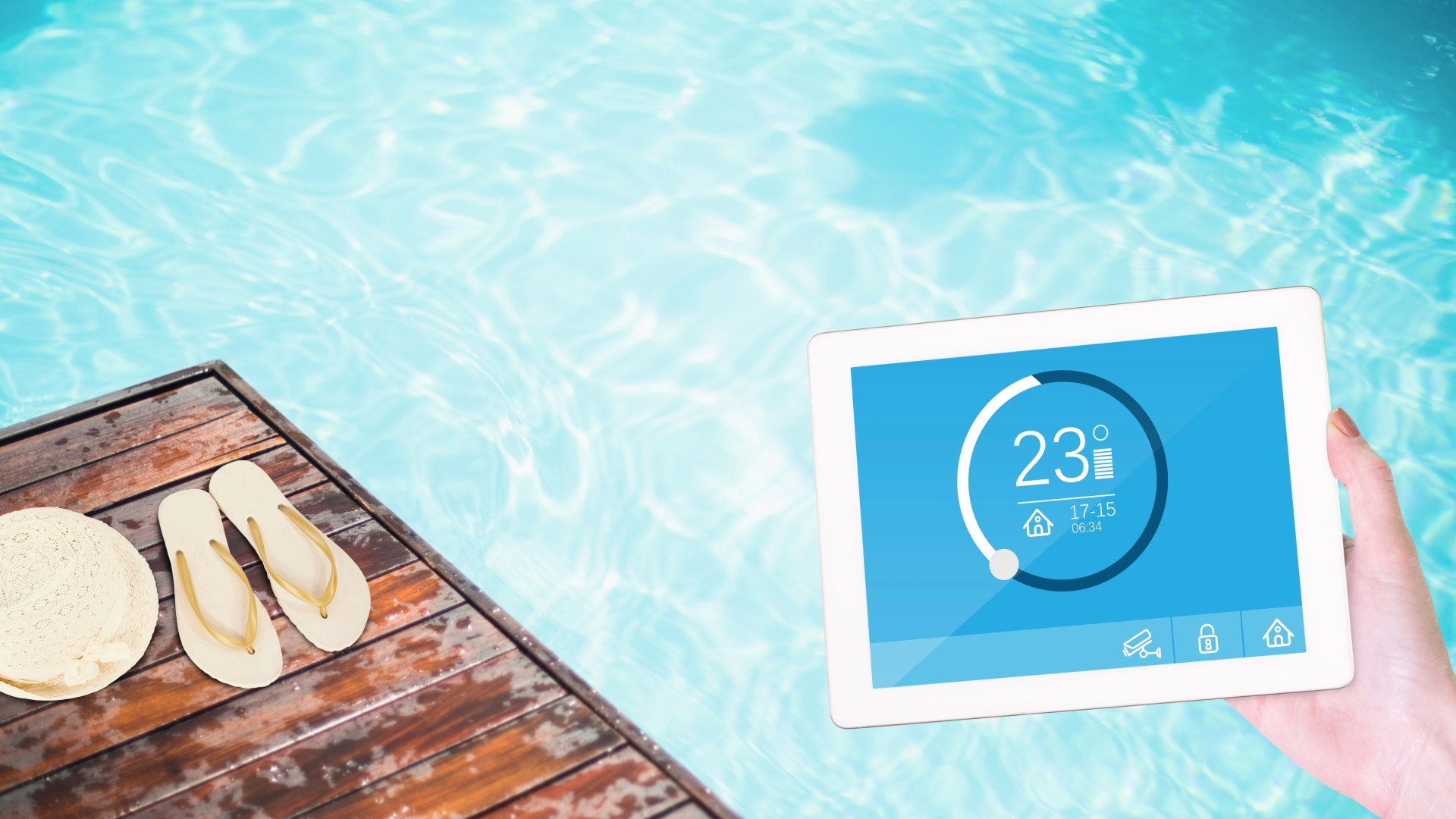
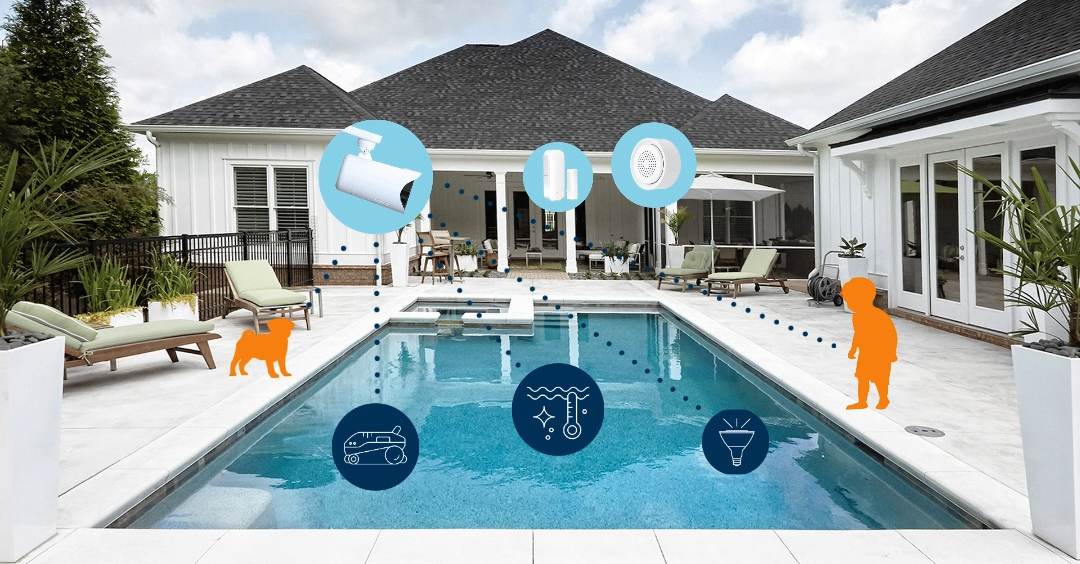
Investing in more efficient and resilient pool equipment can pay dividends in the long run. Variable-speed pumps, as mentioned earlier, not only save energy but also reduce wear and tear on other components. More efficient filters require less backwashing, conserving water and reducing chemical usage. Smart pool monitoring systems provide real-time data on water chemistry, temperature, and equipment performance, allowing you to proactively address potential issues.
Automated chemical controllers can help maintain optimal water balance, reducing the need for manual adjustments and minimizing chemical waste. While the initial cost of these upgrades may be higher, the long-term savings in energy, water, and chemicals can offset the expense. Plus, a well-maintained and efficient pool is less likely to experience costly breakdowns.
Consider the environmental impact of your equipment choices. Energy-efficient pumps and filters reduce your carbon footprint, and responsible water management practices help conserve precious resources. Choosing durable, high-quality equipment also reduces the need for frequent replacements, minimizing waste.
- Variable-speed pumps
- Efficient filters
- Smart pool monitoring systems
- Automated chemical controllers
Resilience-Boosting Pool Tech
- Variable-Speed Pumps - These pumps allow for adjustable flow rates, reducing energy consumption and providing more efficient filtration, crucial during periods of debris influx from storms.
- Smart Pool Controllers - Systems like those offered by Hayward and Pentair integrate automation for various pool functions (filtration, heating, lighting) and can often be controlled remotely, allowing adjustments even during weather events.
- Automated Leak Detection Systems - Prolonged heavy rainfall or drought conditions can stress pool structures. Automated systems can identify leaks early, minimizing water loss and potential damage.
- UV Sanitizers - Ultraviolet (UV) sanitizers reduce reliance on traditional chlorine by neutralizing chlorine-resistant pathogens like Cryptosporidium, which can thrive in warmer water temperatures and after flooding events.
- Saltwater Chlorinators - These systems generate chlorine from salt, offering a potentially more stable and consistent sanitization method than manual chlorine addition, particularly useful if supply chains are disrupted.
- Pool Cover Automation - Motorized pool covers provide rapid protection from debris, reduce water evaporation during droughts, and can offer a safety barrier during severe weather.
- High-Efficiency Filtration Systems - Cartridge filters and DE (diatomaceous earth) filters can remove finer particles than sand filters, improving water clarity after storm surges or heavy algae blooms.
No comments yet. Be the first to share your thoughts!