

Initial assessment
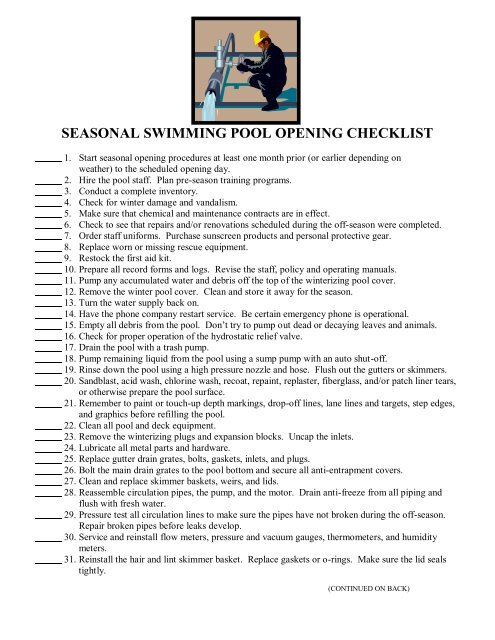
Reopening a pool after winter requires a careful, methodical approach. Before you even think about removing the cover, take a good look at the overall pool condition. Safety should be your first concern. Walk around the pool deck and check for any obvious damage like cracks in the concrete or loose tiles. These might have occurred over the winter due to freezing and thawing.
Next, assess the water level. Is it higher than normal from rain or melting snow? Excess water needs to be removed before you start anything else. Look for any potential hazards – tree limbs that may have fallen in, or animal debris. Don’t forget to inspect the equipment pad. A quick visual check for leaks or damage to the pump, filter, and heater can save you a lot of trouble later on.
Skipping the walk-through leads to expensive mid-season repairs. Identifying a hairline crack in the concrete or a loose tile now is easier than fixing it once the pool is full and the system is pressurized.
Debris Removal and Water Level
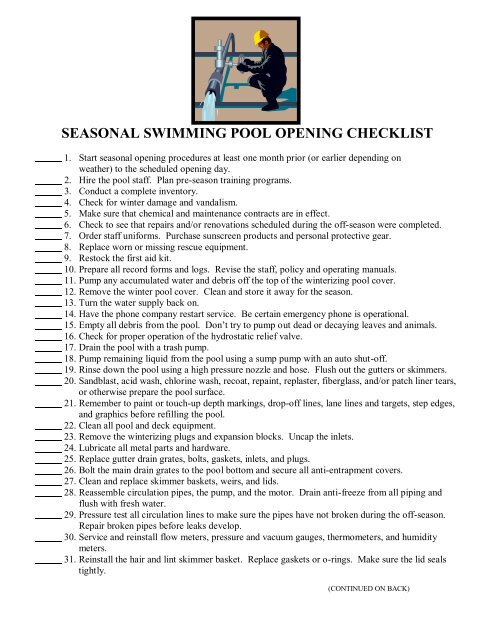
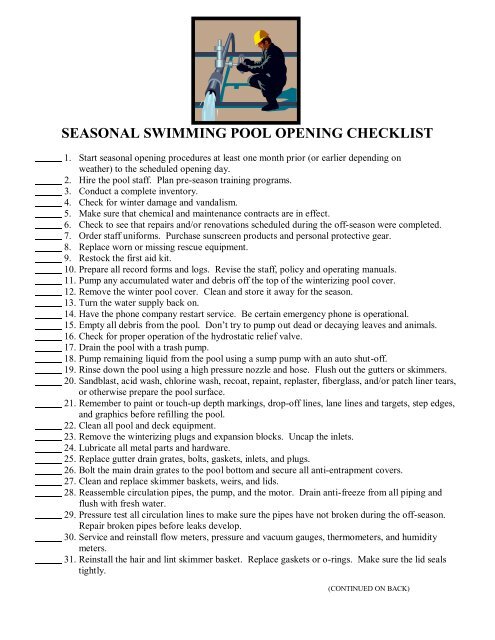
Removing the winter cover is the next step, and it’s important to do it carefully. The type of cover you have will dictate the best method. For mesh covers, you can usually just pull it off, but be mindful of any accumulated debris. Solid covers require more care – slowly pump any standing water off the top before attempting to remove it. This prevents the cover from becoming too heavy and potentially damaging the pool walls.
Once the cover is off, you’ll be faced with the inevitable collection of leaves, twigs, and other organic matter. Use a leaf net to skim the surface and remove as much debris as possible. Then, slowly begin to raise the water level. Avoid opening the skimmer too quickly, as this can overwhelm the basket and potentially damage the plumbing. A gradual increase is key.
I’ve seen too many instances where people quickly fill a pool after winterization, only to find a clogged skimmer basket or, worse, damage to the skimmer itself. Raising the water level in stages—perhaps a foot or two at a time—allows the system to adjust and prevents unnecessary strain. Keep a close eye on the skimmer basket and empty it frequently during this process.
- Carefully remove the winter cover, noting its condition.
- Skim the surface to remove large debris.
- Add water in one-foot increments to avoid plumbing pressure spikes.
- Monitor and empty the skimmer basket frequently.
Equipment Inspection and Startup
With the cover removed and the water level rising, it’s time to inspect your pool equipment. Start with the pump. Check for any visible cracks or leaks in the pump housing, lid, or plumbing connections. Lubricate the O-ring on the pump lid with a silicone-based lubricant to ensure a good seal. Then, move on to the filter – inspect the tank for cracks or damage and check the pressure gauge.
Next, examine the heater. Look for corrosion or rust, and make sure all gas connections are secure. If you have a salt chlorinator, inspect the salt cell for scaling or damage. It’s also a good idea to check the pool lights, ensuring they are working properly and the cords are in good condition. I’ve encountered many instances of corroded pump impellers during inspections – a sign of neglected maintenance.
Before starting the pump, ensure the filter is set to the correct setting (usually filter). Once started, listen for any unusual noises. A grinding or squealing sound could indicate a problem with the pump motor or impeller. This is where a professional inspection can be incredibly valuable; we have the tools and expertise to identify potential issues before they become major problems. Don’t forget to prime the pump if necessary.
Finally, double-check all valves and connections to ensure they’re properly aligned and secure. A small leak can lead to significant water loss and potential damage. A thorough inspection now will save you time and money in the long run.
Balancing water chemistry
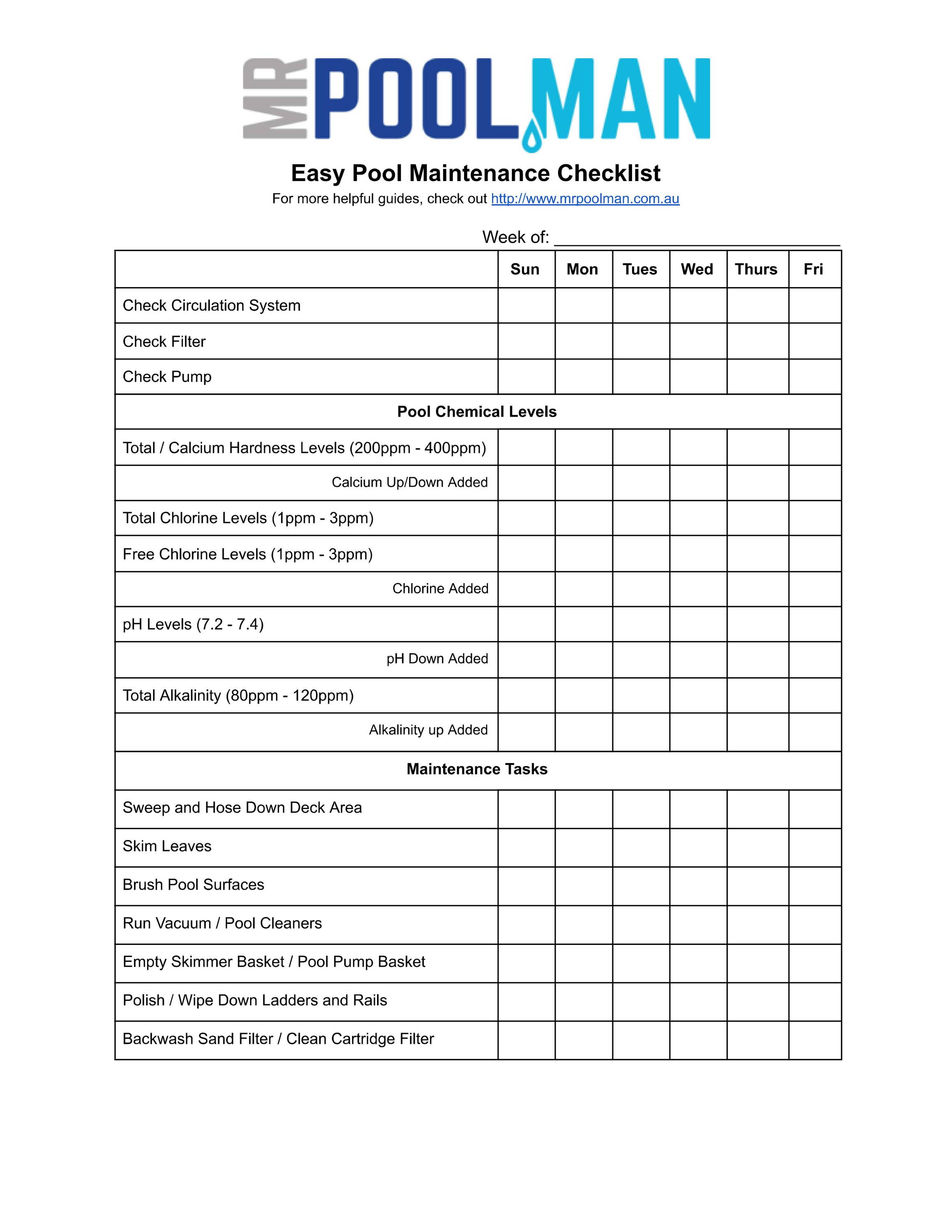
Achieving proper water chemistry is arguably the most important step in reopening your pool. Start by testing the water using a reliable test kit or take a sample to a local pool store for professional analysis. The order of testing and adjustment is crucial: first, test and adjust the total alkalinity. Ideal alkalinity levels are typically between 80 and 120 parts per million (ppm).
Next, adjust the pH level. The ideal range is 7.2 to 7.8. Maintaining the correct pH is essential for swimmer comfort and prevents corrosion or scaling. After alkalinity and pH, test and adjust the calcium hardness. The recommended range is 200 to 400 ppm. Finally, check the stabilizer (cyanuric acid) level, which should be between 30 and 50 ppm. Cyanuric acid protects against chlorine loss from sunlight.
Finish the balancing process with a shock treatment. This high dose of chlorine kills dormant bacteria and winter algae. While some maintainers track phosphates, focusing on alkalinity, pH, calcium, and stabilizer provides the necessary baseline for clear water.
Remember to always follow the manufacturer's instructions when adding chemicals and never mix chemicals together. Proper water chemistry not only ensures a safe and enjoyable swimming experience but also protects your pool equipment from damage. Consistent monitoring and adjustments are key to maintaining optimal water quality throughout the season.
Ideal Pool Water Chemistry Ranges
| Parameter | Low | Ideal | High |
|---|---|---|---|
| Total Alkalinity (ppm) | 80 | 100-120 | 140 |
| pH | 7.2 | 7.4-7.8 | 8.0 |
| Calcium Hardness (ppm) | 200 | 200-400 | 500 |
| Cyanuric Acid (ppm) | 30 | 30-50 | 100 |
| Free Chlorine (ppm) | 1.0 | 1.0-3.0 | 5.0 |
| Combined Chlorine (ppm) | 0.0 | Less than 0.2 | 1.0 |
Illustrative comparison based on the article research brief. Verify current pricing, limits, and product details in the official docs before relying on it.
Filter Backwashing and Cleaning
With the water chemistry balanced, it’s time to get the filter system working efficiently. If you have a sand filter, backwash it for 3-5 minutes, or until the water runs clear. This process removes accumulated dirt and debris from the filter bed. For DE (diatomaceous earth) filters, backwash according to the manufacturer's instructions, and then add fresh DE powder.
Cartridge filters require a different approach. Remove the cartridge and rinse it thoroughly with a garden hose, using a filter cleaning nozzle. If the cartridge is heavily soiled, you may need to soak it in a filter cleaning solution. I’ve seen filters clogged with algae and debris, significantly reducing their effectiveness.
The signs that a filter needs cleaning include reduced water flow, increased pressure readings, and cloudy water. Neglecting filter maintenance can lead to poor water quality, increased chemical usage, and even damage to the pump. Regular backwashing or cleaning is essential for maintaining a healthy and efficient pool.
Algae treatment
Even with meticulous water chemistry, algae can sometimes appear. Green algae is the most common type, but black and yellow algae are also possible. Green algae typically looks like a cloudy green tint in the water, while black algae appears as dark spots on the pool surface. Yellow algae, also known as mustard algae, is often found in shady areas.
Treatment depends on the type of algae. For green algae, shock treatment is usually sufficient. For black and yellow algae, you may need to brush the affected areas vigorously and use an algaecide specifically designed for those types. Preventative measures are crucial. Using a maintenance dose of algaecide and ensuring proper circulation can help prevent algae growth.
I think it's important to emphasize that prevention is always better than cure. Maintaining consistent water chemistry, running the pump for adequate hours, and regularly brushing the pool surface are all effective ways to prevent algae from taking hold. A proactive approach will save you time, money, and frustration in the long run.
- Identify the type of algae.
- Treat with appropriate algaecide and shock.
- Brush affected areas thoroughly.
- Maintain proper water chemistry and circulation.
No comments yet. Be the first to share your thoughts!