

The shift toward sustainable pools
Pool owners are moving toward sustainability to save on long-term costs and comply with stricter local building codes. Demand is shifting toward designs that use less power and water.
The definition of "eco-friendly" in the pool world can be broad. Some focus on energy efficiency, others on material sourcing, and still others on water conservation. For the purposes of this discussion, we'll concentrate on measurable impacts: reductions in energy consumption, water usage, and the use of less environmentally damaging materials. This means looking beyond simply 'greenwashing' and focusing on concrete benefits.
This shift isn’t sudden, but it’s accelerating. The rising costs of energy and water, coupled with greater awareness of climate change, are driving this trend. Pool builders and installers are responding, and we're seeing exciting innovations in materials, equipment, and design. Expect this momentum to build as consumers become even more discerning and regulations become more stringent.
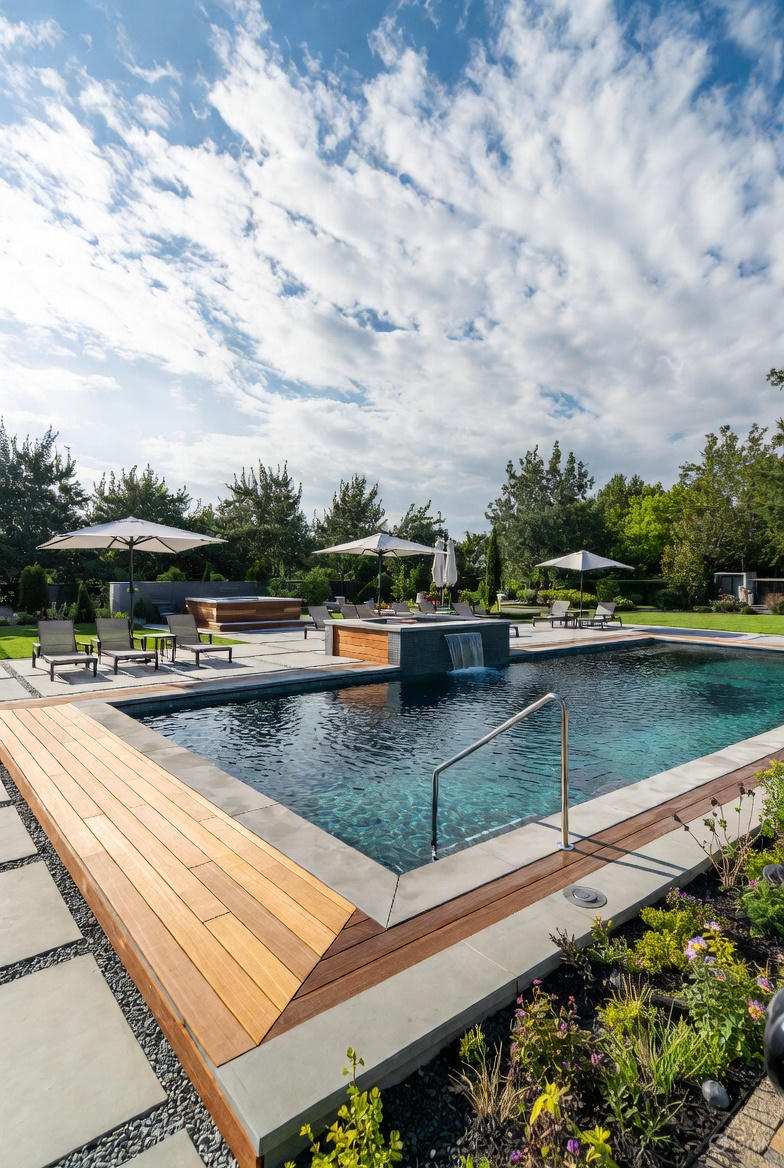
Sustainable pool materials
For decades, concrete has been the standard for pool shells, but it’s not without its drawbacks. The cement industry is a significant contributor to carbon emissions, and concrete production requires substantial resources. Fortunately, there are increasingly viable alternatives. Fiberglass is a popular choice, offering excellent durability and a relatively smooth surface. However, the manufacturing process for fiberglass does involve petroleum-based products, and end-of-life recycling can be challenging.
Vinyl liners are another option. While traditional vinyl isn't biodegradable, newer liners use plant-derived materials. We don't have long-term data on their durability yet compared to standard vinyl, but they reduce the reliance on petroleum.
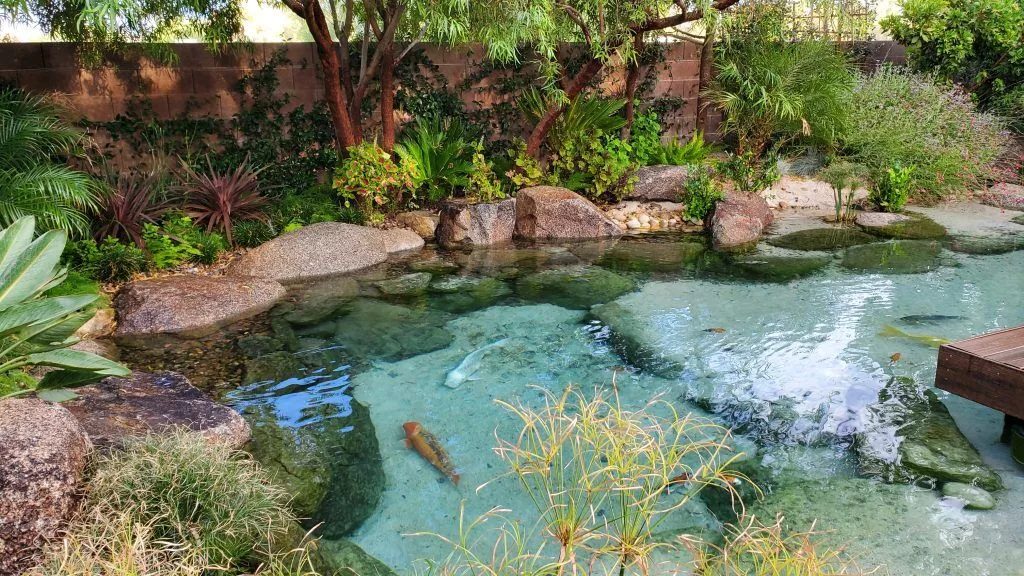
Natural stone and pebble finishes are gaining traction, offering a beautiful and naturally aesthetic look. While these materials have a lower embodied carbon footprint than concrete, their extraction and transportation can still have environmental impacts. Consider locally sourced stone whenever possible to minimize the carbon footprint associated with shipping. I’ve seen some stunning pools finished with river rock, but it’s vital to ensure the source is sustainable and doesn’t disrupt local ecosystems.
Recycled materials are also appearing in pool construction. Recycled glass is being used in pool finishes, and some companies are experimenting with recycled plastic lumber for decking. These materials can reduce waste and lower the demand for virgin resources, but it’s essential to compare their lifespan and maintenance requirements to traditional materials. Often, recycled options require more frequent replacement, negating some of the initial environmental benefits.
Pool Shell Material Comparison: Sustainability & Performance
| Material | Environmental Impact | Initial Cost | Long-Term Durability | Aesthetic Versatility | Maintenance Effort |
|---|---|---|---|---|---|
| Concrete | Higher - Cement production is carbon intensive. | Medium - Can vary widely based on complexity. | High - Properly installed, very durable. | High - Highly customizable in shape and finish. | Medium - Requires regular resurfacing and chemical balance. |
| Fiberglass | Medium - Manufacturing process has environmental considerations, but lighter weight reduces transport impact. | Medium to High - Generally higher upfront cost. | High - Resistant to algae and doesn't require liners. | Medium - Limited shape options, finish choices are growing. | Low - Smooth surface resists staining, easier chemical balance. |
| Vinyl | Medium - Liner production involves plastics, potential for off-gassing. | Low - Generally the least expensive upfront. | Low to Medium - Liner needs replacement every 5-9 years. | Low - Limited aesthetic options, primarily pattern variety. | Medium - Liner susceptible to punctures, requires careful chemical balance. |
| Natural Stone | Better for - Sourced locally can have a lower carbon footprint; natural material. | High - Often the most expensive option. | High - Extremely durable, long-lasting. | High - Unique and natural aesthetic, but design constraints exist. | Medium - Requires sealing and specialized cleaning; potential for algae growth in porous stones. |
| Composite Materials (Emerging) | Potentially Better for - Utilizing recycled materials is gaining traction. | Medium to High - Currently, often priced at a premium. | Medium - Long-term durability is still being evaluated. | Medium - Growing range of color and texture options. | Low to Medium - Designed for reduced maintenance, but long-term data is limited. |
Qualitative comparison based on the article research brief. Confirm current product details in the official docs before making implementation choices.
Variable speed pumps
Traditional single-speed pool pumps run at a constant, high speed, regardless of the pool’s needs. This is incredibly inefficient. Variable speed pumps (VSPs), on the other hand, allow you to adjust the pump speed to match the specific requirements of the pool – filtration, heating, or cleaning. This seemingly simple change can lead to significant energy savings.
According to the U.S. Department of Energy, VSPs can reduce pool pump energy consumption by up to 80% compared to single-speed pumps. For an average-sized pool (15,000 gallons) running for eight hours a day, this could translate to savings of $300-$700 per year, depending on your local electricity rates. The initial investment in a VSP is higher – typically ranging from $800 to $1,500 installed – but the long-term savings often justify the cost.
The payback period for a VSP varies depending on energy costs and pump usage, but it's generally between three and five years. Many utility companies offer rebates and incentives for installing VSPs, which can further reduce the payback period. Check with your local utility provider to see what programs are available. I've also noticed that some states are beginning to mandate the use of VSPs for new pool installations.
Saltwater and alternative sanitizers
Saltwater chlorination systems are becoming increasingly popular as an alternative to traditional chlorine. These systems use salt to generate chlorine through electrolysis, resulting in a softer, less irritating water. While they still use chlorine, the concentration is typically lower and more consistent than with traditional chlorine tablets or liquid chlorine. This can reduce skin and eye irritation, and eliminate the strong chlorine odor.
However, saltwater systems aren’t chlorine-free. They simply generate chlorine. You also need to be mindful of the salt levels and the potential for corrosion of certain pool components. Other alternative sanitizers include UV systems, ozone generators, and mineral systems. UV systems use ultraviolet light to kill bacteria and algae, while ozone generators use ozone gas. Mineral systems use minerals like silver and copper to inhibit algae growth.
Each of these alternative sanitizers has its pros and cons. UV systems require regular bulb replacement, and ozone generators can be expensive to install and maintain. Mineral systems may not be effective in all water conditions. It’s crucial to understand the specific requirements and limitations of each system before making a decision. A common misconception is that saltwater is "chemical-free’ – it"s not. It simply alters the way chlorine is produced and delivered.
Water conservation methods
Water scarcity is a growing concern, and pool owners have a responsibility to conserve water. One of the most effective ways to reduce water loss is to use an automatic pool cover. These covers prevent evaporation, reduce debris accumulation, and can even help to retain heat. They also offer a safety benefit, preventing accidental falls into the pool.
Leak detection systems are another valuable tool for water conservation. These systems can alert you to even small leaks, allowing you to address them promptly and prevent significant water loss. Efficient backwashing techniques are also important. Backwashing removes debris from the filter, but it also wastes water. Consider using a backwash waste line to redirect the water to landscaping or a storm drain.
Rainwater harvesting and greywater recycling can provide water for pools, though local laws vary. Greywater from showers or laundry requires filtration and disinfection before it hits the pool. Check local health codes before installing these systems, as many municipalities restrict greywater use for swimming. Keeping water chemistry balanced also reduces the need to drain the pool.
Deck is around 1/3 of pool and has to be removed for new pool installation. Once new pool is in, deck can be reinstalled, but it isn’t built to todays code. This meaning it requires an entirely new deck, and that was denied.
— Patrick Finley (@PatFinley1982) May 1, 2026
Landscaping for efficiency
The landscaping surrounding your pool can significantly impact its maintenance and energy use. Strategically planted shade trees can reduce evaporation, lowering heating costs and minimizing water loss. However, be mindful of leaf litter – choose trees that don’t shed excessively, or be prepared for more frequent cleaning.
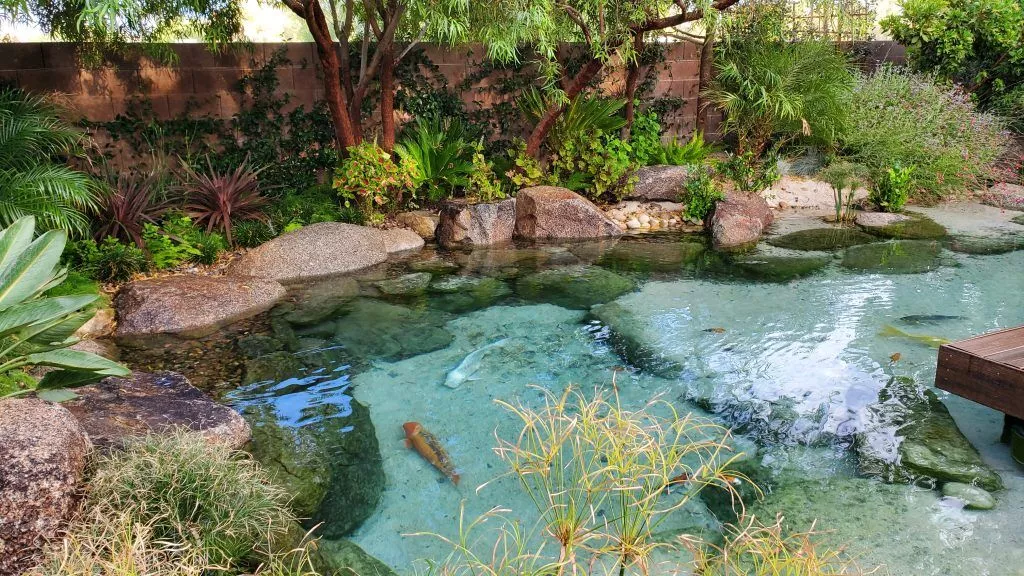
Drought-tolerant plants are essential for reducing water usage in the landscaping. Native plants are particularly well-suited to your local climate and require less water and maintenance than non-native species. Permeable paving materials – such as gravel or porous concrete – can reduce runoff and allow rainwater to soak into the ground, replenishing groundwater supplies.
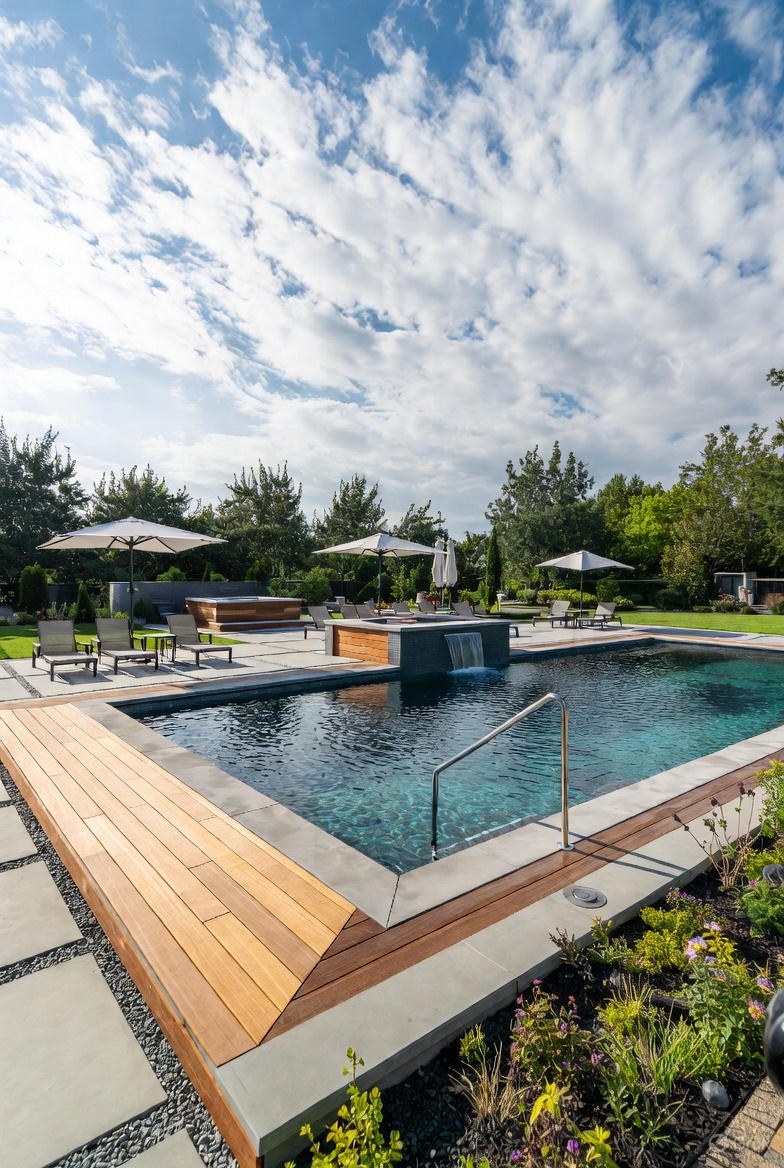
Creating a natural barrier against debris with landscaping can also reduce the amount of cleaning required. Dense shrubs and hedges can help to block windblown leaves and other debris from entering the pool. I’ve seen some pool designs that beautifully integrate the landscaping with the pool itself, creating a seamless and harmonious outdoor space.
Smart pool technology
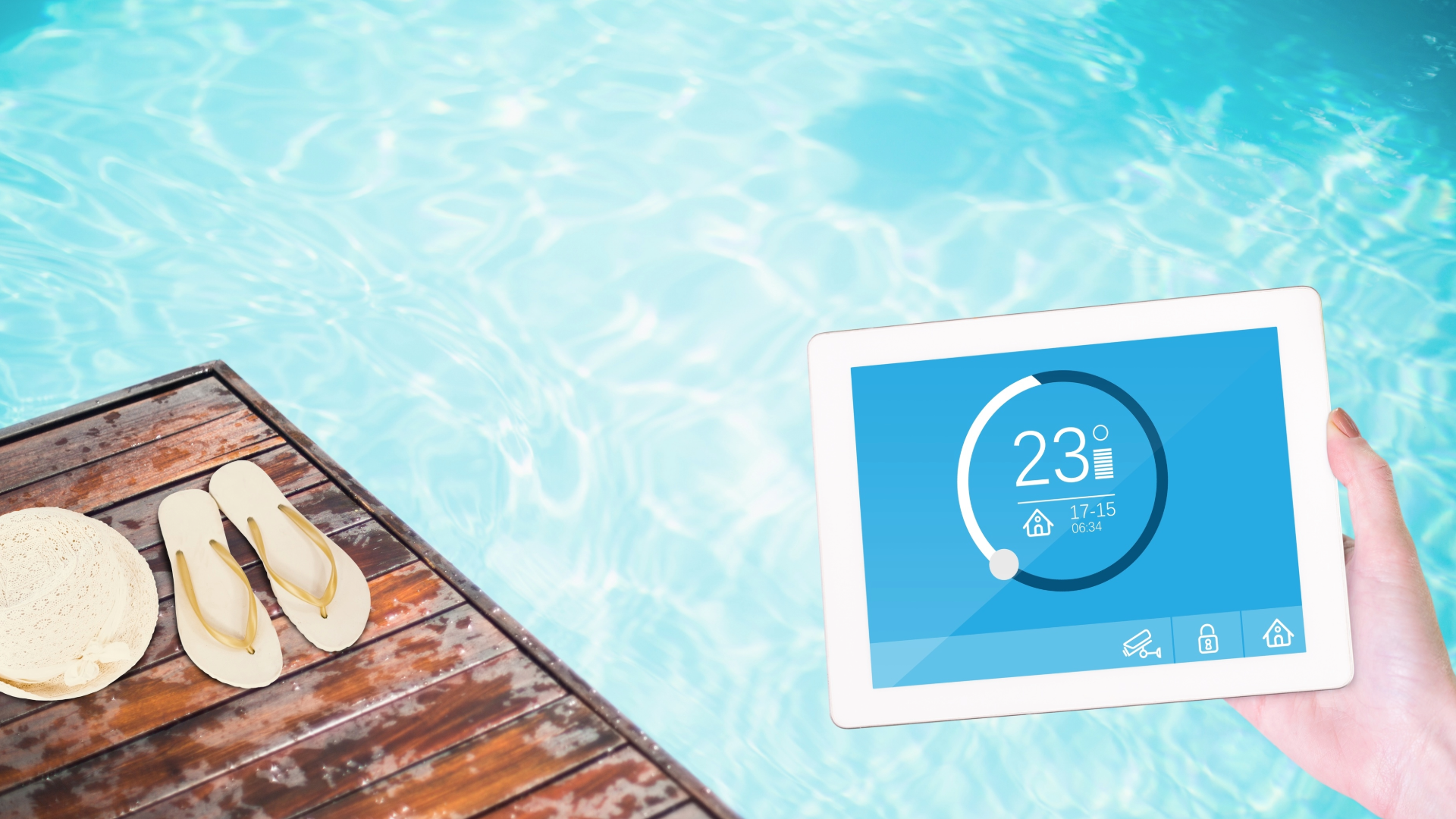
Smart pool controllers are revolutionizing pool management, offering automation and remote control capabilities. These systems can automate pump operation, chemical balancing, and heating, optimizing energy efficiency and reducing maintenance. They can also monitor water temperature, pH levels, and other important parameters, alerting you to any issues.
Remote monitoring and control allow you to manage your pool from anywhere with an internet connection. You can adjust the temperature, turn the pump on or off, and even add chemicals remotely. This is particularly convenient for vacation homes or for those who travel frequently. The integration of smart pool systems with other smart home devices – such as voice assistants – is also becoming increasingly common.
Smart systems introduce cybersecurity risks. Most controllers require a secure home Wi-Fi network and regular firmware updates to prevent unauthorized access. Before installing one, check the manufacturer's privacy policy to see how they handle your usage data.
No comments yet. Be the first to share your thoughts!