

The shift to intelligent pools
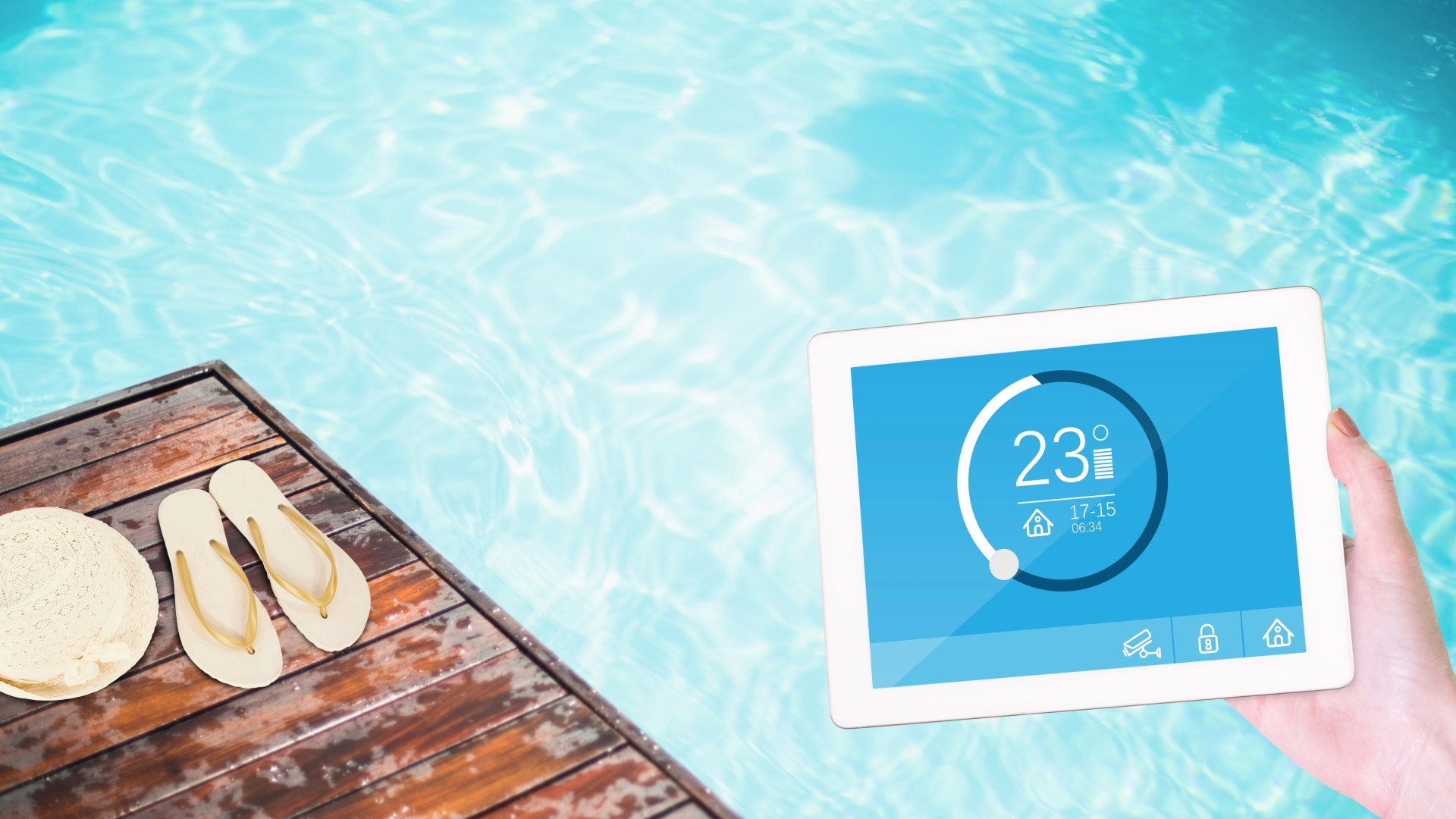
By 2026, AI-powered pool systems will be standard. We are moving past simple timers and remote controls toward systems that actually learn. The shift started in 2024 as sensors became cheap enough for average homeowners to install alongside more capable software.
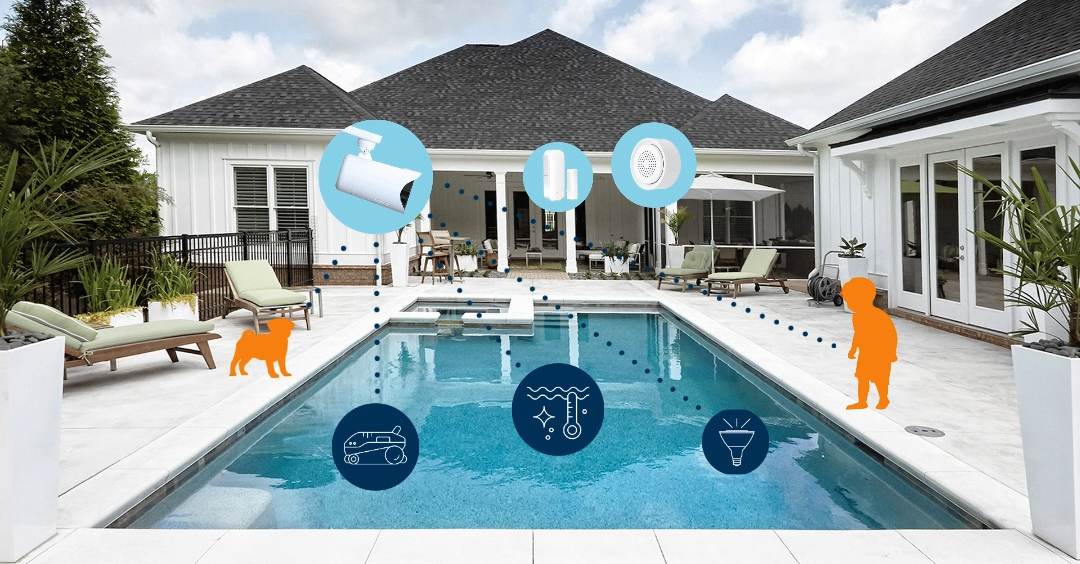
This isn't about robots. It is about better management. You will see sensors monitoring water temperature, flow rates, and how many people are in the pool. This data helps the system cut energy use and find leaks early. The goal is a safer pool that uses fewer chemicals.
The Centers for Disease Control and Prevention (CDC) has long emphasized the importance of healthy swimming practices, and increasingly, AI can play a role here. Real-time water quality monitoring, coupled with automated adjustments, can minimize the risk of waterborne illnesses. These systems aren’t meant to replace diligent human oversight, but to augment it, providing an extra layer of protection and freeing up pool owners and managers to focus on other aspects of pool care.
Automating chemistry beyond the basics
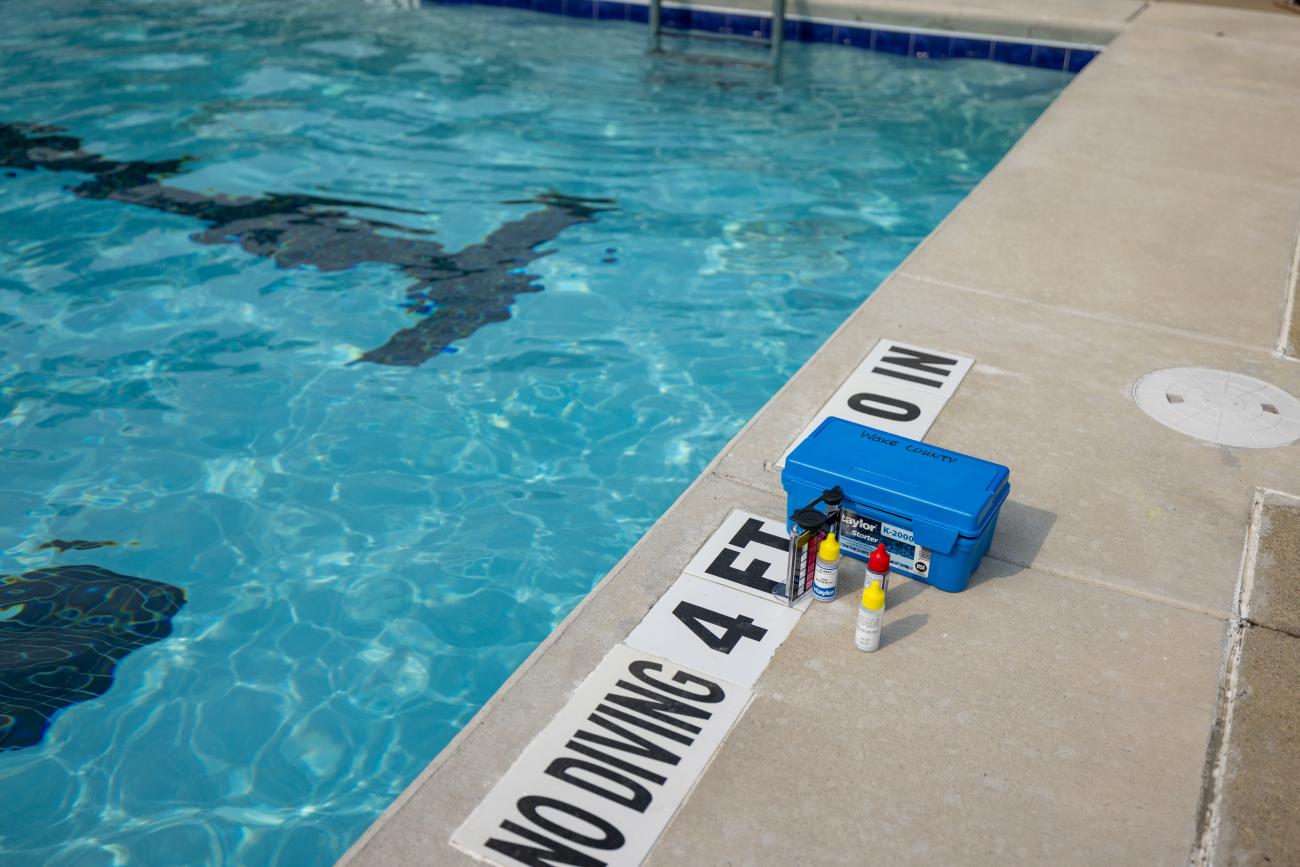
For years, automated pool systems have handled pH and chlorine, but the next generation goes much further. AI is enabling real-time monitoring of a much wider range of parameters – calcium hardness, total alkalinity, cyanuric acid levels, phosphates, and even trace metals like copper and iron. This comprehensive approach is vital for maintaining optimal water balance and preventing issues like scaling, corrosion, and algae growth.
The real power lies in predictive capabilities. These systems aren’t just reacting to imbalances; they’re learning from historical data, usage patterns, and environmental factors – sunlight intensity, rainfall, bather load – to anticipate chemical needs. This minimizes fluctuations and ensures consistently healthy water. A system can, for example, predict a chlorine demand increase after a heavy rain event and proactively adjust the dosage.
Aquatics Vision exemplifies this approach with its program for automatically adjusting water quality. They emphasize the benefit of consistently balanced water, reducing chemical costs and extending the life of pool equipment. While specific algorithms are proprietary, the core principle is data-driven optimization. The goal is to move beyond reactive chemistry to a state of proactive, predictive maintenance.
These systems aren't foolproof. If a sensor is off, the whole chemistry balance fails. You have to calibrate them regularly or you'll end up with a green pool despite the expensive tech.
- pH levels to keep the water from becoming too acidic.
- Chlorine: Disinfection to kill bacteria and algae.
- Calcium Hardness: Prevents corrosion and scaling.
- Total Alkalinity: Stabilizes pH.
- Cyanuric Acid: Protects chlorine from sunlight.
- Phosphates: Fuel algae growth – monitoring helps prevent blooms.
- Trace Metals: Can stain surfaces and affect water clarity.
Finding leaks with sound and heat
AI-powered leak detection is evolving beyond simple flow sensors that trigger an alarm when a significant drop in water level is detected. Newer systems utilize acoustic sensors to listen for the sound of escaping water – even very small leaks. These sensors can pinpoint the location of a leak within a pipe or fitting with impressive accuracy.
Pressure mapping is another emerging technique. By analyzing pressure variations throughout the plumbing system, AI can identify areas where leaks are likely to occur. Drone-based thermal imaging is also gaining traction, allowing for non-destructive inspection of the pool shell and surrounding structures to identify subtle temperature differences that may indicate a leak or structural weakness.
The value isn’t just in detecting leaks, but in providing actionable insights. A system should not only alert you to a leak but also estimate its severity and provide recommendations for repair. Analyzing structural data – using sensors to monitor stress and strain – can predict potential cracks or weaknesses before they become major problems, preventing costly repairs and ensuring swimmer safety.
Predictive Maintenance: Equipment Health
AI is transforming pool equipment maintenance from reactive to proactive. By continuously monitoring the health of pumps, filters, heaters, and salt chlorine generators, these systems can predict failures before they happen, minimizing downtime and reducing repair costs. This is achieved through the analysis of sensor data – vibration analysis for pumps and motors, motor current monitoring, and temperature readings.
For example, a subtle increase in pump vibration, detected by an accelerometer, could indicate bearing wear. The system can then alert the owner to schedule maintenance before the pump fails completely. Similarly, monitoring motor current can reveal inefficiencies or potential overheating issues. The more data points collected, the more accurate the predictions become.
Regular assessment is crucial. Data points like pump runtime, energy consumption, and water flow rates should be analyzed frequently—at least weekly, and ideally daily – to establish a baseline and identify anomalies. This data-driven approach allows for targeted maintenance, extending the lifespan of equipment and maximizing efficiency.
AI-Driven Cleaning & Robotics
Robotic pool cleaners have come a long way. Early models followed random patterns, often missing spots or getting stuck. Today, AI and computer vision are enabling cleaners to map the pool, identify debris types (leaves, dirt, algae), and optimize their cleaning paths. This results in more thorough and efficient cleaning.
Some advanced cleaners can even learn the pool’s shape and obstacles over time, creating a customized cleaning map. Integration with smart home systems is also becoming more common, allowing users to schedule cleaning cycles remotely and receive notifications when the cleaner is finished. However, current robotic cleaners still have limitations. They can struggle with very fine debris or steep slopes.
Improvements on the horizon include more sophisticated object recognition – being able to distinguish between leaves and toys, for example – and better navigation algorithms. We may also see cleaners that can automatically empty their debris containers or even perform basic water chemistry adjustments.
Security & Safety Enhancements
AI is significantly enhancing pool safety. Advanced drowning detection systems, utilizing underwater cameras and AI algorithms, can identify potential drowning events with greater accuracy than traditional methods. These systems analyze swimmer movements and patterns, alerting caregivers if someone appears to be in distress.
Automated gate and fence monitoring systems can ensure that safety barriers are functioning correctly, alerting owners if a gate is left open or a fence is compromised. Integration with smart home security systems adds another layer of protection, providing remote monitoring and alerts.
However, camera-based systems raise privacy concerns. It’s crucial to implement robust data security measures and ensure that footage is stored securely and accessed only by authorized personnel. The ethical implications of AI-powered surveillance around pools – balancing safety with privacy – must be carefully considered.
Inspection Priorities for Smart Pools
Inspecting AI-enabled pool systems requires a new skillset. Technicians need to understand not only traditional pool equipment but also the sensors, data connectivity, and software that power these intelligent systems. A thorough inspection should begin with verifying the calibration of all sensors – water chemistry sensors, flow sensors, acoustic leak detection sensors, etc. Inaccurate sensors can lead to incorrect readings and compromised performance.
Data connectivity is another critical area. Ensure that all sensors are properly connected to the central control system and that data is being transmitted reliably. Check for software updates and ensure that the system is running the latest version. Outdated software can contain bugs or vulnerabilities that affect performance and security.
Beyond the hardware, assess the health of the AI algorithms themselves. Are they functioning as expected? Are they providing accurate predictions and alerts? Look for any anomalies or unusual patterns in the data. A system that consistently reports false positives or misses genuine problems needs further investigation. Finally, verify that all safety features – drowning detection, gate monitoring – are functioning correctly.
- Check sensor calibration to ensure the data is actually right.
- Data Connectivity: Ensure reliable data transmission.
- Software Updates: Confirm system is running the latest version.
- AI Algorithm Health: Assess prediction accuracy and identify anomalies.
- Safety Feature Verification: Test drowning detection, gate monitoring, and other safety systems.
Smart Pool System Component Inspection
| Component | Good | Needs Attention | Critical Failure |
|---|---|---|---|
| Sensor Calibration | Readings consistently align with manual testing of water chemistry (pH, ORP, chlorine levels). Data trends are stable. | Occasional discrepancies between sensor readings and manual tests. Minor drift observed. | Significant and persistent inaccuracies in sensor readings. System relies on outdated calibration data. |
| Data Connectivity | System maintains a stable connection to the home network and cloud services. Real-time data transmission is consistent. | Intermittent connection drops or delays in data transmission. Requires occasional manual reconnection. | Complete loss of network connectivity. System unable to transmit or receive data. |
| Software Updates | System automatically receives and installs updates without user intervention. Current software version is actively supported. | Updates are available but require manual installation. Notifications regarding updates are received. | System is running an outdated software version with no available updates. Potential security vulnerabilities. |
| Algorithm Health | System accurately predicts and adjusts to changing pool conditions, optimizing chemical usage and maintaining water balance. | Algorithm requires occasional manual overrides or adjustments to maintain optimal performance. Predictive capabilities are reduced. | Algorithm fails to respond to changing conditions or generates incorrect recommendations, leading to water quality issues. |
| Leak Detection System | System accurately identifies and alerts to even minor leaks. No false positives are reported. | System detects larger leaks but may miss smaller, slow leaks. Occasional false alarms. | System fails to detect significant leaks or generates frequent false alarms, rendering it unreliable. |
| Robotic Cleaner Functionality | Cleaner completes programmed cleaning cycles efficiently and effectively, covering the entire pool surface. Obstacle avoidance is functional. | Cleaner requires occasional intervention to avoid obstacles or complete cleaning cycles. Reduced cleaning efficiency. | Cleaner fails to operate or becomes stuck frequently. Significant reduction in cleaning performance. |
Illustrative comparison based on the article research brief. Verify current pricing, limits, and product details in the official docs before relying on it.

No comments yet. Be the first to share your thoughts!