

Pools of the Future: An Overview
Pool maintenance is often reactive. We test water, add chemicals, and skim leaves. Smart pool technology promises proactive adjustment for perfect balance. While automated chlorinators and remote pump controls have been around, AI integration will fundamentally change pool care.
Manual testing and subjective judgment in pool maintenance can lead to errors, chemical imbalances, algae blooms, and unsafe conditions. New technologies aim for a proactive, preventative approach. Current systems are early in development, but the trend is toward increased automation, precision, and intelligent pool care.
By 2026, these systems will be more sophisticated. They will move beyond phone control to fully integrated systems that learn from data, anticipate problems, and optimize performance, including water chemistry and energy consumption. Owners will seek reliability and knowledge in these advanced systems.
Beyond convenience, these systems maximize equipment lifespan, minimize chemical usage, and ensure a safe swimming experience. The goal is proactive, predictive maintenance, marking a new era in pool ownership.
AI-Driven Water Chemistry Management
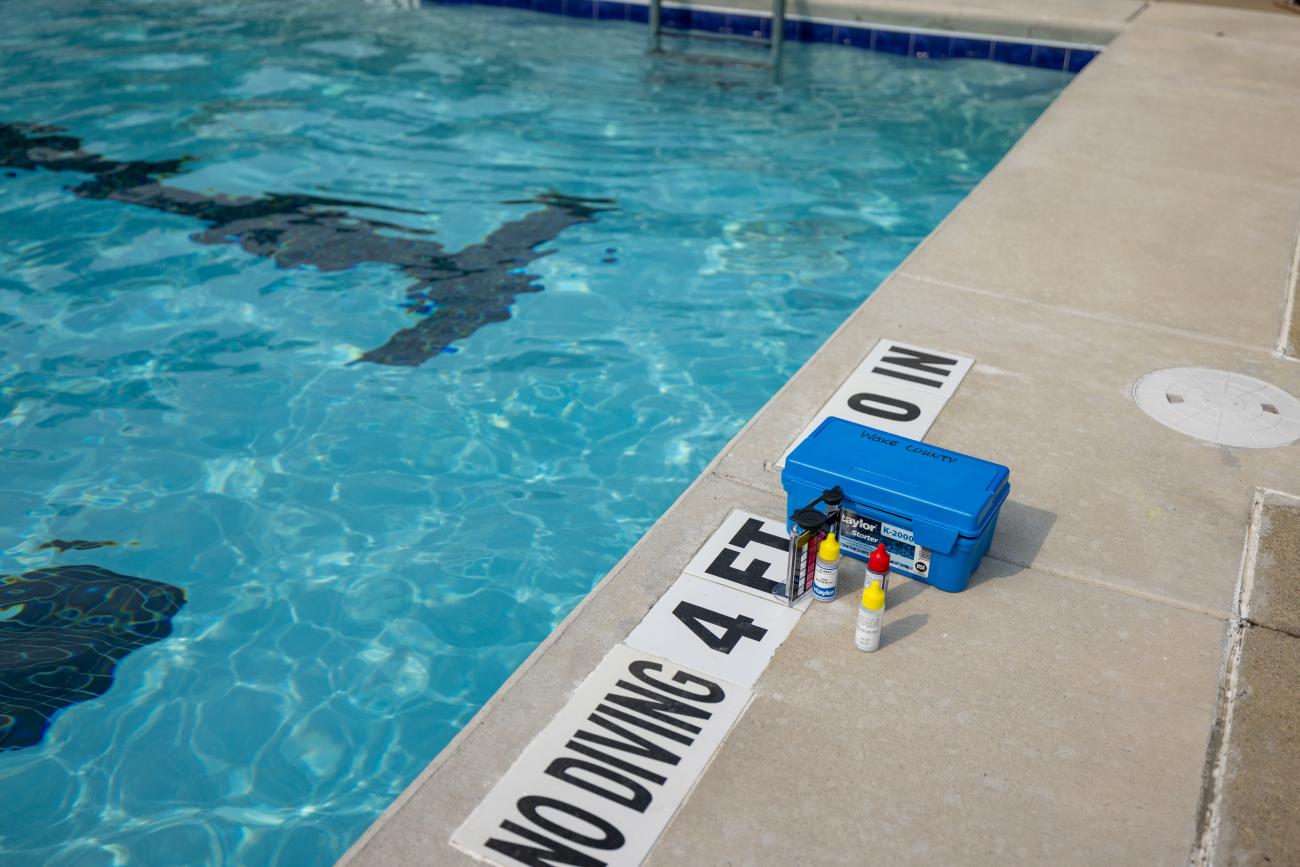
Maintaining correct water chemistry—pH, alkalinity, calcium hardness, and sanitizer levels—is challenging. AI systems use advanced sensors and algorithms for continuous analysis and real-time data on key chemical parameters.
AI algorithms analyze data, learning pool characteristics like volume, sun exposure, and swimmer load to predict impacts on water chemistry. The system proactively adjusts chemical feeders for optimal balance, surpassing simple timers or schedules.
Handling unpredictable events like rainfall diluting water or large groups depleting sanitizer is a challenge. While early systems have struggled with these nuances, significant improvements are anticipated by 2026.
Systems like Hayward's offer automated chemical control, but AI integration anticipates changes, preventing imbalances before they occur. This saves time, reduces chemical costs, minimizes algae growth and equipment damage, and provides data for identifying plumbing or filtration issues.
- pH Level: Maintaining a pH between 7.2 and 7.8 is essential for swimmer comfort and sanitizer effectiveness.
- Alkalinity: Proper alkalinity (80-120 ppm) helps stabilize pH levels.
- Calcium Hardness: Ideal calcium hardness (200-400 ppm) prevents corrosion or scaling.
- Sanitizer Levels: Maintaining appropriate chlorine (1-3 ppm) or bromine (3-5 ppm) levels is crucial for killing bacteria and algae.
Automated Cleaning & Robotic Advancements
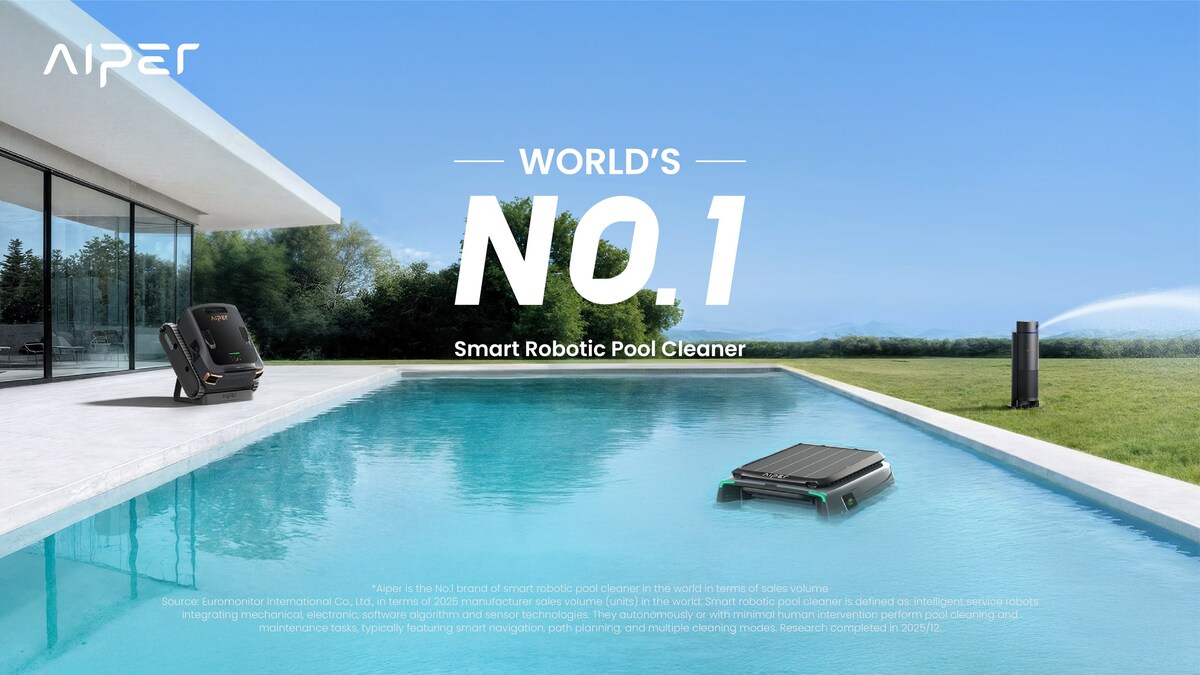
AI is transforming robotic pool cleaners. Newer models with sensors and mapping capabilities learn pool shapes to optimize cleaning paths, unlike early random-cleaning models.
AI cleaners map pools, identify obstacles like ladders and drains, and navigate efficiently for complete coverage. Targeted cleaning modes focus on areas prone to algae or debris, a significant improvement over older models.
Self-emptying and self-charging are key advancements, eliminating manual filter basket emptying and battery concerns. New models also feature advanced filtration for fine particles. The Dolphin Nautilus CC Plus is a popular example.
Future robotic cleaners will integrate with water chemistry systems, detecting algae growth and alerting the system to increase sanitizer levels. This integration offers a comprehensive approach, minimizing manual intervention and maximizing efficiency.
- Mapping Technology: Creates a virtual map of the pool for efficient cleaning.
- Obstacle Avoidance: Prevents the cleaner from getting stuck on ladders or steps.
- Targeted Cleaning: Focuses on areas prone to debris or algae.
- Self-Emptying/Charging: Automates operation and reduces manual intervention.
Leak Detection & Predictive Maintenance
Early leak detection is crucial to prevent water loss and pool structure damage. AI systems use various sensors to identify subtle anomalies, improving upon time-consuming and inaccurate traditional methods like visual inspection or pressure testing.
Acoustic sensors detect escaping water sounds, pressure monitoring tracks water pressure changes, and flow rate analysis identifies discrepancies. AI algorithms analyze this data to detect patterns difficult for humans to spot.
AI enables predictive maintenance by monitoring pool equipment performance (pumps, filters, heaters) for subtle changes indicating potential failure. This allows proactive repairs or replacements, preventing downtime and extending equipment lifespan.
System reliability currently varies. Significant improvements are expected by 2026. Accurately predicting equipment failure and detecting leaks early will save pool owners time, money, and frustration.
- Acoustic Sensors: Detect the sound of leaks.
- Pressure Monitoring: Tracks changes in water pressure.
- Flow Rate Analysis: Identifies discrepancies in water flow.
- Performance Monitoring: Detects subtle changes in equipment performance.
Smart Pool Safety Features
AI is developing innovative pool safety features to address the serious risk of drowning. Drowning detection systems use underwater cameras and AI algorithms to identify struggling or submerged swimmers, providing immediate alerts that can save lives.
System accuracy is paramount, as false alarms can be disruptive. AI advancements continuously improve drowning detection algorithms, with some systems distinguishing between normal swimming and distress.
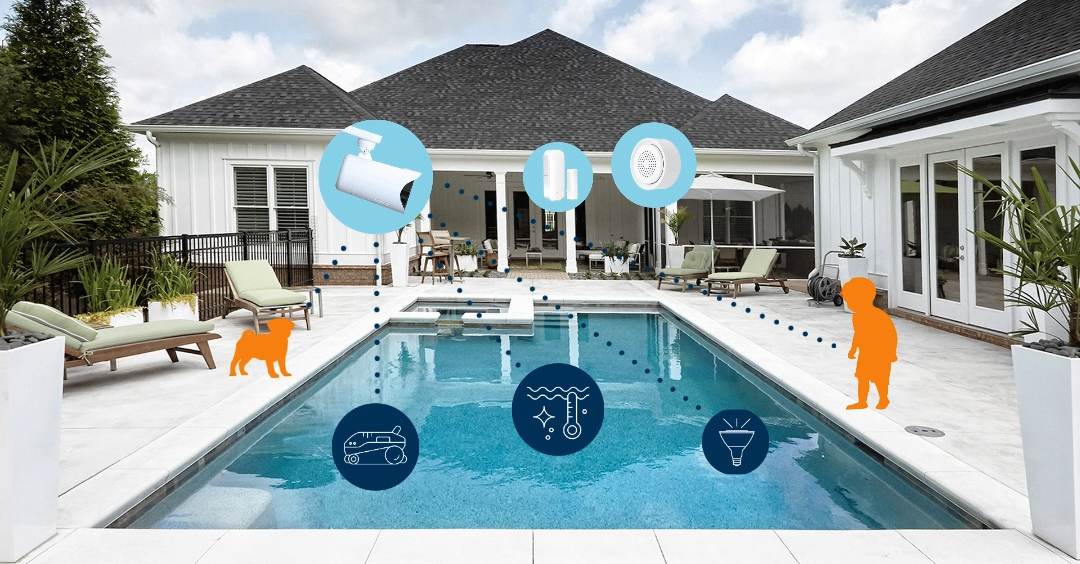
Integration with smart home security systems adds protection through alerts for unauthorized pool area access, enhancing perimeter monitoring. Systems can also integrate with smart lighting and alarms to deter intruders.
Privacy is a critical concern for camera-based safety systems. Manufacturers must prioritize data security and user control over data. Responsible development and transparent data practices are crucial for public trust and adoption.
- Drowning Detection: Identifies unusual activity and alerts you to potential drowning risks.
- Perimeter Monitoring: Detects unauthorized access to the pool area.
- Smart Home Integration: Connects with other smart devices for enhanced security.
- Real-time Alerts: Provides immediate notifications in case of emergency.
Comparison of Pool Safety Systems (2026 Projections)
| System Type | Accuracy | False Alarm Rate | Cost | Smart Home Integration |
|---|---|---|---|---|
| Drowning Detection Cameras | High - Utilizing advanced video analytics and AI to identify potential drowning events. | Low to Moderate - Dependent on algorithm sophistication and environmental factors (lighting, water clarity). | Moderate to High - Initial investment can be significant, with ongoing software subscription costs. | High - Typically integrates with major smart home platforms via Wi-Fi and dedicated apps. |
| Perimeter Alarms | Moderate - Detects breaches of a defined perimeter around the pool. | Moderate - Prone to triggering from animals, wind, or accidental contact. | Low to Moderate - Relatively affordable compared to camera systems. | Moderate - Integration capabilities vary; some systems offer basic IFTTT support or compatibility with specific smart home hubs. |
| Safety Covers | Very High - When properly installed and used, provides a physical barrier preventing access to the water. | Very Low - Minimal false alarms, primarily related to improper cover use. | Moderate to High - Cost varies significantly based on cover type (manual vs. automatic) and pool size. | Low - Limited smart home integration, though some automatic covers may offer remote operation via a dedicated app. |
| Poolside Motion Sensors | Moderate - Detects movement around the pool area. | Moderate to High - Susceptible to false alarms from pets, wildlife, or moving objects. | Low - Generally the most affordable option. | Low to Moderate - Basic integration possible through smart home systems for notifications, but lacks sophisticated analysis. |
| Underwater Acoustic Sensors | Moderate - Detects unusual sounds underwater potentially indicative of distress. | Moderate - Can be triggered by normal pool activity or external noise sources. | Moderate - Cost is generally between perimeter alarms and drowning detection cameras. | Low - Limited integration options, typically relying on audible alerts and app notifications. |
| Automated Chemical Controllers with Safety Shut-off | High - Maintains water chemistry within safe parameters, and can shut off pumps if levels become dangerously imbalanced. | Very Low - False alarms are rare, typically related to sensor malfunction. | Moderate - Requires initial investment in the controller and ongoing sensor replacement. | Moderate - Integration with smart home systems allows for remote monitoring and control of water chemistry. |
Illustrative comparison based on the article research brief. Verify current pricing, limits, and product details in the official docs before relying on it.
Data Privacy & Security Considerations
Increasing connectivity of smart pool technology raises data privacy and security concerns. These systems collect data on pools, usage patterns, and potentially family activities. Understanding data collection, storage, and usage is crucial.
Manufacturers must prioritize data security with encryption and secure protocols. Users need control over data sharing, including opting out of collection and managing access. Transparency through clear, plain-language privacy policies is essential.
Data misuse for targeted advertising or exploitation by malicious actors is a concern. Choosing
I want to be upfront about the risks. While smart pool technology offers numerous benefits, it's important to be aware of the potential privacy and security implications. By taking proactive steps to protect your data, you can mitigate these risks and enjoy the benefits of a connected pool experience.
Integration & The Smart Home Ecosystem
One of the most exciting trends in smart pool technology is its integration with broader smart home ecosystems. Systems are now compatible with popular platforms like Amazon Alexa, Google Assistant, and Apple HomeKit, allowing you to control your pool with voice commands or through a centralized smart home app.
Imagine saying, “Alexa, heat the pool to 85 degrees” or “Hey Google, turn on the pool lights.” This level of convenience and control is becoming increasingly common. Automated scheduling allows you to set specific times for your pump, heater, and lights to operate, optimizing energy consumption and reducing costs.
Integration with other smart devices opens up a world of possibilities. You can synchronize your pool lights with your home entertainment system, creating a synchronized light show. You can also integrate your pool with your smart thermostat, optimizing energy usage based on weather conditions and your swimming schedule.
Seamless integration will be a major selling point for these systems. The ability to control all aspects of your pool from a single, intuitive interface will appeal to tech-savvy homeowners. As these ecosystems continue to evolve, we can expect even greater levels of integration and automation.
The 2026 Landscape: Challenges and Opportunities
The smart pool technology market is poised for significant growth in the coming years. However, several challenges need to be addressed to ensure its widespread adoption. Standardization is a key issue. Currently, there’s a lack of interoperability between different systems, making it difficult to integrate components from different manufacturers.
Affordability and accessibility are also important considerations. Many of these systems are currently expensive, putting them out of reach for many pool owners. Lowering the cost of these technologies will be crucial for making them more accessible to a wider audience. Another challenge is educating consumers about the benefits of smart pool technology and addressing their concerns about privacy and security.
Despite these challenges, the opportunities are immense. Further innovation in areas like AI, sensor technology, and cloud computing will drive the development of even more sophisticated and user-friendly systems. The long-term benefits of embracing AI-powered pool maintenance – reduced costs, increased efficiency, and improved safety – are undeniable.
I believe that by 2026, smart pool technology will be an integral part of the pool ownership experience. It won’t be a luxury; it will be the standard. And as the technology matures and becomes more affordable, it will empower pool owners to enjoy a more relaxing, convenient, and sustainable swimming experience.

No comments yet. Be the first to share your thoughts!