

First steps for opening the pool
Don't just rip the cover off. If water has pooled on top, it's heavy enough to tear the fabric or pull you into the pool if you yank it too fast. I've seen plenty of expensive covers ruined by homeowners in a hurry. Drain the standing water first, then slowly peel it back.
Once the cover is off, take a good look at the water. What’s the level like? Is it significantly higher than normal, indicating a lot of rain or snowmelt? You’ll want to lower it before starting up equipment. More importantly, what’s in the water? Leaves, branches, and other debris need to be removed before anything else. A leaf net is your best friend here.
Don’t skip the visual inspection of the pool itself. Look for any cracks or damage to the plaster, liner, or tiles. Addressing these issues now, before you’ve fully opened the pool, is much easier and less expensive than waiting. Remember, a methodical approach is key. Jumping straight to chemicals before clearing debris or assessing the water level can throw everything off balance.
Balancing water chemistry
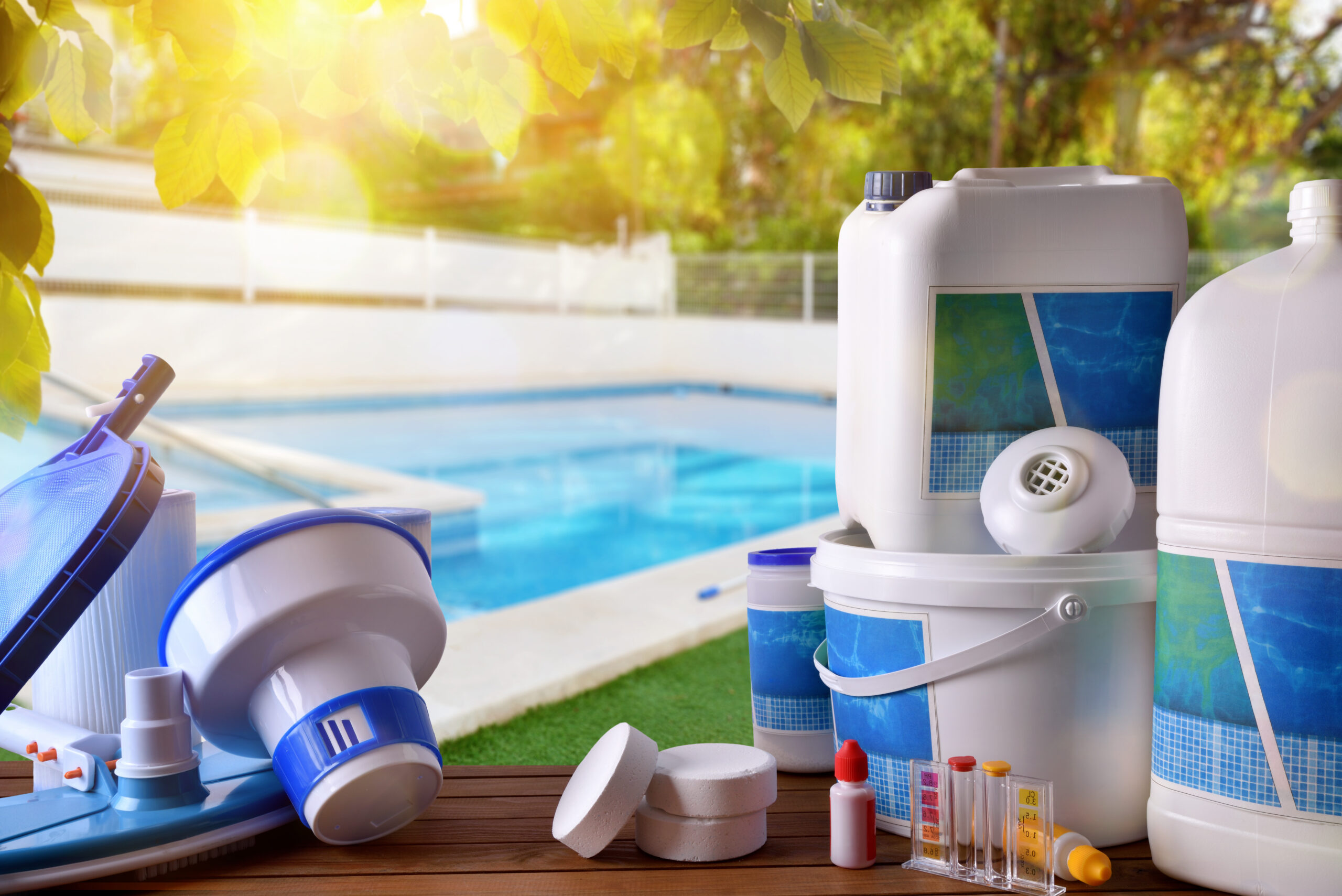
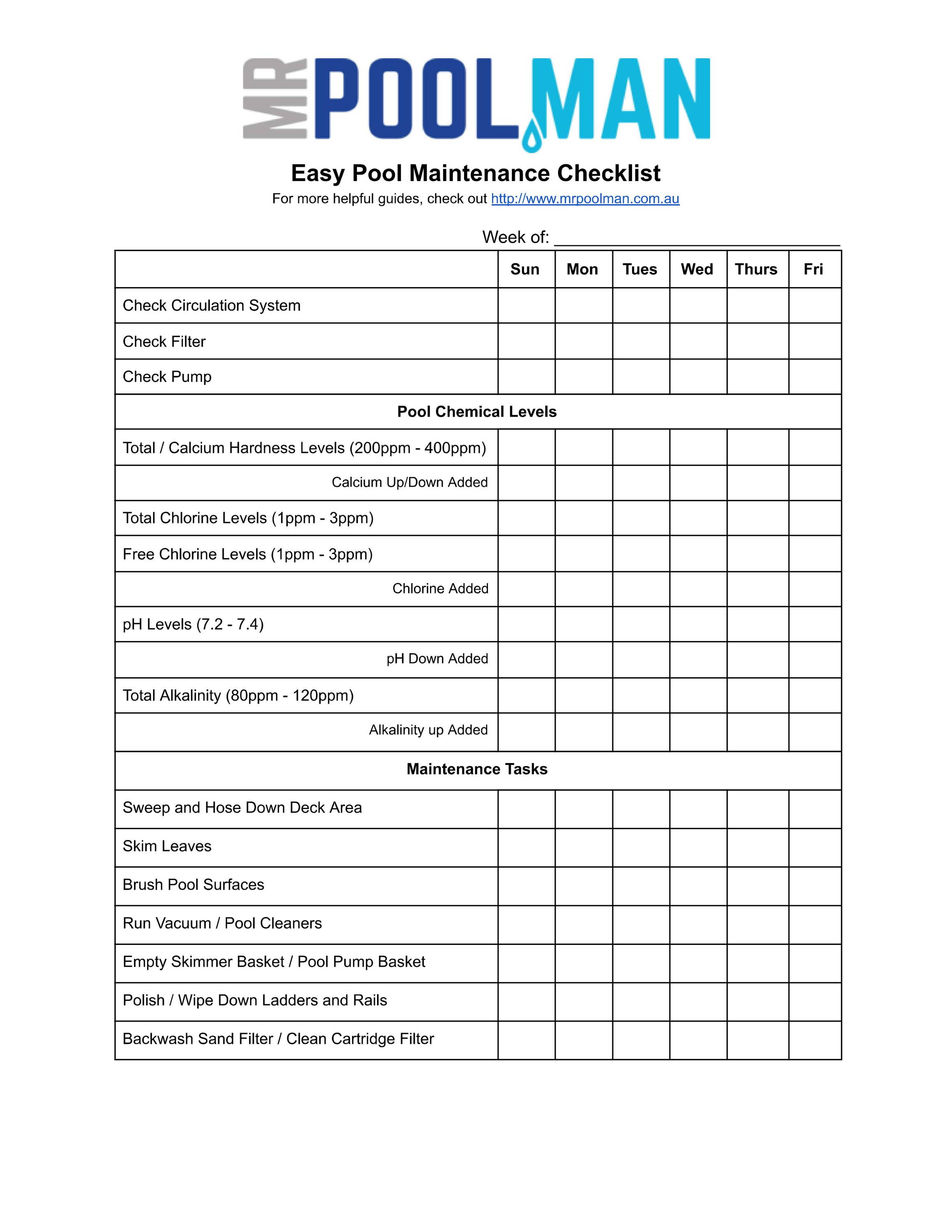
Getting the water chemistry right is the heart of a successful pool opening. It’s not just about throwing in some chlorine and hoping for the best. You need to understand why each chemical balance is important. pH affects the effectiveness of chlorine and swimmer comfort. Alkalinity acts as a buffer, preventing drastic pH swings. Calcium hardness protects the pool surface from etching or scaling.
Cyanuric acid (stabilizer) protects chlorine from being broken down by the sun. Testing for these four – pH, alkalinity, calcium hardness, and cyanuric acid – should be your first step after removing debris. The CDC’s Pool Inspection Toolkit is a fantastic resource for understanding acceptable ranges and the health implications of imbalances. You can find it on their website; it’s surprisingly accessible.
I often see people make the mistake of adjusting one chemical without considering the others. For example, raising alkalinity can affect pH. Always test and adjust in the correct order: first alkalinity, then pH, then calcium hardness, and finally, cyanuric acid. And remember, follow the instructions on the chemical containers carefully. Overdoing it can create new problems.
A common issue is high phosphate levels. Phosphates are a food source for algae, so addressing them early can prevent blooms later in the season. Testing for phosphates isn’t always standard, but it's a smart move, especially if you’ve struggled with algae in the past. Consider a phosphate remover as part of your opening routine.
- Test alkalinity and get it between 80-120 ppm.
- Adjust pH next.
- Balance calcium hardness.
- Finally, adjust cyanuric acid.
Checking the equipment
Before you flip the switch, look for leaks around the pump housing. If you hear grinding or squealing when it starts, the motor is likely on its last legs. Keep an eye on the pressure gauge too; if it's 10 PSI higher than your clean baseline, the filter is already clogged.
Filters come in three main types: sand, cartridge, and diatomaceous earth (DE). Sand filters require backwashing. Cartridge filters need to be cleaned or replaced. DE filters need to be disassembled and cleaned thoroughly. Each type has its own maintenance requirements. Heaters also need attention. Inspect the heat exchanger for corrosion and ensure the gas valve is functioning properly.
Salt systems, increasingly popular, require checking the salt cell for scaling. If you have a salt system, ensure the salt level is within the manufacturer’s recommended range. Some things a homeowner can safely inspect, others require a professional. Aquatic Inspections offers a comprehensive DIY vs. Pro inspection guide on our website to help you decide when to call in the experts.
Corrosion is a major enemy of pool equipment. Look for rust on metal components and check electrical connections for damage. Early detection can prevent costly repairs or replacements later on. Don't ignore small issues; they often snowball into bigger problems.
Cleaning the surfaces
With the water chemistry stabilized and the equipment inspected, it’s time for a deep clean. Start by brushing the pool walls and floor to loosen any algae or dirt. Use a pool brush appropriate for your pool surface – nylon for vinyl liners, stainless steel for plaster. Vacuum the pool thoroughly, either manually or with a robotic cleaner.
Skim the surface to remove any remaining debris. Different types of algae require different approaches. Green algae is the most common and usually responds well to shock treatment. Black algae is more stubborn and may require specialized algaecides. Yellow algae, also known as mustard algae, often appears in shady areas.
Don’t forget the deck! Sweep or power wash the pool deck to remove dirt and grime. A clean deck not only looks better but also prevents dirt from being tracked into the pool. A local pool service tech once shared a tip with me: using a phosphate remover before shocking can significantly reduce the risk of an algae bloom. It starves the algae of its food source.
Shocking and sanitizing
Shocking the pool is essential for eliminating contaminants and jumpstarting the sanitizing process. There are several types of pool shock available: calcium hypochlorite (cal-hypo), dichlor, and non-chlorine shock. Cal-hypo is the most common and powerful, but it can raise calcium hardness. Dichlor is gentler but also less effective. Non-chlorine shock is used to oxidize organic contaminants without raising chlorine levels.
The proper shocking procedure involves dissolving the shock in a bucket of water (never add water to the shock!), broadcasting it evenly around the pool, and running the pump overnight. Always follow the dosage instructions on the product label and take necessary safety precautions – wear gloves and eye protection. Maintaining a consistent sanitizer level is crucial.
Whether you use chlorine, bromine, or a salt system, regular testing and adjustment are essential. Chlorine levels should typically be between 1-3 ppm, while bromine levels should be between 3-5 ppm. Salt systems require monitoring the salt level and periodically inspecting the salt cell. Algaecides can be used as a preventative measure, but they shouldn’t replace proper sanitation.
Common opening problems
Cloudy water is a common problem after opening a pool. It can be caused by a variety of factors, including imbalanced water chemistry, inadequate filtration, or algae growth. Adjusting the pH and alkalinity, shocking the pool, and running the filter continuously can usually clear up the water. Algae blooms are another frequent issue. Shocking the pool and using an algaecide are the best solutions.
If your pump isn’t priming, check the water level, the skimmer basket, and the pump strainer. Make sure all valves are in the correct position and that there are no air leaks in the suction line. Low sanitizer levels are easily corrected by adding the appropriate amount of chlorine, bromine, or salt. However, if you’re consistently struggling with these issues, it might be time for a professional inspection.
Persistent problems could indicate a more serious underlying issue, such as a leak in the plumbing or a failing pump motor. Aquatic Inspections can provide a thorough inspection to diagnose the problem and recommend the best course of action. Don’t hesitate to call us if you’re feeling overwhelmed or unsure about anything.
How to calculate chemical needs
Determining the correct amount of chemicals can seem daunting, but it’s manageable with a little math. First, calculate your pool’s volume (length x width x average depth x 7.5 = gallons for rectangular pools). Then, use a chemical calculator to determine the dosage based on your current test results and desired levels. There are many free online calculators available.
For example, to raise the alkalinity of a 20,000-gallon pool from 80 ppm to 100 ppm, you might need to add 10 pounds of alkalinity increaser (this is just an example; always verify with a calculator and product instructions). These calculations are estimates, and professional water testing is always recommended for accuracy.
No comments yet. Be the first to share your thoughts!