

The cost of missed leaks
A cracked pipe under a patio often stays hidden until you're forced to drain the pool and tear up the concrete. These leaks usually start small, but ignoring them leads to structural shifts that cost thousands to fix. Regular checks catch these issues before they become construction projects.
The potential dangers of unaddressed pool issues are significant. Structural problems can worsen over time, leading to collapses or major renovations. Electrical faults can create life-threatening shock hazards. Poor water chemistry can breed bacteria and compromise the health of swimmers. Inspections aren’t just about maintaining a sparkling clean pool; they’re about protecting your investment, your family, and yourself.
Modern pools are more complex than older models. Most now include automation systems, saltwater cells, and variable-speed pumps that have specific failure points. If you are buying a home or haven't had a pro look at your equipment in a few years, these components need a technical evaluation.
What you can check yourself
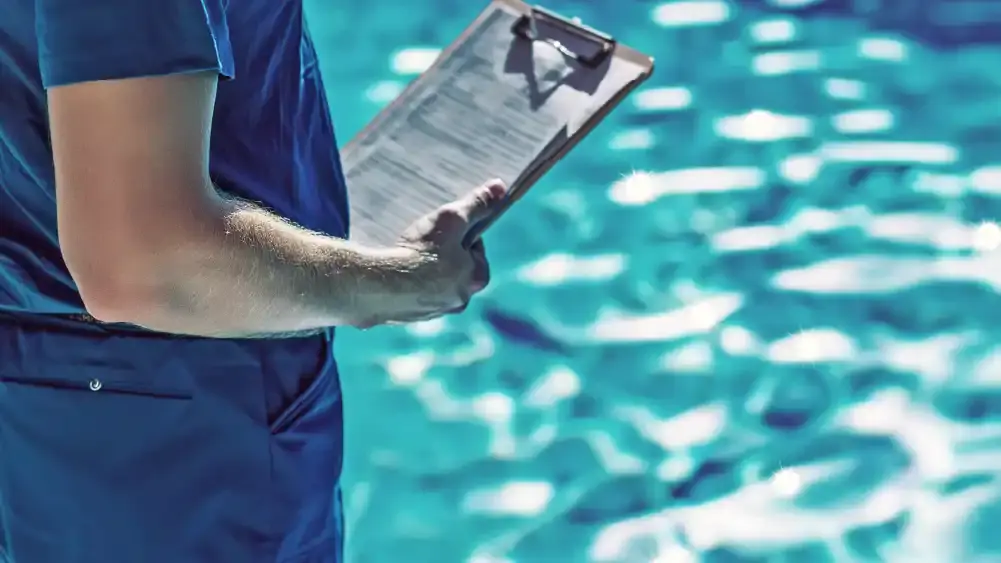
There are definitely things a homeowner can and should check regularly. A good DIY inspection starts with a visual assessment. Walk around the pool deck, looking for cracks in the tiles, coping, and concrete. Pay attention to any uneven surfaces or signs of settling. These could indicate underlying structural issues.
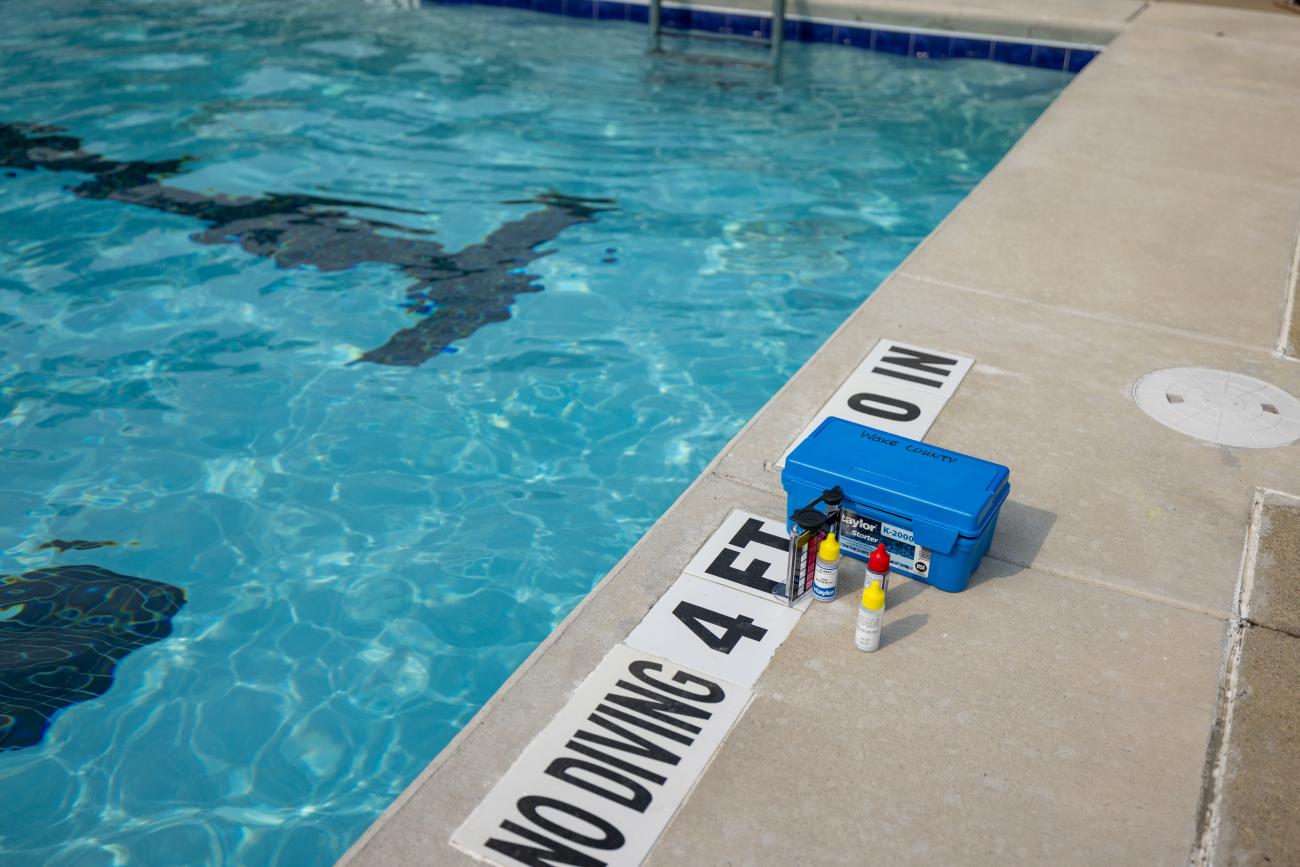
Water chemistry is another area where homeowners can take control. Testing pH, chlorine, and alkalinity levels is essential for maintaining safe and sanitary swimming conditions. You’ll need a reliable test kit – liquid test kits are generally more accurate than test strips – and a good understanding of proper water balance. Maintaining proper levels prevents corrosion, scaling, and algae growth.
Don’t forget to visually inspect your pump and filter. Look for leaks around the pump housing, hoses, and connections. Listen for unusual noises – grinding, squealing, or excessive vibration can signal a problem. Check the filter pressure gauge and clean or backwash the filter as needed. It's a good habit to remove debris from skimmer baskets and pump baskets regularly.
However, it's important to be realistic about the limitations of DIY checks. You can spot obvious problems, but you won’t have the tools or training to diagnose more subtle issues. You’re essentially providing a first line of defense, but a professional inspection is still necessary for a thorough assessment.
Beyond the Basics: Where DIY Falls Short
When it comes to electrical components, attempting DIY inspection without proper training is simply too dangerous. This includes checking bonding, grounding, and GFCI (Ground Fault Circuit Interrupter) outlets. Incorrectly installed or malfunctioning electrical systems can create a serious electrocution risk. Leave this work to a qualified electrician.
Assessing the structural integrity of your pool shell and plumbing also requires specialized equipment and expertise. Detecting leaks within the shell, under the coping, or in the underground plumbing lines is beyond the scope of a typical DIY inspection. Professionals use pressure testing and leak detection equipment to pinpoint these hidden problems.
Local codes change. The Los Angeles County Public Pool Inspection Guide has specific safety and sanitation requirements that residential pools often fail to meet during a sale. We check your setup against these current local standards to ensure you aren't liable for violations.
I don't want to suggest that DIY inspections are useless. They're a good habit. But they shouldn’t be considered a substitute for a comprehensive professional inspection. The peace of mind that comes with knowing your pool is safe and structurally sound is well worth the investment.
The professional inspection process
A professional pool inspection from Aquatic Inspections is a thorough, systematic evaluation of all major pool components. Our inspectors follow a comprehensive checklist, covering everything from structural elements to electrical systems and safety features. We don’t just look for obvious problems; we proactively seek out potential issues that could arise in the future.
This includes a detailed inspection of the pool shell, coping, and deck for cracks, settling, or deterioration. We examine the plumbing system for leaks, corrosion, and proper sizing. We thoroughly assess the electrical system, checking bonding, grounding, and GFCI outlets for safety and compliance. We also evaluate the pool’s filtration and circulation systems, ensuring they are functioning efficiently.
We utilize specialized tools to enhance our inspections. Pressure testing helps identify leaks in the plumbing lines. Leak detection equipment pinpoints hidden leaks in the shell and surrounding areas. We also use moisture meters to detect potential water intrusion.
You’ll receive a detailed written report outlining our findings, including any identified deficiencies and recommended repairs. This report is an invaluable tool for understanding the condition of your pool and making informed decisions about maintenance and repairs. It also provides a clear record of the inspection for future reference.
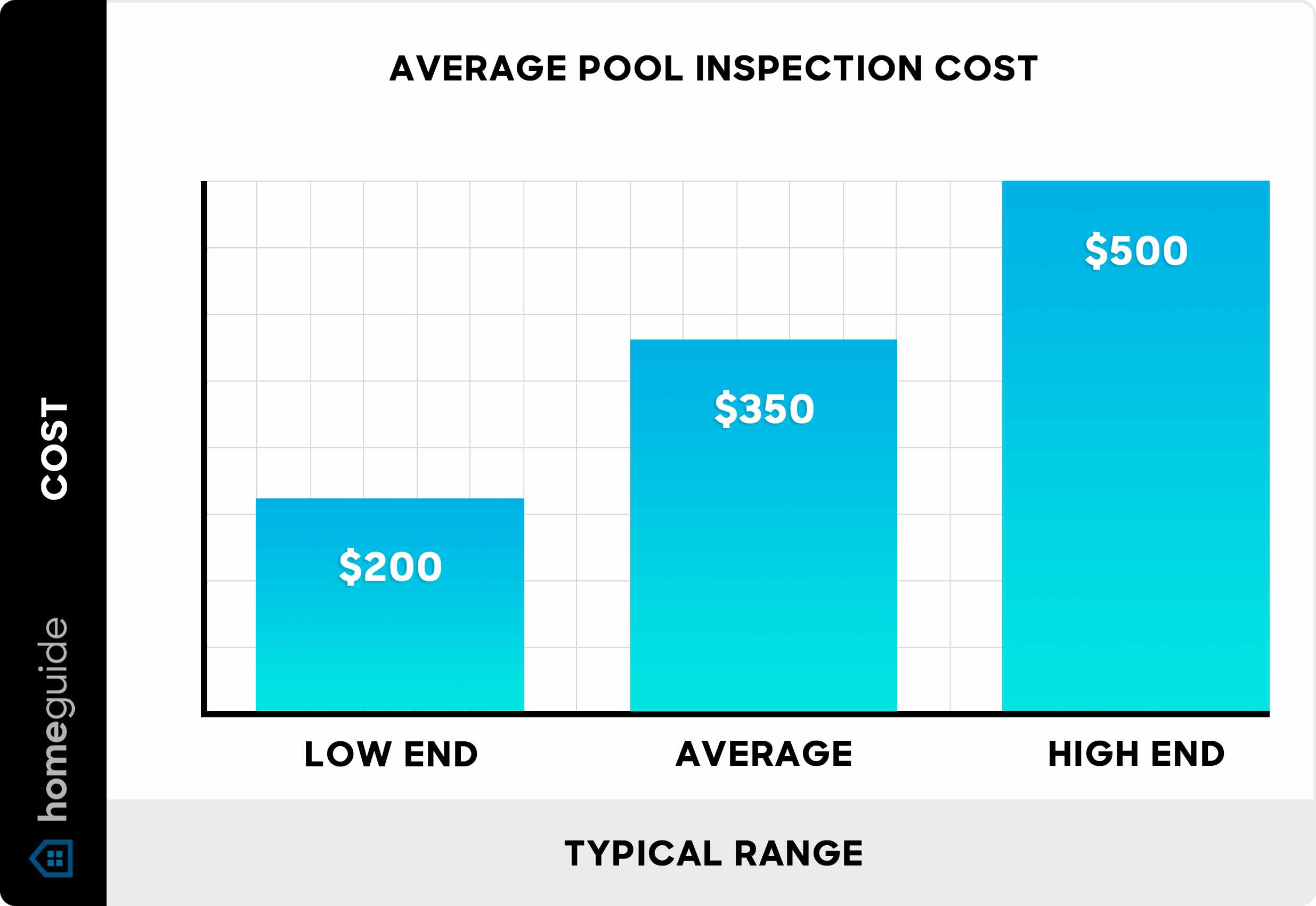
Comparing costs
The cost of DIY inspections is relatively low – primarily the price of test kits and basic tools. However, this doesn’t account for the potential cost of misdiagnosis or overlooking critical issues. A small leak, if left undetected, can lead to significant structural damage and expensive repairs.
Professional pool inspections, while requiring an upfront investment, can save you money in the long run. Aquatic Inspections’ services start at around $300, depending on the size and complexity of the pool. This fee covers a comprehensive inspection, a detailed written report, and the peace of mind that comes with knowing your pool is safe and structurally sound.
Consider the long-term cost savings of preventative maintenance. Identifying and addressing minor issues early on can prevent them from escalating into major problems that require costly repairs. A professional inspection is an investment in the longevity and value of your pool.
Ultimately, the cost of a professional inspection is a small price to pay compared to the potential cost of ignoring a problem. It’s a proactive approach to pool ownership that can save you time, money, and stress.
Aquatic Inspections Pool Inspection Packages - 2026
| Features Included | Typical Application | Scope of Inspection | Report Detail |
|---|---|---|---|
| Visual inspection of pool structure, equipment functionality check | New Pool Buyers, Routine Check-ups | Focuses on readily observable issues; pump, filter, heater | Summary report with noted deficiencies |
| All Basic features, plus detailed water chemistry analysis, leak detection | Annual Maintenance, Addressing Specific Concerns | Expands on Basic, including water balance, circulation, and minor leak assessment | Detailed report with water chemistry results and recommendations |
| All Standard features, plus comprehensive structural assessment, code compliance review | Selling a Home, Major Repairs Anticipated | Includes a thorough examination of pool shell, tiling, decking, and adherence to local regulations | Comprehensive report suitable for real estate transactions, including photos and prioritized repair list |
| All Premium features, plus underwater camera inspection (where accessible) | Older Pools, Pools with Known Issues | Adds visual inspection of underwater surfaces for cracks, damage, or obstructions | Enhanced report with underwater imagery and detailed structural analysis |
| All inspection levels include a safety check of barriers, gates, and alarms | All Clients | Assessment of pool safety features to identify potential hazards | Safety feature assessment included in all report types |
| Inspection reports are aligned with industry best practices and local health department standards | All Clients | Adherence to guidelines outlined in resources like the County of Los Angeles Public Health Pool Inspection Guide | Reports designed to be informative and actionable |
Illustrative comparison based on the article research brief. Verify current pricing, limits, and product details in the official docs before relying on it.
Finding a Qualified Pool Inspector
Choosing a reputable pool inspector is crucial. Look for inspectors who are certified by organizations like the National Swimming Pool Foundation (NSPF) and hold a Certified Pool Operator (CPO) certification. This demonstrates a commitment to professional standards and ongoing education.
Always check references and read online reviews. Websites like Yelp can provide valuable insights into the experiences of other customers. Pay attention to both positive and negative feedback, and look for patterns in the reviews.
Be wary of inspectors who offer unrealistically low prices or make overly optimistic assessments. A thorough inspection takes time and expertise, and a reputable inspector will be transparent about their findings. Red flags include a lack of insurance or a refusal to provide a detailed written report.
Aquatic Inspections stands out through our commitment to thoroughness, our experienced and certified inspectors, and our dedication to providing clear, actionable reports. We aim to empower you with the knowledge you need to make informed decisions about your pool. We believe in proactive pool care and helping our clients protect their investments.
Featured Products

Comprehensive 9-in-1 testing for Free & Combined Chlorine, pH, Acid & Base Demand, Total Alkalinity, Calcium Hardness, Cyanuric Acid (CYA), and Chloride (Sodium Chloride) · Designed for both pools and spas · Includes all necessary reagents and equipment for testing
This kit offers a thorough analysis of key water parameters, providing detailed insights for effective DIY pool maintenance.

Measures 7 key water parameters including Free Chlorine, Total Chlorine, pH, Total Alkalinity, Calcium Hardness, Cyanuric Acid, and Bromine · Bluetooth connectivity for easy data logging and analysis · Digital colorimeter for accurate readings
The ColorQ 2X provides precise digital readings and convenient data tracking, enhancing the accuracy of your DIY water testing.

Tests for 5 essential water parameters: Free Chlorine, pH, Total Alkalinity, Total Hardness, and Cyanuric Acid · Comes with a durable case for convenient storage and transport · Includes test strips and reagents for multiple tests
A budget-friendly option that covers the most critical water chemistry factors for maintaining a balanced pool or spa.

Tests for 7 parameters: pH, Total Chlorine, Free Chlorine, Bromine, Alkalinity, Total Hardness, and Cyanuric Acid · Easy-to-use dip-and-read test strips · Pack includes 100 strips for extended use
These test strips offer a quick and simple method for monitoring seven vital water quality indicators, perfect for regular checks.
As an Amazon Associate I earn from qualifying purchases. Prices may vary.
No comments yet. Be the first to share your thoughts!