

Why inspect your pool?
A pool can be a backyard oasis, but unseen issues like leaks, deteriorating tile, or a faulty pump can turn it into a costly headache. Many homeowners underestimate the potential for hidden problems and the expenses they can incur.
The cost of major pool repairs can easily run into the thousands of dollars. A new pump might set you back $800 to $1500, while resurfacing a pool can exceed $10,000. A professional pool inspection, however, typically costs a fraction of that. It's a proactive investment that can save you significant money in the long run by identifying issues early, before they escalate.
Beyond cost, safety is paramount. For families with children, a properly maintained and inspected pool is essential, covering secure fencing, functioning drain covers, and safe electrical connections. An inspection protects loved ones and provides peace of mind, ensuring a safe environment for everyone.
A pool is a significant investment that requires regular maintenance and monitoring. Ignoring potential problems is not a viable strategy; regular inspections are a cornerstone of responsible pool ownership.
DIY pool checks
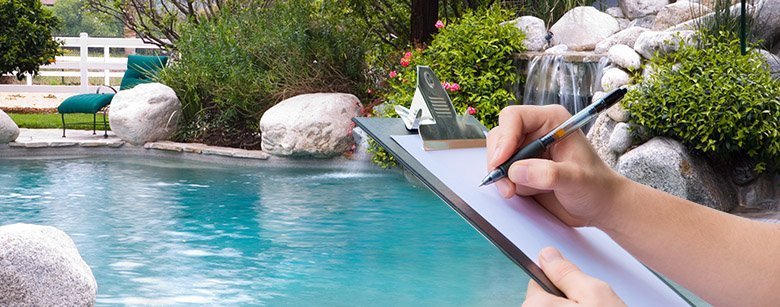
Homeowners can and should check certain things regularly. Start with a visual inspection of the pool’s surface, looking for cracks in the tile, crumbling coping, and damage to the pool’s deck. Pay attention to landscaping around the pool; overgrown plants can hide potential problems and contribute to debris in the water.
Checking for leaks around the equipment pad is also something you can do. Look for puddles or damp spots near the pump, filter, and heater. A simple way to test is to run the pump and observe the connections for any signs of dripping. You can also check the water level regularly; a consistent drop could indicate a leak, though it could also be evaporation, especially during hot weather.
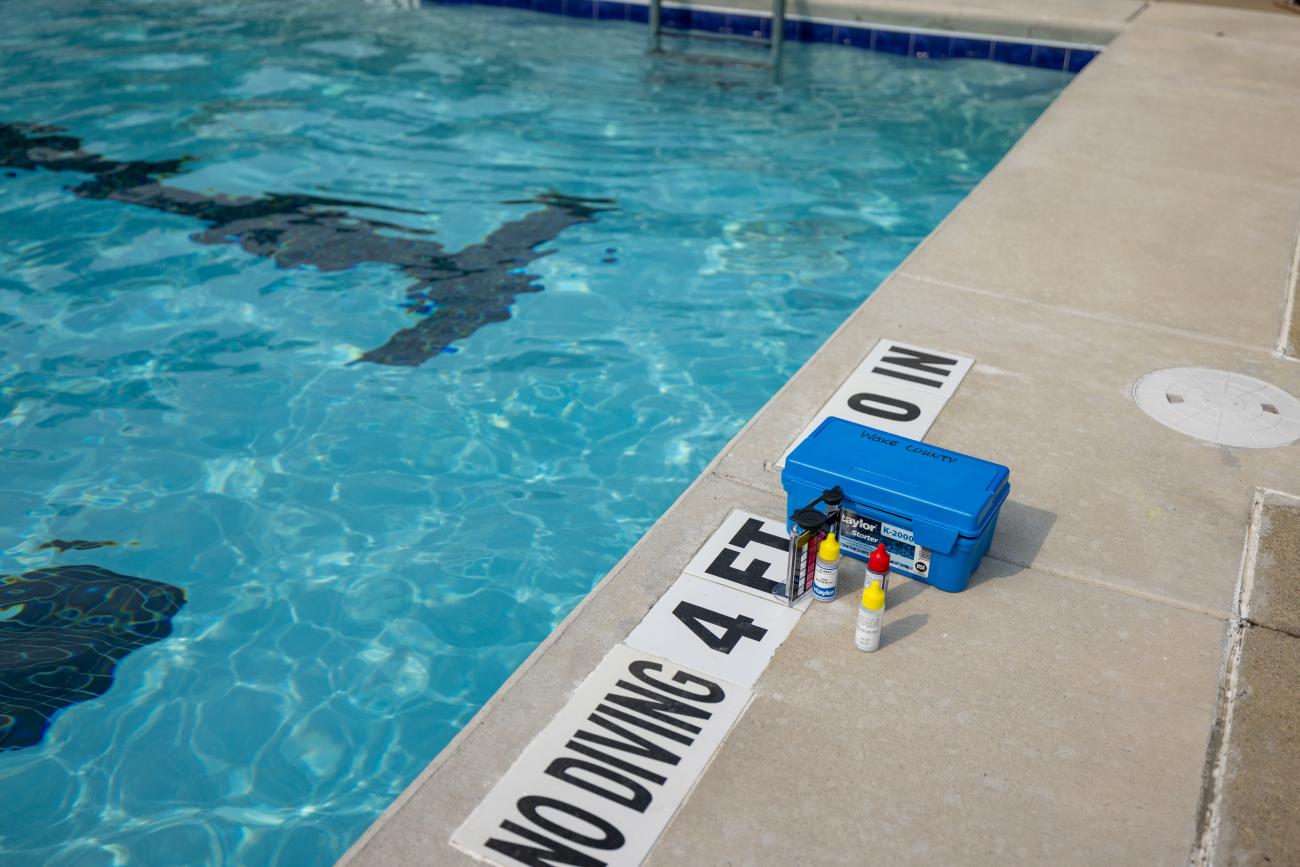
Basic water chemistry testing is another DIY task. You can purchase a test kit at most pool supply stores for around $30 to $50. These kits allow you to measure pH, chlorine levels, alkalinity, and calcium hardness. Maintaining proper chemical balance is crucial for water clarity, swimmer comfort, and equipment longevity. Ideal pH levels are between 7.2 and 7.8, and free chlorine should be between 1 and 3 ppm.
Be realistic about DIY inspection limitations. You can spot obvious problems, but hidden structural issues like voids under the pool shell or leaks within plumbing lines require specialized equipment and expertise. Tools you’ll need include a test kit, a flashlight, and potentially a screwdriver for checking equipment connections.
- Visually inspect tile and coping for cracks.
- Check for leaks around the equipment pad.
- Test water chemistry (pH, chlorine, alkalinity).
- Monitor water level for unexplained drops.
Professional pool inspections
A professional pool inspection goes far beyond what a homeowner can check. Aquatic Inspections' comprehensive inspections assess all pool components, from the shell and plumbing to the electrical system and equipment, using specialized tools and techniques to identify invisible problems.
One critical aspect of our inspections is pressure testing the plumbing lines. This involves isolating sections of the plumbing and pressurizing them with air to detect leaks. We also use electronic leak detection equipment to pinpoint the exact location of hidden leaks, even those buried underground. This equipment can often detect very small leaks that would otherwise go unnoticed for months or even years.
Our structural assessments involve a careful examination of the pool shell for cracks, voids, and other signs of deterioration. We also evaluate the pool’s coping, tile, and deck to ensure they are structurally sound. Electrical safety is another key component of our inspections. We check all electrical connections, grounding systems, and bonding to ensure they meet current safety standards. This is incredibly important to prevent electrical shock hazards.
Expertise and experience set professional inspections apart. Inspectors are trained to identify potential problems before they become major, expensive repairs. A detailed report outlines findings and recommendations. Experience with many pools reveals how small issues can become catastrophic if left unchecked.
Common inspection findings
Based on our experience at Aquatic Inspections, and current trends in the industry, aging plumbing is one of the most common issues we’re finding. PVC pipes can become brittle and crack over time, leading to leaks and water loss. We’re also seeing a lot of pools with deteriorating pool surfaces, particularly plaster or pebble finishes. These surfaces can develop cracks, stains, and rough spots, requiring resurfacing.
Faulty equipment is another frequent finding. Pumps, filters, and heaters all have a limited lifespan, and components often fail due to wear and tear or corrosion. Variable speed pumps, while energy-efficient, can sometimes have issues with their control modules or motors. Saltwater chlorine generators are also prone to cell failures. We're seeing an increase in these types of issues as equipment ages.
Code compliance is increasingly important, with updated regulations for pool safety and energy efficiency. Older pools may require upgrades to meet current codes, such as self-closing and self-latching gate mechanisms, barriers, and upgraded electrical systems. Issues related to drain covers, requiring specific anti-entrapment designs, have seen a particular uptick.
Extreme weather events contribute to more inspection findings. Heavy rains and flooding can damage pool equipment and compromise structural integrity, leading to erosion around pool decks and damage to pool liners. Proactive maintenance is more important than ever.
Pool Surface Material Comparison
| Material | Durability | Maintenance Cost | Aesthetic Appeal | Algae/Staining Resistance |
|---|---|---|---|---|
| Plaster | Medium | Medium | Medium | Low |
| Tile | High | High | High | High |
| Aggregate (Pebble) | High | Medium | High | Medium |
| Quartz | Medium-High | Medium | Medium-High | Medium |
| Polished Aggregate | Medium | Medium | Medium-High | Medium |
| Vinyl Liner | Low | Low | Low-Medium | Medium |
Illustrative comparison based on the article research brief. Verify current pricing, limits, and product details in the official docs before relying on it.
DIY vs. professional inspection costs
A DIY inspection is low-cost, mainly for tools and test kits ($30-$50 for a basic water test kit, minimal for a flashlight). However, DIY assessments are limited by your knowledge and expertise, potentially leading to missed issues and costly repairs.
At Aquatic Inspections, our pricing varies depending on the size and complexity of the pool. A standard inspection for a residential pool typically ranges from $350 to $600. We also offer more comprehensive inspections with additional services, such as pressure testing and leak detection, which can add to the cost. We provide a detailed quote upfront, so you know exactly what you’re paying for.
The cost of not having an inspection can be significantly higher. A minor leak can lead to structural damage, a faulty pump to equipment failure, and unsafe electrical connections to hazards. These repairs can cost thousands, far exceeding a professional inspection. An inspection revealing a $10,000 problem for $400 saves the homeowner substantial money.
A professional inspection is a small investment that provides peace of mind and protects your financial investment.
When to Call Aquatic Inspections
A professional inspection is essential when purchasing a home with a pool. A pre-purchase inspection provides a clear understanding of the pool’s condition and potential problems before you commit, serving as a valuable negotiating tool.
Before major pool renovations like resurfacing or equipment upgrades, a professional inspection is highly recommended. This identifies underlying issues that need addressing before work begins, preventing unexpected costs and delays.
If you suspect a pool problem—a leak, structural issue, or equipment malfunction—call a professional. Early detection prevents minor issues from escalating into major repairs. After severe weather events like hurricanes or heavy flooding, have your pool inspected for damage.
Have your pool inspected every two to three years, even without suspected problems. Regular inspections maintain pool condition and prevent costly repairs. Schedule an inspection with Aquatic Inspections via their website or by calling. They help keep your pool safe, functional, and enjoyable.
Pool Equipment: What to Expect in 2026
Pool equipment evolves with a focus on energy efficiency, automation, and water conservation. Variable speed pumps are standard on most new pools, offering significant energy savings over traditional single-speed pumps. Automation systems allow smartphone control of lighting, heating, and filtration.
Saltwater chlorine generators are becoming increasingly popular, providing a more gentle and natural way to sanitize your pool water. However, these systems require regular maintenance and cell replacement. Energy-efficient filtration systems, such as cartridge filters and DE filters, are also gaining traction, reducing water waste and energy consumption.
These new technologies impact inspections in several ways. We need to verify that variable speed pumps are programmed correctly to maximize energy savings. We also assess the functionality of automation systems and ensure they are properly integrated with the pool’s equipment. For saltwater chlorine generators, we check the cell’s output and look for signs of corrosion.
Common failure points of these systems include control modules, sensors, and motors. We’re also seeing issues with software glitches in automation systems. Aquatic Inspections stays up-to-date on the latest pool technology and inspection procedures, ensuring we can provide you with a comprehensive and accurate assessment of your pool’s equipment. We understand the nuances of these systems and can identify potential problems before they lead to costly repairs.
Featured Products

Tests for pH, total alkalinity, chlorine, bromine, and total hardness. · Includes a durable carrying case for convenient storage and transport. · Provides essential water chemistry readings for balanced pool or spa maintenance.
This kit empowers you to conduct thorough DIY inspections, ensuring you can accurately assess your pool's chemical balance before deciding if professional intervention is needed.

Tests for pH, total chlorine, free chlorine, bromine, alkalinity, total hardness, and cyanuric acid. · Provides quick and accurate results in seconds. · Includes 100 test strips for multiple uses.
These highly-rated pool water testing kits empower you to conduct thorough DIY inspections, ensuring you can accurately assess your pool's chemical balance before deciding if professional intervention is needed.

Offers a comprehensive mobile lab for precise water analysis. · Tests for chlorine/bromine and phosphates with specialized disks. · Includes a carry case for portability and convenience.
This advanced kit empowers you to conduct thorough DIY inspections, ensuring you can accurately assess your pool's chemical balance before deciding if professional intervention is needed.

Tests for pH, total chlorine, free chlorine, bromine, alkalinity, calcium hardness, and acid/base demand. · Designed for high-range chlorine testing. · Provides accurate readings for comprehensive water analysis.
This kit empowers you to conduct thorough DIY inspections, ensuring you can accurately assess your pool's chemical balance before deciding if professional intervention is needed.

Tests for chlorine, bromine, total alkalinity, and pH. · Offers easy-to-read results for quick assessment. · Includes 50 test strips for convenient pool and spa testing.
These highly-rated pool water testing kits empower you to conduct thorough DIY inspections, ensuring you can accurately assess your pool's chemical balance before deciding if professional intervention is needed.
As an Amazon Associate I earn from qualifying purchases. Prices may vary.
No comments yet. Be the first to share your thoughts!