

Pool safety standards in 2026
Pool inspections in 2026 follow stricter updates to the Virginia Graeme Baker Pool & Spa Safety Act. While drain cover safety remains the priority, current standards now require more rigorous assessments of the entire pool structure. Skipping these checks often leads to expensive structural repairs that are easily avoided with a yearly walkthrough.
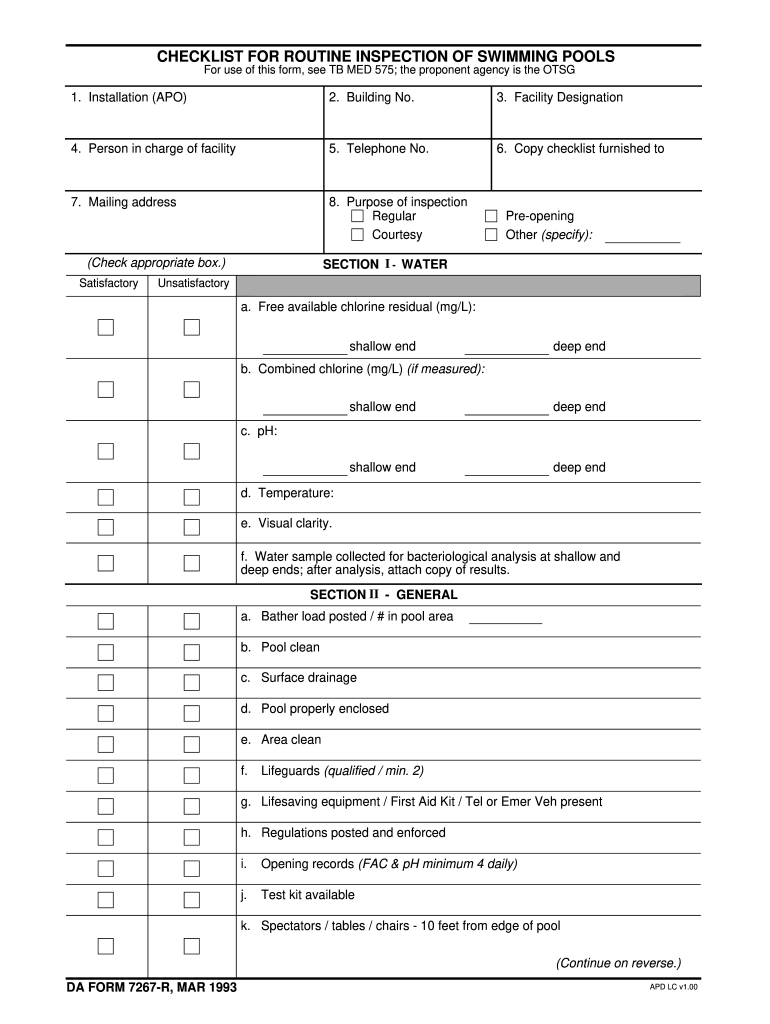
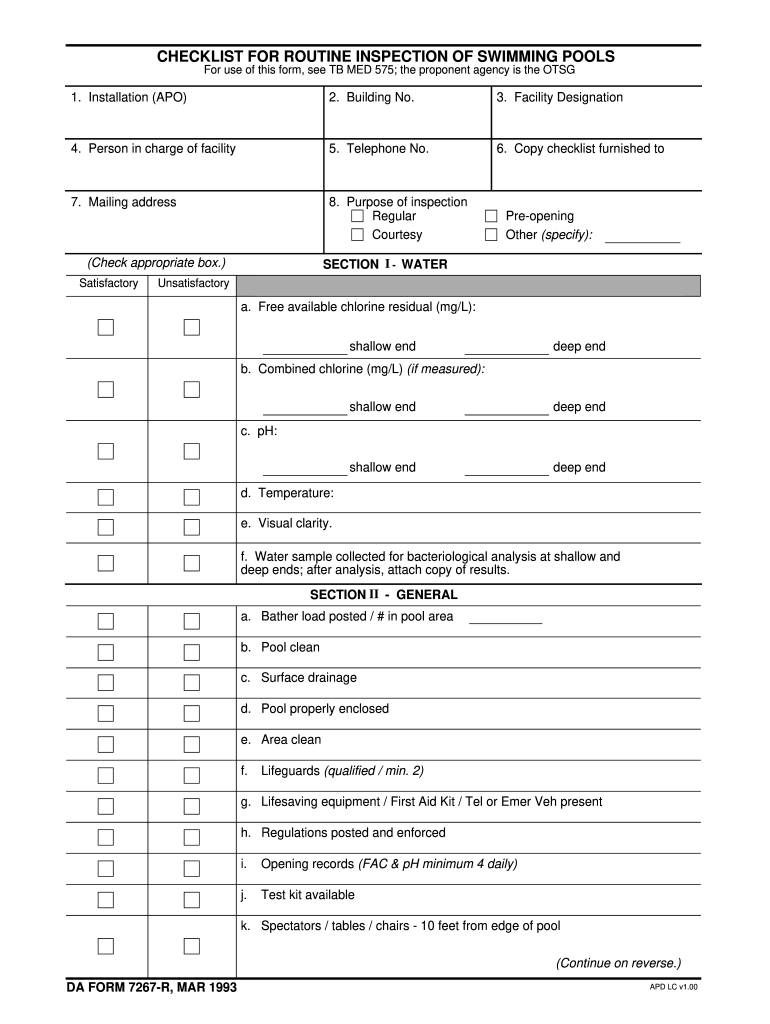
We’re seeing a shift from simply reacting to problems to proactively identifying potential hazards. This means inspectors will be looking more closely at everything from circulation systems to electrical components. While specific inspection requirements vary significantly by location—check with your local health department—this checklist provides a solid baseline for a professional swimming pool safety assessment.
The goal isn’t just to find issues, but to ensure a safe and enjoyable swimming experience for everyone. A well-maintained pool is an investment, and regular, thorough inspections protect that investment. Don’t think of an inspection as a hassle, but rather as a crucial part of responsible pool ownership. It’s about peace of mind, knowing your pool is safe for family and friends.
Circulation system and pump health
The pool’s circulation system is the heart of its operation, and a proper inspection needs to verify its efficiency. This starts with the pump – is it functioning correctly, maintaining adequate flow, and free from unusual noises? A visual inspection for leaks around the pump housing and plumbing connections is essential. We also need to check the pressure readings against the manufacturer’s specifications.
The filter determines water clarity. For sand filters, I check the backwashing frequency and the age of the media. Cartridge filters need a physical inspection for tears, while DE filters require a grid check. A clogged skimmer is a common failure point that chokes the pump and stops debris removal.
Return jets should be checked to ensure they’re properly positioned and delivering adequate flow. Poor circulation leads to dead spots where algae can flourish and chemicals aren't distributed effectively. Variable speed pumps are becoming increasingly common, and inspections need to account for their programming and energy efficiency. A properly functioning circulation system isn’t just about clean water; it’s about chemical balance and overall hygiene.
Pay close attention to any signs of corrosion on metal components. This indicates potential problems with water chemistry or the system itself. A thorough inspection will identify these issues before they become major, costly repairs.
Chemical balance and water quality
Maintaining proper water chemistry is non-negotiable for pool safety and longevity. A comprehensive inspection involves testing for pH (ideal range 7.2-7.8), alkalinity (80-120 ppm), calcium hardness (200-400 ppm), cyanuric acid (30-50 ppm), and chlorine/sanitizer levels (1-3 ppm for chlorine, varies for other sanitizers). These ranges can vary slightly based on local regulations and sanitizer type.
Chemical imbalances irritate skin and eyes or eat away at the pool liner. Automatic feeders are convenient, but they fail often. I always back them up with a manual test kit. I've walked onto decks where the salt cell failed and the chlorine was at zero, despite what the digital readout claimed.
Proper chemical storage and handling are also critical. Chemicals should be stored in a cool, dry, well-ventilated area, away from direct sunlight and incompatible substances. Mixing chemicals incorrectly can produce hazardous chlorine gas, so clear labeling and understanding of safety data sheets are vital. The risks of chlorine gas production are very real, and preventative measures are essential.
Don't overlook the importance of stabilizer (cyanuric acid). While it protects chlorine from sunlight, too much can reduce its effectiveness. Regularly monitoring and adjusting these levels is a key part of maintaining a healthy pool.
- pH: 7.2-7.8 (prevents eye sting and scale)
- Alkalinity: 80-120 ppm
- Calcium Hardness: 200-400 ppm
- Cyanuric Acid: 30-50 ppm
- Chlorine: 1-3 ppm
Structural Integrity: Pool Shell & Deck
A visual inspection of the pool shell is crucial for identifying potential structural issues. Look for cracks, stains, or areas of deterioration. The type of material—concrete, vinyl, or fiberglass—will influence the kinds of problems to expect. Concrete pools are prone to cracking, while vinyl liners can tear or become brittle. Fiberglass pools can develop blisters or gel coat damage.
The pool deck is equally important. Assess it for cracks, tripping hazards, and proper drainage. Standing water can contribute to deterioration and create slippery surfaces. Coping stones should be securely in place and in good condition. Tiles, if present, need to be inspected for looseness or damage.
Hydrostatic pressure – the force exerted by groundwater – can cause significant damage to pool structures. Look for signs of bulging walls or heaving decks, especially in areas with high water tables. Proper drainage around the pool is essential to mitigate this risk. Addressing structural issues early can prevent them from escalating into major, expensive repairs.
Remember that even seemingly minor cracks can indicate underlying problems. A professional inspection will help determine the severity of any damage and recommend appropriate repairs.
Safety Equipment: Barriers & Alarms
Pool fences are the first line of defense against accidental drownings. A proper inspection ensures the fence meets local regulations, typically requiring a height of at least 4 feet. Gates must be self-closing and self-latching, with the latch positioned high enough to be out of reach of young children. The latching mechanism should be functioning smoothly and securely.
Pool alarms offer an additional layer of protection. Surface wave alarms detect disturbances in the water, while door/gate alarms alert you if someone enters the pool area. Regular testing of alarms is essential to ensure they’re working correctly. Don’t assume an alarm is functioning just because it has batteries—test it frequently.
Pool covers, when used correctly, can also prevent drowning. However, they’re not a substitute for proper barriers and alarms. Ensure the cover is properly secured and that it can support the weight of a child. Signage indicating safety rules and emergency contact information should be prominently displayed.
Local regulations regarding pool barriers and alarms vary, so it’s important to be aware of the specific requirements in your area. A professional inspection will verify compliance with these regulations.
Pool Barrier Options: A Comparative Analysis
| Barrier Type | Cost | Effectiveness | Maintenance | Pros | Cons |
|---|---|---|---|---|---|
| Fence | Medium | High | Medium | Provides a physical barrier, durable, can be aesthetically pleasing. | Requires consistent upkeep to prevent damage or gaps, may obstruct views. |
| Pool Alarm | Low to Medium | Medium | Low | Relatively inexpensive, provides an audible warning if someone enters the pool area. | Can be prone to false alarms, relies on proper sensor function, does not prevent entry. |
| Automatic Pool Cover | High | High | Medium | Offers a robust physical barrier and helps with pool cleanliness, can reduce chemical loss. | Significant initial investment, requires mechanical maintenance, potential for malfunction. |
| Safety Cover (Manual) | Medium | Medium | Medium | Less expensive than automatic covers, provides a physical barrier. | Requires manual operation which can be cumbersome, may not be as secure as automatic options. |
| Door/Gate Alarm | Low | Low to Medium | Low | Alerts when a door or gate leading to the pool area is opened. | Only effective if the alarm is functioning and the door/gate is used for access, doesn't prevent entry. |
| Self-Closing/Self-Latching Gate | Low to Medium | Medium | Low | Adds a layer of security to fence systems, relatively easy to install. | Effectiveness relies on proper adjustment and maintenance of the latching mechanism. |
Illustrative comparison based on the article research brief. Verify current pricing, limits, and product details in the official docs before relying on it.
Electrical Systems & Grounding
Electrical safety is paramount when inspecting a pool. Proper bonding and grounding are essential to prevent electrical shock. All metal components—pumps, filters, ladders, handrails—must be bonded together and connected to the grounding system. Ground Fault Circuit Interrupters (GFCIs) are required on all electrical circuits serving the pool area.
Underwater lighting poses a particular risk. Inspect the lights for cracks or damage, and ensure they’re properly sealed. The electrical connections must be waterproof and corrosion-resistant. Any signs of corrosion or exposed wiring should be addressed immediately.
Qualified electrical work is non-negotiable. Never attempt to repair or modify electrical components yourself unless you’re a licensed electrician. Regular inspections by a qualified professional are crucial to identify potential hazards. The proper distance requirements for electrical equipment near the pool must be observed to minimize the risk of shock.
Arc fault circuit interrupters (AFCIs) are becoming more common and provide an additional layer of protection against electrical fires. An inspection should verify the presence and proper function of AFCIs.
Drain covers and entrapment hazards
Drain covers are a critical safety feature, designed to prevent entrapment. The current standard is VRBPA 8.0, which requires compliant drain covers that are resistant to loosening and cannot be easily removed. An inspection must verify that all drain covers meet this standard.
Inspect drain covers for damage, cracks, or missing parts. Even a seemingly minor defect can create an entrapment hazard. Look for signs of suction around the drain, which could indicate a problem with the circulation system. Dual drain systems are recommended to reduce the risk of entrapment.
Hair and body entrapment can occur when someone gets too close to a drain with strong suction. Educate swimmers about the dangers of drain entrapment and the importance of staying away from drains. Proper flow rates are also essential—insufficient flow can increase the risk of entrapment.
If a drain cover is missing, immediately shut off the pump and do not use the pool until a compliant cover is installed. This is a serious safety hazard that requires immediate attention.
No comments yet. Be the first to share your thoughts!