

Pools Get Smarter: The 2026 Landscape
For decades, pool maintenance was largely a reactive process. We’d test the water, add chemicals, and hope for the best. Regular skimming and vacuuming were essential, but identifying potential problems often meant waiting for something to actually break. Now, in 2026, that’s changing rapidly. Artificial intelligence is poised to revolutionize how we care for our swimming pools, shifting the focus from reaction to proactive prevention.
What was once considered a luxury is becoming increasingly accessible. The price of sensors and smart controllers has come down considerably over the last five years, and adoption rates are climbing. More homeowners are realizing the benefits – not just convenience, but also significant cost savings and increased safety. This isn’t simply about adding a few gadgets to the pool deck; it’s about building a comprehensive system that monitors and optimizes every aspect of pool operation.
The shift toward smart pool technology isn’t just driven by homeowner demand. Concerns about water conservation, chemical usage, and pool safety are also playing a role. Pools require a significant amount of energy and resources to maintain. AI-powered systems offer a way to minimize waste and ensure a healthier, more sustainable swimming experience. It's a change that benefits everyone.
We're moving beyond simply knowing what is happening with your pool to understanding why it’s happening and, crucially, what will happen next. That predictive capability is where the real value of smart pool technology lies. It allows pool owners and maintenance professionals to address issues before they escalate into costly repairs or, worse, safety hazards.
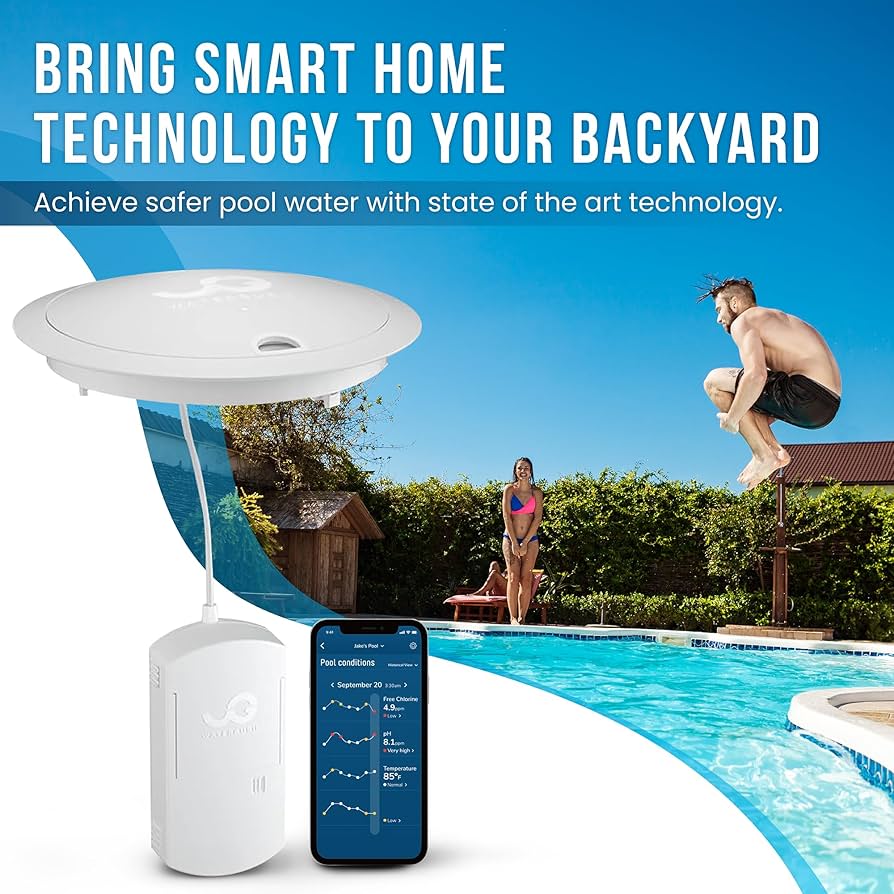
Core Components of AI Pool Monitoring
At the heart of any smart pool system are the sensors. These devices constantly collect data on a variety of parameters, including water chemistry (pH, alkalinity, calcium hardness, sanitizer levels), flow rate, temperature, and even the potential for leaks. Modern sensors are remarkably accurate and reliable, providing a continuous stream of information about the pool’s condition. They're often wireless, transmitting data via Wi-Fi or Bluetooth.
That data doesn’t do much good on its own, though. It needs to be collected and analyzed. This is where the "AI" part comes in. Sophisticated algorithms process the sensor data, looking for patterns and anomalies that might indicate a problem. For example, a gradual increase in pump motor temperature could signal an impending motor failure, while a sudden drop in pH could indicate a malfunctioning chemical feeder.
The data is typically transmitted to a central hub or cloud-based platform. This allows for remote access and control via a smartphone app or web interface. Pool owners can monitor their pool’s status from anywhere in the world, receive alerts when issues are detected, and even remotely adjust settings like pump speed or chemical feed rates. Cloud connectivity also enables over-the-air software updates, ensuring the system is always running the latest algorithms.
It's important to remember this is a system, not a collection of independent gadgets. The sensors, the algorithms, and the cloud platform all work together to provide a comprehensive picture of pool health. A single sensor isn’t enough; you need the entire ecosystem to realize the full benefits of AI-powered pool monitoring. Choosing compatible components is vital.
- Water Chemistry Sensors: Monitor pH, alkalinity, calcium hardness, and sanitizer levels.
- Flow Rate Sensors: Track water circulation and identify potential pump issues.
- Temperature Sensors: Detect unusual temperature fluctuations.
- Leak Detection Sensors: Identify leaks early, minimizing water waste.
- AI Algorithms: Analyze data and predict potential problems.
- Cloud Connectivity: Enables remote access and data storage.
Common Pool Sensors & Metrics
- pH Sensors - Measure the acidity or alkalinity of the pool water. Maintaining a pH between 7.2 and 7.8 is crucial for swimmer comfort, preventing corrosion of pool equipment, and maximizing sanitizer effectiveness.
- ORP (Oxidation-Reduction Potential) Sensors - Indicate the water's ability to sanitize. A higher ORP reading suggests a stronger sanitizing power, helping to control bacteria and algae growth.
- Free Chlorine Sensors - Directly measure the amount of available chlorine in the water, which is the active sanitizer. Maintaining the correct level (typically 1-3 ppm) is essential for killing bacteria and preventing algae.
- Total Dissolved Solids (TDS) Sensors - Measure the total amount of dissolved substances in the water, including minerals, salts, and metals. High TDS levels can affect water clarity and sanitizer effectiveness, and may necessitate draining and refilling.
- Water Level Sensors - Monitor the water level in the pool. Maintaining the proper level is important for skimmer function, preventing pump damage, and ensuring proper chemical distribution.
- Temperature Sensors - Measure the water temperature. Temperature affects chemical balance and the rate of algae growth. It also impacts swimmer comfort.
- Flow Rate Sensors - Measure the rate at which water is circulating through the pool system. Proper flow is critical for effective filtration, chemical distribution, and heater performance.
- Pressure Sensors - Monitor the pressure within the filtration system. Abnormal pressure readings can indicate clogged filters, pump issues, or other problems that need attention.
Predictive Maintenance: Avoiding Costly Repairs
One of the biggest benefits of AI pool monitoring is its ability to predict potential problems before they become major, expensive repairs. Traditional maintenance often involves waiting for a pump to fail or a filter to clog before taking action. AI systems, however, can identify subtle changes in operating parameters that indicate an issue is developing. Think of it as preventative medicine for your pool.
For example, a slight but consistent increase in pump motor temperature over several weeks could be a sign of bearing wear or impeller damage. An AI system can detect this trend and alert you to the problem before the pump completely fails, allowing you to schedule a repair or replacement at your convenience. Similarly, a gradual shift in pH levels could indicate a problem with your chemical feeder or a buildup of contaminants in the water.
The cost savings associated with preventative maintenance can be substantial. Replacing a pump can easily cost $500 to $1,000 or more, not to mention the inconvenience of a pool being out of service. Addressing a minor issue early on, however, might only require a simple repair costing a few dollars and a few minutes of your time. The CDC emphasizes the importance of regular pool maintenance to prevent the spread of waterborne illnesses (cdc.gov).
This isn’t about replacing regular inspections and manual testing entirely. It’s about augmenting them with the power of AI to provide a more comprehensive and proactive approach to pool maintenance. The system doesn’t replace a skilled technician; it empowers them to make more informed decisions and address issues more efficiently.
Automated Chemical Management: Beyond Basic Controllers
Automated chemical feeders have been around for years, but they typically operate on a simple time-based schedule. AI-powered chemical management systems go far beyond this, optimizing chemical usage based on real-time data, weather conditions, and even bather load. This level of precision is a game-changer for pool owners.
The system continuously monitors water chemistry and adjusts chemical feed rates accordingly. For example, on a hot, sunny day with a lot of swimmers, the system will increase chlorine production to compensate for the increased demand. Conversely, on a cloudy day with few swimmers, it will reduce chemical usage, saving you money and reducing the risk of over-chlorination.
Precise chemical control not only reduces chemical costs but also improves water quality and enhances swimmer comfort. Over-chlorination can cause skin and eye irritation, while under-chlorination can lead to the growth of algae and bacteria. An AI-powered system helps maintain the ideal chemical balance, ensuring a safe and enjoyable swimming experience.
Many of these systems are also compatible with saltwater chlorine generators, allowing for even more precise control over chlorine production. The system can monitor the salt level in the water and adjust the generator’s output accordingly. While full automation is still evolving, the trend is clearly toward more intelligent and efficient chemical management.
- Real-Time Data Analysis: Continuously monitors water chemistry.
- Weather Integration: Adjusts chemical usage based on sunlight and temperature.
- Bather Load Estimation: Accounts for the number of swimmers.
- Precise Chemical Dosage: Minimizes waste and optimizes water quality.
Comparison of Pool Water Management Systems
| System Type | Accuracy | Cost | Convenience | Environmental Impact |
|---|---|---|---|---|
| Traditional Manual Testing | Low | Low | Low | Medium |
| Basic Automated Controllers | Medium | Medium | Medium | Medium |
| AI-Powered Chemical Management | High | High | High | Low |
| Manual Testing with Professional Service | Medium | Medium | Medium | Medium |
| Automated Controllers with Remote Monitoring | Medium | Medium-High | High | Medium |
Illustrative comparison based on the article research brief. Verify current pricing, limits, and product details in the official docs before relying on it.
Safety First: Leak Detection and Emergency Alerts
Beyond cost savings and convenience, AI-powered pool monitoring systems offer significant safety benefits. Early leak detection is a prime example. These systems can identify even small leaks, minimizing water waste and preventing potential property damage. A slow leak can go unnoticed for weeks or even months, leading to significant water bills and potential structural problems.
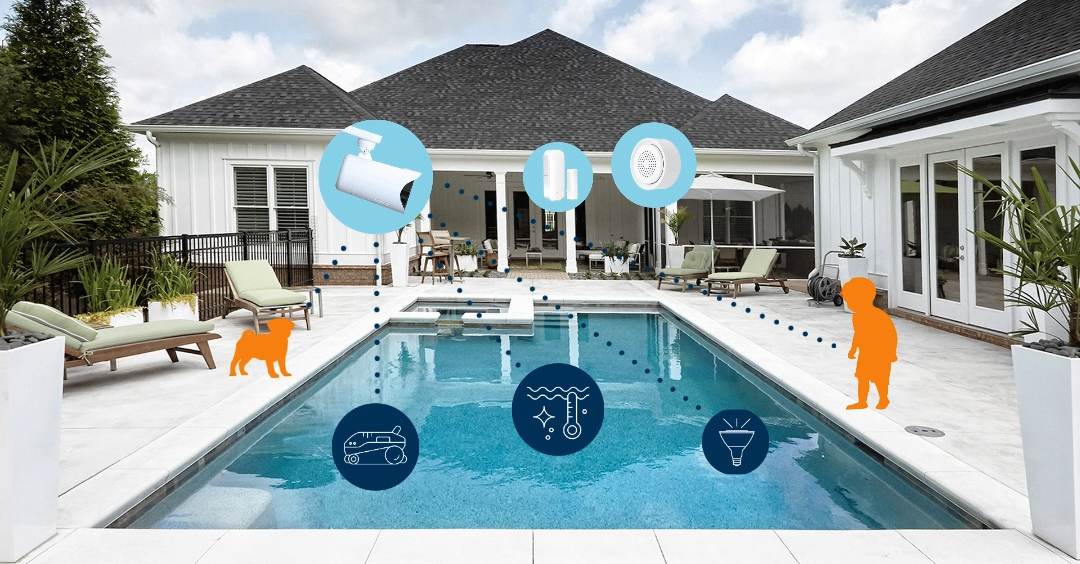
But the safety benefits don’t stop there. These systems can also send alerts for unusual activity, such as a sudden drop in water level (indicating a major leak or potential vandalism), a significant temperature change (which could indicate a problem with the heater), or a breach in the pool fence. Some systems even integrate with security cameras, providing visual confirmation of the issue.
Pool inspection standards, as outlined by organizations like InterNACHI (nachi.org) and exemplified by the thorough assessments performed by companies like InspectorNick.com, emphasize the importance of structural integrity and safety features. Smart pool technology complements these inspections by providing continuous monitoring and early warning of potential problems.
The peace of mind that these systems provide is invaluable. Knowing that your pool is being constantly monitored and that you’ll be alerted to any potential issues allows you to relax and enjoy your swimming experience without worry. It’s a proactive approach to pool safety that can prevent accidents and protect your investment.
Installation and Integration: What to Expect
Installing a smart pool system typically involves several steps. First, you’ll need to strategically place the sensors around the pool – in the skimmer, the return jets, and potentially in the pump and filter housing. These sensors usually connect wirelessly to a central hub, which then connects to your home’s Wi-Fi network.
Software setup is also required. This typically involves downloading a mobile app and creating an account. The app will guide you through the process of connecting the sensors to the hub and configuring the system’s settings. Professional installation is highly recommended, especially for more complex systems. A qualified technician can ensure that the sensors are properly placed and calibrated, and that the system is integrated correctly with your existing pool equipment.
Compatibility with existing pool equipment is an important consideration. Most systems are designed to work with a wide range of pumps, filters, and chemical feeders. However, it’s always a good idea to check with the manufacturer to ensure compatibility before making a purchase. Potential challenges include ensuring adequate Wi-Fi coverage around the pool area and providing a reliable power supply to the sensors.
Data privacy is another concern. Make sure the manufacturer has robust security measures in place to protect your data from unauthorized access. It’s also important to understand how your data is being used and whether it’s being shared with third parties. The installation process can seem daunting, but a professional can make it much smoother.
- Sensor Placement: Strategically position sensors around the pool.
- Network Connectivity: Connect the hub to your home’s Wi-Fi.
- Software Setup: Configure the system using a mobile app.
- Professional Installation: Recommended for optimal performance.
Troubleshooting and Maintenance of Smart Systems
Like any technology, smart pool systems can occasionally experience issues. Common problems include sensor malfunctions, network connectivity issues, and software glitches. Sensor malfunctions can often be resolved by simply replacing the battery or recalibrating the sensor. Network connectivity issues can usually be fixed by restarting your router or ensuring that the hub is within range of your Wi-Fi signal.
Software glitches can sometimes be resolved by updating the system’s software. Most systems receive regular over-the-air software updates that address bugs and improve performance. It's crucial to install these updates as soon as they become available. Regular maintenance, such as cleaning the sensors and checking the battery levels, can also help prevent problems.
Most manufacturers offer remote support to help you troubleshoot any issues you may encounter. This can be a valuable resource if you’re not comfortable troubleshooting the system yourself. However, it’s important to remember that these systems aren’t entirely maintenance-free. They require some level of ongoing attention to ensure optimal performance.
Don't ignore alerts. While some may be false alarms, it’s always best to investigate any unusual activity. Ignoring a warning sign could lead to a more serious problem down the road. A little preventative care can go a long way in keeping your smart pool system running smoothly.
Future Trends: What's on the Horizon?
The future of smart pool technology is bright, with several exciting developments on the horizon. We can expect to see more sophisticated AI algorithms that can predict problems with even greater accuracy and provide more personalized maintenance recommendations. Integration with smart home ecosystems, such as Amazon Alexa and Google Home, will become more seamless, allowing you to control your pool with voice commands.
Machine learning will play an increasingly important role, allowing systems to learn from data and adapt to your specific pool’s needs. For example, the system could learn how your pool responds to different weather conditions and adjust its settings accordingly. The possibility of drone-based pool inspections is also being explored, offering a faster and more efficient way to assess the pool’s condition.
I hesitate to make bold predictions, but I think we’ll see even more automation and data-driven insights in the years to come. The goal is to create a truly self-managing pool that requires minimal human intervention. This will free up pool owners to enjoy their time in the water without having to worry about the hassles of maintenance.
Ultimately, the future of pool maintenance is about leveraging the power of technology to create a more efficient, sustainable, and enjoyable swimming experience. It’s a future where pools are not just a source of recreation but also a smart, connected part of our homes.

No comments yet. Be the first to share your thoughts!