

Safety first: power and surroundings
After a severe weather event in 2026, your immediate concern should be safety, not your pool. Before even approaching the pool area, ensure the power is completely shut off at the breaker. Don’t assume a switch is enough; verify with a voltage tester if you have one. Downed power lines are an incredibly serious hazard, and you should maintain a wide berth – at least 35 feet – and contact your local utility company immediately.
Assess the surrounding area for other dangers. Fallen trees, broken glass, or displaced landscaping can all pose risks. Be cautious of debris hidden under the water’s surface, even if it looks clear. A damaged pool is a frustrating problem, but it’s a secondary concern to your personal wellbeing and that of your family. Remember, a quick assessment of your property is essential.
Don't enter the pool area if you suspect electrical damage. Even if the power is off, there’s a risk of ground currents. It’s better to be overly cautious. Also, be aware of the potential for displaced wildlife seeking shelter – snakes, rodents, or insects may have found their way into the area. Contact Aquatic Inspections if you have any concerns about safely accessing your pool after a storm.

Debris Removal and Water Level Assessment
Once the area is deemed safe, begin removing debris from the pool and surrounding patio. This might include branches, leaves, garden furniture, or even larger items displaced by the wind. Use appropriate protective gear – gloves, eye protection, and sturdy footwear are essential. Be particularly careful when handling potentially hazardous materials; if you find anything suspicious, contact your local authorities.
Document the damage with photos and videos before you start cleaning. This is crucial for insurance claims and helps Aquatic Inspections provide a more accurate assessment if you require a professional inspection. Pay attention to the water level. Is it unusually high, indicating significant rainfall and potential overflow? Or is it lower than normal, suggesting a leak or evaporation? Stagnant water can quickly become a breeding ground for mosquitoes and bacteria.
Carefully catalog the types of debris you find. This can help identify the source of potential contamination and inform your water treatment plan. Avoid simply dumping the debris back into the yard; dispose of it responsibly according to local regulations. A thorough debris removal sets the stage for a proper pool condition evaluation.
- Wear protective gear (gloves, eye protection, footwear)
- Document damage with photos/videos
- Check if the water is high enough to overflow the skimmers or low enough to suggest a new leak
- Catalog the types of debris found
- Dispose of debris responsibly
Spotting structural cracks
Now, focus on the pool itself. Carefully inspect the pool shell for cracks. A hairline crack in the plaster is often cosmetic, but larger cracks – especially those that run along the length of the pool or widen over time – could indicate a structural issue. Fiberglass and vinyl pools are also susceptible to damage; look for tears, bulges, or separation from the pool wall. Don’t dismiss seemingly small imperfections.
Examine the tiles, coping, and pool deck for cracks, shifting, or missing pieces. These are often the first signs of underlying structural problems. Pay close attention to areas around lights, skimmers, and return inlets. Damage to the pool’s foundation is a serious concern, particularly in regions with expansive soil that shifts with moisture content. Look for settling or uneven surfaces around the pool perimeter.
If you suspect structural damage, it's best to consult with a qualified pool engineer or Aquatic Inspections. Attempting DIY repairs on structural issues can worsen the problem and create additional safety hazards. A professional can conduct a thorough inspection and recommend the appropriate course of action. Remember, addressing structural issues promptly is essential to prevent further damage and ensure the long-term integrity of your pool.
Small spiderweb cracks in the plaster are usually just surface-level aging. If you see a crack that runs through the tile line or looks wide enough to fit a coin into, that's a structural leak risk. I'd call an inspector for anything that looks deep enough to leak water into the surrounding soil.
Equipment Inspection: Pumps, Filters, and Heaters
Storms often wreak havoc on pool equipment. Start by inspecting the pump for leaks, cracks, or damage to the motor housing. Check the filter for debris accumulation and ensure it’s operating properly. A clogged filter can put a strain on the pump and reduce its efficiency. If you have a sand filter, backwash it thoroughly. For cartridge filters, clean or replace the cartridge as needed.
Examine the heater for gas leaks (if applicable) or electrical issues. Do not attempt to repair electrical components yourself; this is a job for a qualified electrician. Salt chlorine generators are particularly vulnerable to power surges. Check the control panel for damage and test the functionality. Consider installing a surge protector to safeguard your equipment in the future.
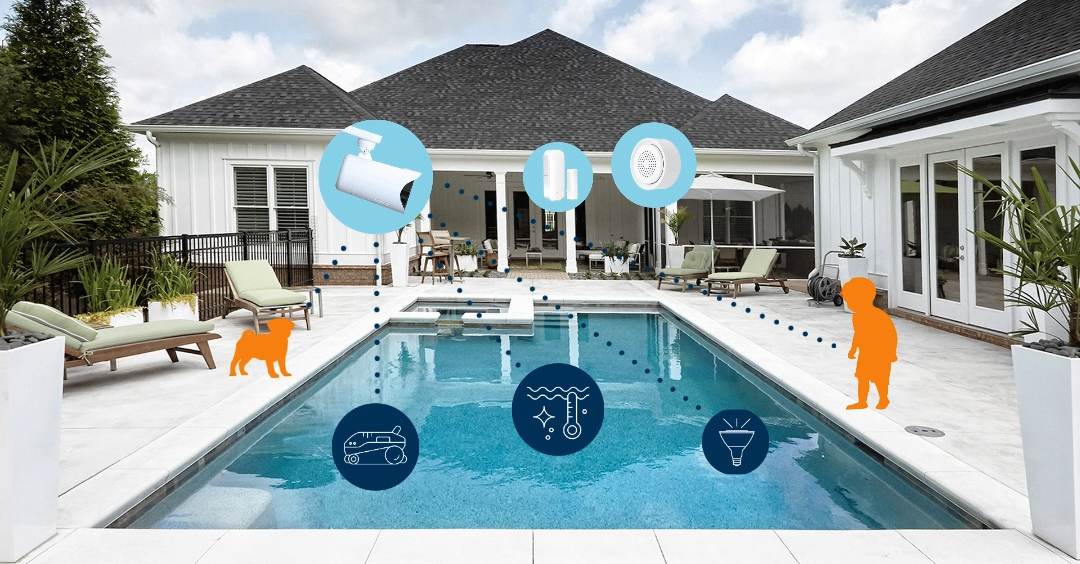
Unplug robotic cleaners and check the power bricks for water intrusion. If your chemical feeder was submerged, the internal sensors are likely shot. Most manufacturers post specific reset procedures for storm recovery on their support pages.
If you notice any unusual noises, smells, or malfunctions, turn off the equipment immediately and contact a qualified pool technician. Ignoring these warning signs can lead to costly repairs or even safety hazards.
- Inspect pump for leaks and motor damage
- Check filter for debris and proper operation
- Examine heater for gas leaks or electrical issues
- Inspect salt chlorine generator for damage
- Check automated systems
Fixing the water chemistry
Storms almost always disrupt pool water chemistry. Rainwater dilutes the existing chemical balance, lowering alkalinity and pH levels. Debris introduced by the storm can also consume sanitizer and introduce contaminants. A comprehensive water test is essential to determine the current chemical levels. Don’t rely on visual inspection alone.
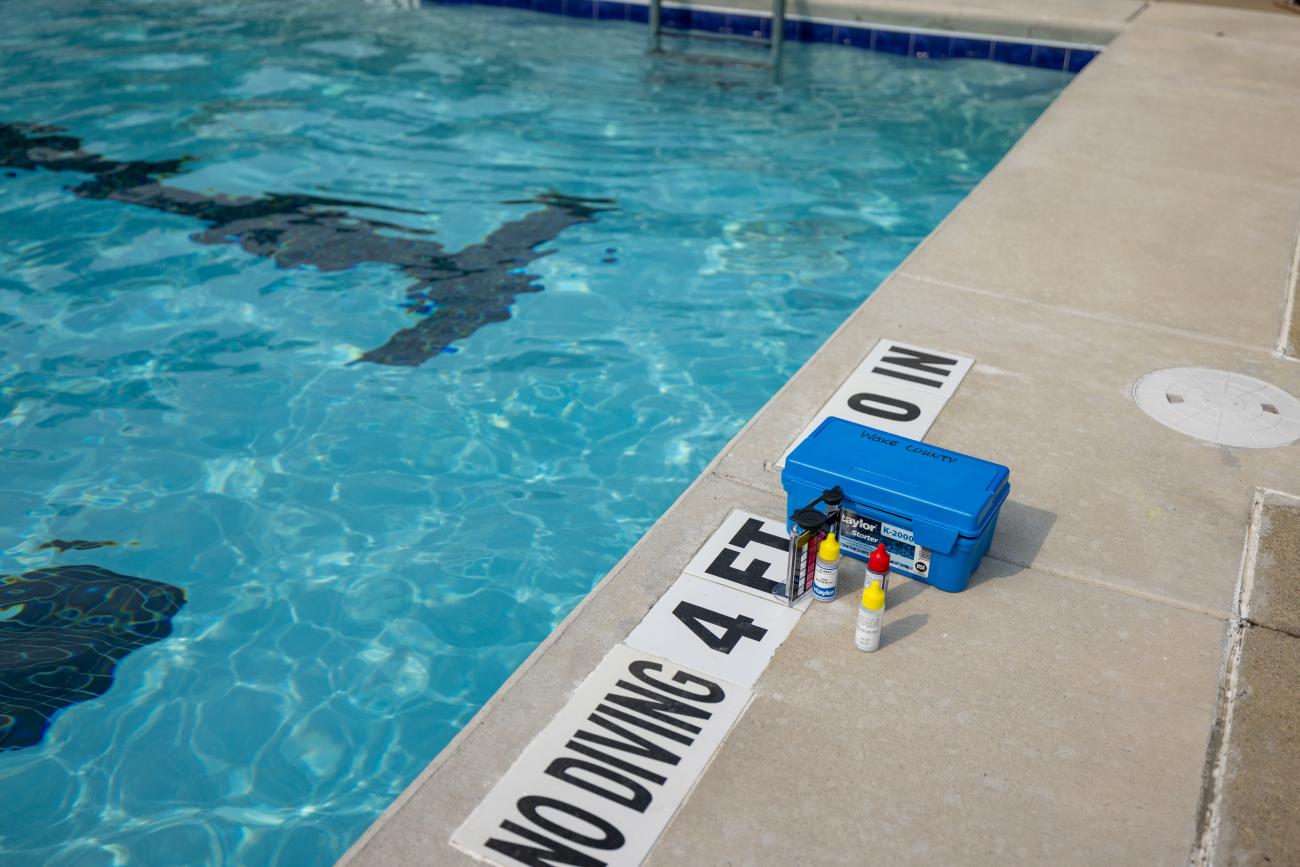
Test for pH, alkalinity, calcium hardness, and sanitizer levels (chlorine or bromine). Adjust the chemistry carefully, following the manufacturer’s instructions for your specific pool chemicals. Simply shocking the pool isn’t always the answer; proper balancing is key to achieving clear, safe water. Over-correcting can create new problems.
If you’re unsure about how to adjust the water chemistry, consult with a pool professional. Improperly balanced water can damage your pool equipment, irritate your skin and eyes, and create an environment conducive to algae growth. Regular water testing and maintenance are crucial for maintaining a healthy pool.
When to Call a Professional
There are situations where professional help is absolutely essential. If you suspect structural damage to the pool shell, deck, or foundation, do not attempt DIY repairs. Electrical issues should always be handled by a qualified electrician. Complex equipment failures, such as a malfunctioning heater or pump, also warrant professional attention.
A comprehensive aquatic inspection, similar to those guided by the CDC’s Aquatic Facility Inspection Report Cheat Sheet, can identify hidden problems and ensure your pool meets safety standards. A good inspection will cover structural integrity, water quality, equipment functionality, and safety features. Finding a reputable inspector is key; look for certifications and positive reviews.
If you're uncomfortable performing any of the inspections or repairs yourself, don't hesitate to call a professional. DIY isn't always the best approach, and attempting repairs beyond your skill level can worsen the problem and create safety hazards. Aquatic Inspections offers thorough post-storm pool assessments and repair services.
Invasive Species Risk Levels: Post-Storm Pool Assessment
| Species Name | Likelihood of Introduction (Storm) | Potential Damage to Pool | Difficulty of Removal | Prevention Measures |
|---|---|---|---|---|
| Zebra Mussel | Moderate to High (via floodwaters) | Clogging of filters, pipes, and potentially damage to pool surfaces | High - Requires professional treatment and can be persistent | Regular filter cleaning, disinfection, and avoiding water transfer from potentially contaminated sources. |
| Quagga Mussel | Moderate to High (similar to Zebra Mussel) | Similar to Zebra Mussel - biofouling of equipment | High - Similar to Zebra Mussel; difficult eradication | Similar to Zebra Mussel - preventative measures are key. |
| Asian Carp (Bighead, Silver, Black) | Low to Moderate (if flooding connects to open water systems) | Disruption of water chemistry, potential for injury to swimmers (jumping carp) | Moderate to High - Large size and rapid reproduction make control difficult | Maintain pool barriers, avoid connecting to waterways, report sightings. |
| Hydrilla | Moderate (fragments carried by floodwaters) | Clogging of pumps and filters, reduced water flow, and potential for algal blooms | High - Extensive root systems and rapid growth | Regular inspection, manual removal of visible plants, and potentially algaecides (consult a professional). |
| Eurasian Watermilfoil | Moderate (fragments carried by floodwaters) | Similar to Hydrilla - clogging and reduced water flow | Moderate to High - Forms dense mats, difficult to control | Regular inspection, manual removal, and potentially targeted herbicide application (consult a professional). |
| Brazilian Elodea | Low to Moderate (fragments carried by floodwaters) | Clogging of filters and pipes, potential for reduced oxygen levels | Moderate - Can re-sprout from fragments | Regular inspection and removal of visible plants. |
| New Zealand Mudsnail | Low (carried on boots, equipment, or in flood debris) | Can contribute to algal blooms by altering nutrient cycles | High - Extremely difficult to eradicate once established | Thorough cleaning of footwear and equipment, avoid introducing mud or debris into the pool. |
Illustrative comparison based on the article research brief. Verify current pricing, limits, and product details in the official docs before relying on it.
Preventative Measures for Future Storms
Preparation is the best defense against future storm damage. Trim trees and shrubs around the pool to prevent falling branches. Secure loose objects, such as patio furniture and pool toys, before a storm is predicted. Consider investing in a pool cover specifically designed for storm protection; these covers are typically more durable and can withstand high winds.
Develop a post-storm inspection checklist and keep it readily available. This will help you systematically assess the damage and prioritize repairs. Review your homeowner's insurance policy to ensure you have adequate coverage for storm-related damage to your pool and equipment. Flood insurance may also be necessary if you live in a flood-prone area.
Regular pool maintenance and inspections can also help identify potential weaknesses and address them before a storm hits. Being proactive can save you time, money, and stress in the long run. It's about minimizing the impact of severe weather and ensuring your pool remains a safe and enjoyable oasis.
No comments yet. Be the first to share your thoughts!