

Opening the pool in late May
Opening the pool in late May is a chore, but rushing it usually means spending June fighting cloudy water. I've found that spending an extra afternoon on the initial setup saves a dozen trips to the pool store later in the season.
First, remove the pool cover thoroughly. Check it for any tears or damage that need repair. Next, inspect the pool’s structural components – look for cracks in the plaster, damage to tiles, and any signs of shifting. Colorado’s regulations, as outlined by the Colorado Department of Public Health and Environment (cdphe.colorado.gov), have strict requirements for pool barriers, so ensure your fence and gate are compliant before anyone gets near the water. A non-self-closing gate is a serious safety hazard.
Once the cover is off and the structure inspected, it’s time for the initial water check. Test the water level and adjust as needed. Then, check the equipment – pump, filter, heater. Ensure all connections are tight and there are no leaks. Prime the pump and run it to check for proper operation. Finally, give the surrounding deck area a good cleaning to remove any debris that accumulated over the winter. A little effort now saves a lot of work later.
Getting the chemistry right in June
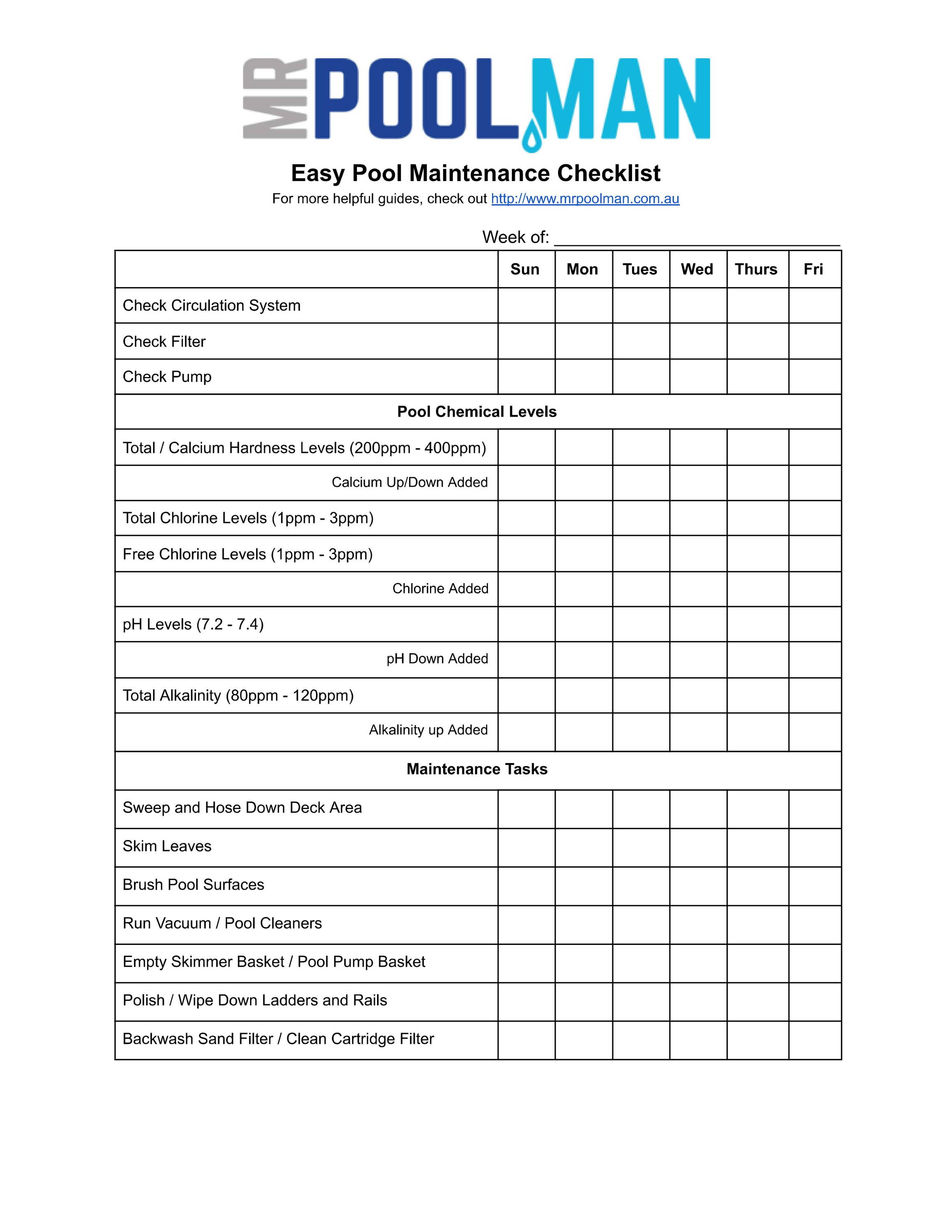
June is the month to really dial in your water chemistry. It's not just about chlorine; a balanced pool is a healthy pool. Start with a comprehensive water test. You need to know your pH, alkalinity, calcium hardness, and cyanuric acid (stabilizer) levels. These aren’t isolated numbers; they all interact with each other.
If your pH climbs above 7.8, your chlorine stops working. I keep mine at 7.4. You also need alkalinity between 80 and 120 ppm to stop the pH from bouncing around. Calcium hardness should stay between 200 and 400 ppm to protect the plaster, and cyanuric acid needs to be under 50 ppm or the chlorine gets 'locked' and won't kill anything.
Shocking the pool is essential early in the season. This boosts chlorine levels to eliminate any contaminants that built up over the winter. You have options: calcium hypochlorite (cal hypo), dichlor, and non-chlorine shock (potassium monopersulfate). I’ve noticed a lot of debate online about non-chlorine shock – it’s great for oxidizing organic matter, but it doesn't kill algae like traditional chlorine shock. Choose the right shock for your pool’s needs and always follow the manufacturer’s instructions carefully.
- pH: 7.2 - 7.6 (7.4 is the sweet spot)
- Alkalinity: 80 - 120 ppm
- Calcium Hardness: 200 - 400 ppm
- Cyanuric Acid: 30 - 50 ppm
Fighting algae during peak July heat
July is when your pool gets its biggest workout. More swimmers mean more sunscreen, sweat, and other organic matter entering the water. This creates a breeding ground for algae. Prevention is far easier than treatment, so focus on consistent maintenance. Regularly skim the surface, vacuum the pool floor, and keep the filter running efficiently.
Algae comes in many forms. Green algae is the most common, but black algae and mustard algae are also problematic. Green algae turns the water cloudy and can coat surfaces. Black algae is notoriously difficult to remove, forming a tough, dark coating. Mustard algae appears as a yellowish-brown dust. Identifying algae early is key to quick treatment. Look for discoloration, slimy surfaces, and decreased chlorine effectiveness.
Filter maintenance is paramount in July. Backwash sand and DE filters regularly to remove accumulated debris. Cartridge filters need to be cleaned with a hose. Aquavision Pool (aquavisionpool.com) provides a solid mid-summer checklist that includes these points. I’m wary of overly aggressive chemical treatments; consistent, moderate maintenance with regular testing and adjustments is a more sustainable approach. Don’t just dump in chemicals – understand why you’re adding them.

August: Heat Waves & Water Conservation
August often brings scorching temperatures. Heat accelerates the breakdown of chlorine, meaning you’ll need to add more frequently to maintain adequate sanitation. It also causes pH to drift upwards, requiring more frequent adjustments. Monitor your water chemistry closely and be prepared to make adjustments daily during heat waves.
With warmer weather comes increased evaporation. Water conservation is a growing concern. Cover your pool when it’s not in use to reduce evaporation. Fix any leaks promptly – even a small leak can waste a significant amount of water over time. Consider alternative sanitation methods, like saltwater chlorination, which can be more efficient.
I've been reading about liquid pool covers. The idea is that they create a thin, invisible barrier on the water surface, reducing evaporation and heat loss. They seem promising, but the long-term effectiveness and cost-benefit ratio are still being evaluated. Don’t forget to check your pool lights and ensure they’re functioning correctly before dusk – safety first.
Late August/Early September: Preparing for Cooler Temps
As the weather cools in late August and early September, your pool’s needs change. Start adjusting chemical levels to account for the lower temperatures. Chlorine demand decreases, so you can reduce the amount you add. Also, consider reducing pump run times to save energy.
The most important task is removing all organic debris – leaves, twigs, and anything else that falls into the pool. This debris will decompose over the winter, creating a mess and potentially staining the pool surface. Skim, vacuum, and brush the pool thoroughly. A clean pool is much easier to open in the spring.
We won't cover full winterization here – that’s a separate, detailed process. But start thinking about it. Lowering the water level and adding winterizing chemicals are important steps. Don’t wait until the last minute; preparing gradually will make the process less stressful.
Fixing common summer problems
Even with diligent maintenance, problems can arise. Cloudy water is often caused by poor filtration, imbalanced water chemistry, or algae. Test your water, backwash or clean your filter, and adjust your chemical levels. Algae blooms, as we discussed, require targeted treatment with algaecide and shock. Ensure proper circulation to distribute the chemicals effectively.
Filter problems can include reduced flow, clogged cartridges, or a malfunctioning pump. Check for obstructions in the skimmer and pump basket. Clean or replace cartridges as needed. If the pump isn’t working, check the breaker and ensure it’s properly primed. Minor leaks can often be patched with a waterproof sealant. For more significant leaks, you may need to call a professional.
Don’t panic! Most common pool problems are easily fixable with a little knowledge and effort. If you’re unsure about something, consult a pool professional. Aquatic Inspections offers professional pool inspections – it’s a good idea to have a qualified technician assess your pool’s condition periodically.
Essential Tools & Equipment Roundup
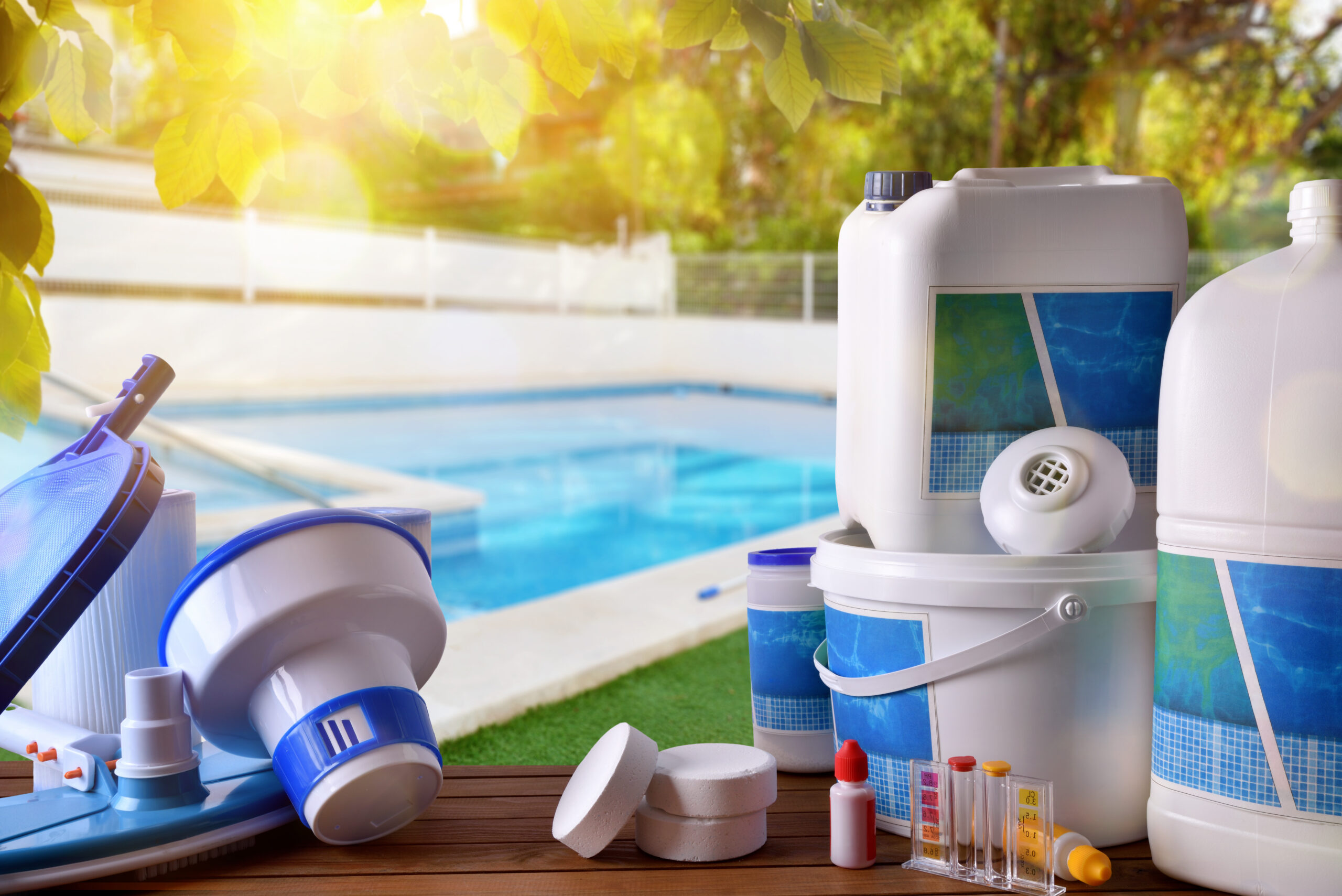
Having the right tools makes pool maintenance much easier. A reliable test kit is essential. I strongly prefer liquid test kits over test strips; they’re more accurate and provide more detailed readings. A good skimmer is invaluable for removing surface debris. A pool brush is necessary for scrubbing walls and floors.
A vacuum head is needed for cleaning the pool floor. You can choose between manual vacuum heads and automatic pool cleaners. Automatic cleaners save time and effort, but they can be expensive. Consider your budget and pool size when making a decision. A pool safety kit, including a life ring, shepherd’s crook, and first-aid supplies, is a must-have.
Don't skimp on quality. Investing in durable, well-made equipment will save you money in the long run. Look for tools made from corrosion-resistant materials. And always store your equipment properly when not in use to prolong its lifespan.
Pool Test Kit Options
| Type | Accuracy | Ease of Use | Cost | Pros | Cons |
|---|---|---|---|---|---|
| Liquid | Generally High | Requires practice & color matching | Lower | Most comprehensive testing; often preferred by professionals | Can be subjective; more steps involved |
| Strips | Moderate | Very Easy | Low to Moderate | Quick and convenient; simple to read | Can be less accurate; color fade can affect readings |
| Digital | High | Easy | Higher | Precise readings; often stores data; easy to read | Requires batteries; can be more expensive initially |
| Liquid (OTP) | High | Requires practice | Moderate | Tests for stabilized chlorine levels (Cyanuric Acid) | Requires careful color matching; additional reagents needed |
| Strips (Multi-Parameter) | Moderate | Very Easy | Moderate | Tests for multiple parameters at once | Accuracy can vary; potential for interference between tests |
| Digital (Bluetooth Enabled) | High | Easy | Highest | Data logging and smartphone connectivity for tracking | Most expensive option; relies on device compatibility |
Qualitative comparison based on the article research brief. Confirm current product details in the official docs before making implementation choices.
No comments yet. Be the first to share your thoughts!