

The 2026 water quality shifts
Pool water quality standards are constantly evolving. This isn’t because someone is arbitrarily changing the rules, but because our understanding of water chemistry and public health improves over time. New research emerges, and we refine our practices accordingly. The updates coming in 2026 aren't a complete overhaul, but thoughtful adjustments designed to better protect swimmers and extend the life of our pools.
The updates focus on precise measurement and preventing recreational water illnesses (RWIs). Instead of treating chemicals in isolation, the new standards look at how these components work together to keep the water stable.
Regular testing is necessary for every pool owner. What worked last year might need adjustment under the new standards. Using outdated benchmarks leads to chemical imbalances that irritate skin or corrode pumps and heaters.
These changes shouldn’t be viewed with alarm. Instead, consider them an opportunity to refine your pool maintenance routine and ensure a safe and enjoyable swimming experience. It’s a good time to review your current testing methods and consider if an upgrade might be beneficial. The goal is simple: healthy water, happy swimmers.
Core chemistry parameters
Understanding the fundamentals of pool water chemistry is the foundation of good pool maintenance. Several key parameters dictate the safety and clarity of your pool water. Let’s break down the most important ones, focusing on why they matter, not just what the numbers should be.
pH, measured on a scale of 0 to 14, indicates the acidity or alkalinity of the water. Ideally, pool water should be between 7.2 and 7.8. Below 7.2, the water is acidic and can corrode pool surfaces and irritate swimmers’ eyes and skin. Above 7.8, it's alkaline, reducing the effectiveness of chlorine and potentially causing scaling.
Alkalinity acts as a pH buffer, preventing drastic swings in pH levels. Maintaining an alkalinity between 80 and 120 ppm is crucial for stable pH. Think of it as a shock absorber for your pH. Without sufficient alkalinity, even small additions of chemicals can cause significant pH fluctuations.
Calcium Hardness refers to the amount of calcium dissolved in the water. A range of 200-400 ppm is generally recommended. Low calcium hardness can cause water to become corrosive, while high levels can lead to scaling and cloudy water. It’s particularly important to monitor this if you have a plaster or concrete pool.
Sanitizer levels – whether chlorine, bromine, or salt – are essential for killing bacteria and algae. Chlorine levels should be maintained between 1-3 ppm, while bromine should be between 3-5 ppm. Saltwater pools require consistent monitoring of salt levels, typically between 2700-3400 ppm, to ensure the salt chlorine generator functions correctly. Proper sanitizer levels are non-negotiable for swimmer safety.
Finally, Cyanuric Acid (CYA), often called stabilizer, protects chlorine from being broken down by sunlight. A CYA level of 30-50 ppm is generally recommended. However, too much CYA can reduce chlorine’s effectiveness, leading to algae growth. It’s a delicate balance.
- pH: 7.2 - 7.8
- Alkalinity: 80 - 120 ppm
- Calcium Hardness: 200 - 400 ppm
- Chlorine: 1 - 3 ppm
- Bromine: 3 - 5 ppm
- Cyanuric Acid: 30 - 50 ppm
Pool Water Chemistry: Ideal Ranges & Potential Issues
| Parameter | Ideal Range | Acceptable Range | Potential Issues if Too High | Potential Issues if Too Low |
|---|---|---|---|---|
| pH | 7.2 - 7.8 | 7.0 - 8.0 | Skin and eye irritation, reduced sanitizer effectiveness, scaling | Corrosion of pool equipment, skin and eye irritation |
| Total Alkalinity | 80 - 120 ppm | 60 - 140 ppm | Cloudy water, scaling, difficulty adjusting pH | pH instability, corrosion |
| Calcium Hardness | 200 - 400 ppm | 150 - 500 ppm | Scaling, cloudy water | Corrosion, etching of plaster, cloudy water |
| Free Chlorine | 1 - 3 ppm | 0.5 - 5 ppm | Strong odor, skin and eye irritation, bleached materials | Bacterial growth, algae blooms, unsanitary conditions |
| Bromine | 3 - 5 ppm | 1 - 8 ppm | Strong odor, skin and eye irritation | Bacterial growth, algae blooms, unsanitary conditions |
| Cyanuric Acid (Stabilizer) | 30 - 50 ppm | 15 - 100 ppm | Reduced sanitizer effectiveness, cloudy water | Rapid chlorine/bromine loss due to sunlight |
| Combined Chlorine | Less than 0.2 ppm | Less than 0.5 ppm | Strong chlorine odor, eye irritation | Indicates the presence of chloramines, reducing sanitizer effectiveness |
Illustrative comparison based on the article research brief. Verify current pricing, limits, and product details in the official docs before relying on it.
Digital testing accuracy
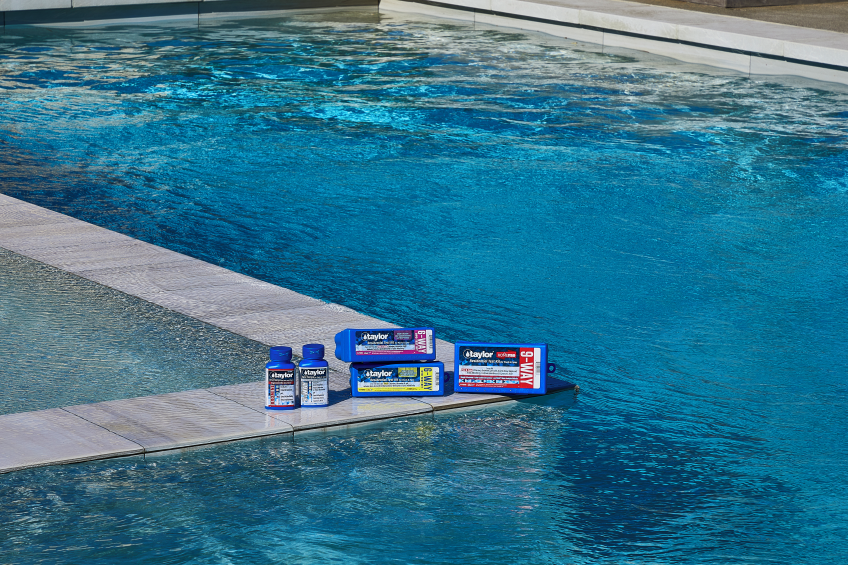
Traditional pool water testing methods, like test strips and liquid test kits, have long been the standard. However, digital pool water testers are gaining popularity, offering a compelling alternative. These devices use sensors to analyze water samples and provide digital readings, often displayed on a handheld device or synced to a smartphone app.
The primary advantage of digital testers is accuracy. While test strips can be subjective and prone to user error, digital readers offer more precise measurements. This is especially important for parameters like pH and chlorine, where even small deviations can impact water quality. The precision generally stems from spectrophotometric analysis, a more refined method than color matching.
Beyond accuracy, digital testers offer convenience. They eliminate the guesswork involved in interpreting color changes and often include data logging capabilities. Some models can store historical data, allowing you to track trends and identify potential problems early on. This historical data can be invaluable when troubleshooting persistent water quality issues.
Currently, fully automated adjustment systems are relatively uncommon for residential pools. While some high-end systems can automatically dispense chemicals based on test results, they represent a significant investment and require regular maintenance. The focus for most digital testers remains on providing accurate data, empowering pool owners to make informed decisions about chemical additions.
The cost of digital testers varies widely. Basic models can start around $50, while more advanced units with data logging and smartphone connectivity can cost upwards of $200. While the initial investment is higher than test strips or kits, the increased accuracy and convenience may justify the cost for serious pool owners.
- Digital sensors provide specific numbers rather than requiring you to judge color shades on a strip.
- Elimination of subjective interpretation of color changes
- Data logging capabilities for tracking trends
- Convenient digital displays and smartphone connectivity
New 2026 standards
The 2026 updates to pool water quality standards, informed by guidance from the CDC’s Pool Inspection Toolkit, primarily focus on refining existing parameters and improving testing protocols. There aren’t entirely new substances being monitored, but the acceptable ranges for some parameters are being tightened, and the emphasis on consistent monitoring is increasing.
The new standard lowers the maximum allowable combined chlorine to 0.2 ppm. This is the 'used' chlorine that causes the typical pool smell and eye irritation. Research shows even low levels cause discomfort, so the limit is now much tighter.
There’s also increased scrutiny on phosphate levels. While not a mandatory test in all jurisdictions, the 2026 guidelines strongly recommend regular phosphate testing, particularly in areas prone to algae blooms. Phosphates are a food source for algae, and controlling their levels can significantly reduce the risk of algae growth. Many experts now consider phosphate control to be a proactive step toward minimizing chemical usage.
The standards also clarify testing protocols for cyanuric acid. The guidelines emphasize the importance of accurately measuring CYA levels, as excessive CYA can hinder chlorine’s effectiveness. They also recommend adjusting chlorine levels accordingly when CYA is high. It’s not about eliminating CYA entirely, but about maintaining a proper balance.
These changes will impact different types of pools in varying degrees. Public and commercial pools, which are subject to stricter regulations, will need to adapt quickly to the new standards. Residential pool owners have more flexibility, but adhering to the new guidelines is still highly recommended for optimal water quality and swimmer safety. The CDC toolkit provides detailed guidance for all pool types.
Furthermore, the 2026 guidelines place a greater emphasis on documenting testing results. Maintaining a detailed log of water chemistry readings can demonstrate due diligence and help identify potential problems before they escalate. This is particularly important for commercial facilities, where regular inspections are common.
Advanced testing
While pH, alkalinity, and sanitizer levels are the core components of pool water testing, certain situations warrant more advanced analysis. Testing for phosphates, metals, and total dissolved solids (TDS) can help diagnose and resolve specific water quality issues.
Phosphates, as previously mentioned, fuel algae growth. If you’re consistently battling algae blooms despite maintaining proper sanitizer levels, testing for phosphates is essential. High phosphate levels often indicate a contamination source, such as fertilizers or decaying organic matter. Removal can be achieved through specialized phosphate removers.
Metals like iron and copper can cause staining and discoloration of pool surfaces. These metals often enter the water from source water or corrosion of metal pipes. Testing for metals can identify the source of the problem, and treatment typically involves the use of a sequestering agent to bind the metals and prevent staining.
Total Dissolved Solids (TDS) represents the total amount of dissolved minerals, salts, and other inorganic substances in the water. High TDS levels can contribute to cloudy water and scaling. TDS levels generally increase over time as water evaporates and more chemicals are added. Regular water changes are the primary way to lower TDS.
The source water plays a significant role in these advanced testing needs. Well water, for instance, is more likely to contain metals and phosphates than municipal water. Understanding your water source can help you anticipate potential issues and proactively address them.
DIY vs. professional testing
There’s a debate to be had regarding DIY pool water testing versus professional inspections. Both approaches have their advantages and disadvantages, and the best choice depends on your individual needs and circumstances. As Aquatic Inspections frequently advises, understanding these differences is key.
DIY testing is convenient and cost-effective. Test strips and kits are readily available at most pool supply stores, and they allow you to monitor water quality on a regular basis. However, DIY methods are prone to user error and may not be as accurate as professional testing. Interpreting color changes can be subjective, and slight variations in technique can lead to inaccurate results.
Professional pool inspections, on the other hand, offer a higher level of accuracy and expertise. Certified pool inspectors use calibrated instruments and have the knowledge to interpret the results correctly. They can also identify potential problems that you might miss, such as leaks or equipment malfunctions. According to aquaticinspections.com, a professional can provide a comprehensive assessment of your pool’s condition.
A professional inspection is essential in certain situations. Before purchasing a home with a pool, a professional inspection can reveal hidden problems that could cost you thousands of dollars to repair. After a major storm, an inspection can identify any damage to the pool or equipment. And if you’re experiencing persistent water quality issues, a professional can help you diagnose the underlying cause.
Ultimately, a combination of DIY testing and periodic professional inspections is often the best approach. Regular DIY testing can help you stay on top of routine maintenance, while professional inspections provide a more thorough assessment and can catch potential problems before they become serious.
How often do you have your pool water professionally tested?
Vote below!

No comments yet. Be the first to share your thoughts!