

The shift toward sustainable pools
Eco-friendly pools are becoming the standard. Homeowners care more about their environmental footprint now, but the real driver is the cost. Traditional pools are expensive to run, and switching to sustainable tech is the easiest way to cut monthly power bills.
This shift is also being driven by regulations. Building a new pool, spa, or water feature in areas like Salt Lake County, Utah, requires health department inspection and approval, as outlined by saltlakecounty.gov. While not explicitly focused on 'green' building, these regulations often encourage water conservation and responsible construction practices. This pushes the entire industry towards more sustainable solutions.
For years, pool construction meant primarily concrete structures, but that’s changing. A sustainable approach isn't simply about making a pool 'look' natural; it’s about using materials and technologies that minimize environmental impact throughout the pool's lifecycle. It’s about resource efficiency, energy conservation, and responsible water management. We’re seeing a fundamental rethinking of how pools are built and operated.
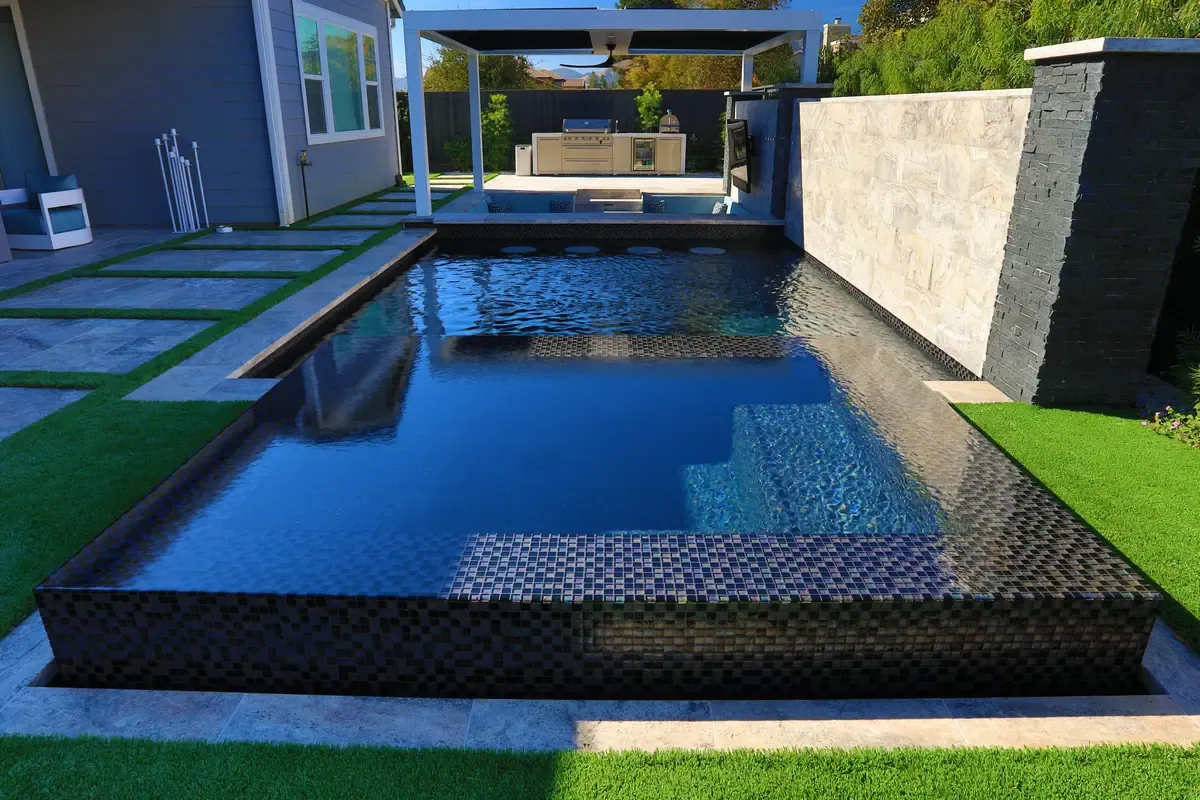
Materials that beat concrete
Concrete pools have long been the standard, but alternative materials are gaining traction. Fiberglass pools, for example, offer significant advantages. They’re incredibly durable, requiring less maintenance and fewer chemicals, and the manufacturing process can be more controlled, reducing waste. Perhaps surprisingly, they also use less water during the initial filling process compared to porous concrete shells.
Insulated Concrete Forms, or ICFs, are also presenting a strong case for sustainable construction. The BuildBlock ICF Swimming Pool Construction Manual details how these forms create highly energy-efficient pool structures. ICFs provide excellent insulation, reducing heat loss and lowering heating costs. They also speed up construction time and reduce material waste compared to traditional concrete forming methods.
Vinyl liner pools aren't inherently the 'greenest' option, but they can be part of a sustainable strategy. While the liner itself isn't a sustainable material, vinyl liners can be combined with energy-efficient pumps, automated systems, and responsible water management practices to create a more eco-friendly pool. The key is to focus on minimizing the overall environmental impact of the entire system.
I’ve been tracking the lifecycle costs of these materials, and while fiberglass pools often have a higher upfront cost, their longevity and reduced maintenance can make them more cost-effective in the long run. ICFs represent a middle ground, offering a balance of cost, durability, and energy efficiency.
- Fiberglass is durable and uses less water during installation.
- ICF structures provide better insulation and create less waste on the job site.
- Vinyl Liner: Can be sustainable when paired with efficient equipment.
Pool Shell Material Comparison: Sustainability & Performance (Trends toward 2026)
| Material | Environmental Impact | Durability | Installation | Maintenance |
|---|---|---|---|---|
| Fiberglass | Generally Lower - Manufacturing process can be energy intensive, but long lifespan reduces replacement needs. | 4 Stars - Very resistant to cracking and algae growth. | Medium - Relatively quick factory prefabrication. | Low - Smooth surface resists staining and requires fewer chemicals. |
| ICF (Insulated Concrete Forms) | Better for - Forms utilize recycled materials and excellent insulation reduces energy consumption for heating. | 5 Stars - Extremely durable and long-lasting. | Long - Requires concrete pouring and curing time. | Medium - Concrete requires periodic resealing. |
| Vinyl Liner | Moderate - Liner production involves PVC, a material with environmental concerns; shorter lifespan means more frequent replacement. | 2 Stars - Vulnerable to punctures and tears. | Short - Fastest installation of the four options. | Medium to High - Liner prone to damage and requires regular chemical balance. |
| Concrete | Higher - Cement production is carbon intensive; potential for chemical leaching. | 3 Stars - Durable, but susceptible to cracking and requires more maintenance. | Long - Requires forming, steel reinforcement, and curing. | High - Porous surface encourages algae growth and requires more chemical treatment. |
Qualitative comparison based on the article research brief. Confirm current product details in the official docs before making implementation choices.
Variable speed pumps and automation
One of the biggest energy drains for pool owners is the pump. Traditional single-speed pumps run at full throttle, regardless of need, wasting significant amounts of electricity. Variable speed pumps, however, allow you to adjust the pump’s speed to match the demand. This can reduce energy consumption by up to 80% – a substantial savings.
But it doesn't stop there. Smart pool automation systems take energy efficiency to the next level. These systems allow for remote control of all pool functions, automated chemical balancing, leak detection, and, crucially, optimized pump schedules. They can automatically adjust pump speeds based on water flow and filtration needs, ensuring maximum efficiency.
It’s important to understand that these systems aren’t just about convenience; they’re about actively saving energy. A properly programmed automation system can prevent unnecessary pump operation, minimize chemical usage, and quickly identify and address potential problems like leaks, preventing water waste. These features translate to tangible cost savings and a reduced environmental footprint.
Saving water without just using a cover
Water is a precious resource, and minimizing waste is a cornerstone of sustainable pool ownership. Pool covers, both automatic and manual, are incredibly effective at reducing evaporation – a major source of water loss. A good quality cover can reduce water evaporation by up to 70%.
Beyond covers, consider alternative sanitation methods. Saltwater chlorination, for example, reduces the need for harsh chemicals like chlorine, and UV sanitation systems can further minimize chemical usage. These methods are gentler on the environment and can improve water quality.
Rainwater harvesting is an option if you live in a wet climate. Collecting rain to top off the water level reduces your municipal water use. I'm not sure if this is legal in every county yet, so you'll need to check local building codes first.
I’ve spoken with pool owners who have successfully implemented rainwater harvesting systems, but it requires careful planning and adherence to local codes. It’s essential to ensure the water is properly filtered and sanitized before use.
- Pool Covers: Reduce evaporation by up to 70%.
- Saltwater Chlorination: Reduces harsh chemical usage.
- UV Sanitation: Further minimizes chemical needs.
- Rainwater Harvesting: Reduces reliance on municipal water (regional limitations apply).
Landscaping and surroundings
The environmental impact of a pool extends beyond the water itself. The landscaping surrounding the pool plays a crucial role in its overall sustainability. Xeriscaping – designing landscapes to minimize water usage – is a great starting point. This involves using drought-tolerant plants, reducing lawn area, and incorporating native species.
Consider permeable paving options for your pool deck. Unlike traditional concrete or asphalt, permeable pavers allow water to seep into the ground, reducing runoff and replenishing groundwater supplies. This helps to prevent erosion and improve water quality.
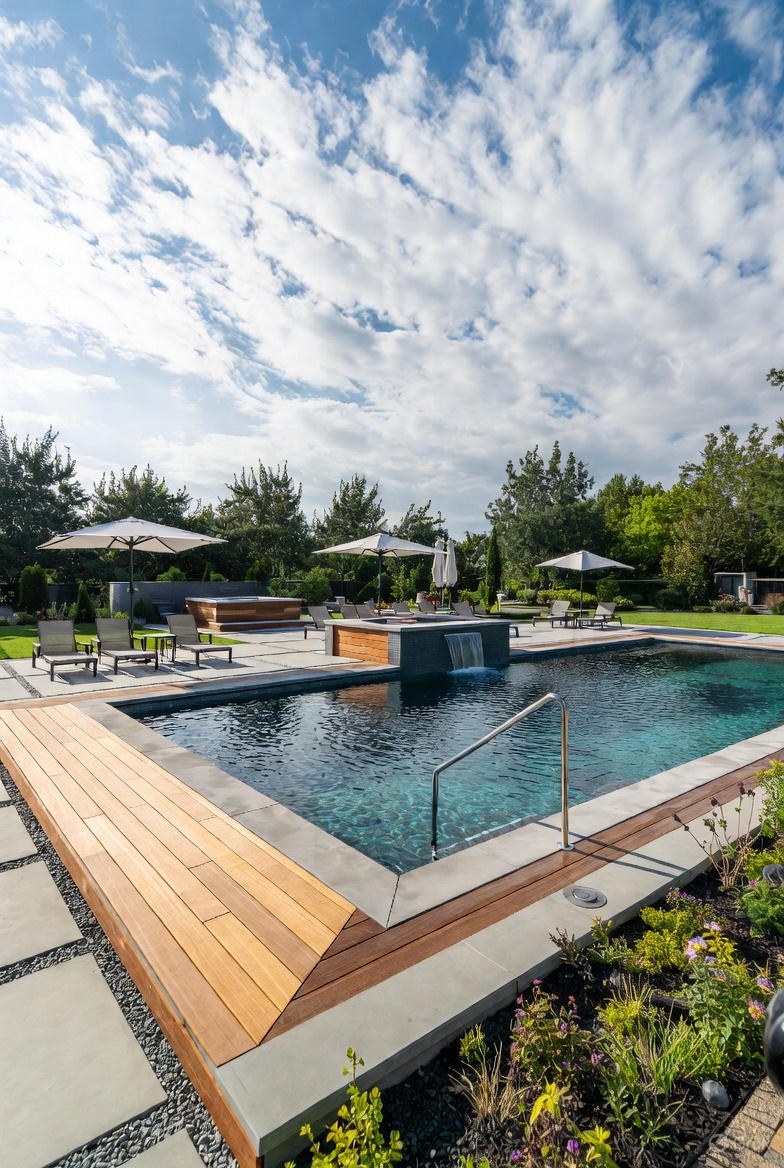
When choosing materials for decking and patios, prioritize recycled materials whenever possible. There are now many attractive and durable decking options made from recycled plastic or reclaimed wood. These materials reduce landfill waste and minimize the demand for virgin resources. The entire pool environment should be considered as a cohesive, sustainable system.
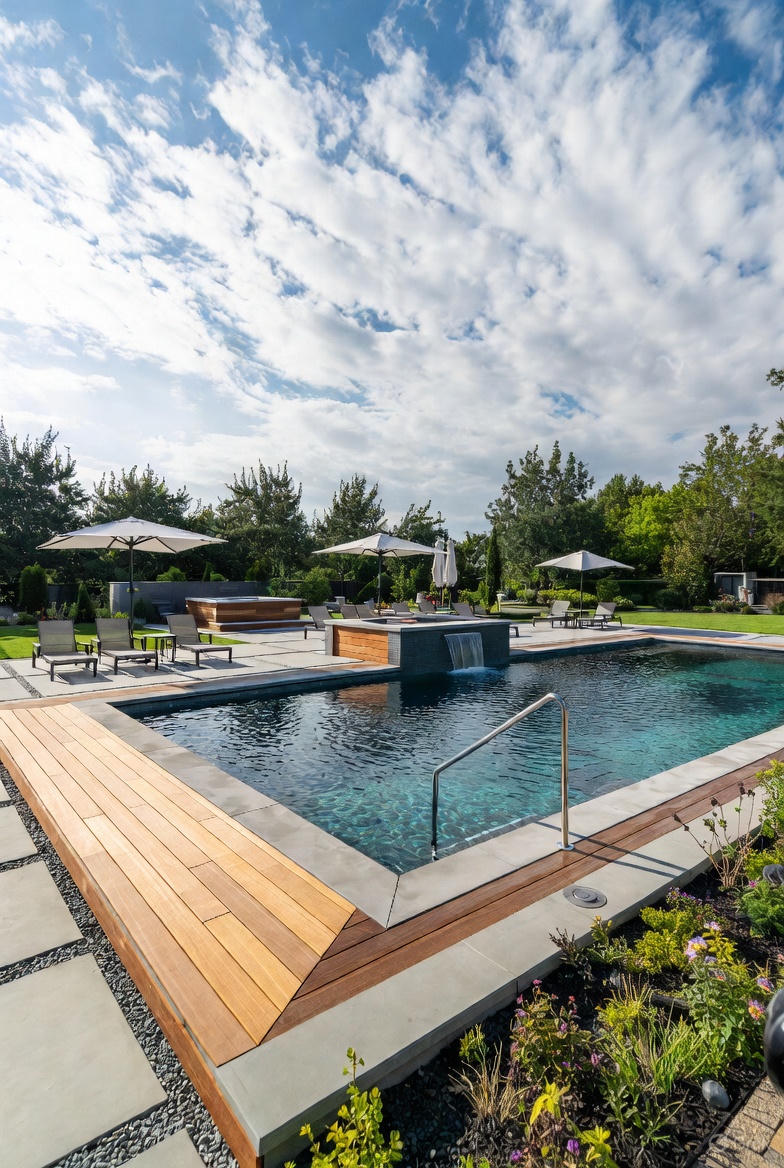
Inspecting eco-friendly systems
Even eco-friendly pools require regular professional inspections to ensure they are functioning efficiently and safely. When inspecting a pool with a variable speed pump, verify that it’s operating at the appropriate speed for the current conditions. A qualified technician can assess its performance and identify any potential issues.
For pools with smart automation systems, ensure all sensors and controls are functioning correctly. Check for proper chemical balancing and verify that the system is accurately monitoring water parameters. A faulty sensor can lead to inefficient operation and potential water quality problems.
If the pool uses a saltwater chlorinator, inspect the cell for scaling or corrosion. A properly maintained chlorinator is essential for effective sanitation and reducing chemical usage. Puddle Pool Services and Swim Deep Blue both emphasize the importance of checking for leaks during a pool inspection, regardless of the system type.
Don’t assume that a 'green' pool is maintenance-free. Regular inspections by a qualified professional are essential to identify and address potential problems before they escalate. Think of it as preventative maintenance for a sustainable investment.
From the early days of planting Christmas trees to pay for their kids’ college educations, @Myers_TreeFarm has bloomed into a business that includes full-service landscaping, greenhouses, a wedding barn, floral design services, tree moving, and pool installation.
— Joni Ernst (@SenJoniErnst) September 26, 2025
I was excited… pic.twitter.com/WateICuZjK
No comments yet. Be the first to share your thoughts!