
Why a 2026 Pool Maintenance Schedule Matters Now
Pool ownership is rewarding, but it comes with responsibility. Many people discover that proactive maintenance – a consistent schedule of checks and cleaning – is far less stressful and cheaper than constantly reacting to problems as they arise. Waiting for something to break often means higher repair bills, especially with today's increasingly complex pool equipment.
The cost of pool repairs is steadily increasing. Parts and labor costs are rising, and finding a technician in July is getting harder. More importantly, maintaining proper water chemistry isn't just about aesthetics; it’s about health and safety. Improperly balanced water can harbor bacteria and cause skin irritation or worse.
Newer pool equipment, while often more efficient, frequently requires more diligent upkeep than older models. Variable-speed pumps, automated chemical feeders, and sophisticated filtration systems all have components that need regular attention. Planning for this now, looking ahead to 2026, isn't being overly cautious – it’s being smart. I truly believe a little effort now saves a lot of trouble later.
Thinking about your 2026 pool maintenance schedule now allows you to budget accordingly, order necessary supplies in advance, and even schedule professional services during less busy times. It’s about taking control of your pool's health and enjoying a worry-free swimming season.
2026 is the year you buy your first business.
— Ben Kelly (@benkellyone) January 23, 2026
Here’s a list of 50 ideas to get you started:
1. Laundromat
2. Accounting Firms
3. Title Company
4. Notary Service
5. CFO Services
6. Property Management
7. Property Maintenance
8. Tree Trimming
9. Pool Maintenance
10. HVAC
11.…
Monthly Chemical Balancing: Your Water's Foundation
Consistent chemical balancing is the cornerstone of a healthy pool. Each month, you need to test and adjust several key parameters. This isn’t just about throwing chemicals into the water; it’s about understanding why each chemical is important and how they interact with each other.
Let’s start with pH. The ideal range is 7.2 to 7.8. If the pH is too low (acidic), it can corrode pool surfaces and irritate swimmers. Too high (alkaline), and chlorine becomes less effective, leading to algae growth. Alkalinity, usually measured between 80 and 120 ppm, acts as a buffer to keep pH stable. Calcium hardness, ideally between 200 and 400 ppm, prevents corrosion or scaling.
Cyanuric acid (CYA) protects chlorine from sunlight degradation. However, too much CYA reduces chlorine's effectiveness. Aim for 30-50 ppm. Finally, of course, is chlorine or your chosen sanitizer. Maintaining 1-3 ppm chlorine is generally recommended, but this can vary based on your sanitizer type and local regulations. A good test kit is essential. Liquid test kits are affordable but less precise. Digital photometers are more expensive but offer greater accuracy.
Troubleshooting imbalances is often straightforward. Cloudy water frequently indicates low sanitizer levels or high pH. Algae blooms point to low sanitizer or high CYA. Staining can be caused by metals in the water, requiring a metal sequestrant. Remember to always follow chemical label instructions carefully and never mix chemicals together.
- pH: 7.2 - 7.8
- Alkalinity: 80 - 120 ppm
- Calcium Hardness: 200 - 400 ppm
- Cyanuric Acid: 30 - 50 ppm
- Chlorine: 1 - 3 ppm
Seasonal Tasks: Spring Opening & Fall Closing
Opening your pool in the spring requires a systematic approach. Remove the cover carefully, inspect for any winter damage, and clean the pool thoroughly. Test and balance the water chemistry – it will likely be significantly off after being covered all winter. Inspect all equipment – pump, filter, heater – for proper operation and make any necessary repairs.
Closing your pool properly in the fall is just as important. Drain the water below the skimmer line, winterize the plumbing by blowing out the lines with compressed air, and add winterizing chemicals to prevent freezing and algae growth. A good pool cover is essential to protect the water from debris and sunlight. Vinyl covers are affordable and block all light, while mesh covers are lighter and prevent water from pooling on top.
There are several cover types. Solid covers block all sunlight and debris, but require a pump to remove accumulated rainwater. Mesh covers allow water to drain, reducing pump usage, but allow some sunlight through, potentially promoting algae growth. Automatic covers are convenient but expensive.
Filter Maintenance: Keeping the Circulation Clean
Your pool filter is the workhorse of your circulation system. The type of filter you have – sand, cartridge, or diatomaceous earth (DE) – dictates the maintenance schedule. Sand filters require backwashing when the pressure gauge reads 8-10 psi higher than the clean starting pressure. This reverses the flow of water to flush out trapped debris.
Cartridge filters need to be removed and cleaned with a garden hose every 2-6 months, depending on usage. DE filters also require backwashing, but additionally need the DE powder replenished after each backwash. The frequency of backwashing depends on pool usage and the amount of debris. A heavily used pool will require more frequent cleaning.
Knowing when to replace filter media is important. Sand should be replaced every 5-7 years. Cartridge filters typically last 1-3 years. DE filters require periodic replacement of the grids. A filter that isn’t working efficiently will cause cloudy water and strain your pump.
- Sand Filters: Backwash when pressure increases 8-10 psi.
- Cartridge Filters: Clean every 2-6 months.
- DE Filters: Backwash and replenish DE after each cycle.
Pool Filter Comparison: Sand, Cartridge, and Diatomaceous Earth (DE)
| Filter Type | Maintenance Frequency | Effectiveness | Lifespan | Ease of Use |
|---|---|---|---|---|
| Sand | Requires backwashing when pressure increases – typically every 2-6 weeks depending on pool usage and bather load. Sand itself lasts for many years, but eventually needs replacement (5-7 years is common). | Good for general debris removal. Doesn’t filter out the smallest particles, resulting in slightly less crystal-clear water compared to other types. | 10-20 years (with sand replacement every 5-7 years). | Generally considered the easiest to maintain, though backwashing requires some effort. |
| Cartridge | Cartridges need rinsing several times throughout the season and full replacement every 1-3 years, depending on pool usage and water quality. | Very effective at removing particles down to 10-20 microns, providing clear water. Performance can decrease as the cartridge becomes loaded. | 3-5 years, with regular cleaning and replacement of cartridges. | Moderate. Requires more frequent cleaning than sand filters, but avoids the need for backwashing and associated water waste. |
| Diatomaceous Earth (DE) | Requires backwashing when pressure increases (similar to sand filters). DE powder needs to be added after each backwash. Filter grids require periodic cleaning and may need replacement. | The most effective at removing very small particles (down to 3-5 microns), resulting in exceptionally clear water. | 10-15 years (with regular grid cleaning and DE replenishment). Grids themselves may need replacement before the filter housing. | More complex than sand or cartridge filters. Requires understanding of DE handling and proper backwashing procedures. |
| Sand – Pros | Cost-effective initial investment. Simple operation. Low ongoing maintenance costs. | Less effective at fine particle filtration. Requires more water for backwashing. | N/A | N/A |
| Cartridge – Pros | Excellent filtration. No backwashing needed, conserving water. Relatively quiet operation. | Cartridge replacement can be costly. Can be more difficult to clean thoroughly. | N/A | N/A |
| DE – Pros | Superior filtration for the clearest water. Can handle high bather loads. | Requires careful handling of DE powder (potential health concerns). More complex maintenance. DE disposal regulations may apply. | N/A | N/A |
Illustrative comparison based on the article research brief. Verify current pricing, limits, and product details in the official docs before relying on it.
Equipment Inspection & Maintenance: Beyond the Basics
Regularly inspect your pool pump and motor for leaks, unusual noises, or overheating. Lubricate the motor bearings as recommended by the manufacturer. Check the pump impeller for debris and clean it as needed. Your pool heater also requires attention. Inspect the heat exchanger for corrosion and clean the burner assembly annually.
Automatic pool cleaners are convenient, but they also need maintenance. Clean the filter bags or baskets regularly and inspect the wheels and tracks for wear. I’ve heard too many stories about pumps failing unexpectedly, often due to a lack of preventative maintenance. This is where a schedule really pays off.
The lifespan of pool equipment varies. Pumps typically last 7-10 years, heaters 5-8 years, and filters 3-7 years. Knowing the age of your equipment helps you budget for replacements and avoid unexpected breakdowns. Early detection of problems can often extend the life of your equipment.
Pool Surface & Tile: Preventing Cracks and Stains
Inspect your pool surface – plaster, vinyl, or fiberglass – for cracks, stains, or damage. Plaster surfaces can develop cracks over time, requiring resurfacing. Vinyl liners can tear or become discolored. Fiberglass surfaces are generally durable but can be susceptible to staining. A clean surface prevents algae from taking root in small pits or cracks.
Tile maintenance involves cleaning grout to prevent calcium buildup and repairing any loose or cracked tiles. Calcium buildup can be removed with a mild acid solution, but always follow label instructions carefully. Different tile materials require different cleaning solutions. Porcelain tiles are more durable and require less aggressive cleaning than glass tiles.
For vinyl liners, avoid abrasive cleaners. For fiberglass, use a pH-neutral cleaner specifically designed for fiberglass surfaces. Regular cleaning prevents stains and helps maintain the appearance of your pool.
Safety Checks: A Monthly Reminder
Safety should always be your top priority. Monthly, check your pool fencing and gates to ensure they are in good repair and meet local safety codes. Verify that ladders and handrails are securely attached and free of damage. Confirm that safety equipment, such as life rings and shepherd’s crooks, is readily accessible.
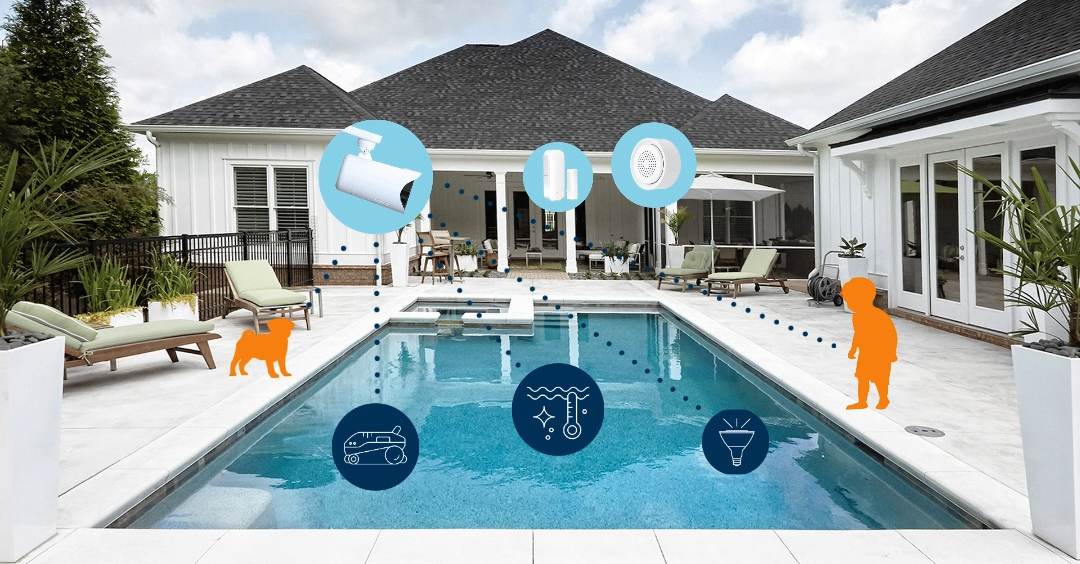
Install a pool alarm to alert you if someone enters the water unexpectedly.omeone enters the water unexpectedly. Teaching children about pool safety is crucial. Emphasize the importance of never swimming alone and always following pool rules. Referencing vdh.virginia.gov, the transition point between shallow and deep water shall not be more than five feet deep.
Regularly review your pool's safety features and ensure they are functioning properly. A well-maintained and safe pool is a joy for the whole family.
Troubleshooting Common Pool Problems
Cloudy water is often caused by low sanitizer levels, high pH, or a dirty filter. Test and adjust the water chemistry and clean or backwash the filter. Algae blooms indicate insufficient sanitizer or high CYA. Shock the pool and add algaecide. A pump failure can be caused by a clogged impeller, a faulty motor, or a tripped breaker.
If you encounter a problem you can’t resolve, don’t hesitate to call a professional. Attempting repairs without the proper knowledge can be dangerous and could void your warranty. Evolve Inspections can be reached at (305) 506 8969 for quote requests. Remember that simple fixes are best left to the professionals when you’re unsure.

No comments yet. Be the first to share your thoughts!