

Pools are getting smarter
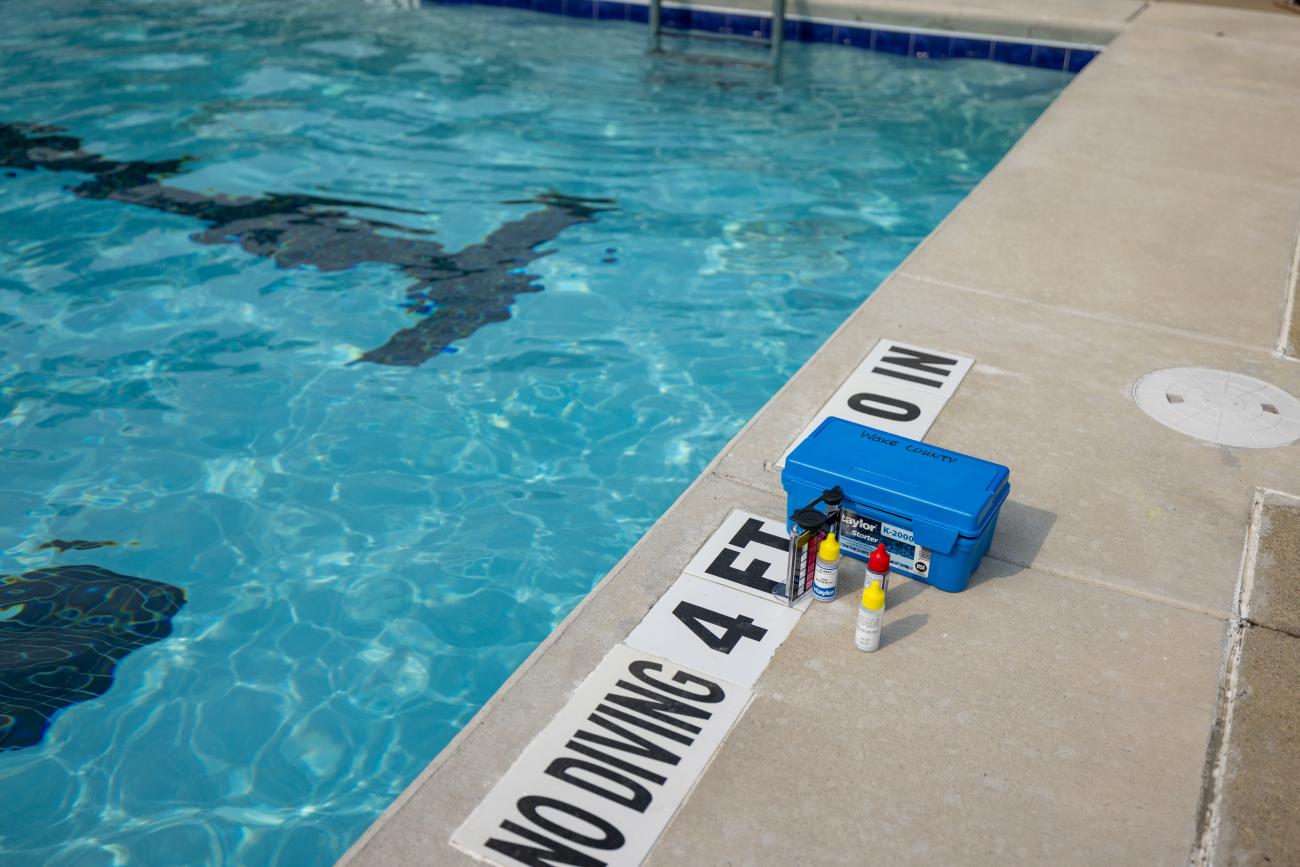
Pool ownership has always come with a certain amount of work. Traditional maintenance – testing water, adding chemicals, scrubbing surfaces – is time-consuming and, frankly, can be a bit of a guessing game. It’s easy to end up with imbalanced water, algae blooms, or even damage to your pool equipment. But things are changing rapidly.
We're seeing a significant shift toward smart pool technology in 2026. AI-driven monitoring systems are no longer a futuristic fantasy; they’re becoming increasingly affordable and accessible. These systems promise to automate many of the tedious tasks associated with pool care, freeing up your time and ensuring a healthier, safer swimming experience.
This isn’t just about convenience, although that’s a major perk. The real value lies in preventative maintenance. Early detection of issues – a slow leak, a chemical imbalance – can save you hundreds, even thousands, of dollars in repairs and prevent potentially dangerous situations. These systems aren’t just reacting to problems; they’re predicting them.
Five features that actually work
The market is flooded with 'smart' pool gadgets, but not all of them deliver on their promises. According to shastapools.com, several technologies are proving to be genuinely valuable for pool owners in 2026. Let’s take a look at five that stand out.
Automated Chemical Controllers are a game-changer. These systems continuously monitor your pool’s water chemistry and automatically dispense the necessary chemicals to maintain optimal balance. They typically handle pH, chlorine, and sometimes alkalinity. This eliminates the need for manual testing and reduces chemical waste.
Next up are Smart Pumps. Variable-speed pumps can significantly reduce energy consumption by adjusting water flow based on demand. Many smart pumps can be controlled remotely via a smartphone app, allowing you to schedule pump operation and monitor energy usage. They can save pool owners up to 80% on energy costs according to some manufacturers.
Leak Detection Systems are crucial, especially for those who live in areas with fluctuating temperatures or who travel frequently. These systems use flow sensors or pressure sensors to detect even small leaks, alerting you to potential problems before they escalate into costly repairs. A small leak, if left unchecked, can lead to significant water loss and even structural damage.
Robotic Pool Cleaners have come a long way. Modern robotic cleaners are incredibly efficient and can scrub floors, walls, and even the waterline. They operate independently of your pool’s filtration system, reducing strain on your pump and filter. Models like the Dolphin Premier, frequently cited as a bestseller, offer multimedia cleaning capabilities.
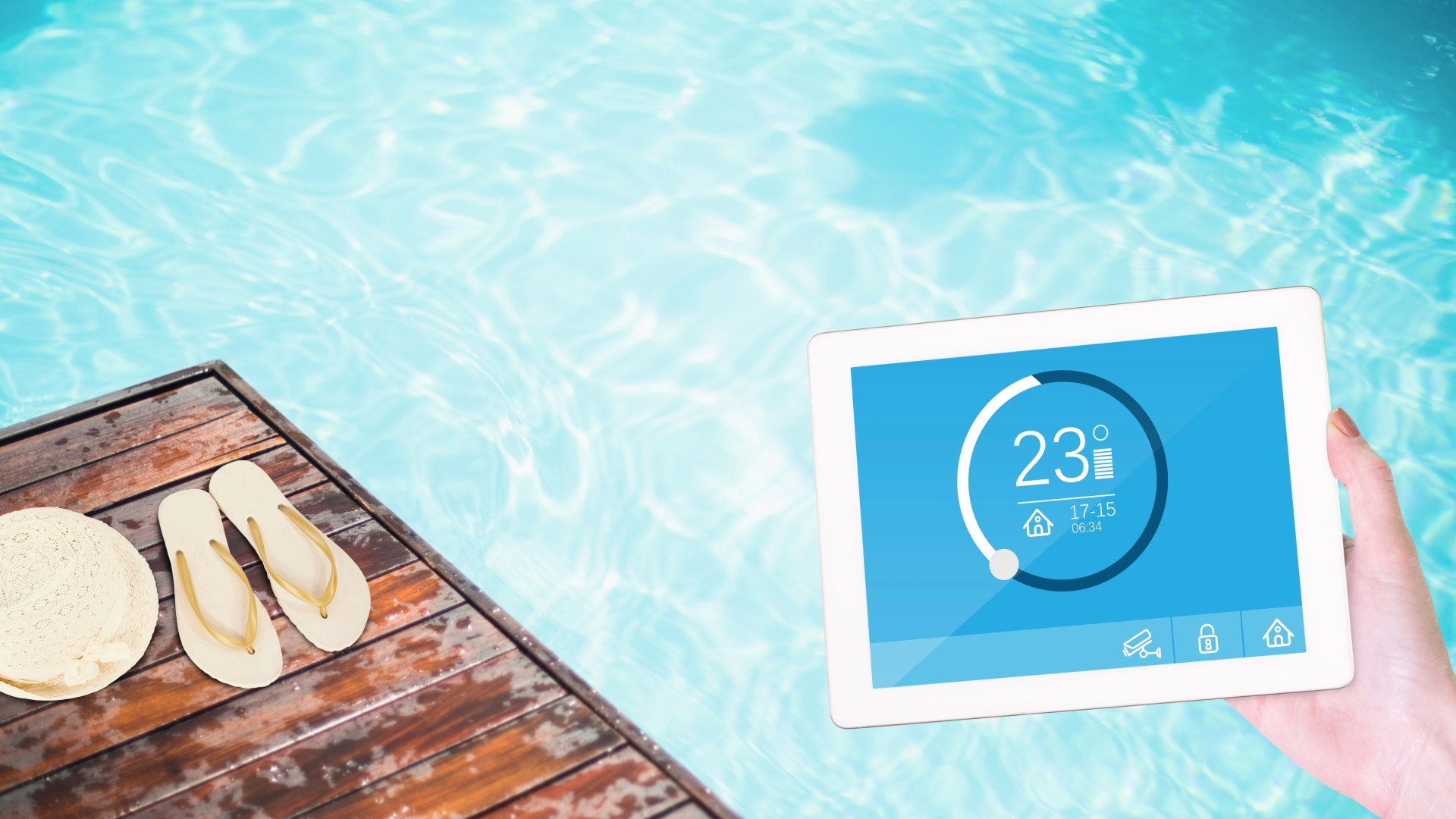
Finally, Remote Monitoring and Control systems allow you to manage your entire pool from your smartphone or tablet. You can adjust temperature, control lights, activate the pump, and even receive alerts for potential issues. This provides peace of mind and allows you to maintain your pool even when you’re away from home.
How the sensors talk to each other
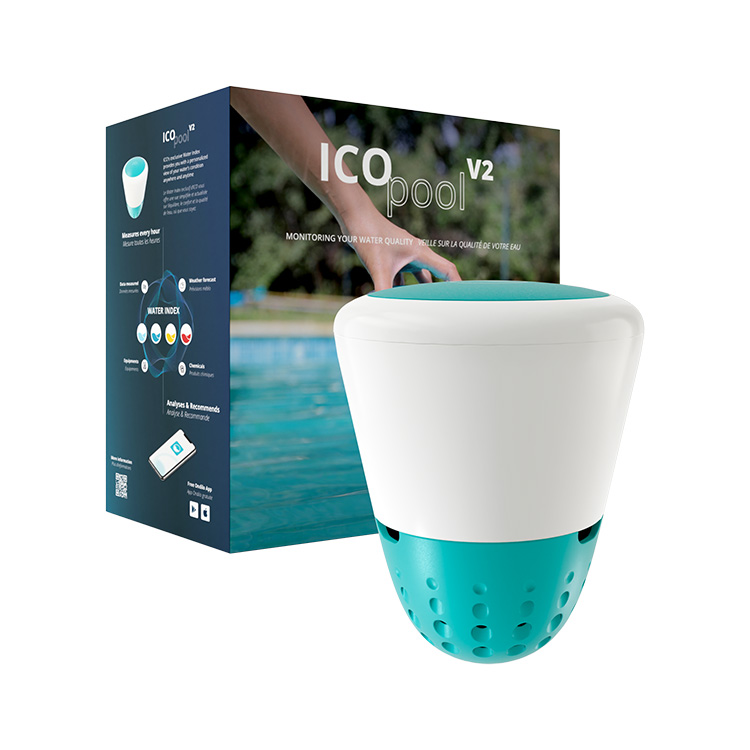
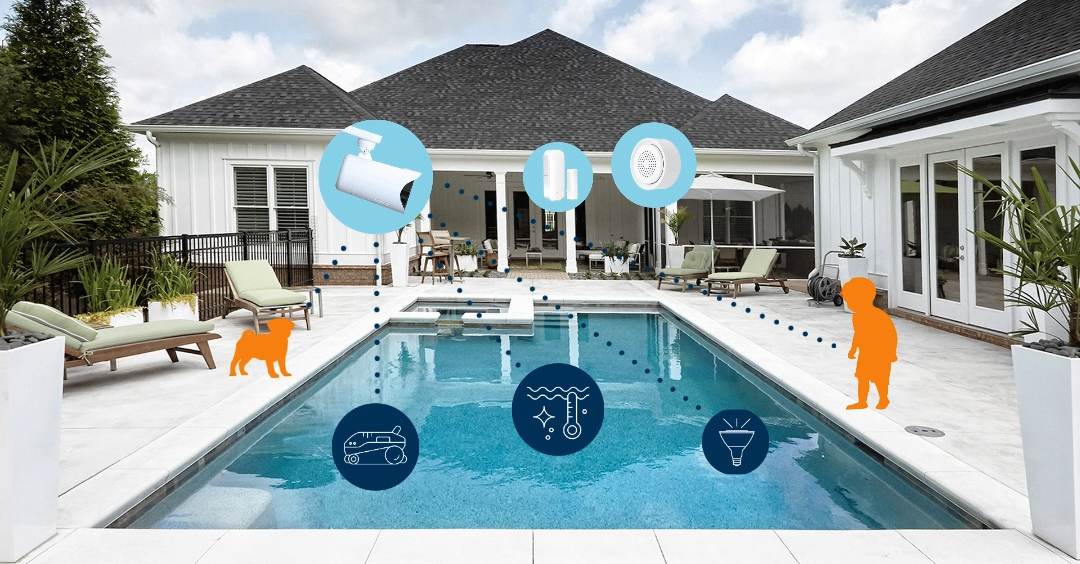
So, how do these AI pool monitoring systems actually work? It’s more than just a fancy app. At the core of these systems are a network of sensors that collect data on various pool parameters. These sensors typically measure things like pH, chlorine levels, water temperature, flow rate, and pressure.
This data is then fed into an AI algorithm that analyzes it for patterns and anomalies. The AI uses machine learning to continuously improve its accuracy and predictive capabilities. Over time, the system learns the specific characteristics of your pool and can identify potential issues before they become major problems.
These systems tell you exactly what's wrong before you see green water. You get alerts for bad chemistry, failing pumps, or weird pressure drops. It's much cheaper to fix a pump when it starts acting up than to replace it after it dies.
- pH and chlorine sensors to track acidity and sanitizer levels
- Chlorine sensors
- Temperature sensors
- Flow rate sensors
- Pressure sensors
Robotics and Automation: Beyond Cleaning
Robotic pool cleaners have become incredibly sophisticated in recent years. They’re no longer just simple scrubbing machines; they’re intelligent devices that can map your pool, navigate obstacles, and clean surfaces with remarkable efficiency. Models like the Dolphin Sigma are consistently highly rated.
Beyond cleaning, automation extends to other areas of pool maintenance. Automatic pool covers can help conserve water, reduce chemical evaporation, and enhance pool safety. Smart pool controllers can automate lighting, heating, and other features, creating a truly customized pool experience.
The future of robotic pool maintenance likely involves even greater integration with AI. We may see robots that can not only clean your pool but also perform basic water quality testing and even minor repairs. The goal is to create a fully automated pool care system that requires minimal human intervention.
Choosing the Right System: Compatibility & Integration
When choosing smart pool technology, compatibility is key. Not all systems work with all pools or equipment. It’s essential to ensure that the system you choose is compatible with your pool type (inground, aboveground, vinyl liner, concrete, etc.) and your existing filtration and plumbing systems.
Consider the integration with your existing smart home platform. Do you use Amazon Alexa, Google Home, or another smart home system? If so, you’ll want to choose a smart pool system that integrates seamlessly with your existing setup. This will allow you to control your pool using voice commands or through a centralized smart home app.
One common pitfall is assuming that all systems are created equal. Read reviews, compare features, and talk to other pool owners before making a decision. Don’t be afraid to ask questions and seek expert advice. A qualified pool professional can help you choose the right system for your specific needs and budget.
What's coming next
The evolution of smart pool technology is far from over. We can expect to see even greater integration of AI in the coming years, with systems that can predict and prevent problems with even greater accuracy. Personalized pool care solutions, tailored to the specific needs of your pool and your swimming habits, are also on the horizon.
I anticipate that we’ll see more advanced sensors that can monitor a wider range of parameters, such as algae levels, water clarity, and even the presence of contaminants. The data collected by these sensors will be used to optimize pool maintenance and ensure a healthier, safer swimming environment. The trend towards energy efficiency will also continue, with smarter pumps and filtration systems.
Ultimately, the goal is to create a pool care system that is truly effortless and worry-free. While we’re not quite there yet, the advancements we’re seeing in smart pool technology are bringing us closer to that reality.
Smart Pool System Comparison - 2026
| Brand | Ease of Installation | Compatibility with Pool Types | Customer Support | Overall System Complexity |
|---|---|---|---|---|
| AquaLogic | Medium | High | High | Medium |
| PoolPilot | High | Medium | Medium | Low |
| SmartPool AI | Medium | High | Medium | High |
| HydroWise | Low | Medium | High | Medium |
| ClearEdge Systems | Medium | High | Low | Medium |
| PoolGenius | High | Medium | Medium | Low |
| SunStream Automation | Medium | Medium | Medium | Medium |
Illustrative comparison based on the article research brief. Verify current pricing, limits, and product details in the official docs before relying on it.

No comments yet. Be the first to share your thoughts!