

The shift from manual testing
For decades, keeping a swimming pool healthy and safe has largely depended on manual inspections and reactive maintenance. A technician would visit, test the water, check the equipment, and then recommend treatments or repairs. This approach, while effective, is limited by its infrequent nature and the potential for human error. We at Aquatic Inspections have seen firsthand how these traditional methods can miss developing issues.
However, pools themselves are becoming more complex. Variable speed pumps, salt chlorinators, automated systems – these aren’t your grandparents’ pools. These advancements demand a more sophisticated approach to monitoring and maintenance. Simply put, the old ways aren’t always enough to keep pace with the technology.
That's where Artificial Intelligence comes in. AI-powered pool monitoring systems are changing the game, offering a proactive and data-driven approach to pool care. These systems use a network of sensors and intelligent algorithms to continuously monitor pool conditions, detect potential problems, and even predict future issues. The CDC’s Aquatic Facility Inspection Cheat Sheet provides a good baseline for current standards, but AI aims to move beyond simply meeting those standards to consistently exceeding them.
The promise isn't just about convenience. It’s about ensuring swimmer safety, extending the life of pool equipment, and ultimately, saving pool owners time and money. It’s a shift from reacting to problems to preventing them – a shift we believe is the future of pool maintenance.
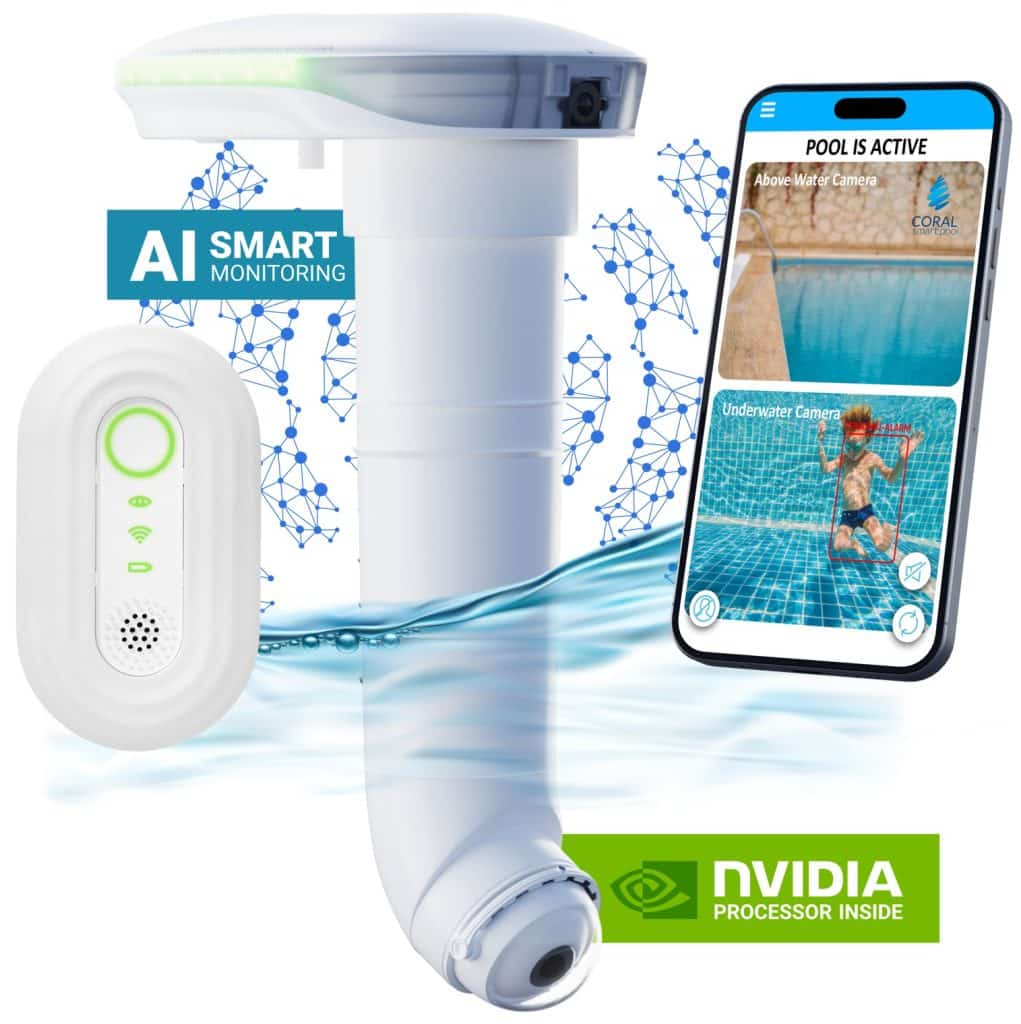
Hardware in the water
The system relies on hardware submerged in the pool or plumbing. Chemistry sensors measure pH, chlorine, alkalinity, and cyanuric acid. These provide the raw numbers needed to maintain water clarity without guessing.
Flow sensors monitor the rate of water circulation, which is essential for effective filtration and chemical distribution. Temperature sensors track water temperature, impacting chemical effectiveness and comfort. Pressure sensors monitor the performance of pumps and filters, identifying potential blockages or inefficiencies. And increasingly common are leak detection sensors, which can pinpoint even small water losses before they become major problems.
The accuracy of these sensors is significantly higher than traditional testing methods. A manual test kit, while useful, is subject to human interpretation and potential errors. Sensors, on the other hand, provide precise, digital readings. The data collected is then transmitted wirelessly – often via Wi-Fi or cellular connection – to a central processing unit or cloud-based platform.
Reliability has also improved dramatically. Modern sensors are designed to withstand the harsh pool environment and provide consistent, accurate readings over extended periods. Proper calibration is still important, but the need for frequent manual testing is greatly reduced. We’ve seen systems that can operate for months on a single calibration cycle.
How the software interprets data
The raw data collected by the sensors isn’t useful on its own. It needs to be interpreted and analyzed, and that’s where the AI algorithms come in. These algorithms, often based on machine learning (ML), are trained to recognize patterns and anomalies in the sensor data.
Machine learning allows the system to "learn’ what constitutes normal operation for a specific pool. It accounts for factors like pool size, usage patterns, weather conditions, and equipment specifications. Over time, the AI becomes increasingly accurate at distinguishing between normal fluctuations and potential problems. It’s not simply looking for readings that are outside a pre-defined range; it"s understanding the context of those readings.
The types of problems the AI can detect are numerous. It can identify chemical imbalances before they cause algae blooms or corrosion. It can detect equipment malfunctions, such as a failing pump motor or a clogged filter. It can identify leaks, even small ones, preventing water waste and structural damage. And perhaps most importantly, it can identify potential safety hazards, like dangerously low sanitizer levels.
The software acts as an early warning system. It alerts you to issues before they require a full shutdown, letting you handle maintenance on your own schedule.
Beyond Alerts: Predictive Maintenance
The real power of AI-powered pool monitoring lies in its ability to predict future problems. By analyzing historical data and real-time sensor readings, the AI can anticipate equipment failures before they happen. This is known as predictive maintenance, and it can save pool owners significant money and downtime.
For example, the AI might detect subtle fluctuations in pump pressure, indicating a developing seal failure. It can then alert the owner to schedule a repair before the pump completely breaks down. Similarly, it can anticipate when a salt chlorinator cell needs to be replaced based on its usage and water chemistry data. Kimes Engineering offers comprehensive aquatic inspections, and I believe systems like these will become integral to their services.
This proactive approach is far more cost-effective than reactive repairs. Replacing a pump seal is far cheaper than replacing an entire pump. And minimizing downtime ensures that the pool remains open and available for use. The savings can be substantial, particularly for commercial pools.
Predictive maintenance also extends the lifespan of pool equipment. By addressing minor issues before they escalate, you can prevent premature wear and tear and avoid costly replacements. It's a long-term investment that pays off in reduced maintenance costs and increased reliability.
Setup and connectivity
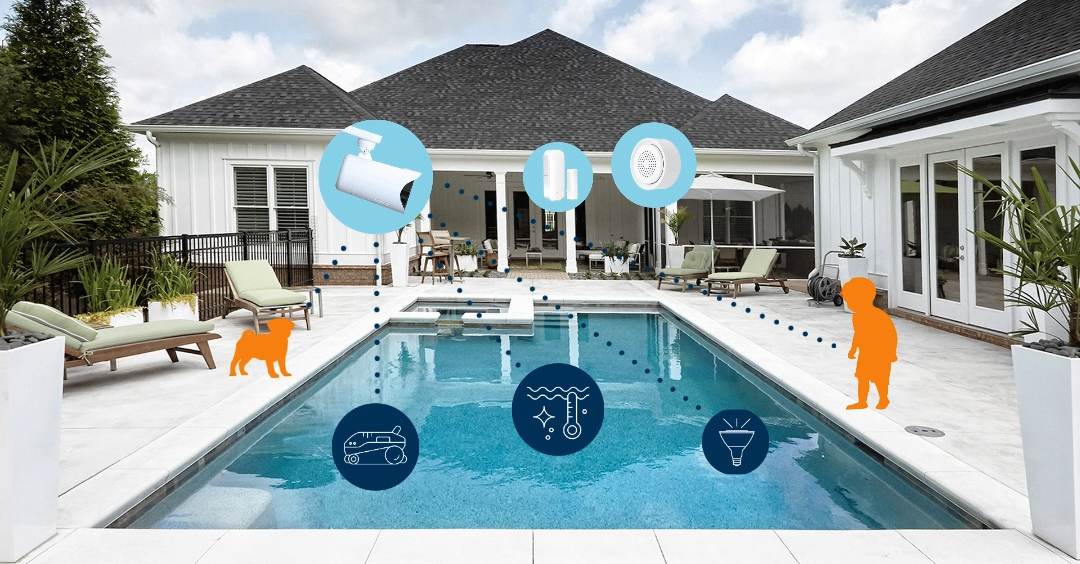
Installing an AI-powered pool monitoring system typically involves mounting the sensors in strategic locations around the pool – in the skimmer, pump room, and potentially in the pool itself. The complexity of the installation will vary depending on the system and the existing pool infrastructure.
While some systems are designed for DIY installation, professional installation is often recommended, especially for more complex setups. A qualified technician can ensure that the sensors are properly calibrated and integrated with the existing pool equipment. This is especially true if the system requires modifications to the pool’s plumbing or electrical systems.
Integration with existing pool equipment is a key consideration. Many systems are compatible with popular pool automation systems, allowing you to control pumps, valves, and other devices remotely. Connectivity requirements typically include a stable Wi-Fi connection or cellular data access. Data privacy and security are also important considerations – ensure the system uses secure data transmission and storage protocols.
The system will typically provide reports and insights to pool owners and/or maintenance professionals through a mobile app or web-based dashboard. These reports can include real-time sensor readings, historical data, alerts, and recommendations for corrective action. The goal is to empower pool owners with the information they need to keep their pools healthy and safe.
Comparison of Traditional vs. AI-Powered Pool Inspections
| Inspection Method | Frequency | Objectivity | Cost | Scope | Predictive Capability | Data Logging | Human Error Risk |
|---|---|---|---|---|---|---|---|
| Traditional Inspection | Periodic (e.g., annually, bi-annually) | Subjective - reliant on inspector judgment | Moderate - includes inspector fees, travel | Limited to visual inspection during visit | Low - primarily reactive to existing issues | Manual record keeping, potential for loss/damage | High - prone to oversight, inconsistent application of standards |
| AI-Powered Inspection | Continuous/Real-time | Objective - data-driven analysis | Potentially High Initial Investment, Lower Long-Term Costs | Comprehensive - monitors multiple parameters simultaneously | High - identifies trends and predicts potential failures | Automated, cloud-based data storage and analysis | Low - minimizes subjective assessment, consistent monitoring |
| Traditional Inspection | Frequency of Chemical Testing | Dependent on tester accuracy | Recurring cost of test kits/services | Limited to specific chemical parameters tested | None | Manual logging of test results | Moderate - potential for inaccurate readings or recording errors |
| AI-Powered Inspection | Frequency of Chemical Testing | Highly Accurate, automated readings | Sensor and data transmission costs | Continuous monitoring of multiple chemical parameters | Identifies imbalances before they become critical | Automated data logging with alerts | Very Low - eliminates manual testing errors |
| Traditional Inspection | Structural Integrity Assessment | Subjective visual assessment | Costly expert evaluations | Limited to visible damage | Low | Photographic records, written reports | Moderate - potential to miss hidden issues |
| AI-Powered Inspection | Structural Integrity Assessment | Potential for AI-assisted image analysis (future) | Sensor deployment and data analysis costs | Potential to detect subtle changes over time | Emerging - predictive modeling of structural degradation | Automated image and data logging | Low - consistent data collection and analysis |
Illustrative comparison based on the article research brief. Verify current pricing, limits, and product details in the official docs before relying on it.
Investment and upcoming tech
The cost of an AI-powered pool monitoring system can vary widely depending on the features, complexity, and the size of the pool. Upfront investment can range from a few hundred dollars for a basic system to several thousand dollars for a more advanced setup. Some systems also require ongoing subscription fees for data storage, analysis, and software updates.
However, it’s important to consider the potential savings from reduced maintenance, repairs, and water waste. These savings can often offset the initial investment over time. Factors that influence the cost include the number of sensors, the sophistication of the AI algorithms, and the level of integration with existing pool equipment.
Newer systems are moving toward remote diagnostics, where a technician can troubleshoot a pump error from their office. We are also seeing more automated chemical dosing pumps that talk directly to the sensors to balance the water without manual intervention.
The technology is still evolving, and costs are likely to come down over time as it becomes more widespread. While it’s not a perfect solution for every pool owner, AI-powered pool monitoring represents a significant step forward in pool care, offering a proactive, data-driven approach that can save time, money, and ensure a safe and enjoyable swimming experience.

No comments yet. Be the first to share your thoughts!