

2026 pool inspection focus
Pool safety standards change in 2026. These updates respond to rising drowning rates and new building codes. The goal is to make residential pools safer by closing loopholes in older guidelines.
For too long, homeowners have operated under older guidelines, sometimes unaware of the potential hazards lurking in their backyards. These upcoming inspections will be more thorough and detail-oriented. Inspectors won’t just be giving a cursory glance; they’ll be meticulously checking for compliance with the new standards. It's important to understand that these aren't just suggestions, but requirements.
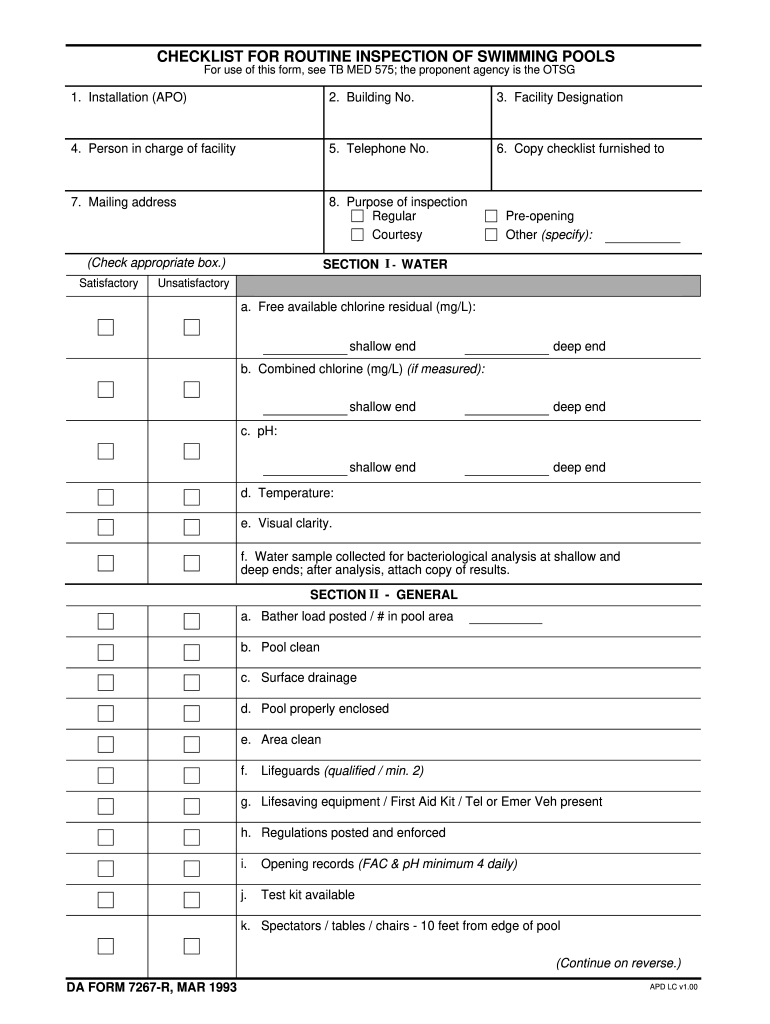
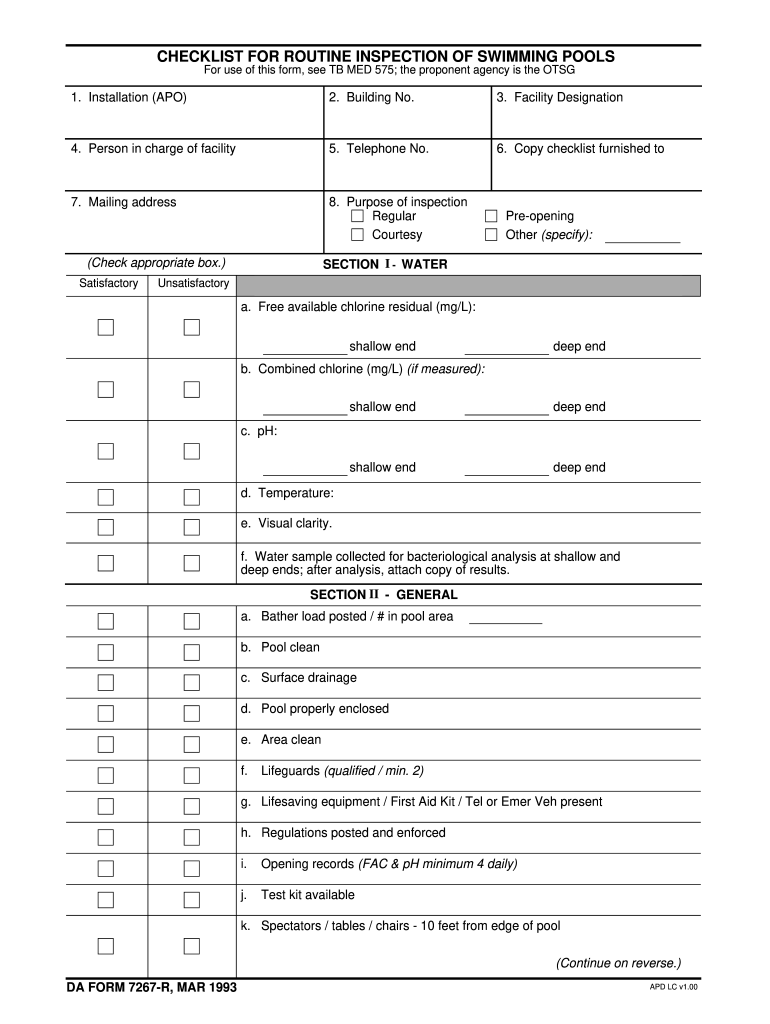
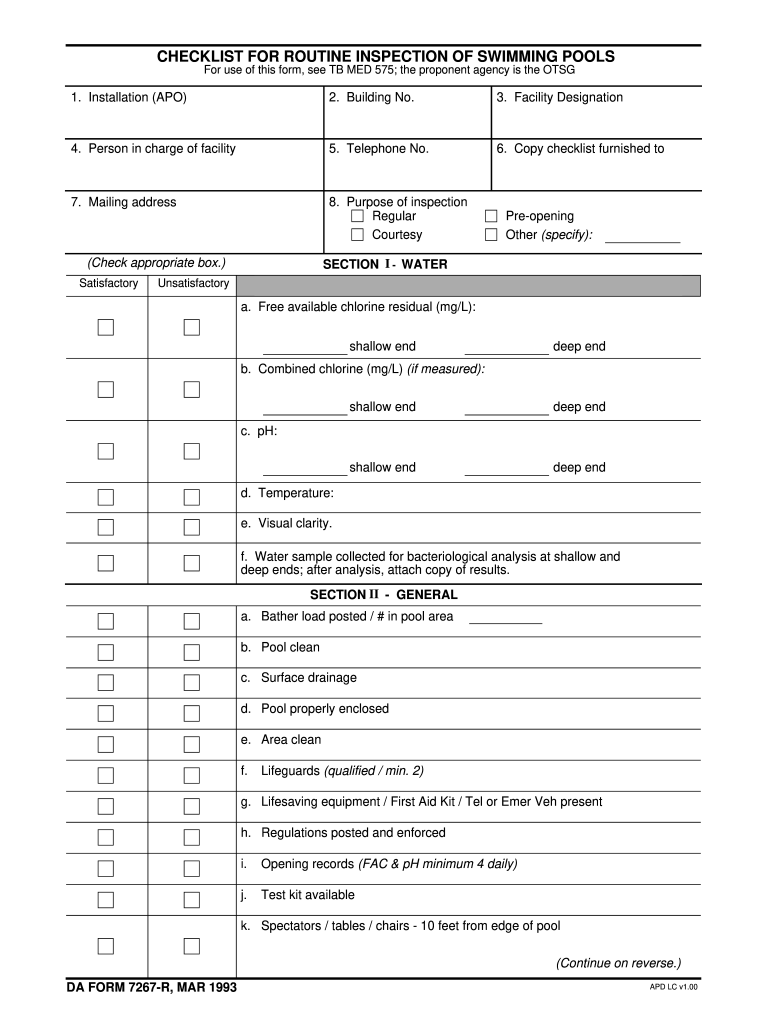
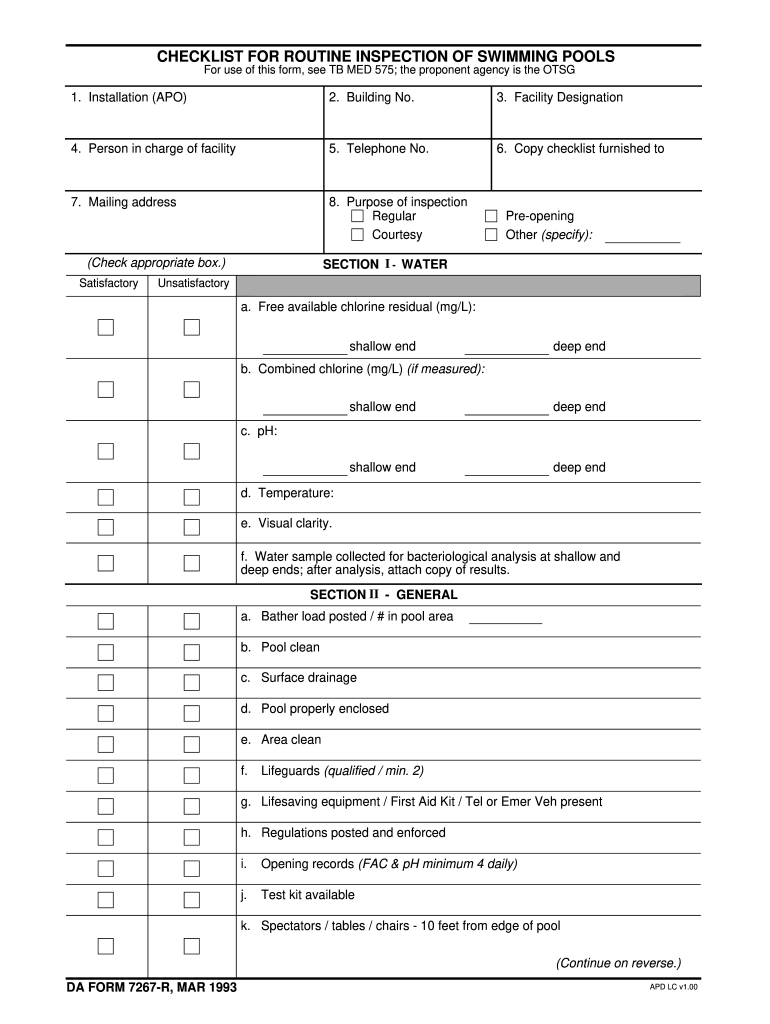
Don't wait for a scheduled inspection to find a violation. This checklist covers the 2026 standards so you can fix issues before an inspector arrives.
Circulation system checks
Proper water circulation is the heart of a healthy and safe pool. During an inspection, a significant amount of time will be spent evaluating your pool’s circulation system. Inspectors will first check the pump’s functionality – is it running efficiently and providing adequate flow? They’ll assess the filter, whether it’s a sand, cartridge, or diatomaceous earth (DE) filter, for proper operation and cleanliness. A clogged or malfunctioning filter severely impacts water quality.
Skimmer effectiveness is also crucial. Inspectors will verify that skimmers are correctly positioned and capable of removing debris from the water’s surface. They’ll also examine the return jets, ensuring they’re properly angled to create a circular flow pattern that distributes chemicals and heat evenly throughout the pool. Inadequate circulation leads to stagnant areas where algae can grow and chemicals become imbalanced.
The growing adoption of variable speed pumps is changing the game. These pumps are not only more energy-efficient, saving homeowners money, but they also offer greater control over circulation rates. Inspectors are increasingly looking for these upgrades, and their presence can be a positive indicator during an inspection. Expect them to ask about pump settings and schedules, as consistent, optimized flow is key. They’ll be confirming the pump is operating within recommended parameters for pool volume.
- Pump flow rate and efficiency
- Filter condition (sand, cartridge, DE)
- Skimmer effectiveness
- Return jet flow and pattern
Fences and gates
Pool fences and gates are the first line of defense against accidental drownings, and the 2026 standards will be particularly stringent. The required height for pool fences is generally 48 inches, but local regulations may vary, so it’s vital to check your specific area’s requirements. Inspectors will meticulously measure fence height and ensure it meets the minimum standard. Beyond height, the construction material and condition of the fence will be assessed for durability and integrity.
Latch mechanisms are a critical point of inspection. Gates must be self-closing and self-latching, with the latch positioned at least 54 inches above the ground to prevent small children from reaching it. Inspectors will test the latch repeatedly to ensure it functions reliably. They’ll also look for any gaps or openings in the fence that could allow a child to squeeze through. A gap of less than 4 inches is generally considered unacceptable.
Clearance from the bottom of the fence is also crucial. There should be no climbable structures within a certain distance of the fence – typically 18 inches. This prevents children from using objects like chairs or toys to scale the barrier. Barriers around spas and hot tubs are subject to similar requirements, often with even stricter standards due to the increased risk associated with smaller water volumes. It's easy to assume a fence is enough, but the details really matter.
Inspectors will also verify that the fence isn't obstructed by landscaping or other features that could create a hidden entry point. A clear line of sight around the pool area is essential for supervision.
- Fence height (minimum 48 inches, check local codes)
- Self-closing and self-latching gates
- Latch position (at least 54 inches above ground)
- Clearance from the bottom of the fence
- No climbable structures within 18 inches
- Barrier requirements for spas and hot tubs
Electrical Safety: Grounding & Bonding
Electrical hazards are a serious concern around pools, and proper grounding and bonding are essential to prevent electrical shock. Inspectors will thoroughly check the grounding system, ensuring that all metal components – ladders, pumps, lights, and the pool shell itself – are properly bonded to a grounding wire. This creates a safe path for electricity to flow in the event of a fault.
Ground Fault Circuit Interrupters (GFCIs) are mandatory for all electrical outlets serving the pool area. Inspectors will test each GFCI to verify it’s functioning correctly. They’ll also look for any signs of damaged wiring or improper electrical connections. DIY electrical work around pools is strongly discouraged and can be a major red flag during an inspection.
The risks associated with improper electrical work are significant. Even a small error can create a potentially lethal hazard. Professional installation is not just recommended; it’s essential. Inspectors will want to see documentation of any electrical work performed by a licensed electrician, demonstrating compliance with local codes.
Water Chemistry & Sanitation
Maintaining proper water chemistry is critical for both swimmer safety and equipment longevity. Inspectors will evaluate several key parameters, including pH (ideally between 7.2 and 7.8), alkalinity (80-120 ppm), calcium hardness (200-400 ppm), and sanitizer levels (chlorine 1-3 ppm, bromine 3-5 ppm, or appropriate levels for salt systems). Imbalances in these parameters can lead to skin irritation, eye discomfort, and corrosion of pool equipment.
Cyanuric acid levels (stabilizer for chlorine) will also be checked. While necessary to protect chlorine from sunlight, excessive levels can reduce chlorine’s effectiveness. Acceptable ranges typically fall between 30-50 ppm. Inspectors will use test kits to measure these levels and verify that they fall within the recommended ranges. They may also ask to see your chemical log, demonstrating regular testing and adjustment.
The increasing use of alternative sanitation systems, such as UV and ozone, is gaining traction. While these systems can reduce the reliance on traditional chlorine, inspectors will assess their proper installation and functionality. They’ll want to see evidence that the system is being maintained according to the manufacturer’s instructions.
- pH (7.2-7.8)
- Alkalinity (80-120 ppm)
- Calcium Hardness (200-400 ppm)
- Chlorine (1-3 ppm)
- Bromine (3-5 ppm)
- Cyanuric Acid (30-50 ppm)
Ideal Pool Water Chemistry Ranges
| Parameter | Minimum | Maximum | Ideal |
|---|---|---|---|
| pH | 7.2 | 7.8 | 7.4 - 7.6 |
| Total Alkalinity | 80 ppm | 120 ppm | 100 ppm |
| Free Chlorine | 1 ppm | 3 ppm | 1-2 ppm |
| Combined Chlorine | Less than 0.2 ppm | N/A | 0 ppm |
| Calcium Hardness | 200 ppm | 400 ppm | 250-300 ppm |
| Cyanuric Acid | 30 ppm | 50 ppm | 40-50 ppm |
| Total Dissolved Solids (TDS) | N/A | 1500 ppm | Below 1000 ppm |
Illustrative comparison based on the article research brief. Verify current pricing, limits, and product details in the official docs before relying on it.
Drain Cover Compliance
The Virginia Graeme Baker Pool and Spa Safety Act (VGBA) mandates the use of anti-entrapment drain covers to prevent swimmers from becoming trapped underwater. This is a critical safety area, and inspectors will pay close attention to drain cover compliance. They’ll verify that all drain covers are of a compliant type, properly installed, and securely fastened.
There are several types of compliant drain covers, including those with multiple outlets and those designed to prevent suction. Inspectors will be familiar with these different types and will be able to identify non-compliant covers. They’ll also check for any signs of damage or deterioration to the covers, as even a small crack can create a hazard.
Regular maintenance of drain covers is essential. Inspectors may ask to see documentation of regular inspections and maintenance, demonstrating that you’re proactively addressing any potential issues. Replacing damaged or worn covers promptly is crucial for maintaining a safe swimming environment.
Signage & Emergency Equipment
Clear and visible safety signage is essential for communicating potential hazards and emergency procedures. Inspectors will verify that the pool area is properly signed with depth markings, no diving warnings (if applicable), and emergency contact information. The signage must be legible and prominently displayed.
Emergency equipment, such as reaching poles, life rings, and first aid kits, must be readily available and in good working order. Inspectors will check the placement of this equipment, ensuring it’s easily accessible in the event of an emergency. Regarding first aid kit contents, current guidelines recommend including items like bandages, antiseptic wipes, gauze pads, and a CPR mask – but local regulations may specify more detailed requirements.
Fast response times save lives. Keep your signage clear and your equipment accessible. Check with your local municipality for the specific first aid inventory required in your zip code.
No comments yet. Be the first to share your thoughts!