

2026 regulatory changes
New pool safety standards arriving in 2026 move beyond simple code updates. These changes respond to recent data on near-drowning incidents and aim to close gaps in residential and public pool security.
Several factors are driving these changes. Recent tragic events have highlighted gaps in existing safety measures, while ongoing research continues to refine our understanding of drowning prevention. Several states are taking the lead, with California and Florida often at the forefront of adopting stricter regulations, though a widespread adoption is anticipated. The overarching themes we're seeing center around enhanced barrier requirements and more rigorous inspection protocols.
While a complete nationwide rollout timeline is still unfolding, the direction is clear. Expect increased scrutiny of everything from gate latches to drain covers. These regulations aren't intended to be burdensome, but to ensure that every pool – public or private – meets a consistent and high level of safety. It’s a proactive approach, and one that ultimately benefits everyone.
Gates, fences, and alarms
The 2026 regulations place a much stronger emphasis on pool barriers, specifically gates, fences, and alarms. The core idea is to create multiple layers of protection to prevent unsupervised access to the pool area. This means a move toward more robust and reliable barrier systems.
Self-closing, self-latching gates are receiving the most attention. Regulations will specify minimum latch height – likely around 54 inches – and require that the latch be non-visible and operable by adults only. Gap sizes around the gate and fence will also be strictly enforced, preventing children from squeezing through. Gate swing direction will also be a factor; gates should swing away from the pool area to allow for easy exit in an emergency. Acceptable materials will likely include metal, wood, and certain types of durable composite materials.
Pool covers are also under review. Automatic covers that meet specific ASTM standards will be favored, while manual covers will need to be demonstrably secure and capable of supporting a certain weight. Pool alarms are getting a closer look, too. The focus is on sensitivity – they need to detect a certain weight or disruption in the water – and reliability, minimizing false alarms. Requirements for fences around spas and wading pools will largely mirror those for traditional pools, recognizing the same risks apply.
Beyond the physical barriers, there’s a growing discussion around layered protection. Combining a four-foot fence with a self-latching gate and a pool alarm provides a significant increase in safety, and that’s the kind of holistic approach these regulations are pushing for.
- Gate latches must sit at least 54 inches high
- Gates must swing outward, away from the pool
- Fence Gap Size: Limited to prevent children from squeezing through
- Pool Cover Type: Automatic covers meeting ASTM standards preferred
Drain Safety: Beyond the Virginia Graeme Baker Act
The Virginia Graeme Baker Pool and Spa Safety Act of 2007 was a landmark achievement, significantly reducing the risk of entrapment from pool and spa drains. However, the 2026 regulations build upon this foundation, addressing areas where improvements are still needed. It’s not a replacement of the VGB Act, but an evolution of it.
Updated requirements for drain covers will focus on ensuring they meet current safety standards and are appropriate for the pool’s flow rate. Inspectors will be looking for covers that have been properly tested and certified. The regulations will also address dual-drain systems, emphasizing the importance of having multiple, properly functioning drains to minimize suction hazards.
Proper bonding and grounding are crucial to prevent electrical hazards around pools, and this will be a key inspection point. The Texas DSHS checklist (dshs.texas.gov) provides a helpful outline of what inspectors will be looking for, including the correct gauge of bonding wire and the proper grounding of all metallic components. Inspectors will verify that all electrical equipment is GFCI protected and in good working order.
Water Chemistry and Circulation: Inspection Focus
Maintaining proper water chemistry and circulation is fundamental to pool safety and hygiene. The 2026 regulations will see increased scrutiny of these areas during inspections. Inspectors will be verifying that pool operators are consistently maintaining acceptable water quality.
Acceptable ranges for key parameters will be clearly defined. Generally, pH should be between 7.2 and 7.8, chlorine levels between 1 and 3 ppm, alkalinity between 80 and 120 ppm, and cyanuric acid between 30 and 50 ppm. These parameters impact swimmer comfort, disinfection effectiveness, and the potential for harmful bacteria growth. Deviations outside these ranges can create health risks.
Proper circulation is equally important. Inspectors will assess the functionality of skimmer and return lines, ensuring adequate water turnover. Regular filter cleaning and maintenance will also be verified. The Missouri Department of Health & Senior Services guidelines (health.mo.gov) offer a good overview of best practices for recreational water safety, including recommended disinfection levels and circulation rates.
Pool and Spa Water Chemistry Ranges
| Parameter | Ideal Range | Acceptable Range | Potential Issues if Out of Range |
|---|---|---|---|
| pH | 7.2 - 7.8 | 6.8 - 8.0 | Irritation of eyes and skin, reduced sanitizer effectiveness, corrosion or scaling of pool surfaces and equipment. |
| Free Chlorine | 1 - 3 ppm | 0.4 - 4.0 ppm | Insufficient disinfection leading to bacteria and algae growth; strong odors, swimmer irritation. |
| Total Alkalinity | 80 - 120 ppm | 60 - 140 ppm | pH instability, corrosion, scaling, and cloudy water. |
| Calcium Hardness | 200 - 400 ppm | 150 - 500 ppm | Corrosion of pool surfaces (low), scaling and cloudy water (high). |
| Cyanuric Acid (Stabilizer) | 30 - 50 ppm | 0 - 100 ppm | Reduced chlorine effectiveness (low), increased chlorine demand and potential for skin/eye irritation (high). |
| Combined Chlorine | Less than 0.2 ppm | 0 - 0.5 ppm | Indicates the presence of chloramines, causing strong chlorine odor and swimmer discomfort. |
| Total Dissolved Solids (TDS) | Generally under 1500 ppm | Varies greatly depending on source water - monitor trends | Cloudy water, scaling, reduced sanitizer effectiveness. Requires partial or complete draining and refilling. |
Illustrative comparison based on the article research brief. Verify current pricing, limits, and product details in the official docs before relying on it.
Signage and Emergency Equipment: What's Required
Clear and visible signage is a simple yet effective way to enhance pool safety. The 2026 regulations will specify the required signage, ensuring consistent messaging across all pools.
Required signage includes depth markings, safety rules (no diving, no running, etc.), emergency contact information, and warnings about potential hazards. Signage should be prominently displayed and easily readable. Emergency equipment, such as life rings, reaching poles, and first aid kits, must also be readily available and properly maintained.
Proper placement of emergency equipment is crucial. Life rings should be positioned near the pool’s edge, and reaching poles should be within easy reach of pool staff or patrons. First aid kits should be fully stocked and accessible. While specific font sizes and color requirements are still being finalized, the emphasis will be on clarity and visibility.
The inspection process
A 2026 pool safety inspection will be a comprehensive assessment of all aspects of pool safety, from barriers and drain covers to water chemistry and electrical systems. Understanding what to expect can help homeowners prepare and ensure a smooth inspection process.
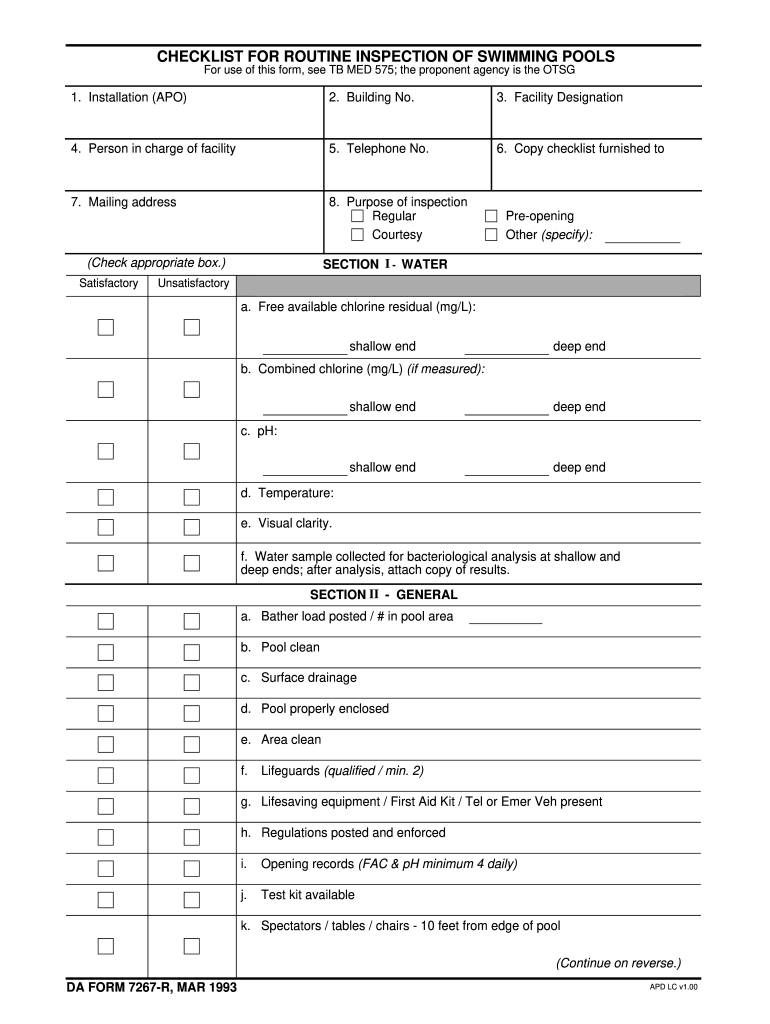
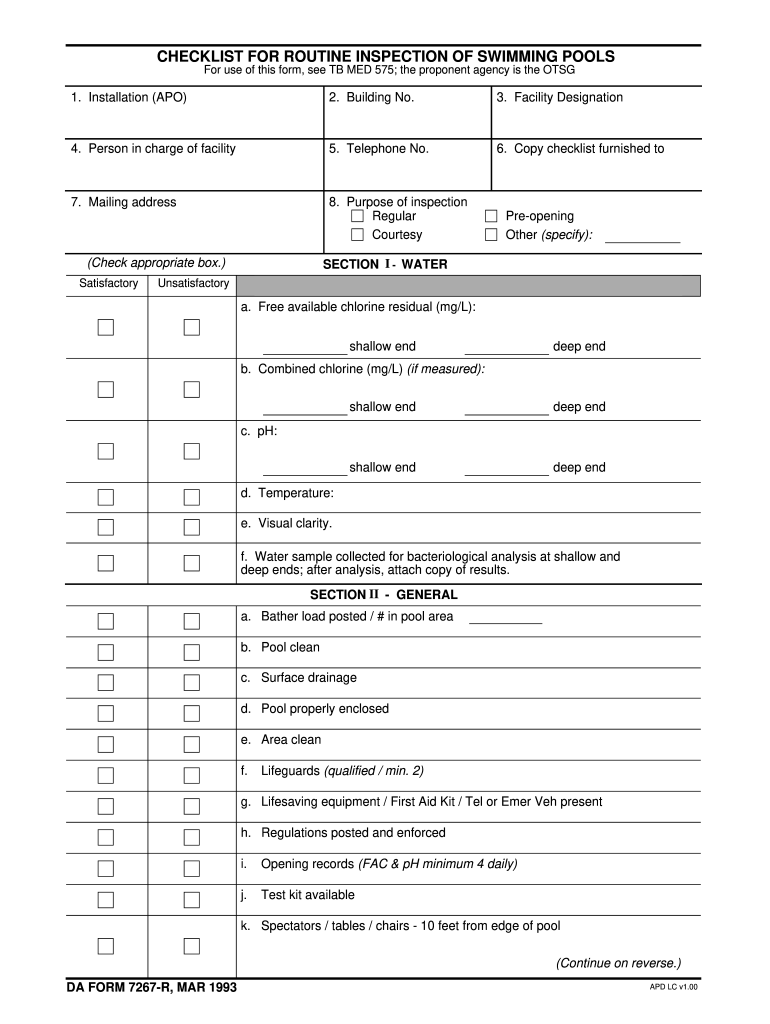
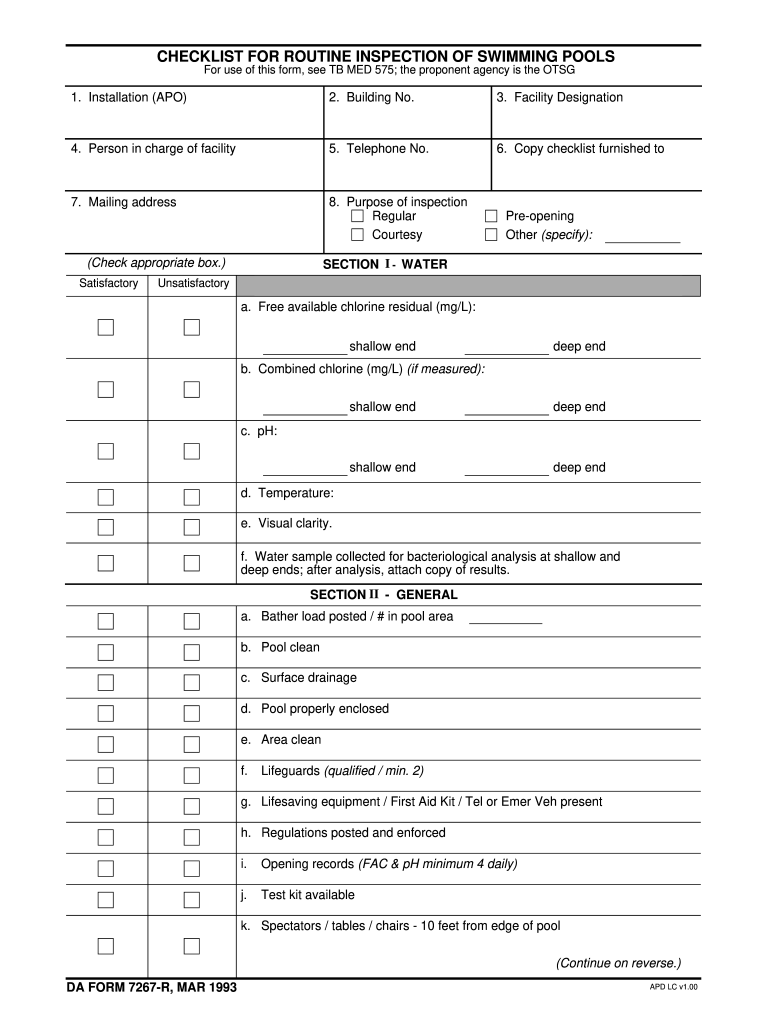
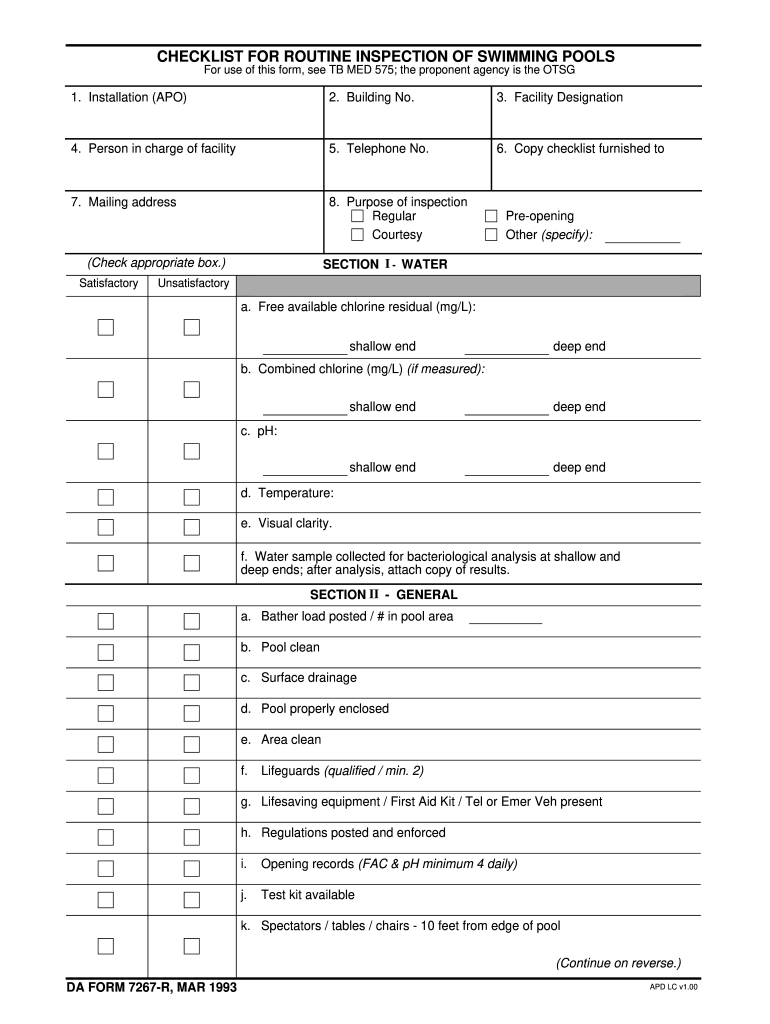
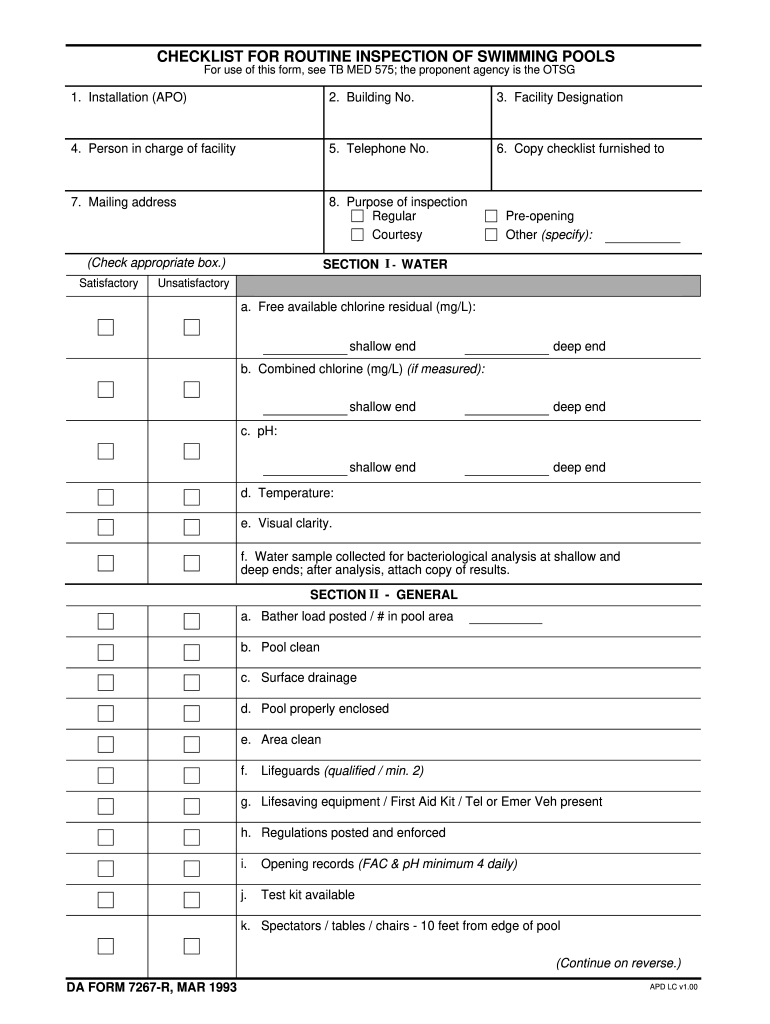
Inspectors will utilize a standardized checklist, covering all the requirements outlined in the new regulations. They’ll visually inspect the pool area, test water chemistry, and verify the functionality of safety equipment. They may also request documentation, such as maintenance records and drain cover certifications. Common violations include inadequate barriers, improper drain covers, and deficiencies in electrical bonding and grounding.
If a violation is identified, the inspector will issue a report outlining the required corrective actions. Homeowners will typically have a specified timeframe to address the violations. An appeals process will be available if a homeowner disagrees with the inspection findings. Being prepared for the inspection by proactively addressing potential issues can save time and money in the long run.
Here’s a step-by-step guide to help you prepare: 1) Review the new 2026 regulations. 2) Conduct a self-inspection using a checklist based on the regulations. 3) Address any identified deficiencies. 4) Gather maintenance records and drain cover certifications. 5) Be present during the inspection and be prepared to answer questions.
- Review the new 2026 regulations
- Conduct a self-inspection
- Address any identified deficiencies
- Gather maintenance records and certifications
- Be present during the inspection
No comments yet. Be the first to share your thoughts!