
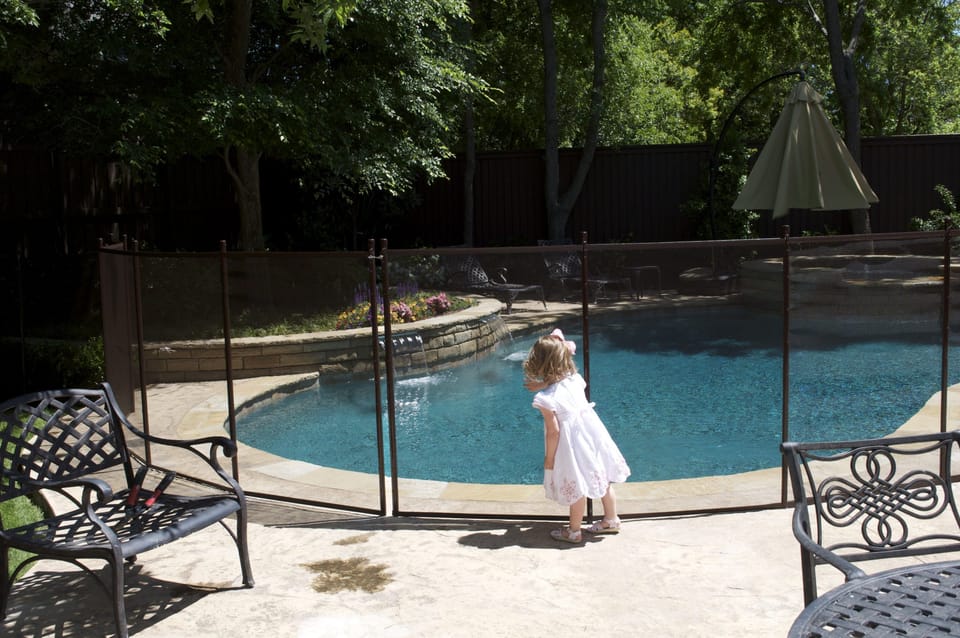

Dipping Toes into the Waters of Pool Fence Regulations 🏊♀️
Ever glanced at your backyard pool and wondered about the fence that encircles it? Like a silent guardian, it stands there, protecting your family and ensuring your peace of mind. But did you know there's a whole world of swimming pool safety guidelines and pool fence regulations that dictate its existence? Oh yes, my friends, it's a veritable ocean of rules and laws, but don't worry, we're here to help you navigate it.
Imagine this: You've just installed a sparkling new pool, a beacon of joy and relaxation in your backyard. But, without the proper fencing, it could transform into a potential danger zone. That's where pool fence regulations come into play. These rules are not merely suggestions, but legal requirements designed to ensure safety and prevent unfortunate accidents.
From the height and spacing of the fence to the type of gate used, each aspect is meticulously defined by these regulations. But fear not, with our swimming pool inspection services, we'll ensure your pool is not just a splash of fun, but also a haven of safety. So, ready to dive into the world of pool compliance requirements? Let's go!
Why Bother with Pool Fence Regulations? Here's Why! 🧐
So, why are pool fence regulations more than just a bureaucratic hoop to jump through? Let's dive in. Picture this: a bright, sunny day, laughter echoing from your backyard as your kids engage in a spirited game of Marco Polo. Now, imagine the unthinkable - a child slips unnoticed into the pool. Terrifying, isn't it? This is where pool fence regulations step in, serving as a silent guard, ensuring that such accidents are relegated to the realm of nightmares, not reality.
But it's not just about preventing accidents, essential as that is. It's about providing a safe haven for your children to explore and play, without the constant worry of them wandering into harm's way. Swimming pool safety guidelines are designed with this in mind, providing a cocoon of safety around your pool.
And let's not forget about privacy. A pool is a place of relaxation, a personal oasis. Pool fence regulations help ensure that your oasis remains just that - personal and private. By following a pool installation guide and complying with pool compliance requirements, you're not just ticking a box, you're investing in peace of mind.
So, how can you ensure your pool is up to par? Aquatic inspections are a great place to start. These swimming pool inspection services provide a thorough check of your pool's safety measures, ensuring they meet all pool fence regulations. Because at the end of the day, isn't the safety and happiness of our loved ones worth a bit of due diligence?

Decoding the Mystery: Types of Pool Fences 🕵️♂️
Ever wondered why pool fences come in a variety of materials like mesh, glass, wood, and metal? It's not just about aesthetics, my friends. Each type has its own unique set of benefits and drawbacks that can influence your swimming pool safety guidelines and compliance requirements. Let's dive in, shall we?
Mesh fences, for example, are lightweight, affordable, and easy to install. They're the Clark Kent of pool fences - unassuming but powerful in maintaining safety. However, they might not win any beauty contests next to their more glamorous counterparts.
Glass fences, on the other hand, are the supermodels of the pool fence world. They offer a sleek, modern look while providing an unobstructed view of your aquatic paradise. But remember, beauty comes at a cost. They’re pricier and require more maintenance to keep them sparkling clean.
Wood and metal fences? They're the timeless classics, offering privacy and durability. But, they may obstruct your pool view and require regular maintenance to fend off weather damage.
Choosing the right fence is like choosing the right swimsuit - it's all about finding the perfect balance between style, functionality, and meeting those pool fence regulations. Need help navigating these waters? Our swimming pool inspection services can guide you through the pool installation process to ensure your fence is up to code.
Top-Rated Pool Fences for Compliance and Safety
The ABCs of Pool Fence Regulations: Key Elements 🔑
Imagine this: It's a sunny afternoon, you're lounging by your pool, sipping a cool drink, when suddenly, a gust of wind blows open your pool gate. Loose and unsecured, it swings back and forth, a silent invitation for any wandering child or pet. That's where pool fence regulations come into play, ensuring your oasis remains a paradise, not a hazard.
Crucial elements of these regulations include the height, gate, and spacing of your pool fence. Ever wondered why fences must be at least 4 feet high? It's simple - to prevent over-the-fence excursions by adventurous toddlers or pets. Gates must be self-closing and self-latching, a feature that may have prevented our hypothetical gust-induced mishap. And spacing? Well, let's just say, it's not just about aesthetics, but also about ensuring little heads or bodies can't squeeze through.
So, whether you're diving into a new pool installation guide or seeking swimming pool inspection services, remember that each regulation is a stitch in the safety net that keeps your backyard blissful and safe.
Comparative Analysis of Pool Fence Regulations Across States
Local, State, or Federal: Whose Pool Fence Rules Rule? 🏛️
Ever wondered why your neighbor's pool fence is taller than yours? Or why the community pool has a completely different fencing style? Well, it's all about geography, my friend. Local, state, and federal pool fence regulations often differ, causing a ripple effect in your backyard oasis.
Local regulations are the closest to home, literally. They're tailored to address specific community needs and can vary from one neighborhood to the next. State laws, on the other hand, provide a broader umbrella, ensuring a minimum safety standard across all communities. But what about federal regulations? They add an extra layer of safety, especially for public pools.
These variations can impact pool owners in different ways. For instance, if you're planning to install a new pool, understanding these regulations can help you navigate the pool compliance requirements smoothly. Need help with that? Rely on trusted swimming pool inspection services to ensure your aquatic paradise is up to par.
So, next time you take a dip, remember - there's more to your pool than meets the eye. It's a symphony of regulations, all working together to keep you safe and sound. Isn't that something to dive into?
Playing by the Rules: Compliance and Penalties ⚖️
Ever wondered why you can't just toss a pool in your backyard and call it a day? It's all about safety, my friends. Pool fence regulations are not just bureaucratic red tape; they're lifesavers, quite literally. They keep our kids safe, prevent tragic accidents, and even provide a bit of privacy for your cannonball practice. But what happens when you sidestep these regulations? Well, let's dive into that.
Non-compliance with pool fence regulations isn't a small splash in the pond, it's a tidal wave of trouble. We're talking hefty fines, legal headaches, and worst of all, a pool that’s about as safe as swimming with sharks. But don't worry, Aquatic Inspections is here to help. With our top-notch swimming pool inspection services, we'll make sure your pool is up to code and as safe as a rubber ducky.
So, how do you navigate these choppy waters? Start with the basics. Follow our pool installation guide, adhere to the swimming pool safety guidelines, and most importantly, understand your local pool fence regulations. Compliance might seem like a deep end you don't want to swim into, but trust me, it's a swim worth taking.
Before we dive into the steps to ensure your pool fence meets regulations, let's address some common questions about pool fence regulation compliance and penalties for non-compliance.
Now that we've cleared up some common queries, let's dive into the steps you can take to ensure your pool fence meets all necessary regulations.
Your Pool Fence Compliance Checklist: Step-by-Step Guide 📝
So, you've traversed the labyrinth of pool fence regulations, swam through a sea of types and styles, and now you're ready to ensure your pool fence is up to code. But where do you start? Let's dive into the deep end together, shall we?
Firstly, make sure your fence is the right height. Too low, and it might as well be a stepping-stool for any mischievous kiddos. Next, check the gate. Does it self-close? Self-latch? It's not just about keeping the water in, it's about keeping the uninvited out. Finally, the spacing. You don't want any gaps that could become accidental entry points.
Feeling a bit overwhelmed? Don't worry, our swimming pool inspection services are here to help. We'll make sure your pool is more than just a splash of fun, but also compliant with all pool compliance requirements. Remember, it's not just about avoiding fines, it's about ensuring safety. So, let's make every pool a safe haven, one fence at a time.
Now that we've discussed the importance of pool fence regulations, let's dive into how you can ensure your fence is up to par. Here's a step-by-step guide to help you measure your pool fence accurately:
Measuring Your Pool Fence: A Step-by-Step Guide


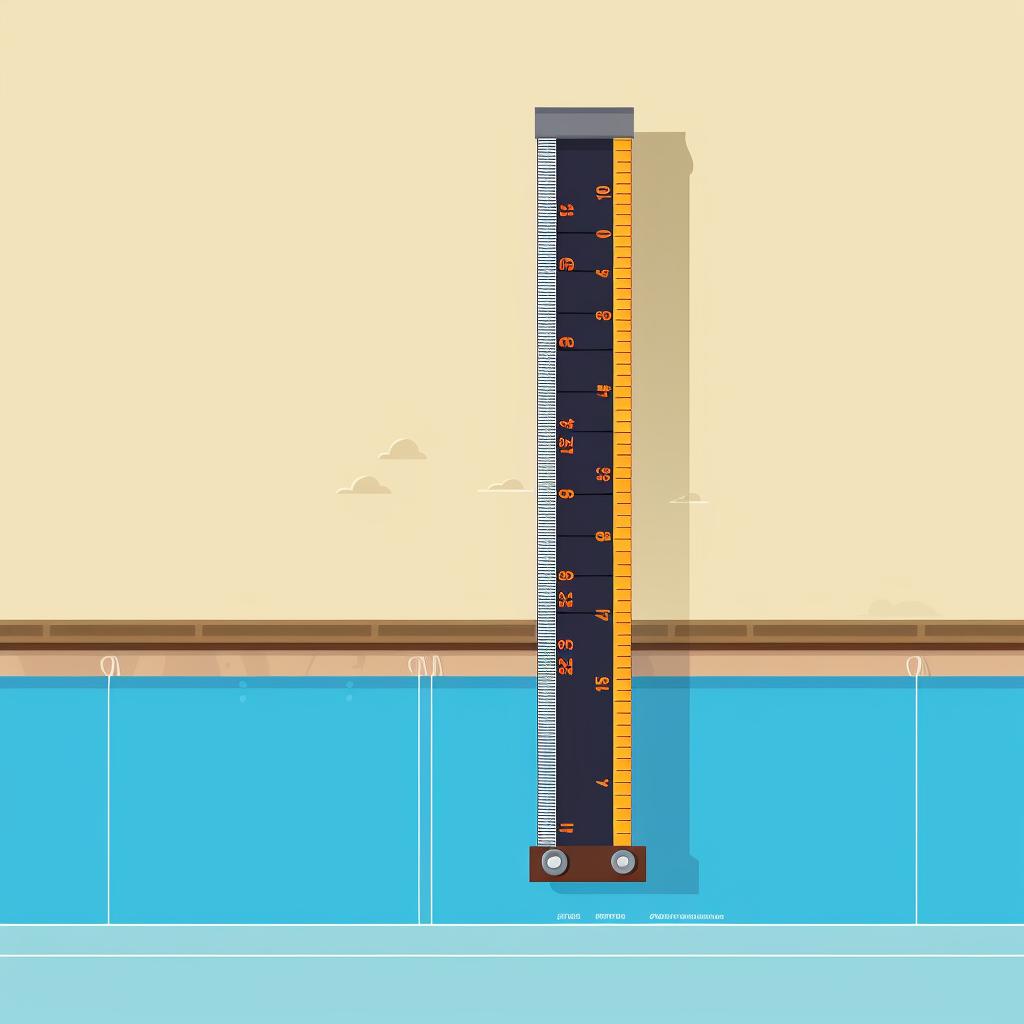


Learn more about 📏 Measuring Your Pool Fence: A Step-by-Step Guide or discover other Aquatic Inspections guides.
With these measurements in hand, you're now equipped to ensure your pool fence meets all necessary regulations. Remember, safety comes first. Now, let's move on to our checklist to help you keep track of your pool fence's compliance.
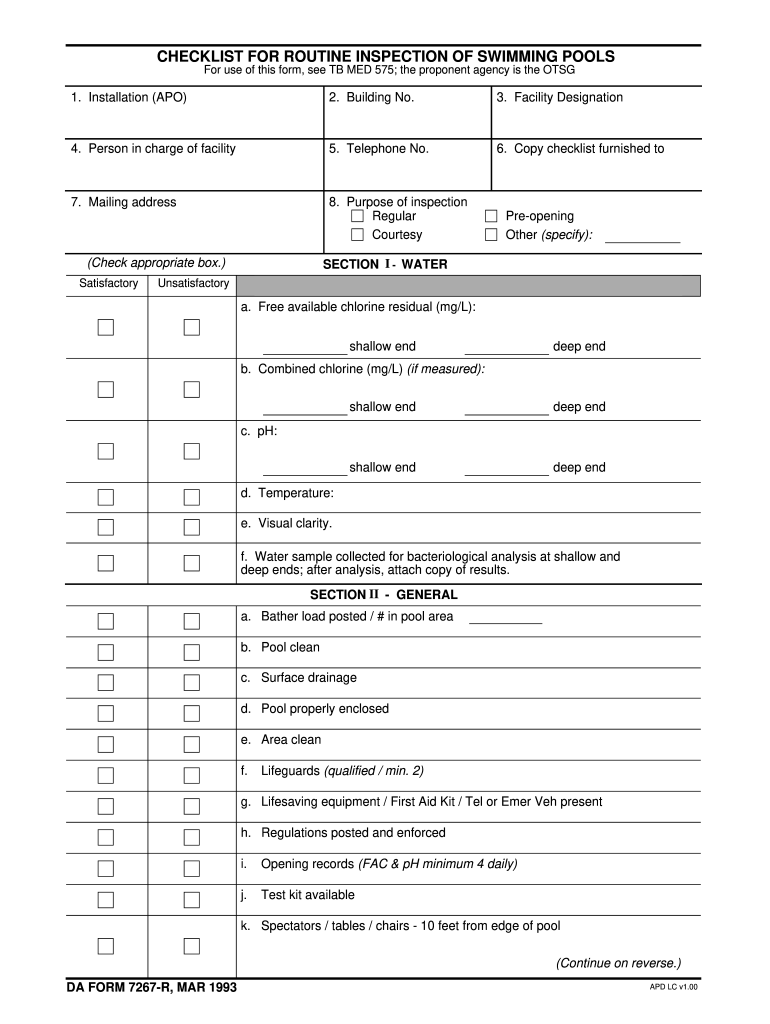
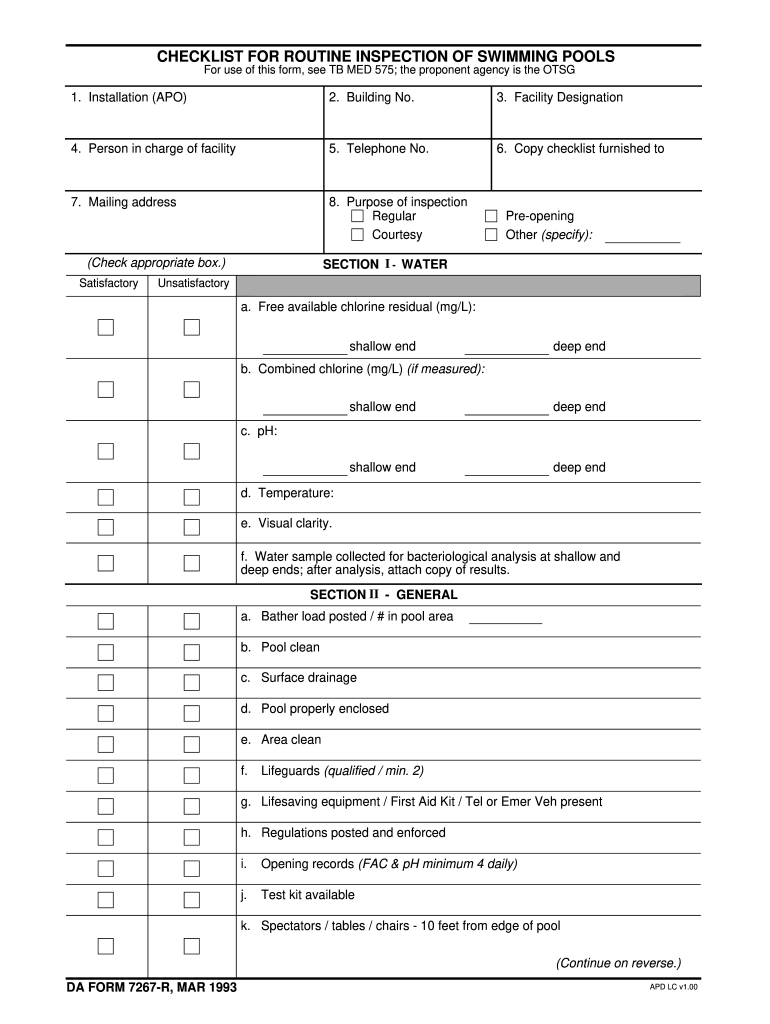
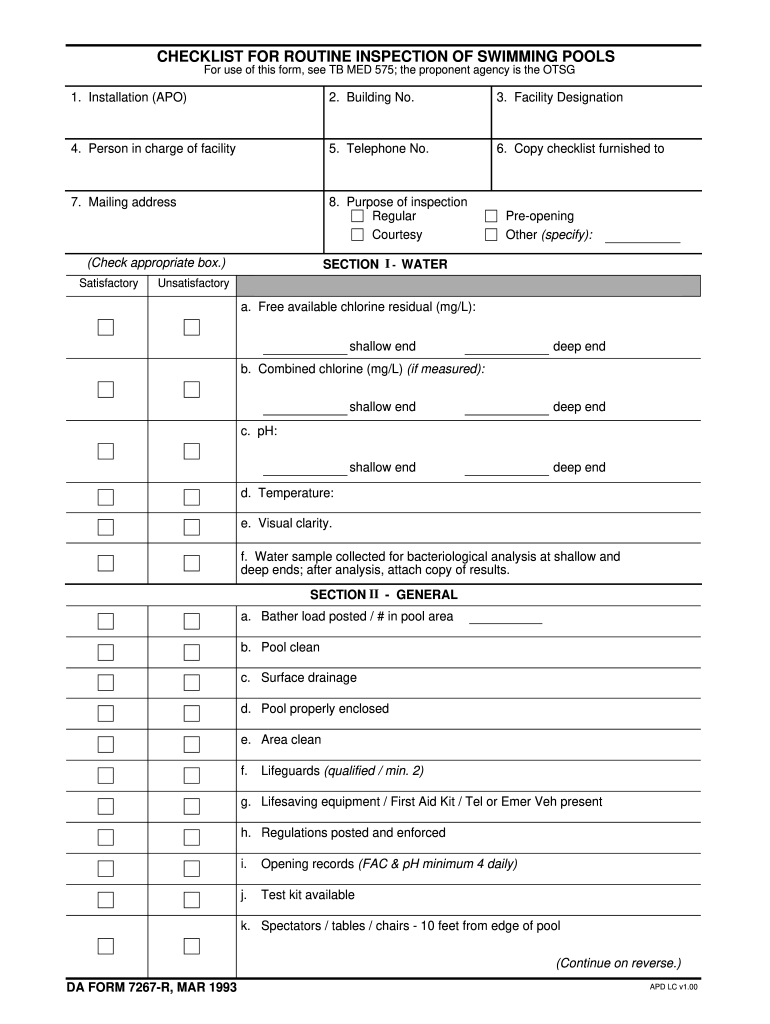
Now that you've learned how to measure your pool fence, let's see if it meets all the necessary regulations. Use this handy checklist to ensure your fence is up to code.
Remember, keeping your pool fence in compliance with regulations not only ensures safety but also helps you avoid potential penalties. Stay safe and enjoy your pool!
No comments yet. Be the first to share your thoughts!