
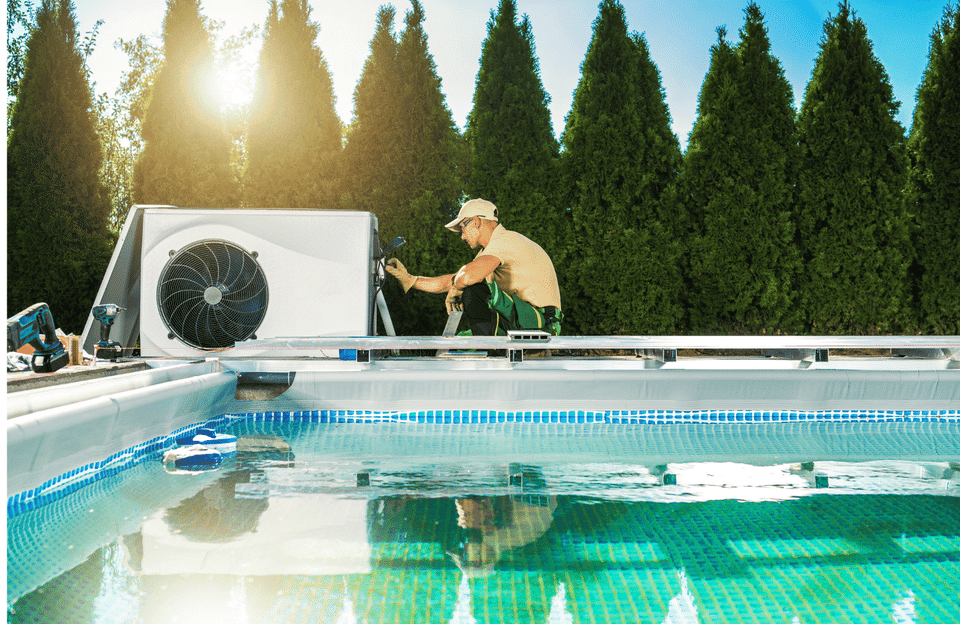

Dip Your Toes into the World of Pool Heaters 🏊♂️
Imagine this: a balmy evening, the sun is setting, and you're about to take a dip in your pool. But, brrr! The water is frigid. That's where a pool heater comes in. Choosing the right pool heater is more than just a luxury, it's an essential part of your swimming pool experience. It's about extending those summer vibes into the cooler months and making the most of your investment.
But how do you ensure you're choosing the best pool heater for your needs? With a myriad of options available, from gas to solar, it's not always a straightforward decision. This guide will walk you through the process, providing pool maintenance tips and a comprehensive pool heater installation guide. Whether you're looking for the best way to install a Pentair pool heater or a Hayward pool heater user manual, we've got you covered.
Remember, the right pool heater can transform your swimming experience, providing comfort and enjoyment all year round. So, let's dive in, shall we? Here are some effective ways to keep your pool warm.
What's Your Pool Whispering? 🤔 Understanding its Heating Needs
Like a bespoke suit tailored to your exact measurements, your pool heater should be a perfect fit for your pool's unique needs. The size of your pool is the first factor to consider. A heater that's too small will struggle to warm your pool, while an oversized heater might lead to unnecessary energy consumption. Our step-by-step guide to pool installation can help you determine your pool's dimensions.
Next, consider your pool's location. Is it basking in the sun or hiding in the shade? This will influence whether a solar heater would be efficient or if you should opt for a different type. Lastly, how often you use your pool and at what times of the year can help you decide between a standard and an energy-efficient heater. After all, the best way pool heater is the one that caters to your specific needs, right?
For a more in-depth look at pool maintenance, check out our pool maintenance tips and ensure that your pool remains a refreshing oasis all year round.
Before you choose a pool heater, you need to know the volume of your pool. Use our calculator below to estimate this.
Learn more about 🏊 Pool Volume Calculator or discover other Aquatic Inspections calculators.
Now that you know the volume of your pool, you can proceed to choose the right heater for your pool.
Meet the Heat Makers: Unveiling Different Types of Pool Heaters 🔥
When it comes to heating your pool, there's no one-size-fits-all solution. Each type of pool heater has its unique characteristics, and choosing the right one requires a careful consideration of your pool's specific needs. Let's dive into the world of pool heaters, shall we?
First off, we have gas heaters, the speed demons of pool heating. They warm your pool quickly but can be heavy on the pocket due to high fuel costs. Then there's the electric heaters, reliable and consistent, but they do take their sweet time. For those leaning towards green solutions, solar heaters are your best bet. They harness the sun's power, resulting in significant energy savings over time. Lastly, we have heat pumps - the tortoises of the race. They're slow to heat but incredibly energy efficient, making them perfect for those who keep their pools open year-round.
Want to learn more about pool heater installation? Check out our comprehensive guide or have a look at our energy efficiency tips to keep your pool warm without breaking the bank.
Comparison of Pool Heaters: Gas, Electric, Solar and Heat Pump
Now that we've explored the different types of pool heaters, let's compare them side by side. This will help you understand their features, pros, cons, and average costs, enabling you to make an informed decision.
| Type of Heater | Features | Pros | Cons | Average Costs |
|---|---|---|---|---|
| Gas Heater | Fast heating, works independently of the weather | 👍 Quick heat-up time 👍 Works in any weather | 👎 High operational costs 👎 Not very energy efficient | $1,500 - $2,500 |
| Electric Heater | Reliable, consistent heating | 👍 Lower operational costs than gas 👍 Works in any weather | 👎 Slower heat-up time 👎 Higher energy consumption | $1,000 - $3,000 |
| Solar Heater | Uses solar energy, eco-friendly | 👍 Very low operational costs 👍 Environmentally friendly | 👎 Dependent on sunny weather 👎 Slowest heat-up time | $3,000 - $4,000 |
| Heat Pump | Efficient, uses ambient air | 👍 Energy efficient 👍 Lower operational costs | 👎 Slower heat-up time 👎 Performance varies with weather | $2,000 - $4,500 |
As you can see, each type of pool heater has its own strengths and weaknesses. Your choice will depend on your specific needs, budget, and environmental considerations. In the next section, we'll delve deeper into energy efficiency and the environmental impact of these heaters.
Are You Warming Your Pool or Warming the Planet? 🌍 Energy Efficiency and Eco-Impact
Imagine this: it's a chilly evening, but you're comfortably swimming in your warm, heated pool. Sounds perfect, right? But what if this comfort is costing the earth? Energy efficiency is key when choosing the right pool heater. Not only can it save you money on utility bills, but it also reduces your carbon footprint. Solar heaters are the champions of energy efficiency, harnessing the sun's power to warm your pool. However, heat pumps, while initially more expensive, offer high efficiency and lower operating costs over time.
On the flip side, gas heaters, although providing quick heat, tend to have lower energy efficiency ratings. But what about the environmental impact? Gas heaters emit greenhouse gases, while electric heaters contribute to carbon emissions indirectly. Solar heaters and heat pumps, however, have minimal environmental impact. So, are you choosing a pool heater or are you choosing the future of our planet?
Energy Efficiency Comparison of Different Pool Heaters
Keep the Heat On: Maintenance Tips and Durability of Pool Heaters 🔧
Just like a well-oiled car, your pool heater needs regular maintenance to ensure it runs smoothly and efficiently. The best pool heaters not only heat your pool to your desired temperature but also stand the test of time. But how do you ensure your heater's longevity?
Firstly, maintenance varies with the type of heater. Gas heaters, for instance, require annual servicing by a professional to clean and adjust the burners for optimal efficiency. Regular water chemistry checks are crucial too, as imbalanced water can damage your heater's components.
When it comes to durability, solar heaters win the race, lasting up to 20 years with minimal maintenance. Electric heat pumps and gas heaters, on the other hand, have a lifespan of 10-15 years. Remember, a well-maintained heater not only lasts longer but also keeps your pool inviting, no matter the season. Regular inspections can help catch issues early and extend your heater's life. Now, isn't that a warm thought?
Pool Heater Maintenance and Durability Quiz
Test your knowledge on the maintenance and durability of different types of pool heaters.
Learn more about 🔥 Take Our Pool Heater Maintenance and Durability Quiz 🔥 or discover other Aquatic Inspections quizzes.
The Final Plunge: Choosing Your Perfect Pool Heater 🎯
So, you've dived deep into the world of pool heaters, surfed through the sea of options, and are now ready to make your selection. Remember, the best pool heater for you is one that complements your lifestyle, meets your pool's needs, and aligns with your environmental consciousness. Whether you're leaning towards a solar heater, curious about the installation of a Pentair heater, or considering the energy efficiency of other options, your choice should ultimately be based on careful consideration and thorough inspection.
Think about it: a pool heater is more than just a feature, it's a commitment to an enhanced pool experience. And you, as a responsible pool owner, are at the helm of this decision. Ask yourself, "What is the best way to illuminate my pool experience?" The answer may just be in the right pool heater.
As you journey through the waters of pool maintenance, remember that a pool is not just a body of water, but a vessel for memories. Be it a sun-kissed summer splash or a starlit swim, the right pool heater can turn your pool into a year-round haven. Ready to make waves? Check out our pool maintenance tips to keep your pool in top shape, no matter the season.
Before you dive into the pool heater market, take a moment to go through our checklist. It will help you consider all the important factors, ensuring you make the best choice for your swimming pool.
Now that you've gone through the checklist, you're better equipped to make an informed decision. Don't forget to check out our FAQ section if you have any more questions about pool heaters.
Now that we've gone through the checklist of key factors to consider before purchasing a pool heater, you might have some questions. Here are some frequently asked questions that might help you make your decision.
We hope these FAQs have helped clarify some of your doubts. Remember, the right pool heater for you depends on your specific needs and lifestyle. Happy swimming!
No comments yet. Be the first to share your thoughts!