

Pool efficiency in 2026
I'm seeing more homeowners prioritize efficiency for 2026. It isn't just about the rising cost of electricity; there is a genuine shift toward lower consumption. People want to keep their pools warm without the guilt or the massive utility bill that usually follows.
Regulations are beginning to reflect this shift, too. While widespread mandates aren't yet the norm, several states and municipalities are starting to implement stricter energy efficiency standards for new pool construction and renovations. This is often seen in areas with high energy demand or a strong commitment to sustainability.
Solar heating and heat pumps are the two best ways to cut costs. You'll pay more upfront than you would for a standard gas heater, but the monthly savings are real. If you plan the installation correctly, the system eventually pays for itself.
Solar heating options
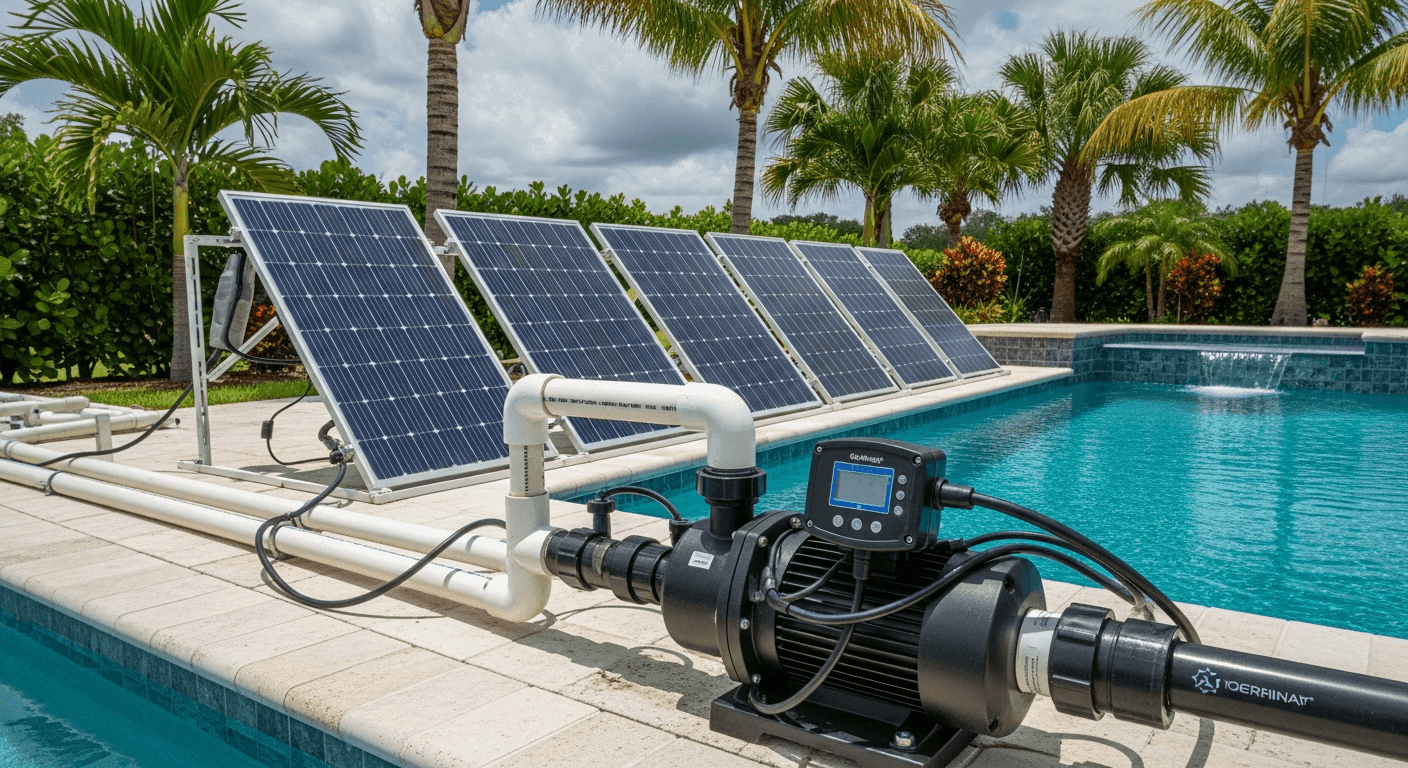
Solar pool heating systems use the sun’s energy to directly heat your pool water, and they’ve come a long way from the early, less efficient models. There are several types of solar collectors available, each with its strengths and weaknesses. Unglazed collectors are the most affordable and work well in warmer climates with minimal freezing temperatures.
Glazed collectors, which have a glass cover, are more efficient and can perform better in cooler climates. They’re also better at preventing heat loss at night. Evacuated tube collectors are the most efficient, but also the most expensive. They use a vacuum to insulate the tubes, maximizing heat absorption and minimizing heat loss – they can be a good choice for areas with consistently cold weather.
Efficiency is typically measured by a percentage, indicating how much of the solar energy is transferred to the pool water. Proper sizing and orientation of the collectors are absolutely critical for optimal performance. A south-facing roof with an unobstructed view of the sun is ideal. The angle of the collectors should also be adjusted based on your latitude. Factors influencing installation costs include the size of your pool, the type of collector chosen, and the complexity of the roof installation.
I’ve seen systems where homeowners attempted DIY installations, only to find they hadn’t properly accounted for shading or roof angles. It’s almost always best to work with a qualified installer who can assess your specific situation and recommend the right system.
Someone built an OpenClaw agent that sells pool installation on autopilot.
— mitsuri (@0xmitsurii) April 13, 2026
Finds $500-$1.2M homes without pools. Renders a pool in their backyard and mails a before and after postcard. pic.twitter.com/blsW4Gjb7n
How heat pumps work
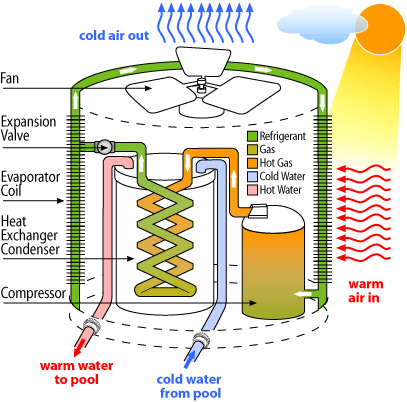
Heat pumps don’t create heat; they transfer it from one place to another. In the case of a pool heat pump, it extracts heat from the surrounding air and transfers it to the pool water. This process is significantly more energy-efficient than directly heating water with gas or electricity.
There are three main types of heat pumps: air-source, water-source, and geothermal. Air-source heat pumps are the most common and affordable, drawing heat from the air. Water-source heat pumps use a nearby body of water as a heat source, and geothermal heat pumps tap into the earth’s constant underground temperature. Geothermal is the most efficient, but also the most expensive to install.
Efficiency is measured by the Coefficient of Performance (COP). If a unit has a COP of 5, it puts out five units of heat for every one unit of electricity it uses. Don't believe the myth that these only work in the tropics. Modern units still pull heat from the air even when it's chilly outside, though they do have to work a bit harder.
Recent advancements in heat pump technology include variable-speed compressors and smart controls, which further enhance efficiency and allow for more precise temperature regulation. These features can make a significant difference in your energy bills.
Solar Pool Heating vs. Heat Pumps: A Comparative Overview
| Initial Cost | Operating Cost | Environmental Impact | Climate Suitability | Maintenance | Lifespan |
|---|---|---|---|---|---|
| Moderate | Low | Excellent | Good | Fair | 10-20 years |
| High | Moderate | Good | Excellent | Moderate | 10-15 years |
Illustrative comparison based on the article research brief. Verify current pricing, limits, and product details in the official docs before relying on it.
Using solar and heat pumps together
Combining solar panels with a heat pump system is a powerful way to maximize energy savings and reduce your carbon footprint. Solar panels generate electricity, which can then be used to power the heat pump, offsetting your electricity consumption and potentially eliminating your pool heating energy costs.
For homeowners with grid-tied solar systems, net metering allows you to send excess electricity back to the grid and receive credit on your bill. This can be particularly beneficial during the summer months when solar production is high and your heat pump is running frequently. Battery storage is another option, allowing you to store excess solar energy for use at night or during cloudy days, providing greater energy independence.
This integrated approach is more complex than installing either system alone, requiring careful planning and coordination between the solar and pool heating installers. You’ll need to ensure that your solar system is sized appropriately to meet the energy demands of the heat pump. It’s a significant upfront investment, but the long-term benefits can be substantial.
I've seen homeowners reduce their pool heating costs to almost zero with this combination, making it a very attractive option for those committed to sustainability.
Texas-Specific Considerations
Texas presents some unique challenges and opportunities for energy-efficient pool installations. The state's hot summers mean pools are used for a longer portion of the year, increasing energy consumption. High energy rates also make efficiency a priority for many homeowners. The Texas Department of State Health Services (dshs.texas.gov) provides regulations for public swimming pools and spas, though these may not directly impact residential installations, they highlight the state’s focus on pool safety.
The state’s energy grid, particularly its vulnerability during extreme weather events, is another factor to consider. Integrating solar power with battery storage can provide greater energy resilience, allowing you to continue heating your pool even during grid outages. Several local utilities offer rebates and incentives for energy-efficient upgrades, including solar panels and heat pumps – it's worth checking with your provider.
In Texas, the sun is brutal on equipment. You need to clean solar panels often or the dust and grime will tank your efficiency. I recommend getting a local inspector to look at the equipment pad once a year to catch leaks before they ruin the pump.
The relatively low cost of natural gas in some parts of Texas can make gas heaters seem attractive, but the long-term operating costs are typically higher than solar or heat pump systems.
Maintenance and Longevity
Both solar pool heating and heat pump systems require regular maintenance to ensure optimal performance and longevity. Solar collectors should be inspected annually for leaks, cracks, and debris buildup. Regular cleaning is essential, especially in areas with high dust or pollen levels. I’ve found that a simple garden hose can be effective for removing most debris.
Heat pumps require periodic cleaning of the air filter and condenser coils. It’s also important to check the refrigerant levels and ensure that the unit is properly lubricated. Most heat pump manufacturers recommend professional servicing every 1 to 3 years.
The expected lifespan of a solar pool heating system is typically 15 to 20 years, while a heat pump can last 8 to 15 years with proper maintenance. Common issues with solar collectors include leaks and corrosion, while heat pumps can experience compressor failures or refrigerant leaks.
Addressing problems promptly can prevent minor issues from escalating into major repairs. Keeping a detailed maintenance log can help you track your servicing and identify potential problems before they become critical.
- Check solar collectors for cracks and leaks every spring.
- Clean solar collectors regularly.
- Hose down the air filters and condenser coils on your heat pump.
- Check heat pump refrigerant levels.
No comments yet. Be the first to share your thoughts!