

Types of Pool Filters
When it comes to maintaining crystal clear pool water, understanding the Types of Pool Filters is crucial. Pool filters are the unsung heroes of your swimming pool, working tirelessly to keep your water clean and safe. There are three main types of pool filters that you might come across: sand filters, cartridge filters, and diatomaceous earth (DE) filters.
Sand Filters are the most common type of pool filter. They use a special type of sand to trap dirt and debris. When the water passes through the sand, the tiny particles get caught, leaving you with clean, clear water. 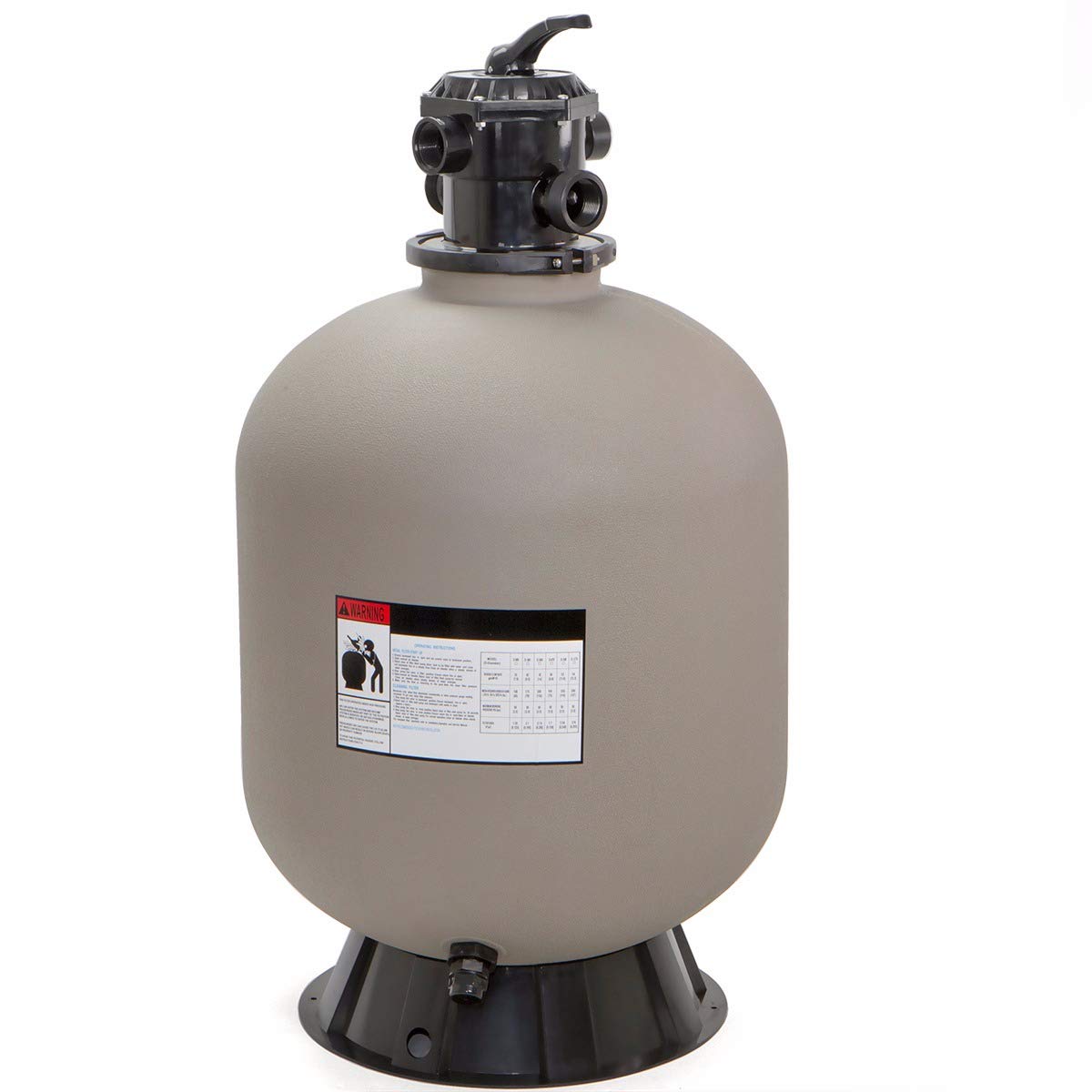
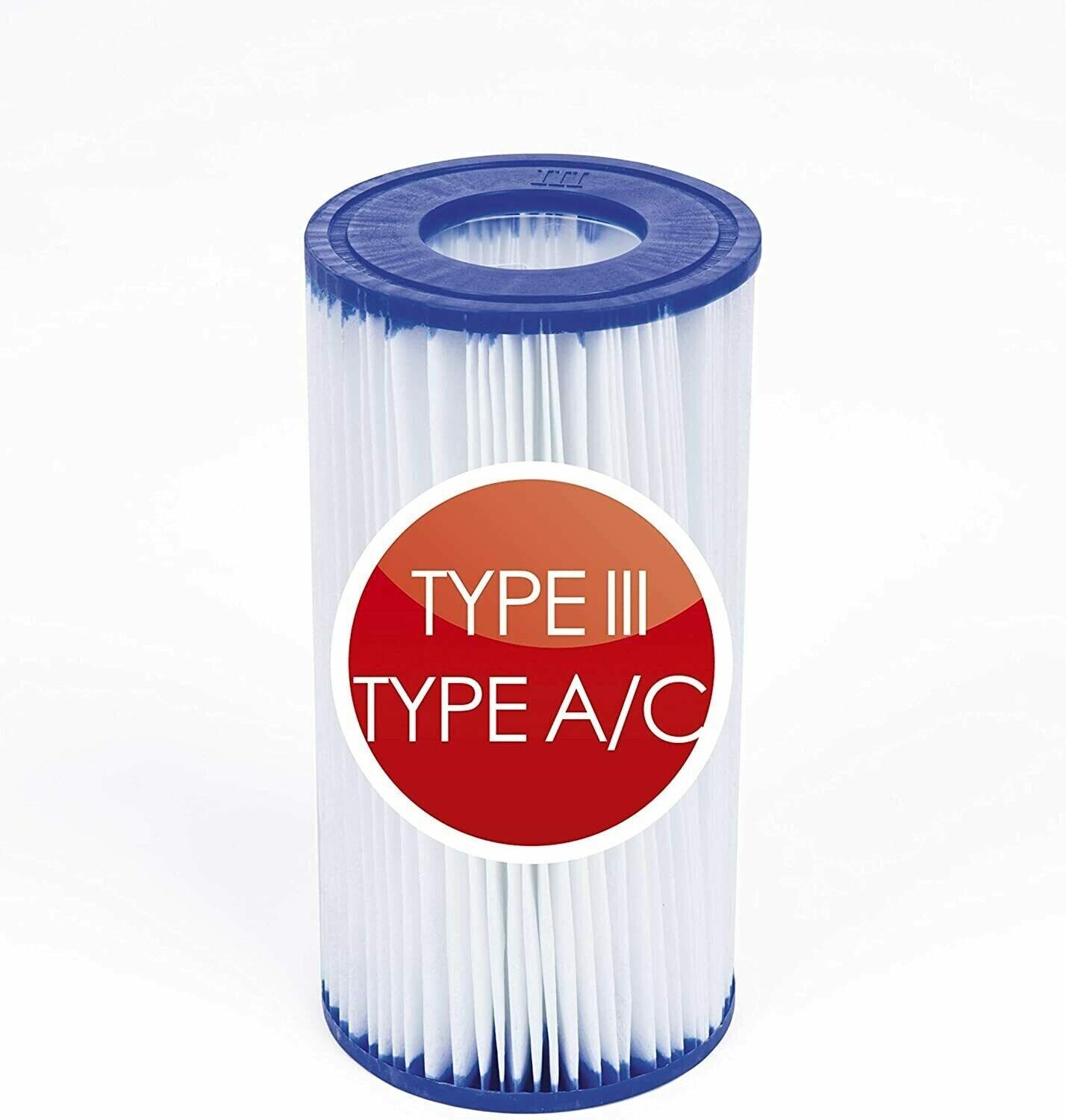
Cartridge Filters, on the other hand, use a paper-like material to filter out impurities. They have a larger surface area than sand filters, which means they can catch more debris and need less frequent cleaning. 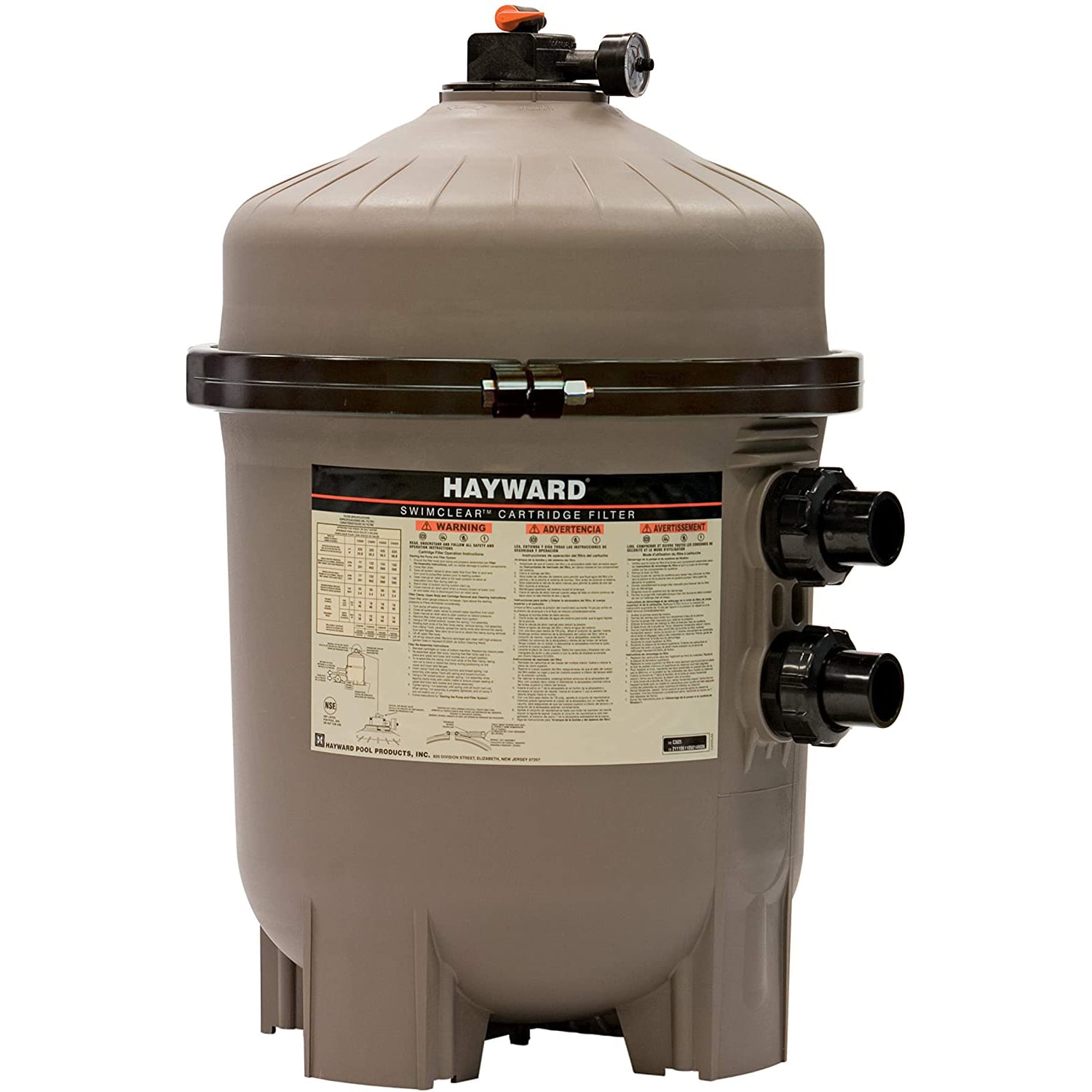
Diatomaceous Earth (DE) Filters are considered the most efficient filters. They use a powdered form of fossilized remains of diatoms, a type of hard-shelled algae, to filter out even the smallest particles. 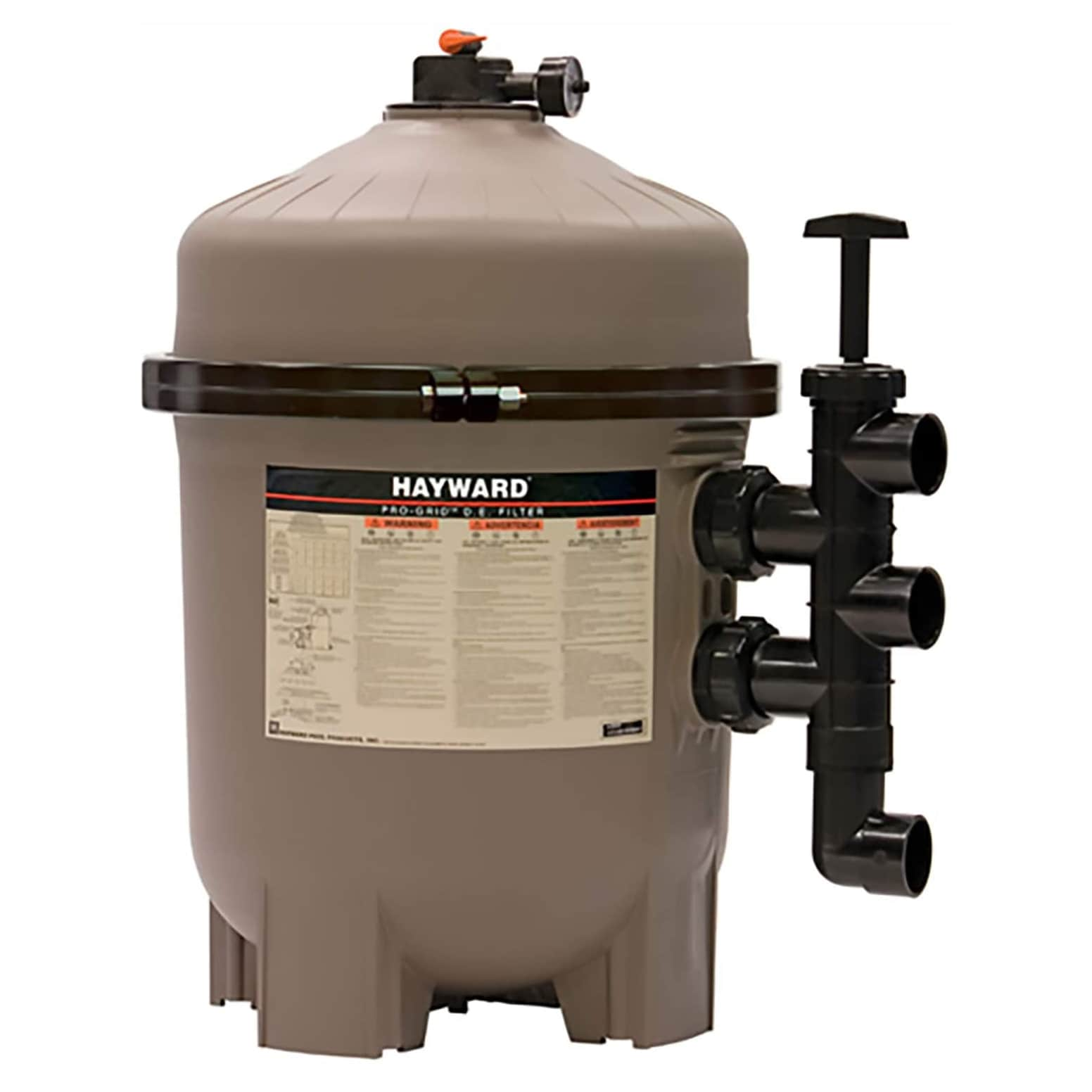
Each filter type has its own set of pros and cons, and the best one for you will depend on your pool's size, usage, and your personal preference. Regardless of the type, regular pool filter maintenance is key to ensuring your pool stays clean and safe. Stay tuned for our guide on how to clean a pool filter in the next section.
How to Clean a Pool Filter
Now that we've explored the different types of pool filters, let's dive into the heart of the matter - how to clean a pool filter. Regardless of the type of filter you have, regular cleaning is essential to maintain its efficiency and prolong its lifespan. Here's a simple step-by-step guide to help you navigate through this process.
Sand Filters: Begin by turning off the pool pump. Next, set the filter valve to 'backwash' and run the pump until the water in the sight glass runs clear. After backwashing, set the valve to 'rinse' and run the pump for about a minute. Finally, turn the pump off and set the valve back to 'filter'. 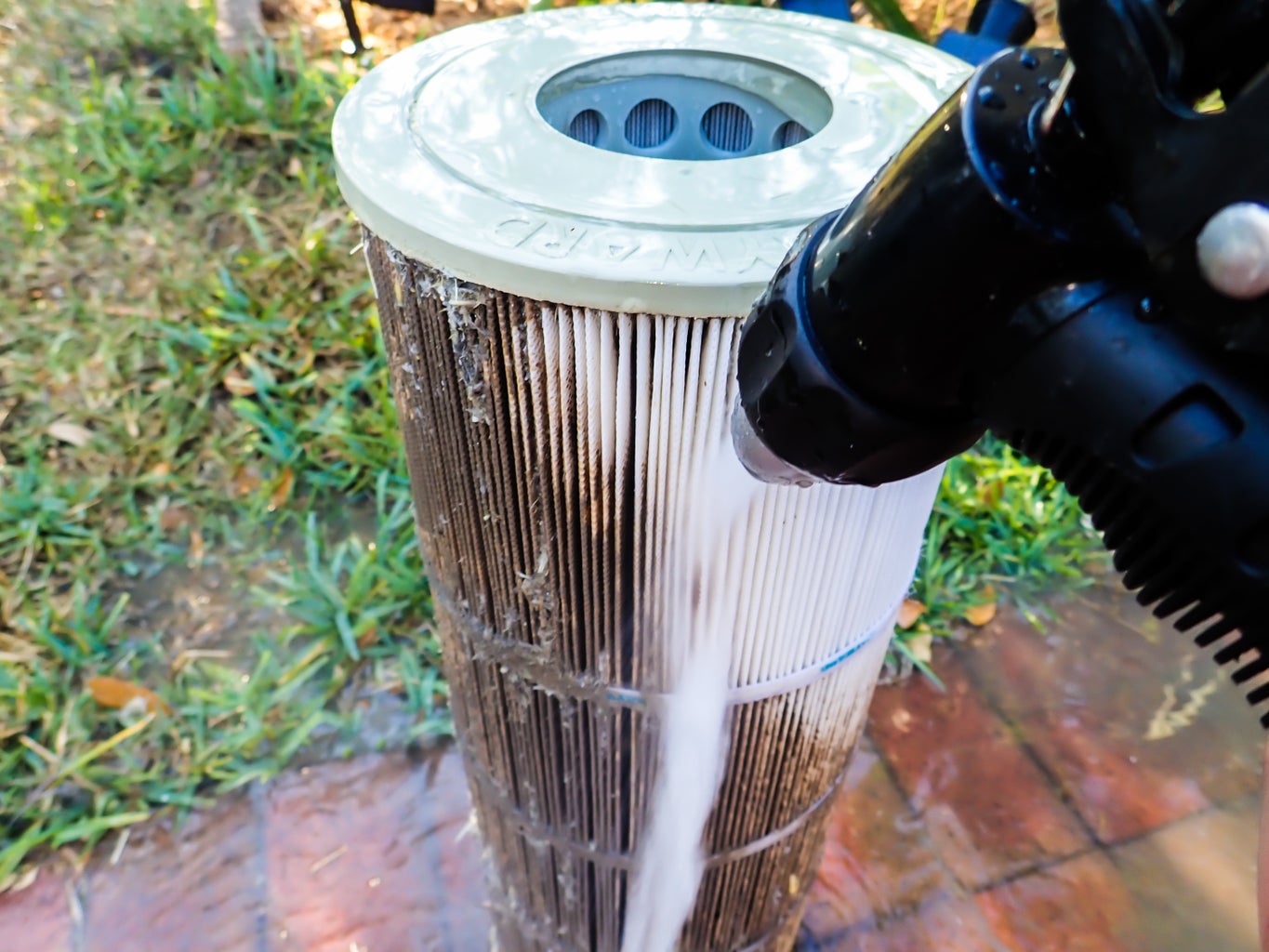
Cartridge Filters: Start by turning off the pool pump and removing the filter. Rinse it thoroughly with a garden hose, ensuring you clean between the pleats. If the filter is particularly dirty, you may need to soak it in a filter cleaner overnight. Once clean, replace the filter and turn the pump back on. 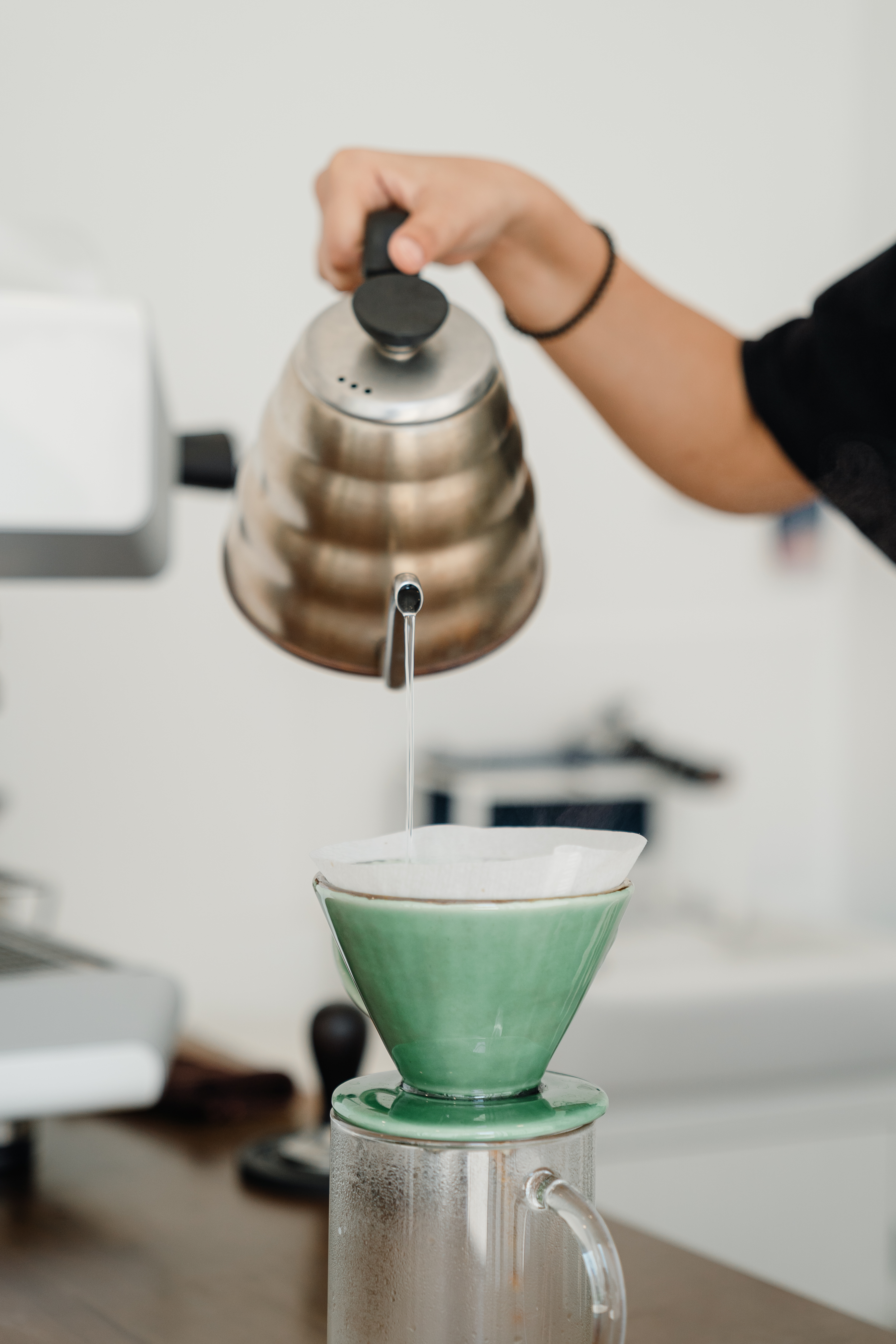
Diatomaceous Earth (DE) Filters: Similar to sand filters, you'll need to backwash a DE filter to clean it. After backwashing, you'll need to add fresh DE to the filter. Always remember to turn off the pump before changing settings on the filter valve. 
Remember, regular pool filter maintenance is key to maintaining clear pool water. It's recommended to clean your pool filter every 4-6 months, but this can vary depending on your pool's usage and the type of filter you have. If you're unsure, don't hesitate to reach out to a pool inspection and maintenance professional for advice.
Tips for Maintaining Clear Pool Water
Now that we've covered the basics of how to clean a pool filter, let's move on to some additional tips to help you maintain crystal clear pool water. Remember, a well-maintained pool is not only more inviting, but it also requires less effort and cost in the long run.
Regular Skimming and Scrubbing: Skimming leaves and debris off the surface of the water is a no-brainer, but it's also important to scrub the sides of the pool to prevent algae build-up. A simple scrub brush should do the trick for most pools, but for stubborn spots, you might need to invest in a pool vacuum or an automatic pool cleaner.

Check and Maintain Water Level: The water level in your pool will naturally decrease due to evaporation and pool usage. If the water level gets too low, the pump can run dry and burn up. To avoid this, make sure the water level never falls below the level of the skimmer. If the water is too low, simply use a garden hose to add the necessary amount of water.
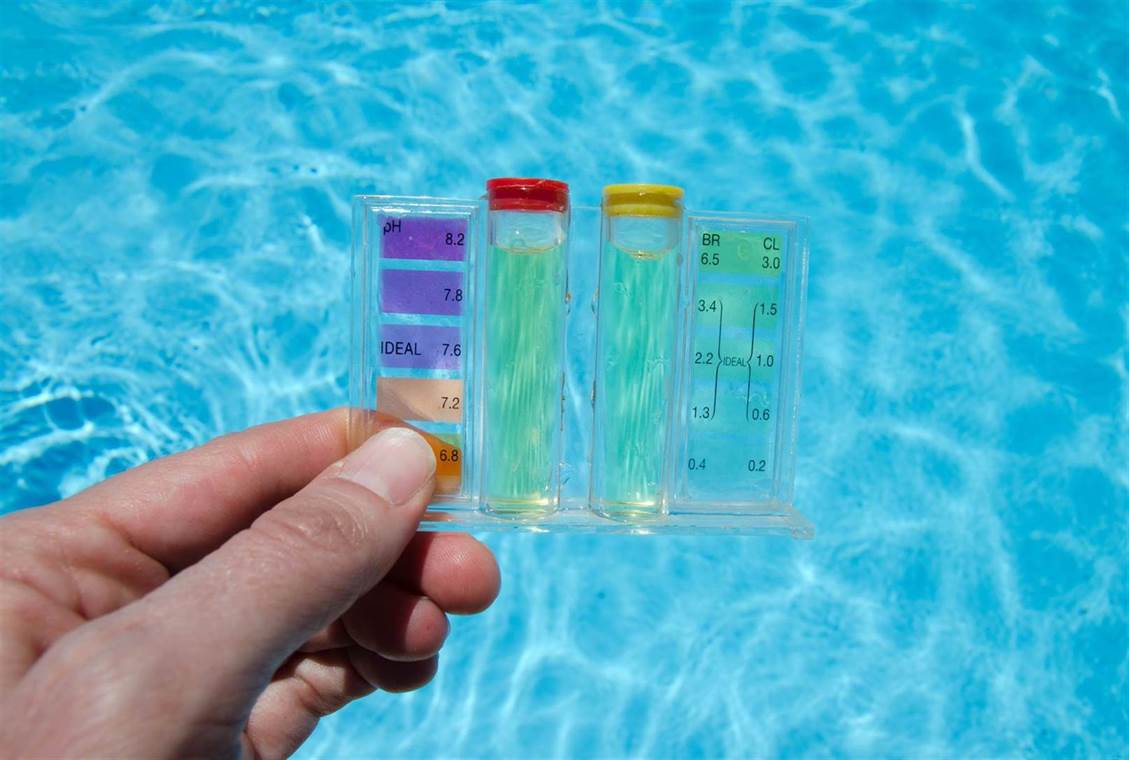
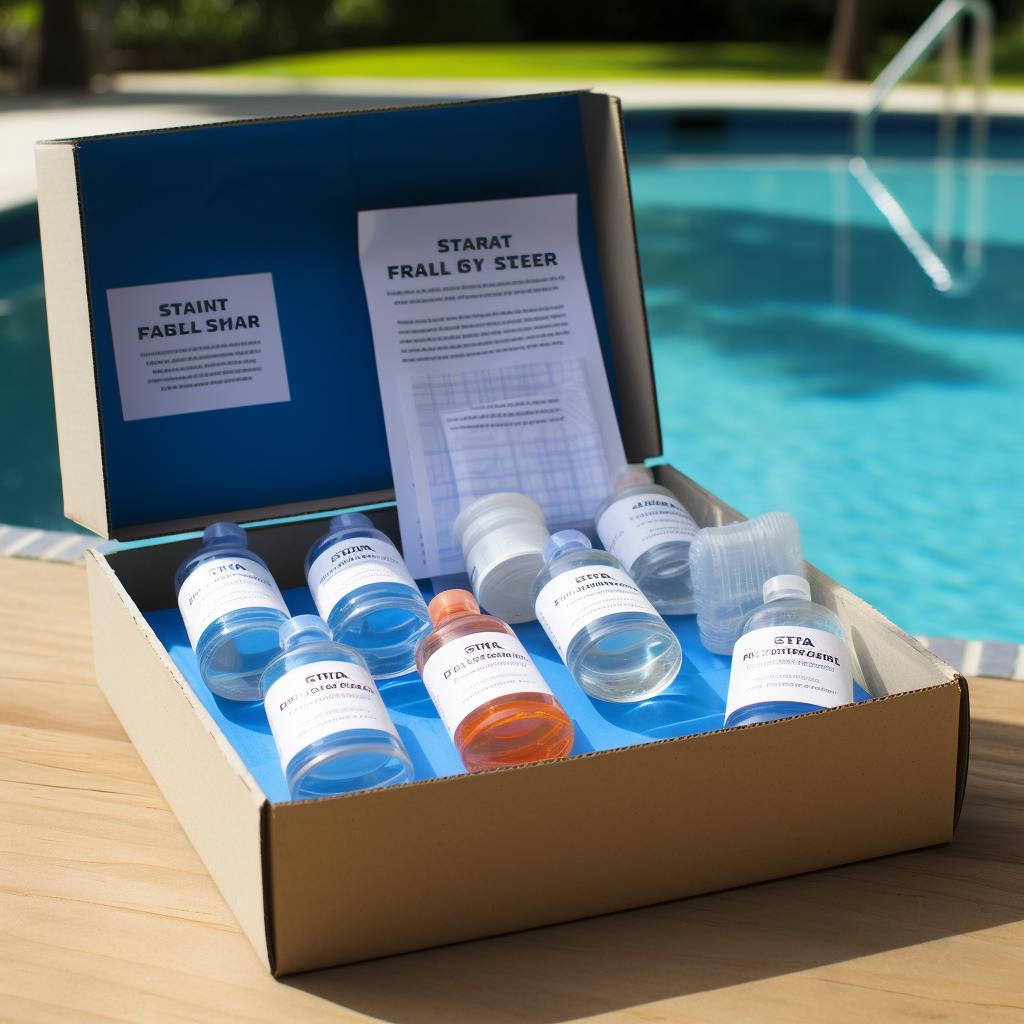
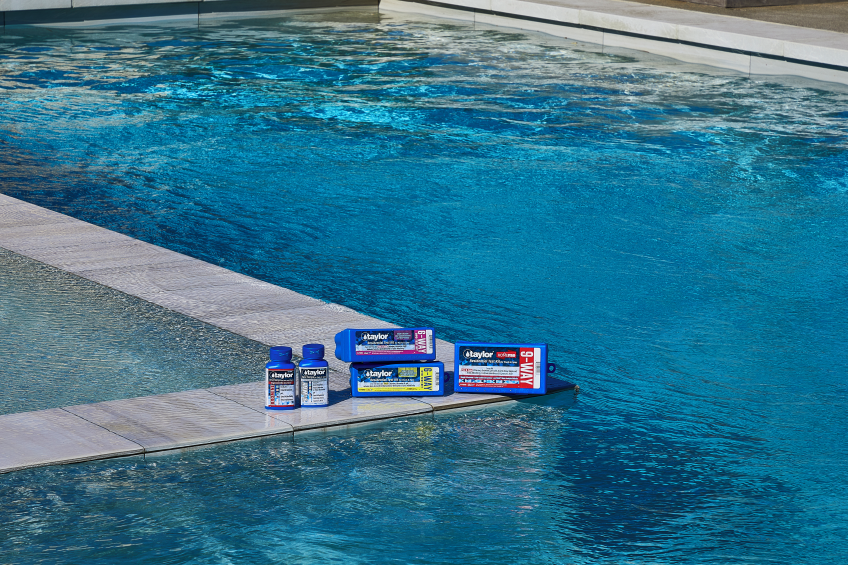
Monitor and Adjust Pool Chemistry: Regularly testing your pool's water and maintaining the proper chemical balance is crucial to keeping the water clear and safe. This includes monitoring the pH level, alkalinity, and sanitizer levels. If you're unsure about how to adjust your pool's chemistry, consider hiring a pool maintenance professional.
Run Your Filter Regularly: Your pool filter is designed to remove small particles from the water, so running it regularly is key to maintaining clear water. The more you run your filter, the fewer chances algae and bacteria have to take hold.
Remember, maintaining clear pool water is not a one-time task but a regular commitment. If you're ever in doubt or need professional help, don't hesitate to reach out to Aquatic Inspections for expert pool inspection and maintenance services.
The Importance of Regular Pool Inspections
Now, let's dive into the importance of regular pool inspections. You may be wondering, "I'm already doing all this maintenance, why do I need an inspection?" Well, think of it like a health check-up for your pool. Just as you would visit a doctor to catch any potential health issues early, regular pool inspections can spot any minor problems before they become major headaches.
Regular pool inspections are crucial for a number of reasons. Firstly, they ensure that your pool is safe for use. Inspections can identify safety hazards such as sharp edges, broken tiles, or faulty equipment. This is particularly important if you have children or pets who frequently use the pool.
Secondly, inspections can reveal underlying issues that might not be visible to the untrained eye. For instance, a professional inspector can identify leaks, cracks, or structural issues that could lead to costly repairs if left unattended. They can also assess the condition of your pool equipment, including the filter, pump, and heating system, to ensure they are functioning efficiently.
Lastly, regular inspections can help maintain the quality and longevity of your pool. They can provide valuable insights on how to improve your pool maintenance routine, which can ultimately save you time and money in the long run.
So, how often should you get your pool inspected? As a rule of thumb, it's a good idea to schedule an inspection at least once a year. However, if you notice any changes in your pool's performance or appearance, it's best to call in a professional right away.
At Aquatic Inspections, we offer comprehensive pool inspection services to ensure your pool is in top shape. Our team of experts can provide advice on pool installation and repair, swimming pool filter cleaning, and even solar pool heating system installation and repair. Remember, a well-inspected pool is a well-maintained pool!

Pool Installation and Maintenance Services
At Aquatic Inspections, we understand that your pool is more than just a water-filled hole in the ground. It's a place where memories are made, where you relax and unwind, and where you spend quality time with family and friends. That's why we offer top-notch pool installation and maintenance services to ensure your pool is always in the best condition.
Our team of experts, led by Samantha 'Sam' Brooks, specializes in designing and installing custom pools. We take into consideration your unique needs, preferences, and budget to create a pool that's perfect for you. From the initial design phase to the final installation, we handle everything with utmost precision and care. 
But our job doesn't end with the installation. We also provide comprehensive pool maintenance services to keep your pool clean, safe, and functioning properly. This includes regular pool inspections, swimming pool filter cleaning, and pool water clarity tips. We know how to clean a pool filter effectively and how to keep a kid pool clean without a filter. Our pool filter maintenance tips are designed to help you maintain clear pool water and extend the life of your pool equipment.
Moreover, we also offer pool installation and repair services. Whether it's a minor repair or a major overhaul, we've got you covered. Our team is skilled in identifying and fixing common pool filter problems, ensuring your pool is always ready for a swim. 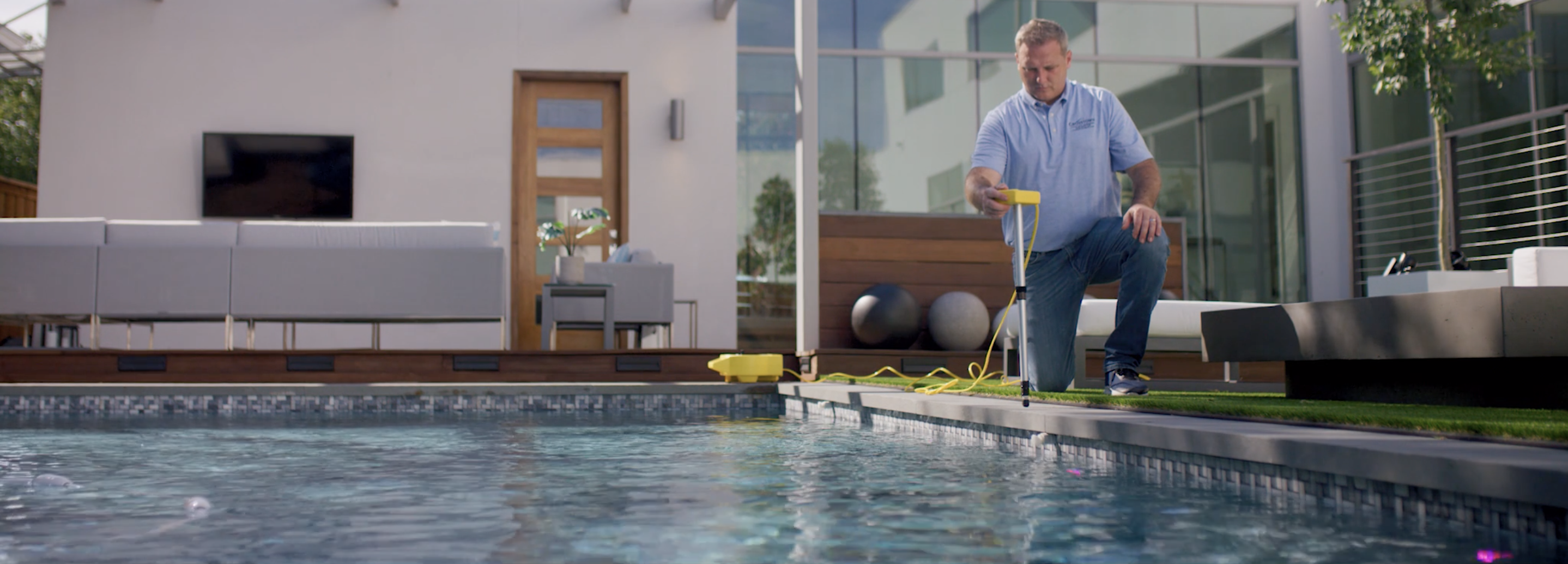
In addition, we offer solar pool heating system installation and repair. A solar pool heating system can extend your swimming season and save you money on energy bills. Our team can install and repair these systems, ensuring you can enjoy your pool year-round. 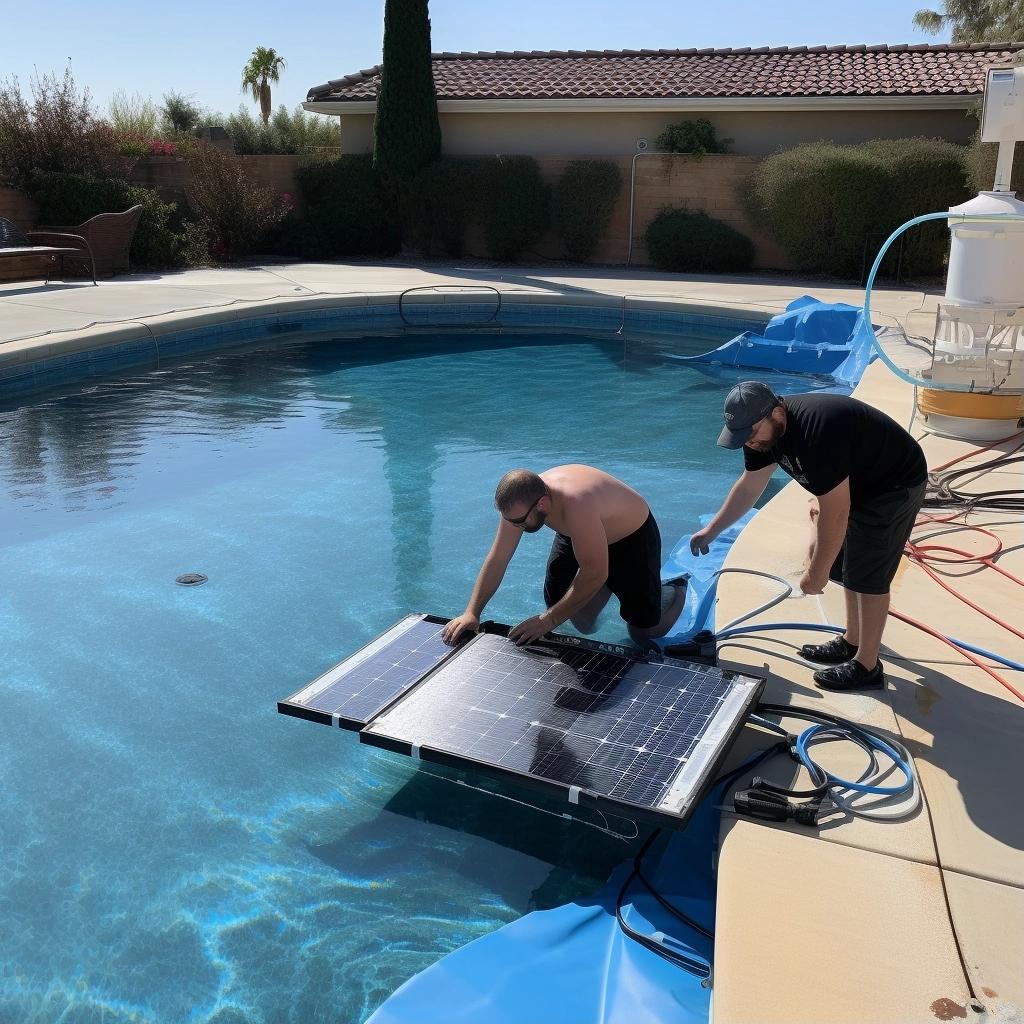
With Aquatic Inspections, you can rest easy knowing your pool is in the hands of professionals. We're dedicated to providing top-notch service and ensuring customer satisfaction. Let us take care of your pool so you can focus on enjoying it.
Solar Pool Heating System Installation and Repair
Stepping into the realm of Solar Pool Heating System Installation and Repair, Aquatic Inspections brings you the perfect solution to extend your swimming season while saving on energy bills. A solar pool heating system harnesses the power of the sun to keep your pool warm, making it an eco-friendly and cost-effective choice.
Our expert team, led by Samantha 'Sam' Brooks, is proficient in installing these systems. We carefully assess your pool's location, size, and exposure to sunlight to design a solar heating system that maximizes efficiency. 
But what if you already have a solar pool heating system and it's not working as it should? Don't worry, we've got you covered. Our team is skilled in diagnosing and repairing common issues with these systems. From leaks to blockages, we can handle it all, ensuring your pool remains warm and inviting all year round. 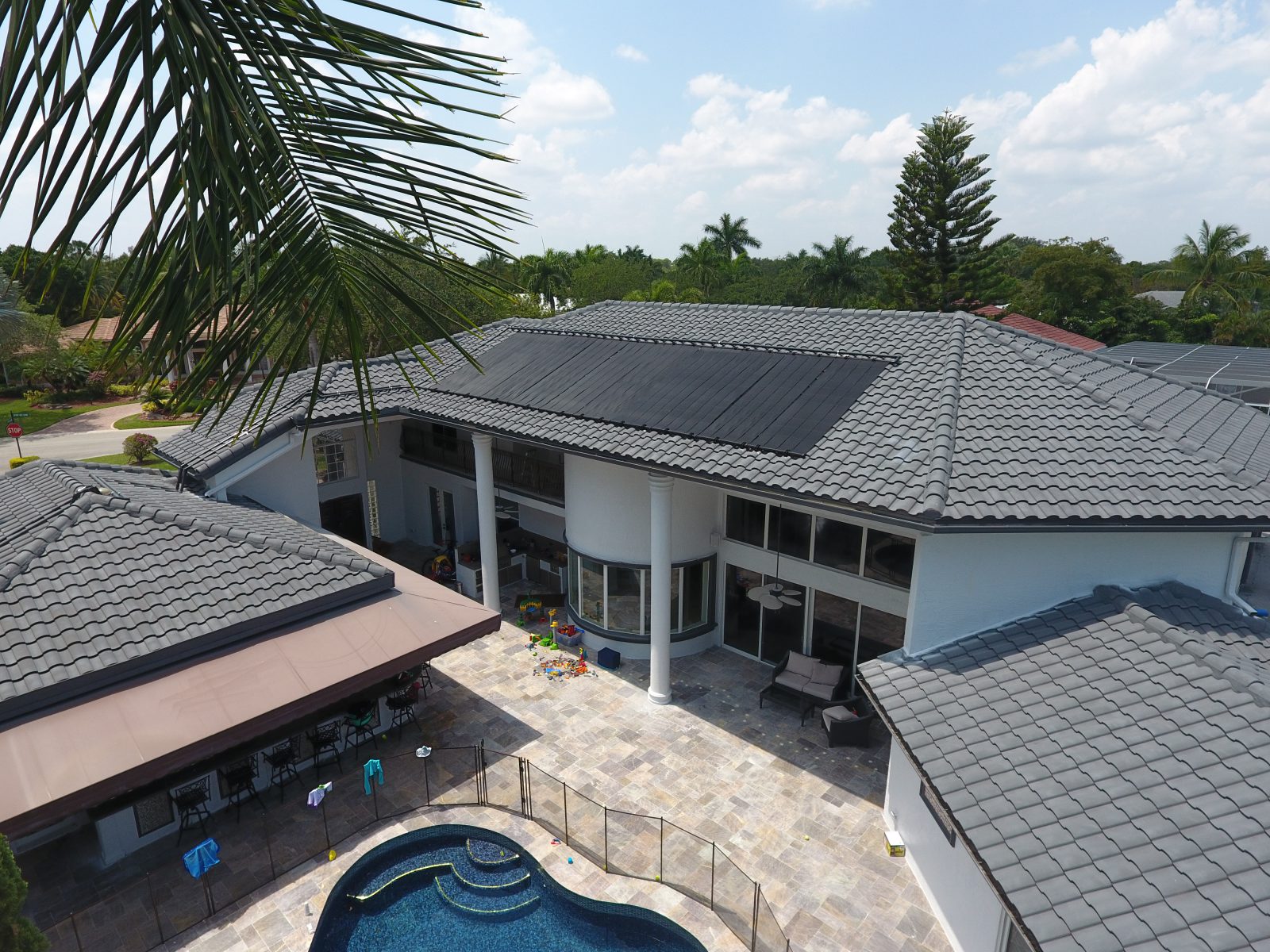
At Aquatic Inspections, we believe in providing solutions that are not only effective but also sustainable. With our solar pool heating system installation and repair services, you can enjoy your pool even during the cooler months, reduce your carbon footprint, and save money on energy costs. It's a win-win situation!
So, whether you need a new solar pool heating system installed or an existing one repaired, trust Aquatic Inspections to get the job done right. We're dedicated to ensuring your pool is always ready for a swim, no matter the season.
Why is Pool Filter Maintenance Important?
Ever wondered why pool filter maintenance is so important? Well, let's dive in. The pool filter is like the kidney of your pool. It removes impurities, keeping the water crystal clear and safe for swimming. Without regular maintenance, your pool filter can't perform its job effectively, leading to cloudy water and potentially harmful bacteria growth.
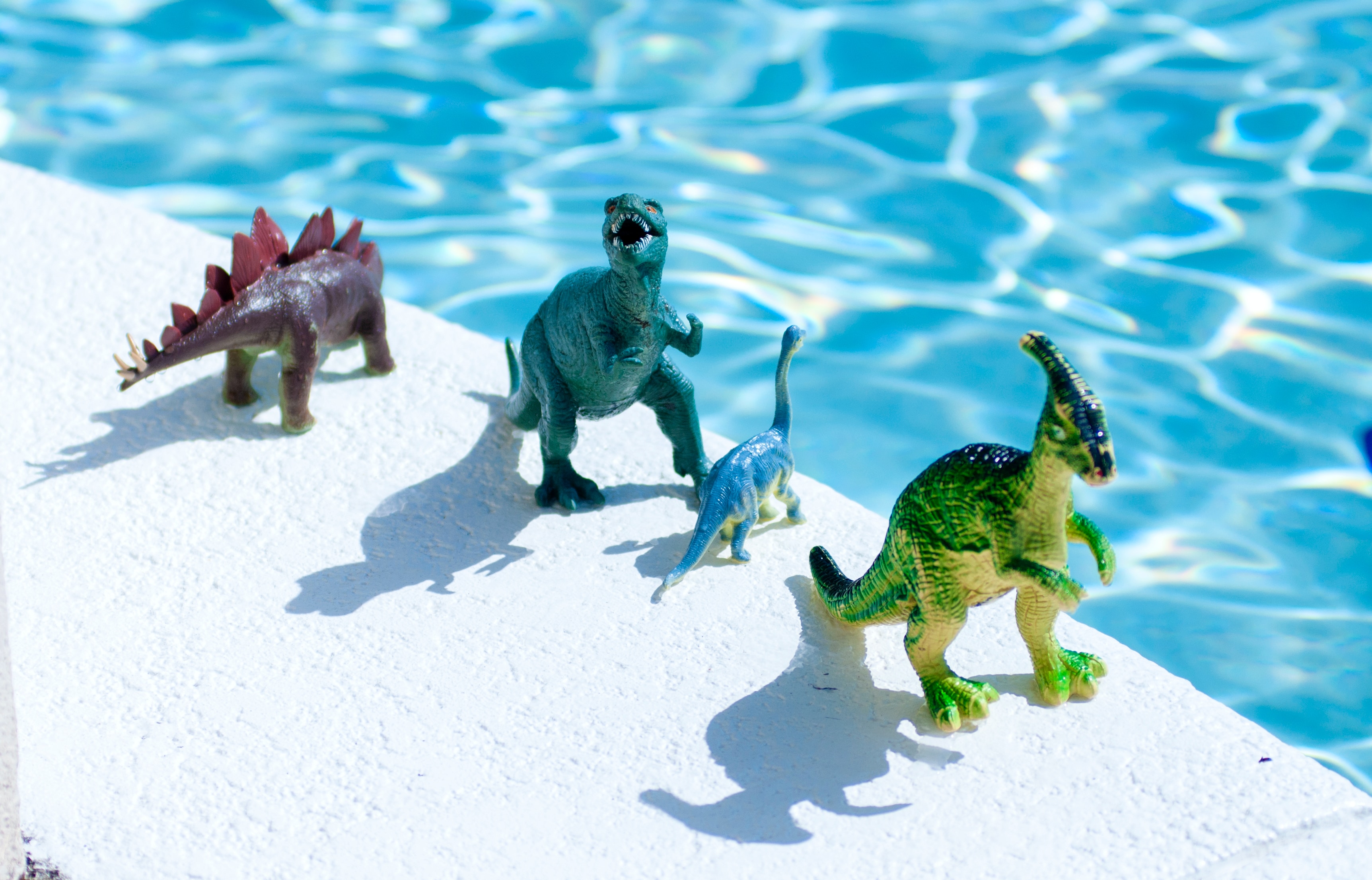
Think of it this way: just as your car needs regular oil changes to keep running smoothly, your pool filter needs regular cleaning to function properly. Pool filter maintenance is not just about maintaining clear pool water, it's also about extending the lifespan of your filter and saving money in the long run.
When a pool filter is neglected, it can become clogged with debris. This not only affects the clarity of your pool water, but it can also put strain on your pool pump, causing it to work harder and potentially leading to costly repairs or replacements.
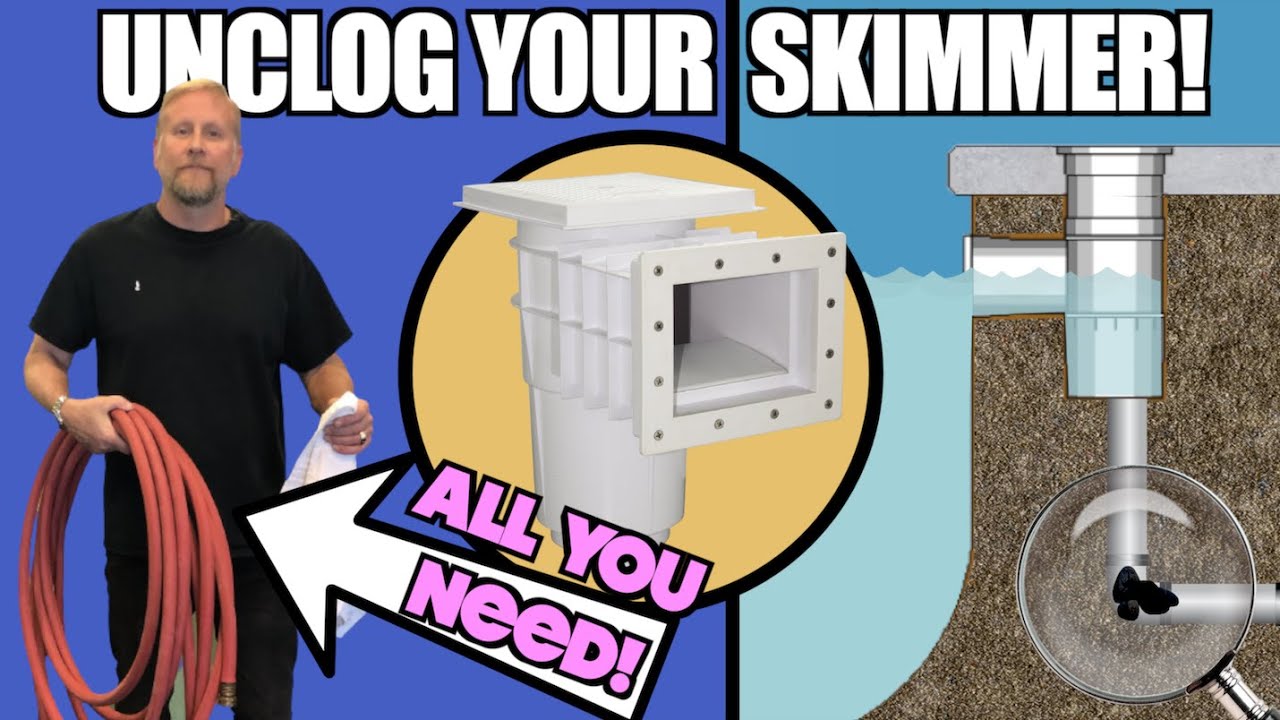
Furthermore, a well-maintained pool filter is crucial for the health and safety of pool users. A dirty filter can't effectively remove bacteria and other contaminants from the water. This can lead to skin irritations, eye infections, and other health issues for swimmers.
In short, pool filter maintenance is essential for keeping your pool clean, safe, and functioning properly. It's an integral part of pool inspection and maintenance, and should never be overlooked.
Now that you understand the importance of pool filter maintenance, stay tuned for our guide on how to clean a pool filter and our top pool filter maintenance tips.
Common Pool Filter Problems and Solutions
Now, let's dive into some common pool filter problems and their solutions. Your pool filter is the heart of your pool system, and when it's not working properly, it can lead to cloudy water, algae growth, and even damage to your pool equipment. But don't worry, Emily Aqua is here to guide you through some of the most common issues and how to fix them.
Problem 1: Dirty or Clogged Filter
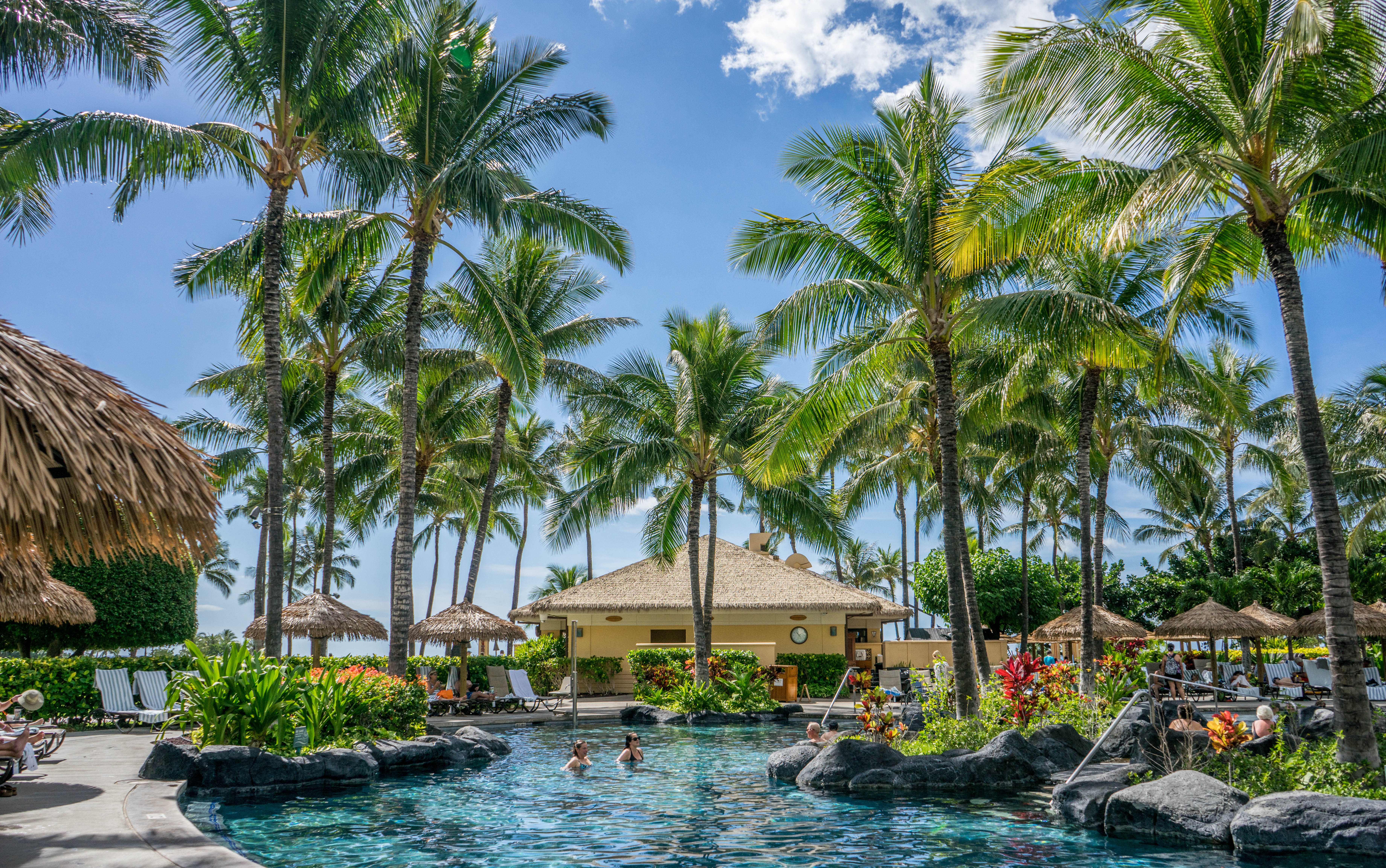
This is perhaps the most common issue pool owners face. Over time, debris, oils, and other contaminants can build up in your filter, reducing its efficiency. How to clean pool filter? Well, the solution is simple: regular cleaning. Depending on the type of filter you have, this might involve backwashing, rinsing, or replacing the filter media. Check out our guide to swimming pool filter cleaning for step-by-step instructions.
Problem 2: Incorrect Filter Size
If your filter is too small for your pool, it won't be able to keep up with the demand, leading to poor water clarity. On the other hand, a filter that's too large can be inefficient and costly. The solution? Ensure you have the right size filter for your pool. Consult with a pool professional if you're unsure.
Problem 3: Leaking Filter
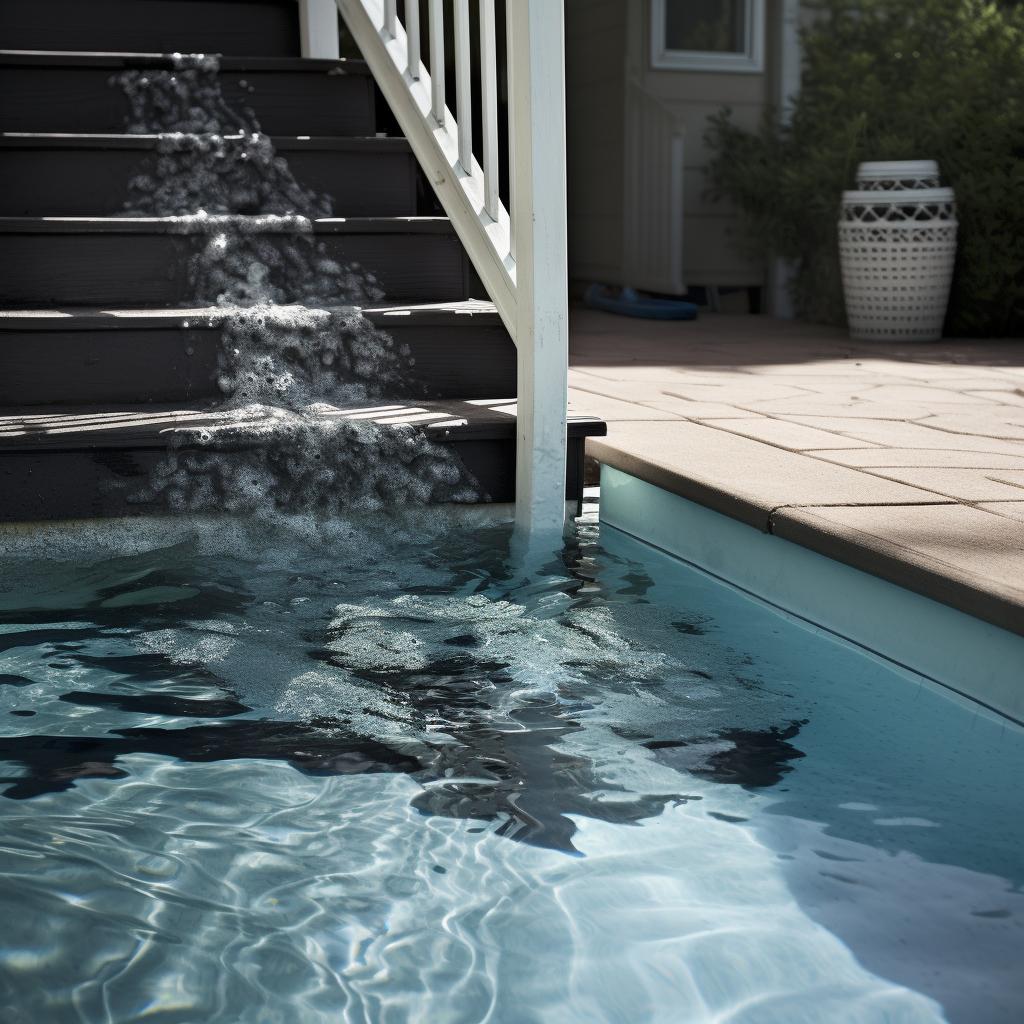
A leaking filter can lead to water loss and decreased filtration efficiency. This is often caused by a damaged O-ring or valve. To fix this, you'll need to identify the source of the leak and replace any faulty parts.
Remember, regular pool inspection and maintenance is key to preventing these issues and maintaining clear pool water. If you're unsure about how to address these problems, don't hesitate to reach out to us at Aquatic Inspections. We're here to help with all your pool installation and repair needs, including solar pool heating system installation and repair.
No comments yet. Be the first to share your thoughts!