
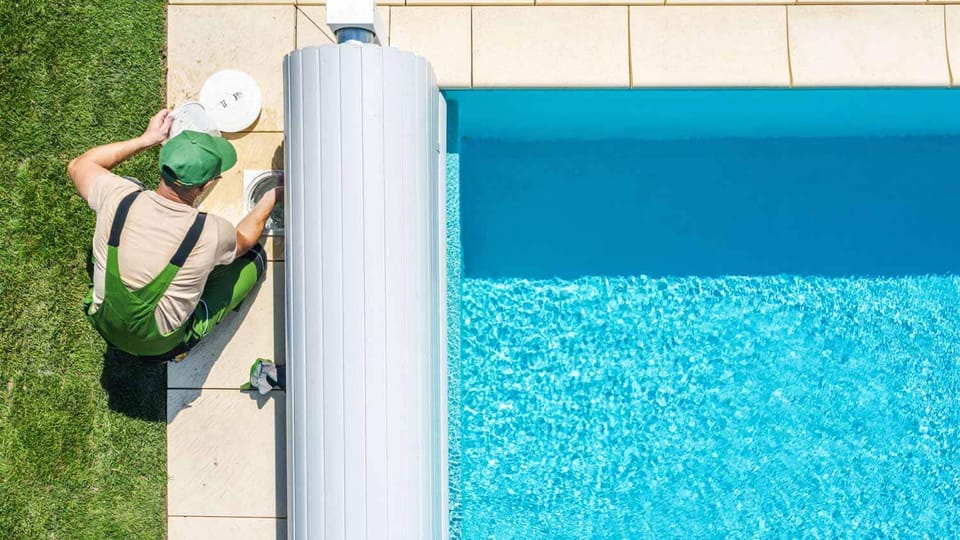

Understanding the Importance of Regular Aquatic Inspections
Imagine diving into your pristine pool on a hot summer day, only to find that the water level has mysteriously dropped overnight. Or perhaps you've noticed a significant increase in your water bill without any apparent reason. These are telltale signs that your pool might be leaking, and it's time to take action. Understanding the importance of regular aquatic inspections is crucial to maintaining the health and longevity of your pool.
At Aquatic Inspections, we believe in the power of prevention. Regular pool inspections not only help in detecting pool leaks early but also prevent costly repairs down the line. But why are these inspections so important? And what do they entail?
Firstly, a leaking pool can lead to significant water loss, which is both environmentally unfriendly and expensive. Secondly, unchecked leaks can cause structural damage to your pool and the surrounding area. This is where pool inspection techniques come into play. From visual inspections to advanced swimming pool leak detection techniques, a thorough inspection can identify even the smallest leaks.
But it's not just about pools. If you have a pond or a lake on your property, you might be wondering, "Where can I find reliable pond management near me?" or "Which are the best pond treatment companies in my area?" We've got you covered. In this comprehensive guide, we'll also delve into the world of pond management, helping you keep your aquatic features in top shape.
So, whether you're dealing with a potential pool leak, looking for pool leak repair solutions, or seeking advice on pond management, this guide is your one-stop resource. Dive in to unravel the mystery of swimming pool leak detection and beyond!
The Importance of Detecting Pool Leaks Early
Imagine a perfect summer day, the sun is shining, and you're ready to take a refreshing dip in your pool. But, what if your pool is losing water? Detecting pool leaks early is not just a matter of convenience, but a necessity. It's the cornerstone of effective pool maintenance and inspection.
Why is it so crucial? A leaky pool can lead to a host of problems. It can cause significant water loss, leading to higher utility bills. It can also damage the surrounding area, causing soil erosion and even compromising the structural integrity of your pool. Moreover, leaks can lead to chemical imbalances in your pool, creating an unsafe swimming environment. Hence, swimming pool leak detection should be a part of your regular pool maintenance routine.
But how can you detect a leak before it becomes a major problem? That's what this guide is all about. We'll unravel the mystery of pool leak detection, providing you with practical tips and techniques. From understanding the basics of pool leak detect to exploring DIY vs professional pool inspection techniques, we've got you covered.
Furthermore, we'll guide you through the process of pool leak repair, and how to maintain your pool post-repair. We'll also delve into the role of regular pool maintenance and inspection in preventing leaks. So, are you ready to become a pool leak detective? Let's dive in!
Understanding the Importance of Detecting Pool Leaks
Imagine this: It's a bright, sunny day, and you're looking forward to a refreshing dip in your pool. But as you approach, you notice something's amiss. The water level seems lower than usual. Could it be a leak? Detecting pool leaks is not just crucial for maintaining your pool's health, but it's also vital for conserving water and saving on unnecessary costs.
Understanding the importance of detecting pool leaks begins with recognizing the potential damage they can cause. Leaks can lead to structural damage, compromise the pool's integrity, and even affect the surrounding landscape. Moreover, a leaking pool can significantly increase your water bills. Hence, early detection and pool leak repair are key to preventing these issues.
But how do you detect a pool leak? This article will unravel the mystery of swimming pool leak detection, providing you with practical tips and techniques, both for DIY enthusiasts and those considering professional help. We'll guide you through the telltale signs of a leaking pool, DIY pool leak detection methods, and when to call in the experts.
Furthermore, we'll delve into the role of pool inspection in leak detection, providing you with a comprehensive pool inspection checklist and tips on interpreting a pool inspection report. Finally, we'll explore effective pool leak repair solutions and essential tips for maintaining your pool post-leak repair.
Whether you're a residential pool owner seeking a residential pool inspection checklist or someone looking for a detailed swimming pool inspection report, this guide has got you covered. So, are you ready to dive in and become a master in detecting and repairing pool leaks? Let's get started!
DIY Pool Leak Detection: A Comprehensive Guide
Now that you understand the importance of detecting pool leaks early, let's delve into the world of DIY pool leak detection. With a keen eye and a bit of know-how, you can become your own pool leak detective. But where do you start? Here's a comprehensive guide to help you navigate this crucial aspect of pool maintenance.
Firstly, you need to confirm if there's a leak. An easy way to do this is the bucket test. Fill a bucket with pool water to about one inch from the top. Place it in the pool, ensuring it's floating and not touching the sides. Mark the water level inside and outside the bucket. After 24 hours, if the pool water level has dropped more than the water inside the bucket, you likely have a leak.
Once you've confirmed a leak, the next step is to locate it. Look for wet spots around the pool area. Check the pool's equipment pad for any water that's not from splashing or rainfall. Inspect the ground for soft or damp spots. Remember, pool inspection techniques require patience and a meticulous approach.
Another DIY method is the dye test. Using a small bottle of dye, gently squeeze it near suspected leak areas. If there's a leak, the dye will be sucked into it. This method is particularly useful for swimming pool leak detection in cracks or around fittings.
Once you've detected the leak, it's time for pool leak repair. Small leaks can often be fixed with patch kits available at pool supply stores. However, larger leaks or those in complex areas may require professional help.
Remember, maintaining pool condition is a continuous process. Regularly inspect your pool, keep an eye out for signs of leaks, and address them promptly. This way, you can ensure your pool remains in top condition, ready for that perfect summer day.
So, are you ready to put on your detective hat and embark on your DIY pool leak detection journey? With these tips and techniques, you're well-equipped to tackle any pool leak head-on!
Understanding the Importance of Swimming Pool Leak Detection
Imagine a perfect summer day, the sun is shining, and your swimming pool is beckoning. But, what if there's a hidden enemy lurking beneath those inviting waters? Unnoticed, a pool leak can wreak havoc on your pool's structure, your water bill, and even the surrounding environment. This underscores the critical importance of swimming pool leak detection.
As a pool owner, understanding the significance of detecting pool leaks is the first step towards maintaining your pool's health and longevity. Leaks can lead to substantial water loss, costly repairs, and even structural damage if left unchecked. Moreover, a leaking pool can waste thousands of gallons of water each year, contributing to environmental concerns. Hence, swimming pool leak detection is not just about pool maintenance; it's about responsible ownership too.
But how can you detect a pool leak? Can you do it yourself or should you rely on professionals? What does the pool inspection process entail, and what do pool inspectors look for? These are some of the questions we'll be answering in this comprehensive guide to DIY pool leak detection, professional swimming pool leak detection, and pool leak repair.
So, whether you're a seasoned pool owner or a new entrant to the world of pool maintenance, this guide will equip you with practical tips and insights to keep your pool in top condition. Dive in to unravel the mystery of swimming pool leaks and learn how to keep your pool leak-free!

Understanding the Basics: What is Pool Leak Detection?
Imagine a serene summer day, the sun is shining, and you're ready to take a refreshing dip in your swimming pool. But wait, you notice the water level is lower than usual. Could it be a leak? This is where pool leak detection comes into play, an essential aspect of pool maintenance that often goes unnoticed until it's too late.
So, what exactly is pool leak detection? In essence, it's the process of identifying and locating leaks in your swimming pool. It's a task that requires a keen eye, a systematic approach, and sometimes, the expertise of professionals. Swimming pool leak detection is a vital part of maintaining the health and longevity of your pool, ensuring that it remains a safe and enjoyable space for everyone.
Throughout this article, we'll be delving into the world of detecting pool leaks, providing you with a comprehensive guide on how to identify, locate, and fix leaks. We'll explore DIY pool leak detection techniques, professional methods, and the importance of regular pool inspections. We'll also provide you with a handy pool inspection checklist to help you stay on top of your pool maintenance.
Whether you're a pool owner, a prospective buyer, or simply someone interested in the intricacies of pool maintenance, this article is sure to provide valuable insights. So, ready to dive in and unravel the mystery of pool leaks? Let's get started!

Understanding the Basics: What Do Pool Inspectors Look For?
Imagine diving into your pristine pool on a hot summer day, only to discover later that it's losing water at an alarming rate. This is where the expertise of a pool inspector comes into play. But what exactly do pool inspectors look for? Let's dive in and unravel the mystery of swimming pool leak detection.
At Aquatic Inspections, we believe that understanding the basics is the first step towards mastering any skill. When it comes to detecting pool leaks, inspectors typically start with a comprehensive pool inspection checklist. This checklist is designed to identify potential problem areas that could lead to leaks, including the pool's structure, plumbing system, and filtration equipment.
Inspectors use advanced pool inspection techniques to assess the condition of your pool. They look for signs of wear and tear, such as cracks in the pool shell or a malfunctioning pump, which could be the culprits behind your pool's water loss. 
But it's not just about identifying the problem. A detailed pool inspection report is also crucial in providing effective solutions for pool leak repair. This report outlines the findings of the inspection and offers practical recommendations to ensure your pool remains in top condition.
So, are you ready to dive deeper into the world of DIY pool leak detection and learn how to keep your pool leak-free? Stay tuned as we explore the art of detecting pool leaks, unveil the secrets of swimming pool leak detection techniques, and guide you through a step-by-step approach to swimming pools leaks detection. Let's make every swim a pleasure, not a problem.
Understanding the Basics: What is a Pool Leak?
Imagine you're enjoying a sunny afternoon by your pool, only to notice the water level seems a bit lower than usual. Is it evaporation or could it be a dreaded pool leak? Understanding the basics of what a pool leak is can save you time, money, and ensure your pool remains in prime condition.
A pool leak is a breach in the pool's structure that allows water to escape. This could be in the pool shell itself, the plumbing system, or even the pool equipment. Detecting pool leaks is not always straightforward, as water loss can be easily mistaken for natural evaporation. However, unchecked leaks can lead to significant water loss, increased bills, and even structural damage.
But don't worry! With the right knowledge and tools, you can become adept at swimming pool leak detection. Whether you're keen on DIY pool leak detection or prefer to leave it to the professionals, this guide will equip you with the necessary insights. We'll explore the signs to watch out for, simple techniques you can try, and when it's time to call in the experts.
Furthermore, we'll delve into pool leak repair, maintaining pool condition, and the importance of regular swimming pool inspections. You'll learn about pool inspection techniques, what to include in your pool inspection checklist, and how to interpret a pool inspection report.
So, are you ready to unravel the mystery of pool leaks and ensure your oasis stays in top-notch condition? Let's dive in!
Recognizing the Signs: How to Identify a Pool Leak
Imagine you're Sherlock Holmes, and your pool is the scene of the mystery. The first step in detecting pool leaks is recognizing the signs. Just like the world's greatest detective, you need to know what to look for. So, what are the telltale signs of a pool leak?
Firstly, an obvious sign is a significant drop in your pool's water level. If you find yourself needing to top up the water more often than usual, you might be dealing with a leak. Secondly, damp spots around the pool area or unusually lush patches of grass could indicate a leak. Thirdly, if your pool's pump system is frequently losing its prime or if you notice air in the system, these could be signs of a leak. Lastly, an increase in your water bill could also suggest a leak.
While these signs might seem alarming, don't panic just yet. DIY pool leak detection methods can help you confirm if you indeed have a leak. For instance, the bucket test is a simple yet effective method to determine if your pool is losing water due to evaporation or a leak. But remember, these signs and DIY methods are just the first step in the detective work.
Once you've identified a potential leak, the next step is pool leak repair. But before you dive into that, it's important to understand the role of a professional pool inspection. A professional can help confirm your suspicions and pinpoint the exact location of the leak, saving you time and effort. So, are you ready to put on your detective hat and solve the mystery of your leaking pool? Stay tuned as we dive deeper into DIY pool leak detection techniques and when to call in the professionals.
Understanding the Basics: What Causes Swimming Pool Leaks?
Understanding the root cause of a problem is the first step towards finding a solution. So, what causes swimming pool leaks? The answer is not as straightforward as you might think. A variety of factors can contribute to pool leaks, making pool leak detection a bit of a detective game.
One common culprit is the pool's structure itself. Cracks in the pool shell, whether they're in the plaster, fiberglass, or vinyl liner, can lead to water seeping out. These cracks can be caused by ground movement, age, or even poor construction. Similarly, a faulty skimmer, drain, or return fitting can also cause leaks. 
But it's not just the pool structure that can cause leaks. Your pool's plumbing system is equally susceptible. For instance, a damaged pipe or a loose connection can lead to water loss. Even the pool equipment, like the pump and filter, can develop leaks over time due to wear and tear.
Another often overlooked cause is evaporation. Yes, you heard it right! A pool naturally loses some water due to evaporation, especially in hot weather. However, if the water loss is more than what's expected from evaporation, it's likely a leak.
So, how can you tell the difference between normal water loss and a leak? That's where DIY pool leak detection comes into play. But remember, while DIY techniques can help identify potential leaks, they may not always pinpoint the exact location or severity of the leak. That's when professional pool inspection techniques become invaluable.
Understanding what causes pool leaks is the first step in swimming pool leak detection. With this knowledge, you're well on your way to maintaining a healthy, leak-free pool. So, are you ready to dive deeper into the world of pool maintenance and leak detection? Let's continue!
DIY Pool Leak Detection: Techniques You Can Try at Home
Now that we've explored the potential causes of swimming pool leaks, it's time to roll up your sleeves and dive into some DIY pool leak detection techniques. These methods can be a practical first step in your pool maintenance journey, helping you identify if there's indeed a leak and where it might be originating from.
One of the simplest ways to start detecting pool leaks is the bucket test. Fill a bucket with pool water and mark the water level on the inside. Then, place the bucket in the pool and mark the pool water level on the outside. After a few days, if the water level inside the bucket remains the same, but the pool water level has dropped significantly, you likely have a leak.
Another technique involves using food coloring. Turn off your pool's circulation system and let the water become still. Then, squeeze a few drops of food coloring near the suspected leak area. If there's a leak, you'll see the dye being sucked into the crack or hole. This method is particularly effective for swimming pool leak detection in the pool's structure, like the walls or floor.
Remember, these DIY methods are just the beginning. They can help you confirm a leak, but they may not pinpoint its exact location or severity. For instance, if the leak is in the underground plumbing, professional pool inspection techniques will be necessary. Moreover, if you're dealing with multiple leaks, a professional pool leak repair service will be invaluable.
So, why not give these DIY techniques a try? They could save you time and money, and they're an excellent way to become more familiar with your pool's health. After all, a well-maintained pool is a happy pool, and with these swimming pool maintenance tips, you're one step closer to ensuring your pool stays in top condition.
Ready to dive deeper into the world of pool maintenance and leak detection? Stay tuned for our comprehensive pool maintenance guide and learn when it's time to call in the experts for a professional pool leak detection.
Professional Pool Leak Detection: When to Call in the Experts
While DIY pool leak detection methods can be a great starting point, there are times when the expertise of a professional is indispensable. But how do you know when it's time to call in the experts for a thorough pool leak detection?
Firstly, if your DIY efforts have confirmed a leak, but you're unable to locate its source, it's time to bring in a professional. Pool leaks can be elusive, hiding in the pool's structure or even in the underground plumbing. Professionals have advanced tools and techniques at their disposal, such as pressure testing and electronic listening devices, which can pinpoint the exact location of a leak with precision.
Secondly, if you're dealing with persistent water loss even after a DIY or professional repair, it's a clear sign that there might be multiple leaks. In such cases, a professional pool leak detection service can identify and address all leaks at once, saving you from the frustration of a never-ending cycle of water loss and repair.
Lastly, if you notice significant cracks or structural damage to your pool, don't attempt a DIY repair. These issues require professional intervention to ensure the safety and longevity of your pool. Remember, when it comes to pool leak repair, a quick fix isn't always the best fix.
So, while it's empowering to tackle minor pool maintenance tasks on your own, knowing when to call in the experts is equally important. After all, maintaining the health of your pool is a blend of DIY dedication and professional expertise. With this balanced approach, you can enjoy a well-maintained, leak-free pool for years to come.
Stay tuned as we delve into our comprehensive guide on swimming pool leak repair, where we'll walk you through the process of fixing a leak once it's been detected. And remember, regular pool inspections are key to preventing leaks and ensuring your pool stays in top condition.
So, are you ready to dive into the world of professional pool leak detection and repair? Let's dive in!
Swimming Pool Leak Repair: A Comprehensive Guide
Now that we've established when to call in the professionals for pool leak detection, let's turn our attention to the next crucial step - pool leak repair. Whether you've identified a minor leak that you feel confident tackling yourself, or you've enlisted the help of professionals to pinpoint a more elusive issue, understanding the repair process can empower you as a pool owner.
Firstly, it's essential to know that the repair method will depend on the location and severity of the leak. For simple leaks in the pool liner, a patch kit may suffice. However, leaks in the pool's structure or plumbing often require more complex solutions, such as epoxy injections or even partial or complete pool resurfacing. It's here that professional expertise truly shines, ensuring the repair is both effective and durable.
But what if you're dealing with a leak in your pool's equipment? Leaks in the filter, pump, or heater can be tricky. These components are intricate, and a misstep in repair can lead to further damage. In such cases, it's usually best to rely on a professional who can accurately diagnose and fix the problem.
Remember, swimming pool leak repair isn't just about stopping the water loss. It's about preserving the integrity of your pool, ensuring its longevity, and most importantly, maintaining a safe environment for you and your loved ones to enjoy. So, whether you're rolling up your sleeves for a DIY pool leak detection and repair, or you're leaning on the expertise of professionals, understanding the repair process is key.
With this knowledge in hand, you're well-equipped to handle pool leaks with confidence. But remember, prevention is always better than cure. Regular pool maintenance and inspections can go a long way in preventing leaks and keeping your pool in top condition. So, are you ready to take the plunge into proactive pool care?
Maintaining Your Pool Post-Repair: Essential Swimming Pool Maintenance Tips
Now that you've successfully navigated the choppy waters of swimming pool leak detection and pool leak repair, it's time to set sail towards the calm seas of regular pool maintenance. You might be wondering, "What's the best way to maintain my pool after a repair?" Well, you're in the right place. Let's dive into some essential swimming pool maintenance tips that will help keep your pool in pristine condition.
Firstly, it's crucial to monitor your pool's water level. A sudden drop might be a sign that your pool is leaking again. If you notice this, don't panic. Remember the DIY pool leak detection techniques we discussed earlier? Time to put them to good use. If you're still unsure, don't hesitate to call in the experts. After all, early detection is key when it comes to pool leaks.
Next, keep a close eye on your pool's equipment. Regularly check the pump, filter, and heater for signs of wear and tear. Remember, a small issue can quickly escalate if left unchecked. 
Lastly, don't forget about the water chemistry. Maintaining the right balance of chemicals in your pool is essential for preventing algae growth and ensuring the water is safe for swimming. A regular testing routine will help you stay on top of this.
Remember, the goal is to enjoy your pool, not to constantly be in repair mode. With these swimming pool maintenance tips in your arsenal, you're well on your way to achieving just that. So, are you ready to dive into the world of proactive pool care?
At Aquatic Inspections, we're always here to help. Whether you need advice on pool inspection techniques or a comprehensive pool maintenance guide, we've got you covered. So, why wait? Dive in and keep your pool in top-notch condition!
The Role of Regular Pool Inspections in Preventing Leaks
Now that we've navigated the waters of swimming pool leak detection and pool leak repair, let's anchor down on the importance of regular pool inspections. You see, preventing leaks is just as crucial as detecting and repairing them. Regular pool inspections play a pivotal role in this.
Think of it this way: your pool is like a ship. Just as a ship needs regular inspections to ensure it's seaworthy, your pool needs regular checks to ensure it's swim-worthy. By conducting regular inspections, you can spot potential issues before they escalate into full-blown leaks. This proactive approach not only saves you time and money on costly repairs but also ensures your pool remains in top condition all year round.
So, what does a regular pool inspection entail? It involves checking the pool's structure, equipment, and water chemistry. Remember those pool inspection techniques we discussed earlier? They come in handy here. From checking for cracks in the pool's surface to inspecting the pump and filter for signs of wear and tear, these techniques help you stay ahead of potential leaks.
But what if you're not confident in conducting these inspections yourself? That's where Aquatic Inspections comes in. Our team of experts is always ready to help with your pool inspection needs. Whether you need advice on DIY pool leak detection or a comprehensive pool maintenance guide, we've got you covered.
So, are you ready to take the plunge into proactive pool care? Remember, a well-maintained pool is a joy to swim in, and with regular inspections, you can ensure your pool stays in shipshape condition.
Don't wait for leaks to spring. Be proactive. Dive into the world of regular pool inspections with Aquatic Inspections today!
No comments yet. Be the first to share your thoughts!