

The Importance of a Pool Maintenance Kit
Imagine a pool as a living entity. It breathes, it ages, and without proper care, it can fall into disrepair. That's where a pool maintenance kit comes into play. It's the lifeline that keeps your pool healthy, clean, and safe for everyone to enjoy.
Think of it as your pool's personal doctor, equipped with all the essential tools and equipment needed to diagnose and treat any potential issues. Whether you're a seasoned pool owner or a newbie, a well-stocked pool maintenance kit is a must-have. It's the first step in DIY pool maintenance, and it's your best defense against common pool problems like algae growth, cloudy water, and chemical imbalances.
But why is a pool maintenance kit so important? Well, regular pool maintenance not only ensures your pool's longevity but also guarantees the safety of its users. A poorly maintained pool can harbor harmful bacteria and other pathogens, posing serious health risks.
Moreover, regular maintenance can save you a lot of money in the long run. By catching and addressing issues early, you can avoid costly repairs and replacements. Plus, a well-maintained pool enhances the overall aesthetic of your outdoor space, making it a more inviting place for relaxation and recreation.
So, whether you're looking for how to maintain your pool or searching for the best pool care tips, remember that a good pool maintenance kit is your first line of defense. It's not just an investment in your pool, but an investment in your health, safety, and peace of mind.
Must-Have Tools for DIY Pool Maintenance
Now that we've established the importance of a pool maintenance kit, let's dive into the Must-Have Tools for DIY Pool Maintenance. These are the essential pool equipment that will help you keep your swimming oasis in tip-top shape.
First on the list is a pool net skimmer. This tool is your best friend when it comes to removing leaves, bugs, and other debris from your pool. It's like a giant spoon that scoops up unwanted materials, keeping your pool clean and clear. 
Next, we have the pool brush. This handy tool is used to scrub the walls and floor of your pool, preventing the build-up of algae and other microorganisms. It's like a toothbrush for your pool, keeping it sparkling and healthy. 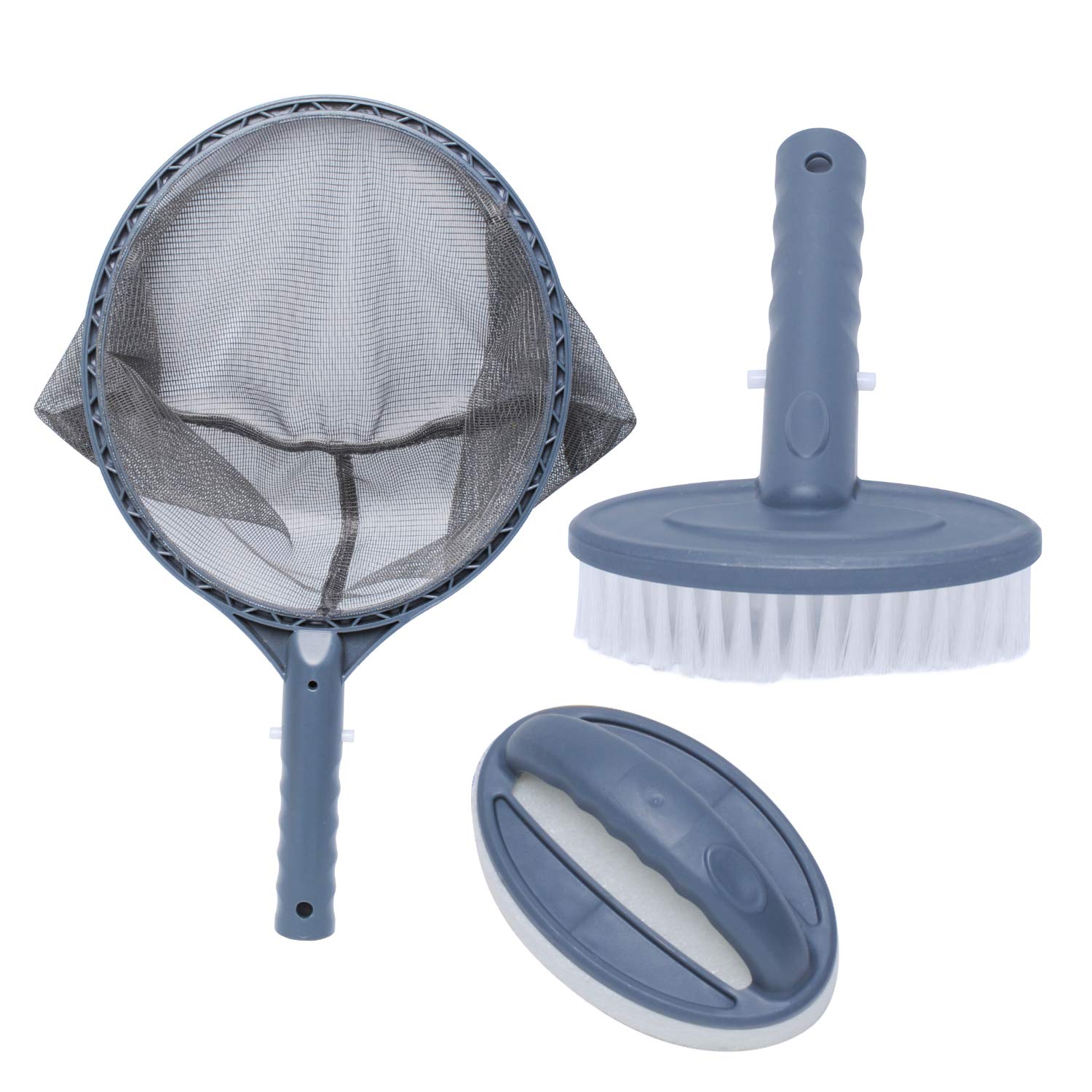
Another essential tool is the pool vacuum. This device is used to clean the bottom of your pool, removing dirt and debris that the net skimmer and brush can't reach. It's like a vacuum cleaner for your pool, ensuring every nook and cranny is spotless. 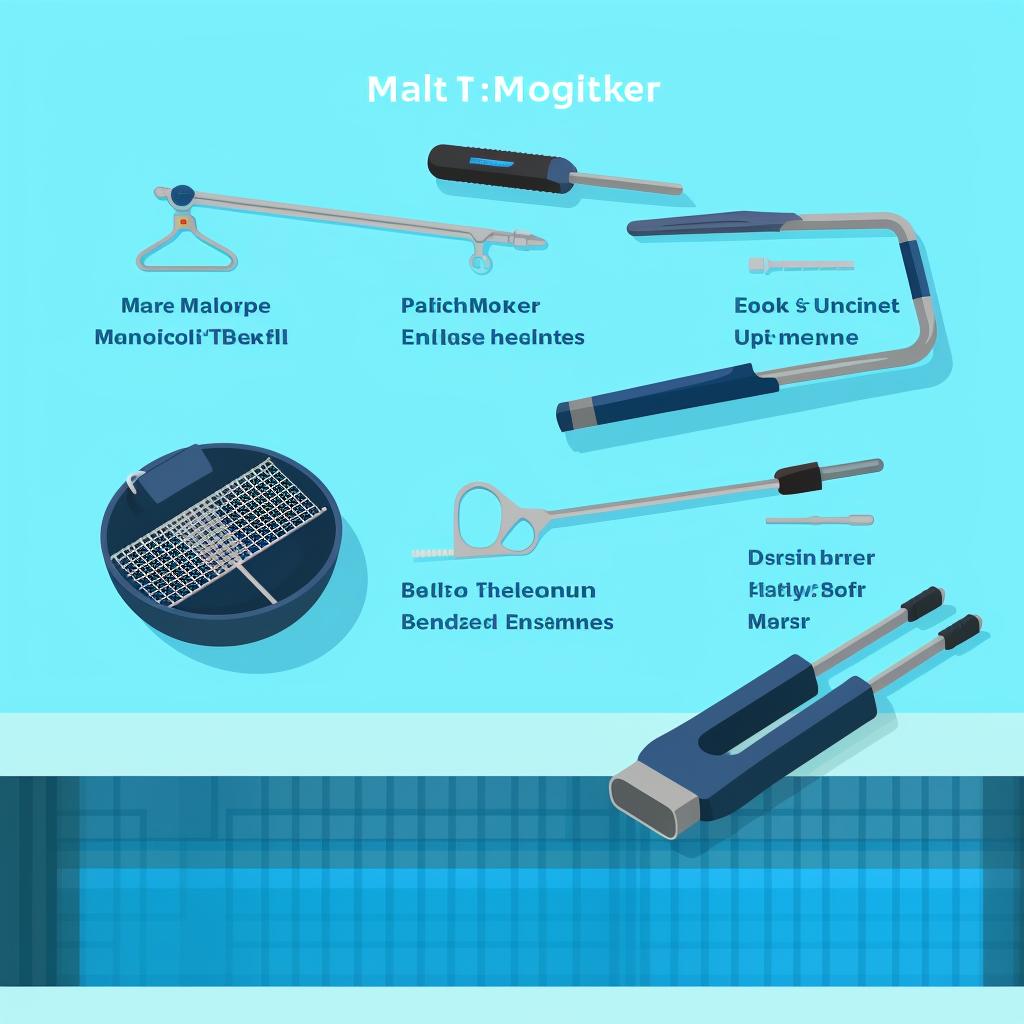
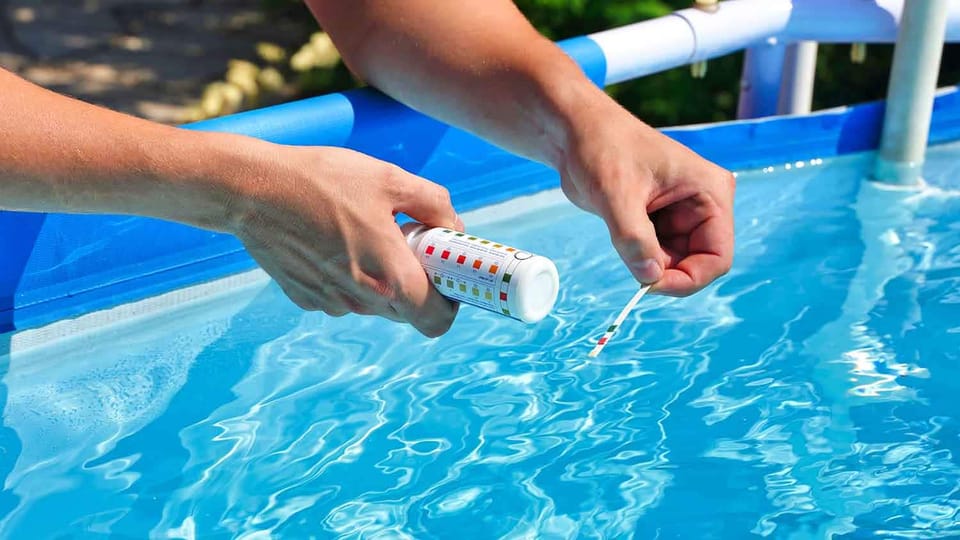
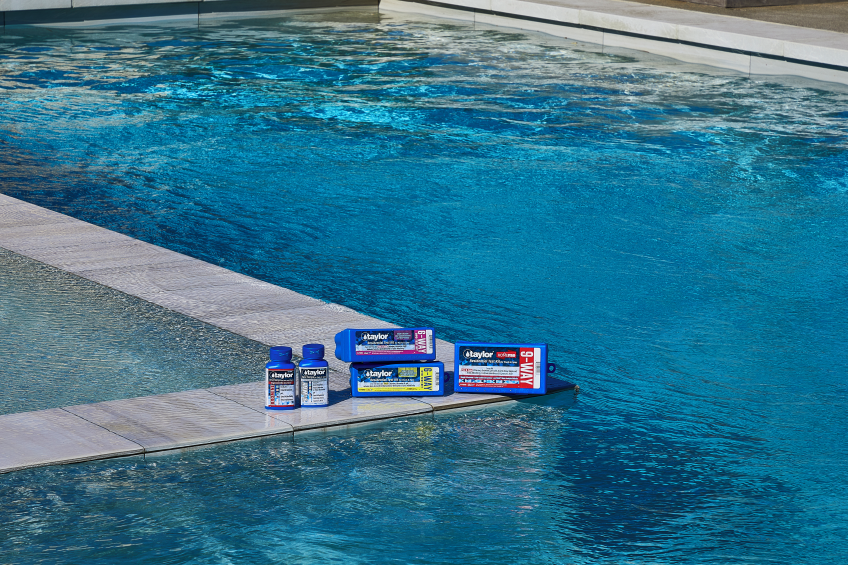
Lastly, but certainly not least, is the pool water testing kit. This kit allows you to monitor the chemical levels in your pool, ensuring the water is safe and balanced. It's like a lab test for your pool, giving you peace of mind that your pool is safe for everyone to enjoy. 
These are just a few of the must-have tools for DIY pool maintenance. Each tool plays a crucial role in maintaining the health and safety of your pool. So, whether you're a seasoned pool owner or a newbie, make sure you have these pool maintenance essentials in your kit. Remember, a well-maintained pool is a safe and enjoyable pool.
Essential Chemicals for Pool Care
When it comes to DIY pool maintenance, understanding the essential chemicals for pool care is a must. These chemicals play a pivotal role in keeping your pool sparkling clean, safe, and enjoyable. Let's dive into the pool of knowledge and learn about these essentials.
Chlorine is the first chemical that comes to mind when we talk about pool care. It's a powerful sanitizer that kills bacteria and other harmful organisms, ensuring your pool is safe for swimming. 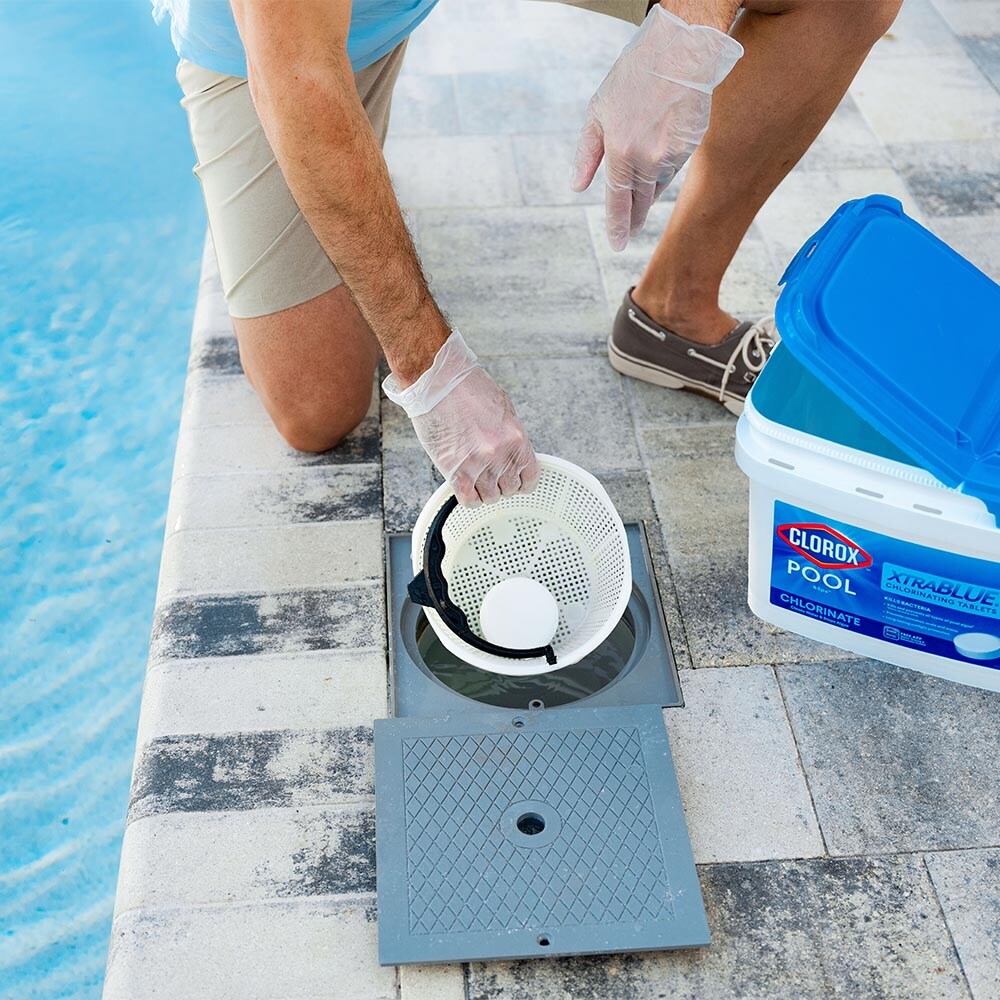
Next up is pH increaser and decreaser. The pH level of your pool water should ideally be between 7.2 and 7.8. If it's too high or too low, it can cause discomfort to swimmers and even damage your pool equipment. A pH increaser or decreaser can help maintain the right balance. 
Algaecide is another essential chemical. Algae can make your pool look unappealing and can even cause slips and falls. Regular use of an algaecide can prevent this problem. 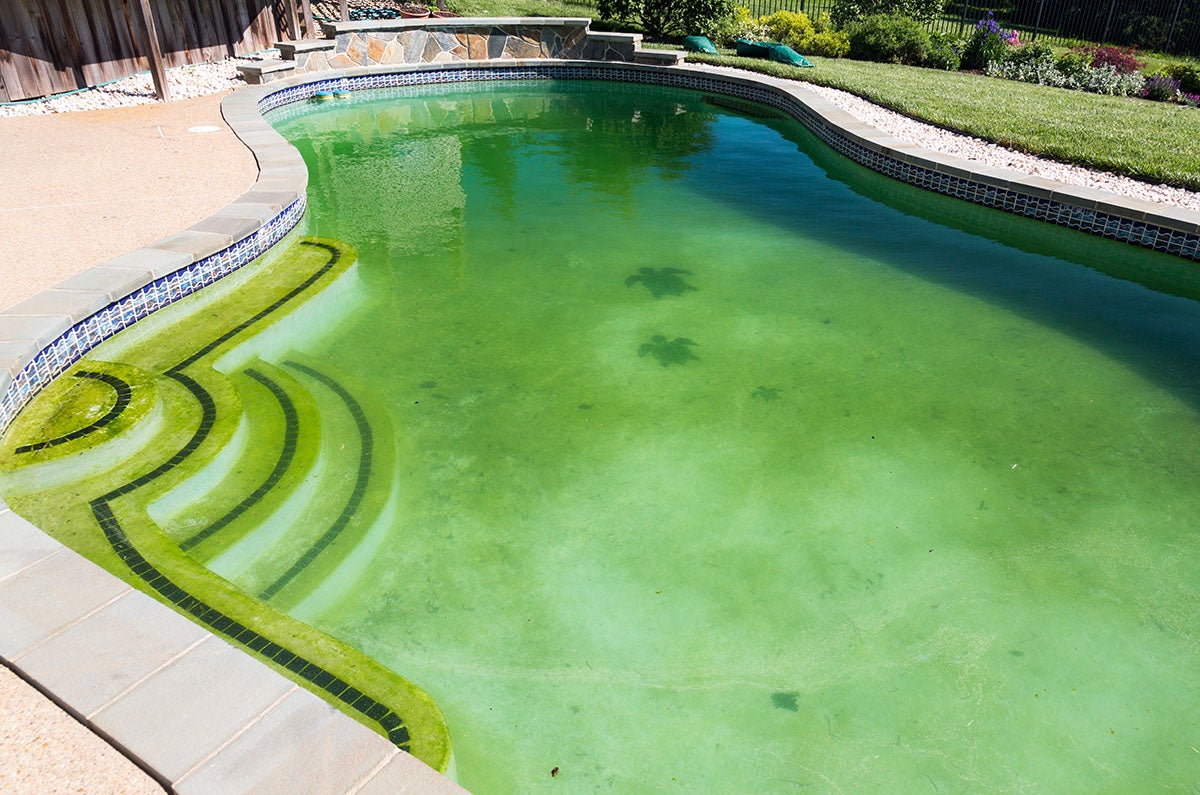
Lastly, shock is a super-chlorinator that helps to remove contaminants from your pool water. It's a crucial part of your swimming pool maintenance kit that helps to keep the water crystal clear. 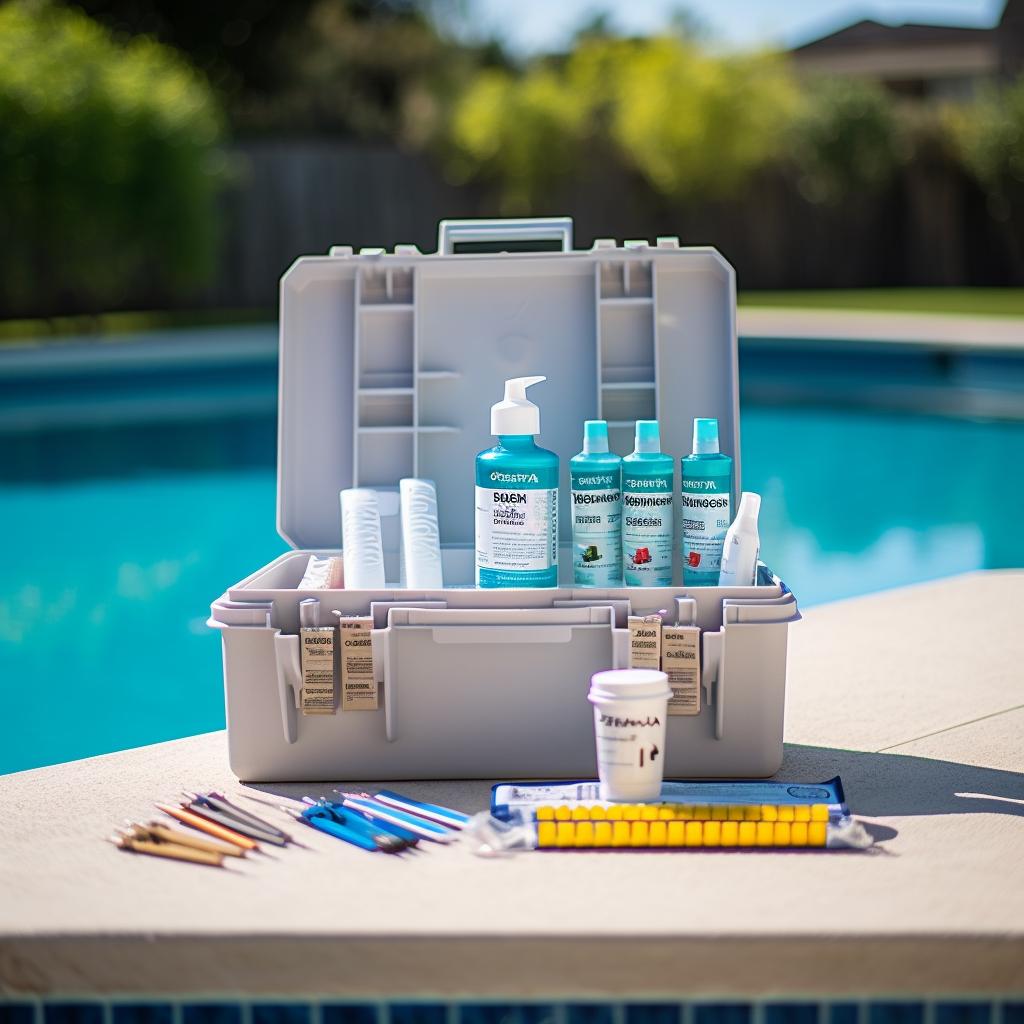
Remember, using these chemicals requires care. Always follow the manufacturer's instructions and keep them out of reach of children. With the right chemicals and pool care tips, you can ensure your pool stays in top condition all year round.
Maintaining Pool Water Balance
After understanding the essential chemicals for pool care, the next step in your DIY pool maintenance journey is maintaining the perfect water balance. This is a crucial aspect of pool care, as it ensures the effectiveness of the chemicals you use and provides a comfortable swimming environment. Maintaining pool water balance is all about managing three key parameters: pH, alkalinity, and hardness.
As we've mentioned earlier, the pH level of your pool water should ideally be between 7.2 and 7.8. This is slightly alkaline and is the range where chlorine is most effective. If the pH level is too high or too low, it can lead to skin and eye irritation, as well as potential damage to your pool equipment.
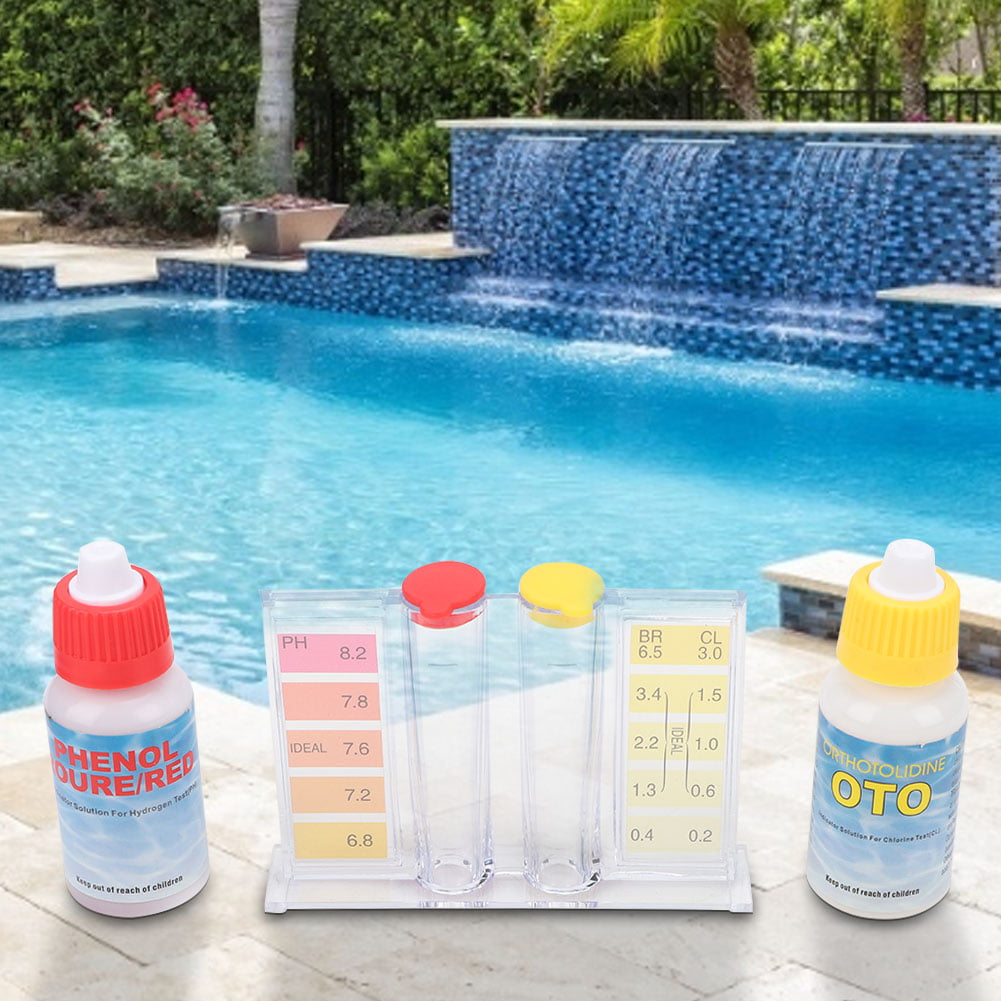
Alkalinity is a measure of the water's ability to neutralize acids. It acts as a buffer for the pH level, preventing sudden changes. The ideal range for total alkalinity is between 80 and 120 parts per million (ppm).
Hardness refers to the amount of calcium and magnesium in the water. If the water is too hard, it can lead to scale formation on your pool surfaces and equipment. On the other hand, if the water is too soft, it can cause corrosion. The recommended hardness level is between 200 and 400 ppm.
Regular testing and adjustment of these parameters are essential to maintain your pool's water balance. There are various testing kits available in the market that can help you monitor these levels. Remember, a well-balanced pool is not only comfortable for swimmers but also extends the lifespan of your pool equipment. It's a vital part of your swimming pool maintenance kit that should not be overlooked.
So, grab your testing kits, roll up your sleeves, and dive into the world of pool care. With the right knowledge and tools, you can ensure your pool stays in top condition, ready for a refreshing dip anytime.
The Role of Pool Filters and Pumps
Let's now turn our attention to the unsung heroes of your pool maintenance essentials - the pool filters and pumps. These components are the heart and lungs of your pool, working tirelessly to keep your water clean and clear.
Pool Filters: Just as our kidneys filter out impurities from our bodies, pool filters perform a similar function for your pool. They remove dirt, leaves, and even microscopic debris from the water, ensuring that every swim is a pleasant experience. There are three main types of pool filters: sand, cartridge, and diatomaceous earth (DE), each with their own strengths and maintenance needs. 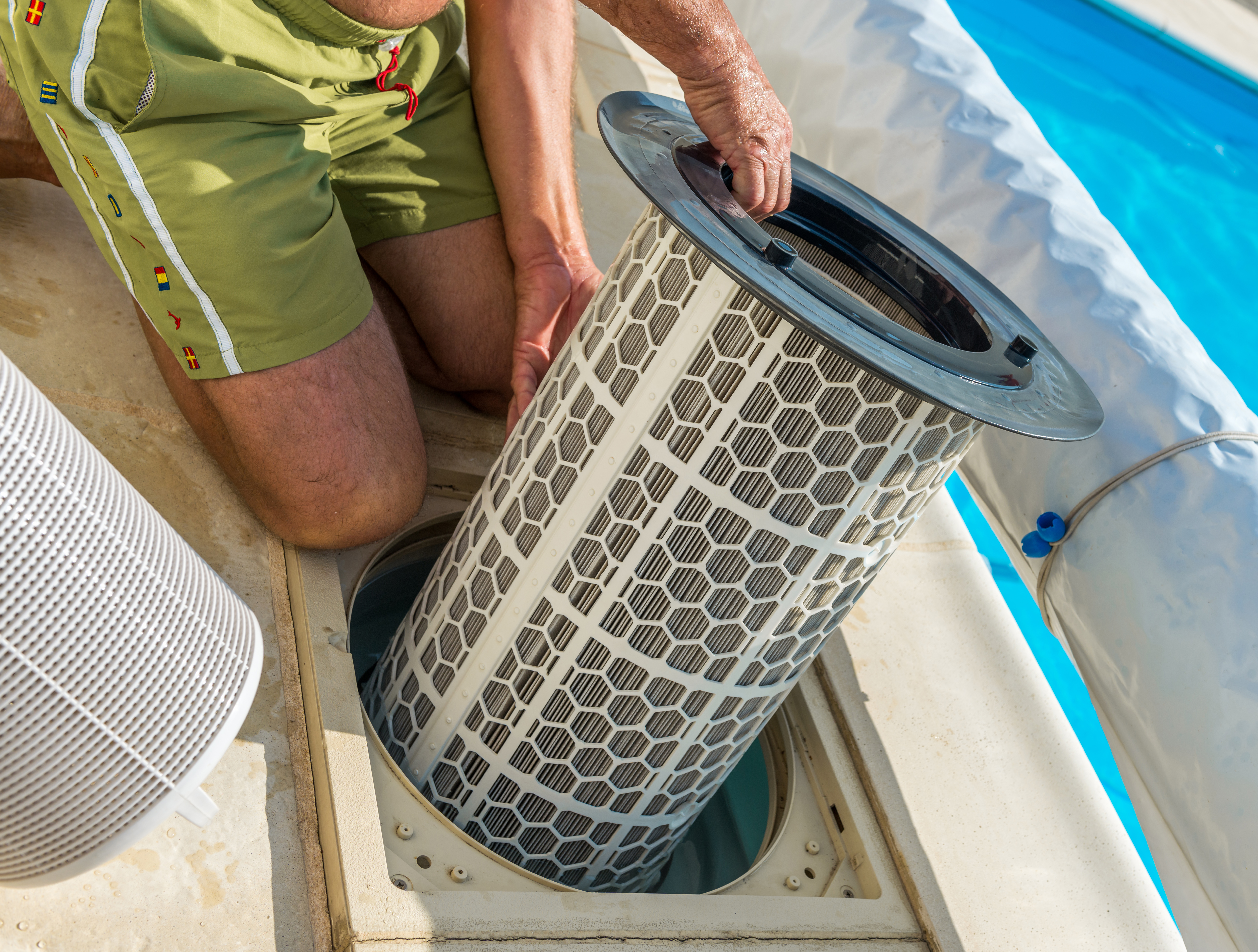
Pool Pumps: If the filter is the kidney, then the pool pump is the heart. It circulates water through the filter and back into the pool, keeping the water moving and preventing stagnation. A well-functioning pump is crucial for maintaining water clarity and preventing algae growth. 
Understanding how to maintain your pool's filter and pump is a key aspect of DIY pool maintenance. Regularly cleaning and inspecting these components can greatly extend their lifespan and improve their efficiency. For instance, backwashing your sand or DE filter when the pressure gauge reads 8-10 psi above the starting level can help maintain optimal filtration. Similarly, regularly checking the pump basket and clearing any debris can ensure smooth water flow.
Remember, a clean and well-functioning filter and pump are essential for a healthy pool. They not only make your pool more inviting but also reduce the need for chemical usage. So, don't overlook these vital components in your pool care routine.
With these pool care tips, you're well on your way to becoming a pool maintenance pro. Stay tuned for our next section where we'll delve into the importance of pool inspection for safety and efficiency.
Inspecting Your Pool for Safety and Efficiency
Now that we've covered the essentials of pool equipment and care, let's dive into the crucial task of Inspecting Your Pool for Safety and Efficiency. This is a key part of your DIY pool maintenance routine and should never be overlooked.
Regular pool inspections can help identify potential issues before they become major problems, saving you time, money, and ensuring your pool remains a safe and enjoyable space for everyone.

Begin your inspection by checking the pool's physical structure. Look for any signs of wear and tear such as cracks, loose tiles, or damaged coping. These could potentially cause injuries or lead to more serious structural issues if not addressed promptly.
Next, turn your attention to the pool's water quality. Clear, clean water is a sign of a well-maintained pool. Murky or discolored water, on the other hand, could indicate a problem with your filtration system or chemical balance. Regular testing of your pool's pH, chlorine, and alkalinity levels is essential to maintain optimal water quality.
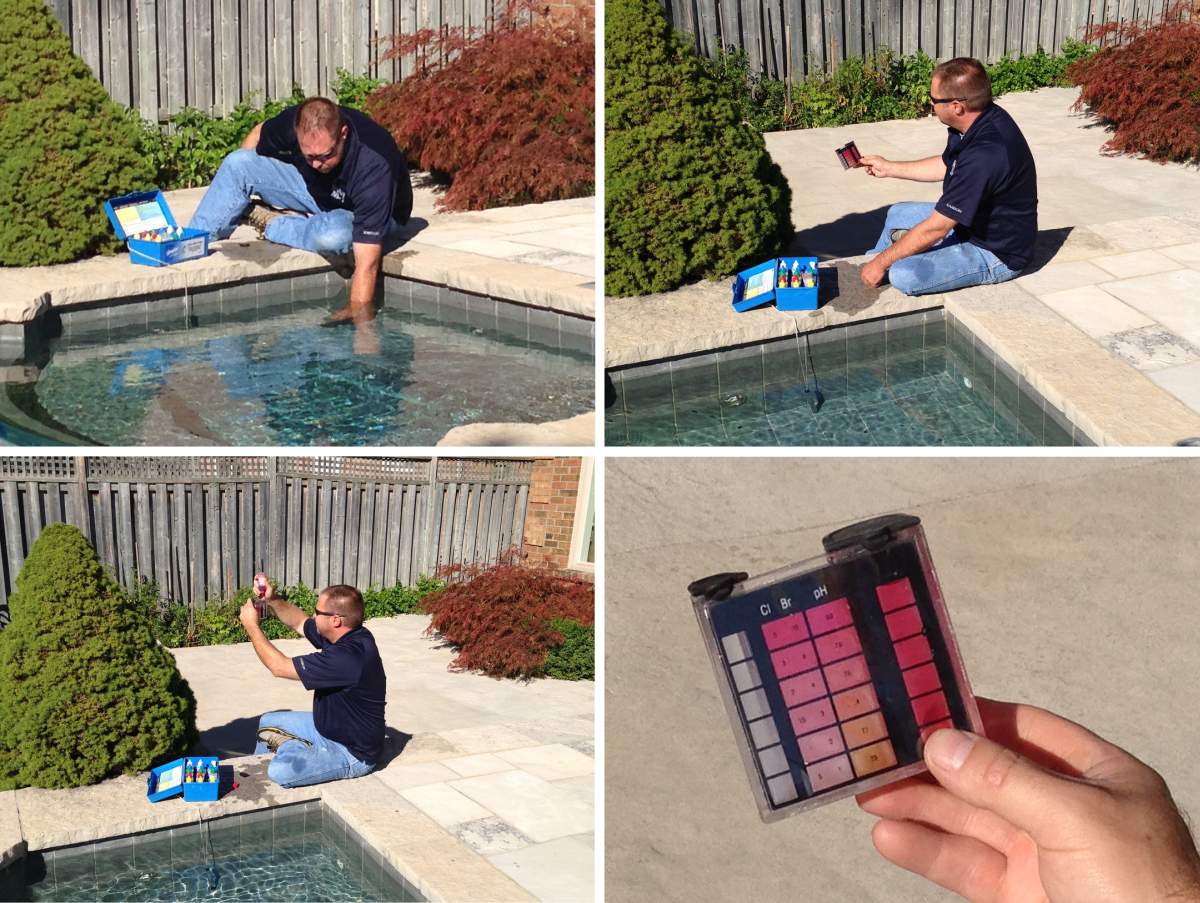
Don't forget to inspect your pool's safety features. This includes checking the condition of pool fences, gates, ladders, and diving boards. Ensure that all safety equipment, such as life rings and pool covers, are in good working order and easily accessible.
Lastly, evaluate the efficiency of your pool's systems. This involves checking the operation of your pool pump, filter, and heater. Listen for any unusual noises and observe if they are functioning as expected. Regular maintenance of these systems is key to their efficiency and longevity.
By following this pool inspection guide, you can ensure your pool remains a safe and efficient oasis for all to enjoy. Remember, pool care is not just about having the right tools and chemicals; it's also about being proactive and vigilant in maintaining your pool's safety and efficiency.
Stay tuned for our next section where we'll share the best pool installation tips to help you set up your dream pool.
Choosing the Right Pool Cleaning Equipment
Now, let's plunge into the heart of the matter - Choosing the Right Pool Cleaning Equipment. This is a crucial step in your DIY pool maintenance journey. The right equipment not only simplifies your task but also ensures your pool remains in pristine condition.
When it comes to pool cleaning equipment, the first thing that comes to mind is the automatic pool cleaner. This gadget is a game-changer for pool owners. It's like a robotic housekeeper for your pool, tirelessly working to keep your pool spotless. There are different types of automatic pool cleaners, each designed to tackle specific cleaning tasks. 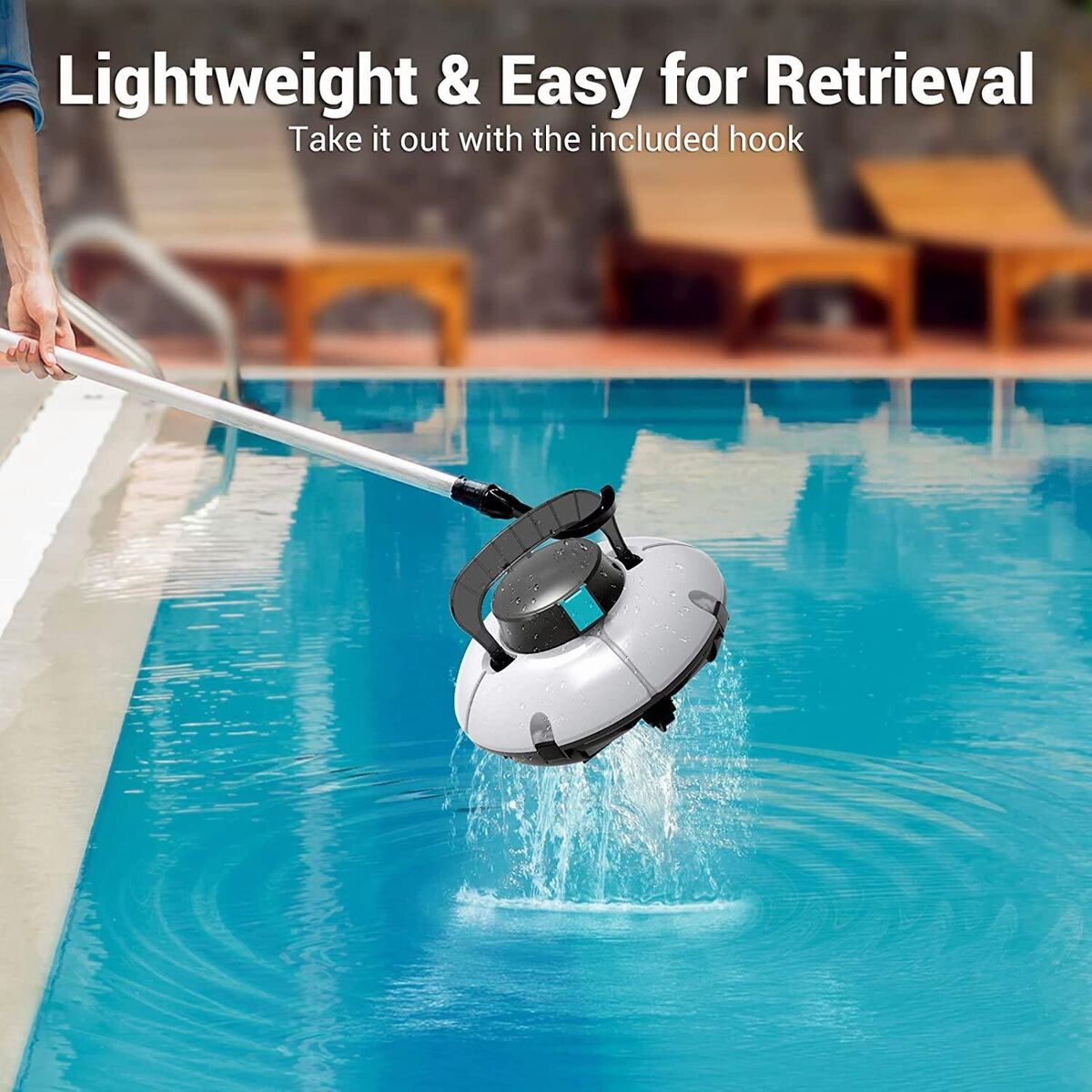
For instance, suction-side pool cleaners are perfect for picking up small to medium-sized debris. They work by attaching to your pool's existing filtration system, creating a suction that pulls in debris. On the other hand, pressure-side pool cleaners use the pressure from your pool's water return jet to propel themselves around your pool, collecting debris in a bag. Lastly, robotic pool cleaners, the crème de la crème of pool cleaners, are self-contained units that scrub, vacuum, and filter all in one. They are the best choice for comprehensive pool cleaning.
Another essential piece of equipment is the pool filter. This device is like the kidneys of your pool, filtering out impurities and keeping your water crystal clear. There are three main types of pool filters: sand filters, cartridge filters, and diatomaceous earth (DE) filters. Each has its own strengths and weaknesses, so it's important to choose the one that best suits your pool's needs.
Remember, the key to successful pool maintenance is choosing the right tools for the job. So, take your time, do your research, and invest in quality pool cleaning equipment. After all, a clean pool is a happy pool!
Tips for Proper Pool Installation
Transitioning from pool maintenance to pool installation, let's dive into the Tips for Proper Pool Installation. Whether you're installing a new pool or upgrading an existing one, these tips will ensure a smooth and successful process.
First and foremost, plan your pool's location wisely. Think about sun exposure, proximity to trees (which can lead to extra cleaning), and accessibility. Also, consider local regulations and ensure you have the necessary permits before you start digging. 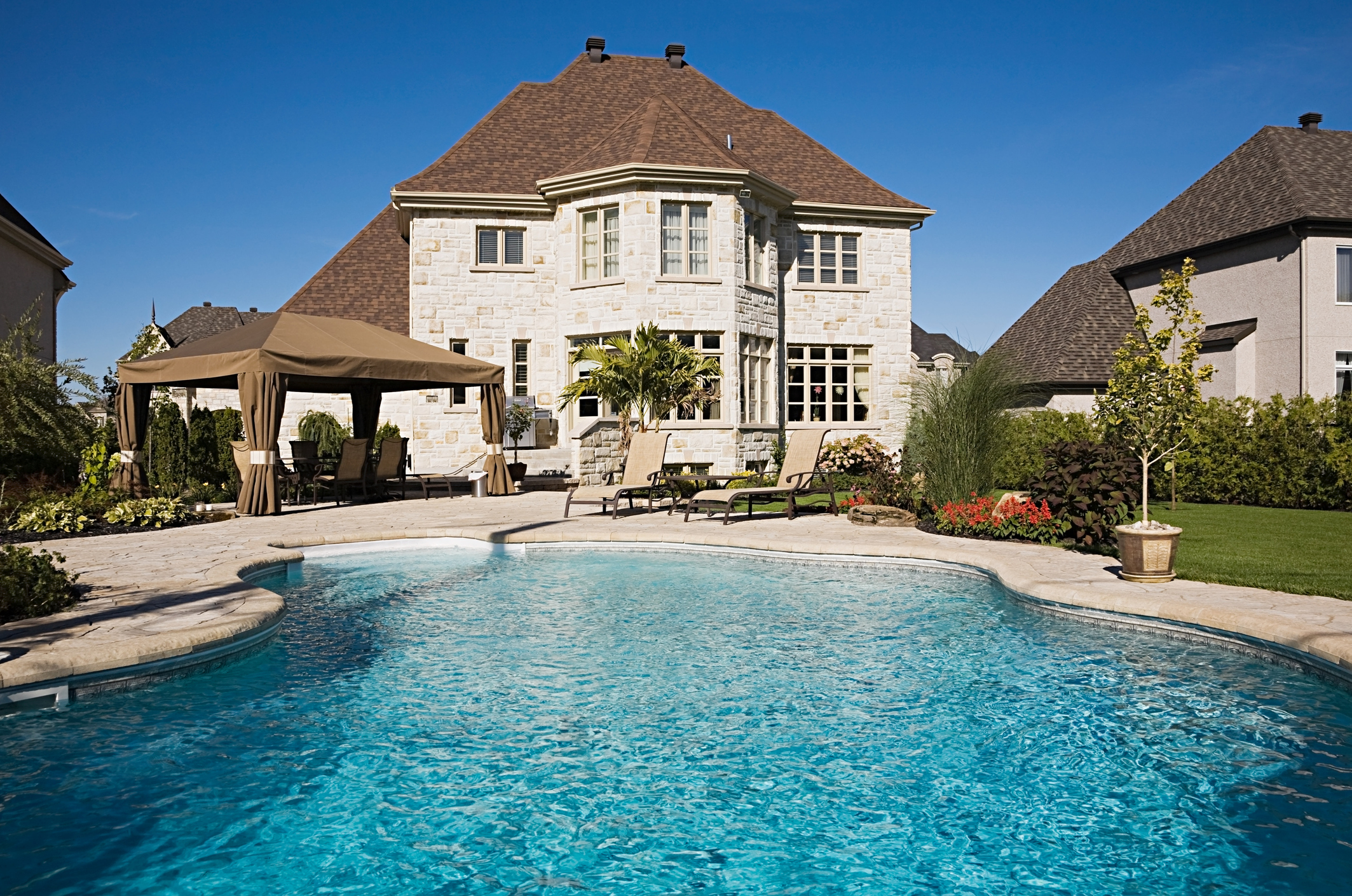
Next, choose the right pool type for your needs and environment. Whether it's a concrete, vinyl, or fiberglass pool, each has its own benefits and maintenance requirements. Research thoroughly and consult with professionals to make an informed decision. 
Once the pool type is decided, ensure proper installation of the pool's plumbing and electrical systems. This is a job for professionals, as it involves complex tasks like connecting the pool pump, filter, and heater, and installing underwater lights. 
After the pool is installed, don't forget about landscaping. A well-designed pool area can enhance your outdoor living space and increase the value of your property. Consider adding a deck, patio, or even a pool house to create a complete backyard oasis. 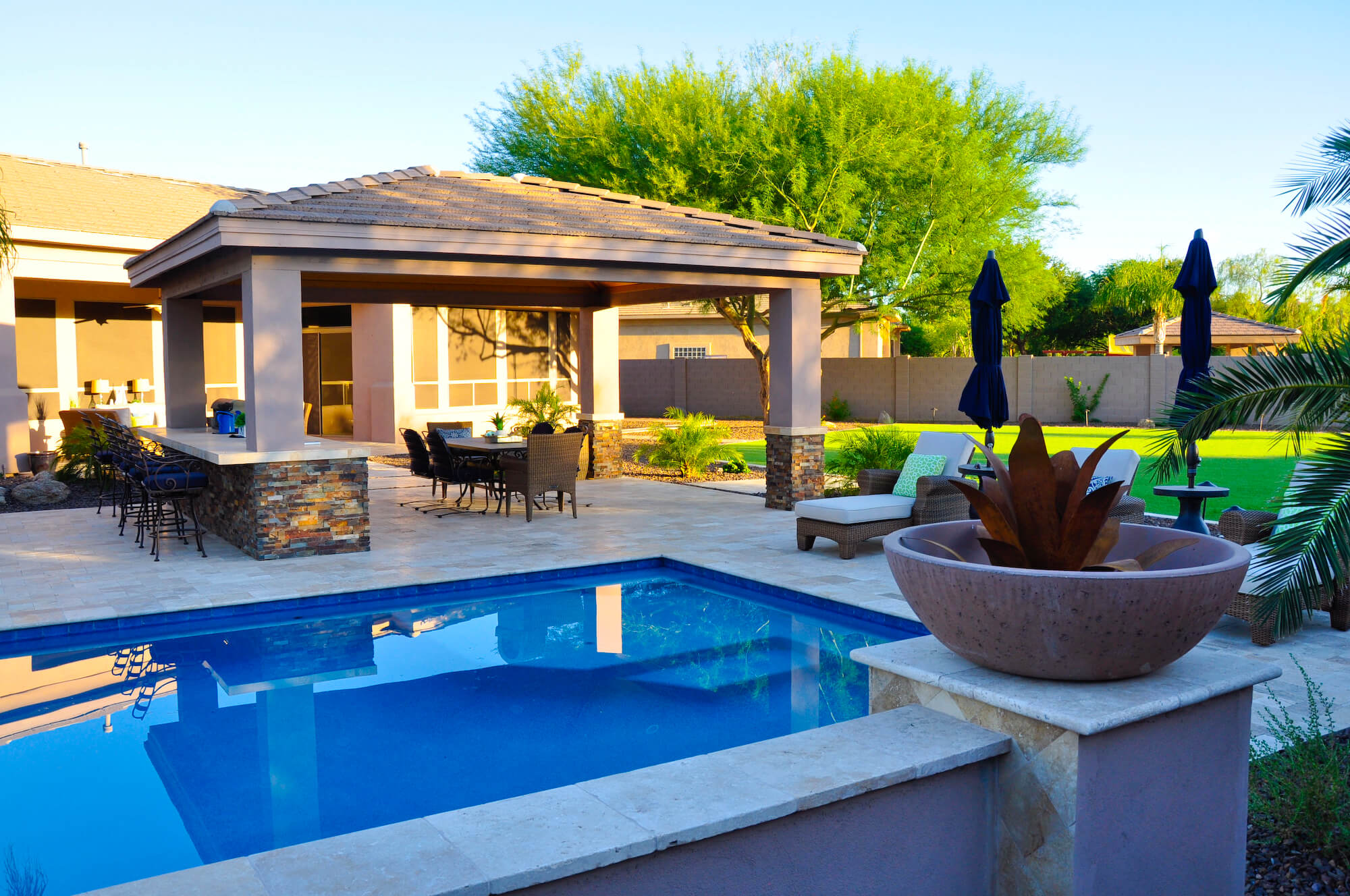
Lastly, plan for regular maintenance from the start. This includes investing in essential pool equipment and setting up a maintenance schedule. Remember, a well-maintained pool is a safe and enjoyable pool. 
By following these pool installation tips, you can create a beautiful and functional pool that will provide years of enjoyment. And remember, Aquatic Inspections is always here to help with your pool maintenance, inspection, and installation needs.
No comments yet. Be the first to share your thoughts!